
Research Grants on Inclusive Early Warning Early Action
Meet the Researchers
Despite the proven effectiveness of early warning early action in reducing disaster impacts and saving lives, around one-third of the global population is still not covered by early warning systems. Furthermore, research indicates that even when information reaches at-risk communities, it is often not properly perceived or acted upon to mitigate risks.
Communication barriers, social and cultural stigma, lack of accessibility of infrastructure, and the absence of effective social safety nets continue to prevent communities from accessing timely early warning and risk information. These obstacles disproportionately affect marginalized and minority groups, making it even more difficult for them to access and act on early warning information. These groups are often referred to as "last mile communities," as they are the farthest away, most difficult to reach, and/or the last to benefit from programs or services.
To help address these gaps, the Global Disaster Preparedness Center, in collaboration with of the Risk-informed Early Action Partnership (REAP), launched a research grant program which aims to enhance literature on early warning early action and contribute to the expansion of the evidence base for more inclusive and people-centered approaches. This research was funded with UK International Development from the UK government.
Fifteen research teams were selected from almost 280 applications spanning over 60 countries. The grants support research projects across Latin America, Africa, Europe, and Asia Pacific, fostering evidence and insights from diverse contexts worldwide.
Learn more about each project by clicking on the map icons or scrolling down to read research abstracts.
Meet the researchers
Topic 1: Accessibility, inclusivity, and actionability of early warning messages among last mile communities
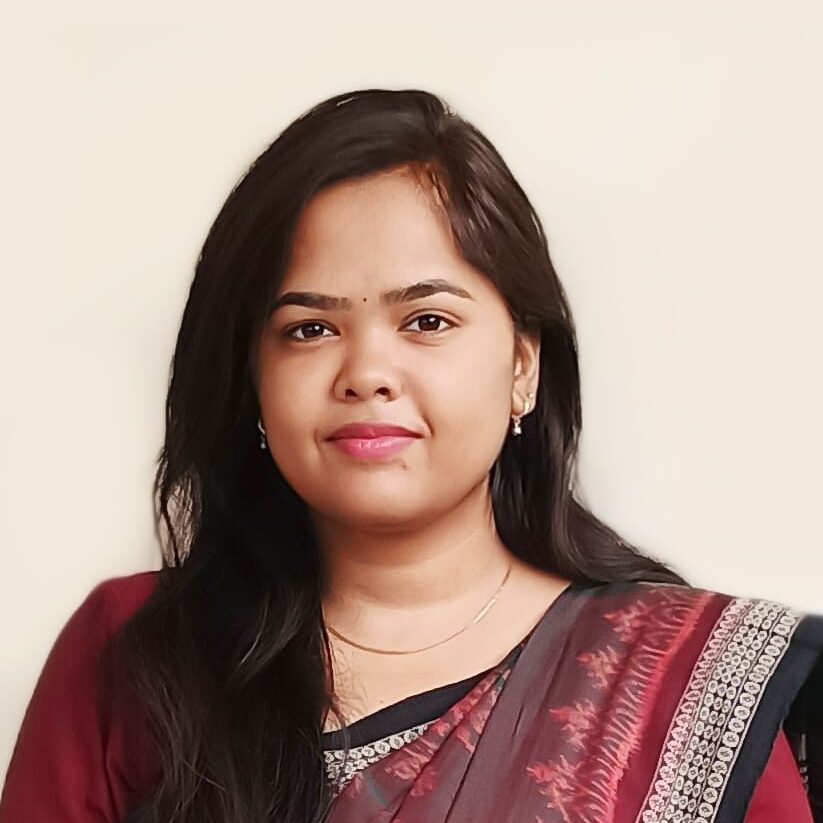
Chinmayee Mishra, India
Institution: Utkal University
Research Project: 'Disasters can’t happen here. Lord Jagannath will save Us’: Exploring women’s experience of barriers to Early warning system in Odisha, India
About the Researcher: Chinmayee Mishra is a UGC Senior Research Fellow doing PhD in Sociology at Utkal University, Odisha, India. She is pursuing her research on vulnerability and resilience of women in disaster. Her research interests include but are not limited to sociology of disaster, energy and society and visual sociology. Her recent research publications explore social solidarity during a pandemic and ethnographic account of the experience of rural women in a disaster. As a researcher, she is committed to advancing theoretical knowledge and evidence-based solutions to pressing social issues.
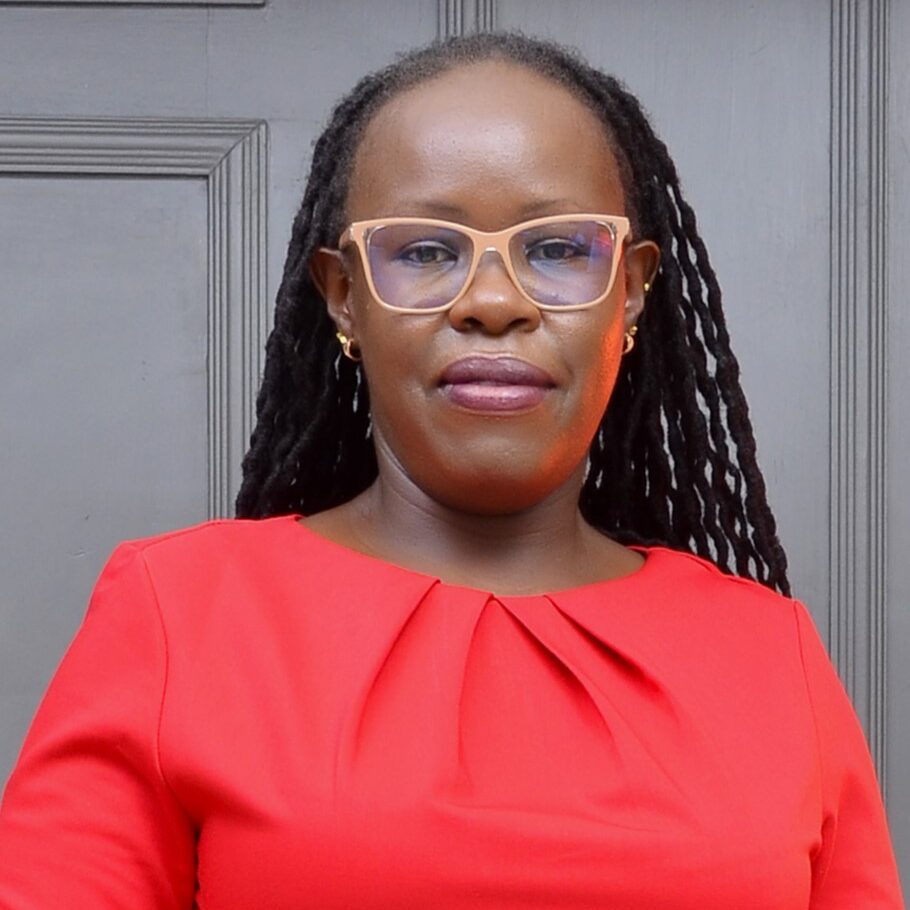
Linda Obiero, Kenya
Institution: University of Nairobi
Research Project: Barriers to accessing early warning messages and factors impeding their comprehension and inclusivity in Kolwa East Ward, Kisumu County, Kenya
About the Researcher: Linda Obiero holds a PhD in Environmental Governance and Management from the University of Nairobi. She is a Lecturer at the Department of Earth & Climate Sciences, University of Nairobi, focusing on green energy, sustainable food systems, resource efficiency, climate change adaptation, and waste management.
She teaches postgraduate courses, conducts research, and has authored several publications. Linda has been involved in a number of projects, including on building disaster resilience for low-income communities, supporting SMEs on sustainable production, and women in clean cooking. She is currently a mentee in a women clean cooking program run by the Clean Cooking Alliance (CCA), Sustainable Energy for All (SEforALL) and the Global Women’s Network for the Energy Transition (GWNET).
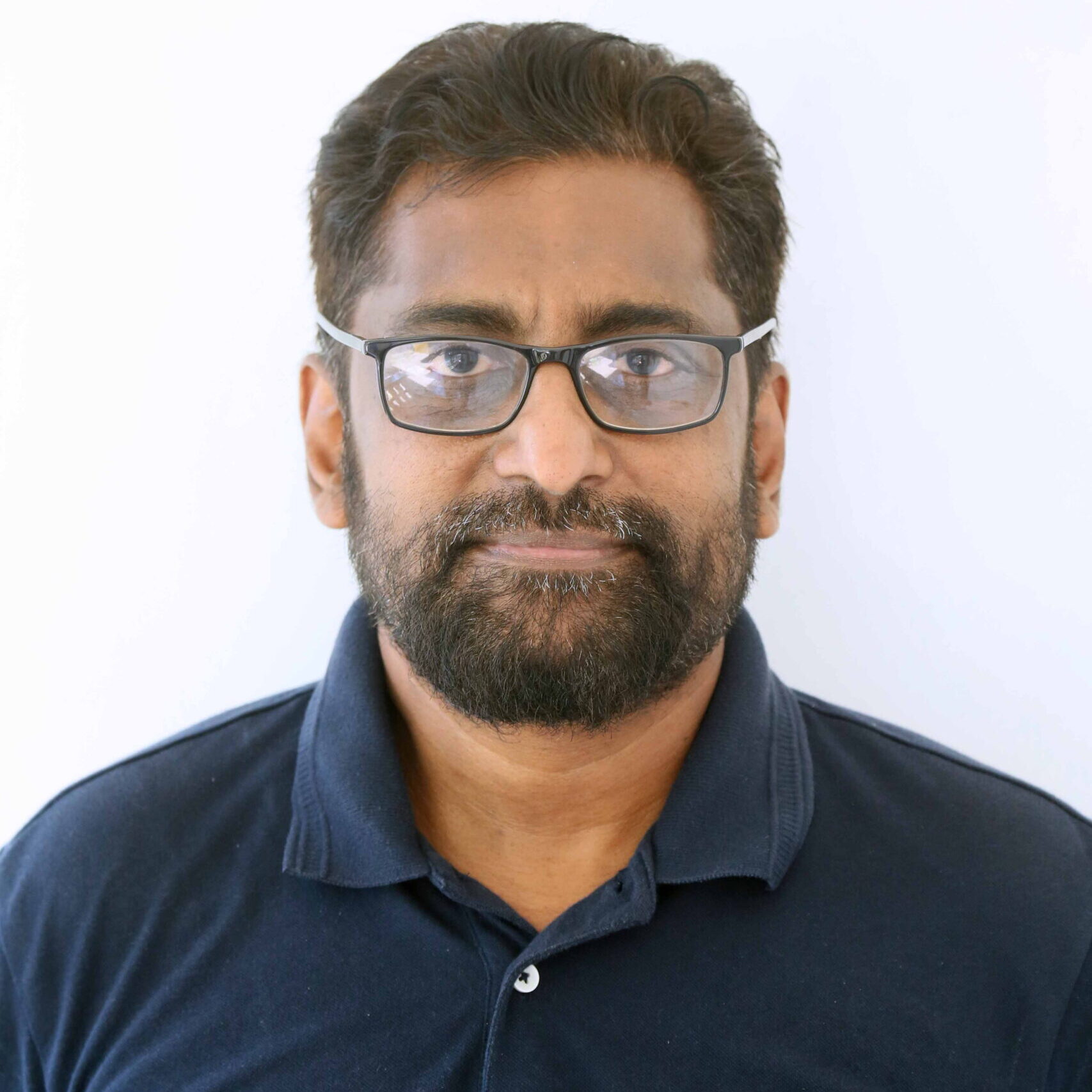
Max Martin, India
Institution: University of Sussex
Research Project: Fishers on the first mile: early warning early action on the Arabian Sea coast of south India
About the Researcher: Max Martin is a geographer affiliated with the University of Sussex and is a member of a research team that looks at forecasts at different timescales streamlined with the metrics of early warnings and early action. Their research primarily focuses on studying climate and extreme weather and how people act on forecasts and early warnings. Notably, Max's recent research tested localized weather information co-produced with fishers and forecasters on the southwest Indian coast of the storm-prone Arabian Sea.
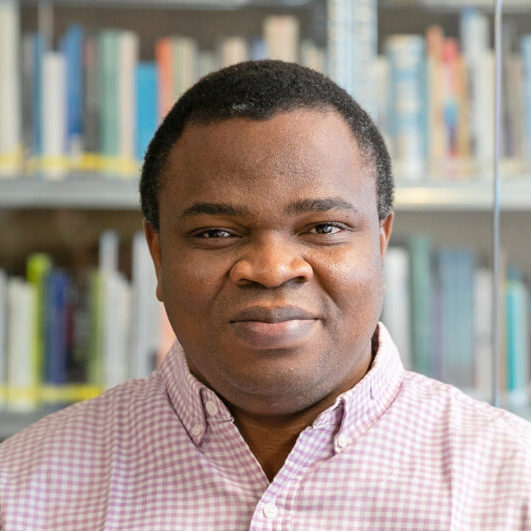
Olumuyiwa Adegun, Nigeria
Institution: Federal University of Technology, Akure
Research Project: Slum Dwellers’ Utilization of Heat Early Warning Resources in Nigeria
About the Researcher: Olumuyiwa Adegun is Senior Lecturer in the Department of Architecture at Federal University of Technology, Akure, Nigeria. His scholarly interests focus on environmental sustainability and climate adaptation in urban areas of Nigeria and other parts of sub-Saharan Africa, especially with respect to low-income housing, slums and informal settlements.
Pradytia Putri Pertiwi, Indonesia
Institution: Universitas Gadjah Mada
Research Project: POP IDEAS (Perspectives of Persons with Disabilities on Inclusivity and Actionability of Disaster Early Warning Systems)
About the Researcher: Pradytia Putri Pertiwi has focused on disability-inclusive disaster risk reduction (DIDRR) for nearly 15 years, specializing in working with persons with disabilities and their representative organizations (OPDs). Combining her roles as an academic and a practitioner, she conducted an assessment of the progress made in including persons with disabilities in DRR to inform co-creation of knowledge and evidence-based innovations in this area. Pradytia has authored scholarly articles and contributed to various global and regional studies on DIDRR and humanitarian action, including the 2023 UNDRR's Global Survey on Disability and Disasters.
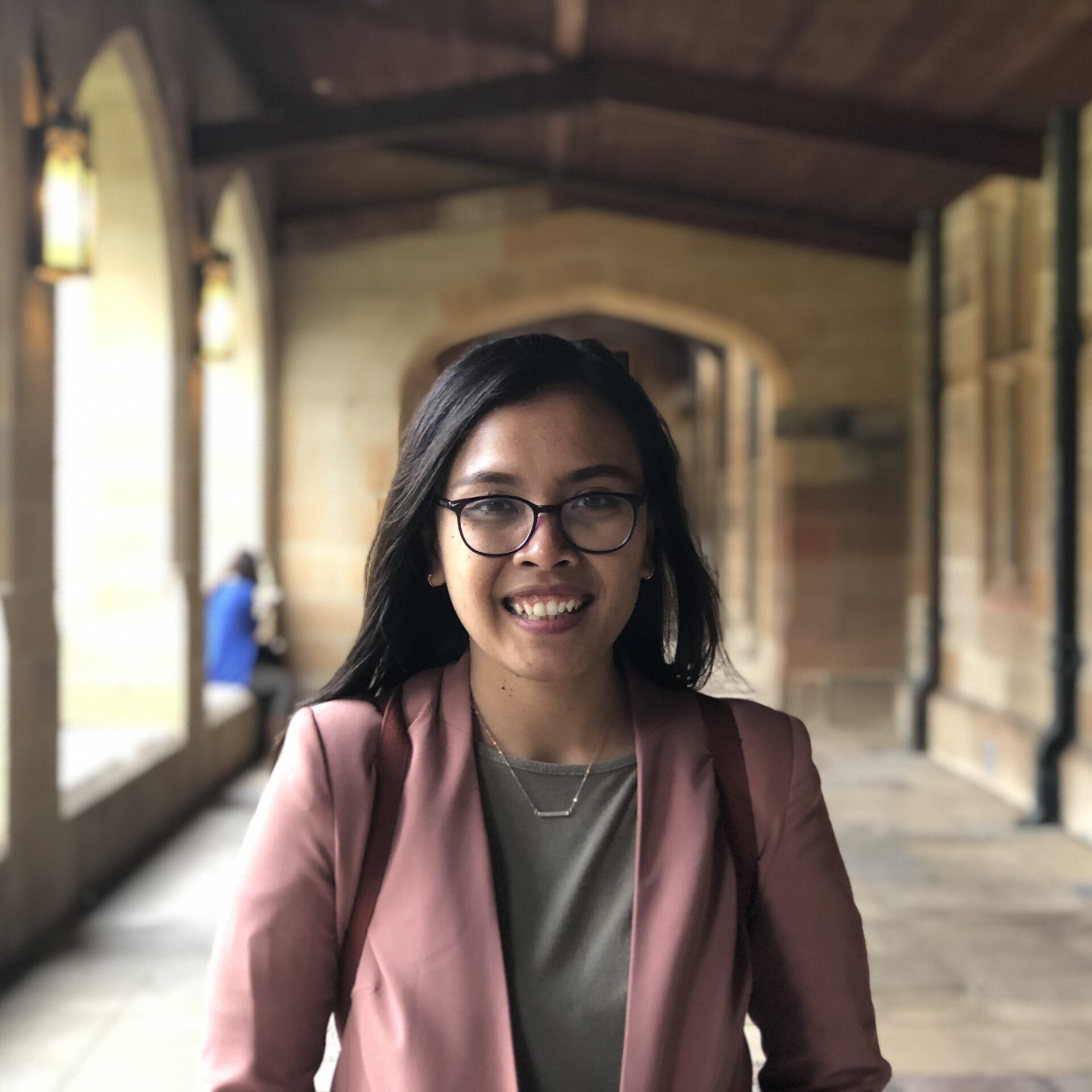
Rafael Pereira, Brazil
Institution: University College Cork
Research Project: Enhancing People-Centred Early Warning Systems (PCEWS) in Traditional Coastal Communities of Brazil: an intersectional approach to inclusive risk communication strategies
About the Researcher: Rafae is a PhD student (IRC Scholar) in the Department of Geography at University College Cork, Ireland. He has experience in co-creation and community-based approaches, particularly in citizen science, disaster risk reduction and climate adaptation projects. He graduated from the University of Sao Paulo, Brazil with a BSc (Hons) in Environmental Management. Previously, Rafae worked as a researcher at the National Centre for Monitoring and Early Warning of Natural Disasters (CEMADEN) and was a member of the CoAdapta Litoral project, which promotes collaborative research with traditional and local communities from coastal areas of Brazil on climate resilience and adaptation strategies.
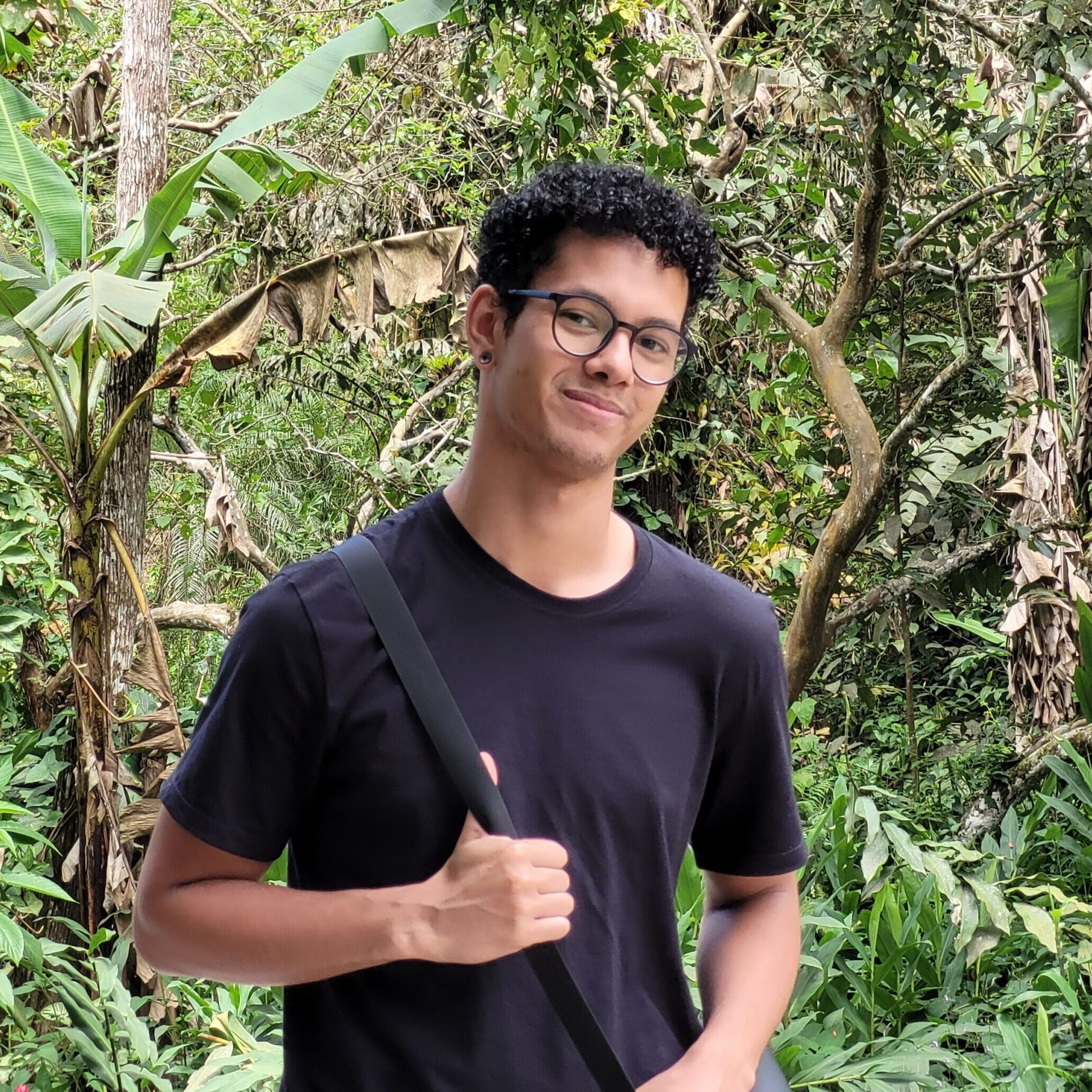
Rhomir Yanquiling, Philippines
Institution: University of Melbourne
Research Project: Enhancing Accessibility and Actionability of Early Warning Messages among Last Mile Mountain and Coastal Communities in the Philippines
About the Researcher: Rhomir Yanquiling is a policy researcher working on the interface of environmental justice, climate change, water governance and sustainable development. He has been a Climate Adaptation Finance Fellow (Frankfurt School of Finance and Management/Thailand Development Research Institute/IDRC) and a Keizo-Obuchi Research Fellow (UNESCO-Japan). He was also chosen to participate in the 2019 SWITCH-ASIA Circular Economy Leadership program jointly administered by the UNEP and Tsinghua University (Beijing, China) and the 2019 Accountable Resource Governance in Asia-Pacific by the Natural Resource Governance Institute (NGRI) and Gadja Mada University (Jakarta, Indonesia).
Sipho Felix Mamba, Eswatini
Institution: University of Eswatini
Research Project: Utilization of early warning information and the factors influencing actionability of early warning messages among last mile communities in drought-prone areas in Eswatini
About the Researcher: Dr Mamba is a senior lecture and researcher in the University of Eswatini (Swaziland), Department of Geography, Environmental Science and Planning. Mamba is a Human Geographer with a PhD in Geography and Environmental Science (specializing on Climate change and food security). He is vice president of the Young African Statisticians Association (YASA) and a member of the Eswatini Vulnerability Assessment Committee (ESVAC) core team and Eswatini Focused-Based Financing (FbF) technical team. He is also a member of the Food Security Network (FSN).
Dr Mamba has skills and expertise in land and water resources management, socio-cultural and developmental research, food security, urban livelihoods, climate change, urban and human geography. He is an editor and reviewer of different academic journals and has carried out research on climate change and food security issues, agriculture, poverty and urban livelihoods as well as environmental related issues.
Tara Ballav Adhikari, Nepal
Institution: Aarhus University
Research Project: Understanding Barriers to Healthcare Access for people living with NCDs during Disasters in Nepal
About the Researcher: Dr. Tara Ballav Adhikari is a public health professional focusing on global health and non-communicable diseases (NCDs) research. He holds PhD in Public Health from Aarhus University, Denmark, and has contributed to understanding the burden of NCDs in Nepal and designing interventions for their prevention and management. Adhikari's research has explored various topics related to NCDs, spanning from prevalence studies to interventions. His work encompasses chronic respiratory diseases, hypertension, diabetes, cardiovascular diseases, and mental health. With over a decade of professional experience, he's passionate about evidence-informed public health practices. His focus includes developing interventions and using new media/technology to enhance health and well-being in resource-limited settings.
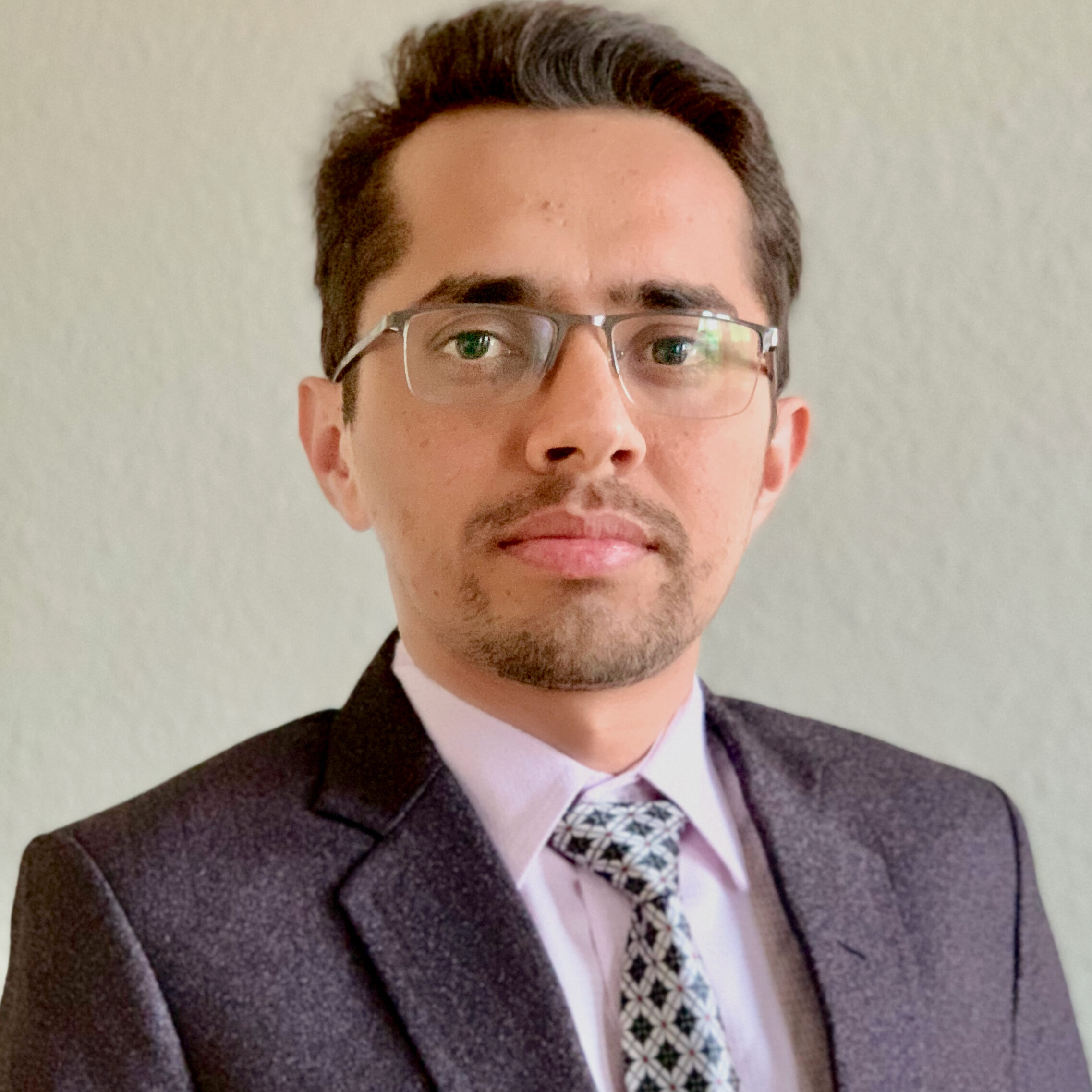
Topic 2: Strategies to improve accessibility and actionability of early warning messages among last mile communities
Abdul Rohman, Vietnam
Institution: RMIT University Vietnam
Research Project: Toward a more inclusive EWEA messaging for the Deaf and Hard of Hearing (DHH) in Vietnam
About the Researcher: Abdul Rohman is a senior lecturer in the School of Communication and Design at RMIT University Vietnam. He is the author of ‘Conflict, Continuity, and Change in Social Movements in Southeast Asia’ (Routledge, 2022). His research interest revolves around the impact of digital and social media platforms on social change in Indonesia and Vietnam. His latest projects intersect social media and disability movements in the two countries, and civil society groups’ resilience during COVID-19 pandemic in Southeast Asia.
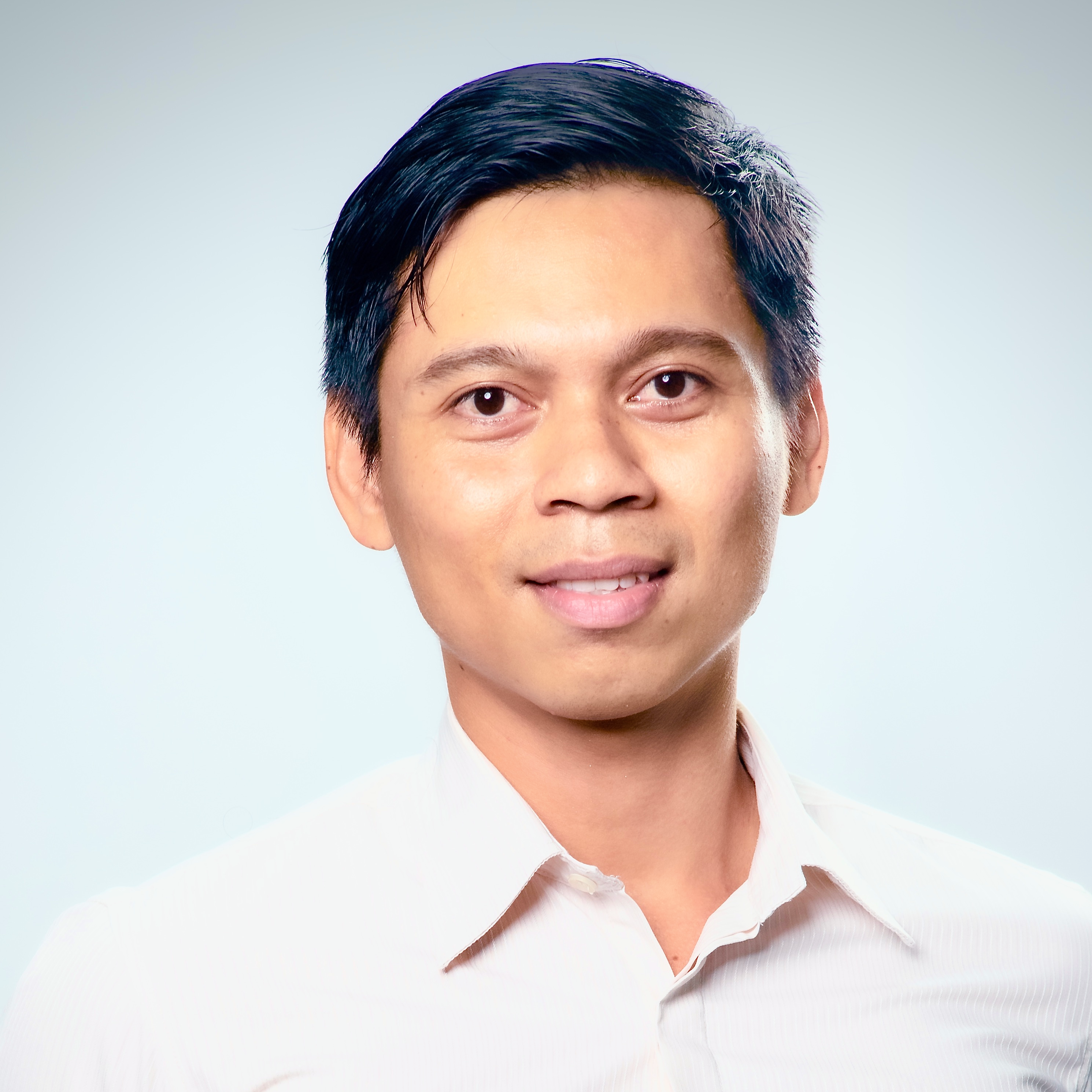
Deolfa Jose Moises, Namibia
Institution: University of the Free State
Research Project: Towards Participatory Flood Early Warning for Early Action: A Situational Analysis of the Zambezi and Kavango Regions - Namibia
Deolfa Jose Moises, a PhD candidate at the University of the Free State, specializes in Disaster Management and possesses a diverse academic background in Integrated Water Resource Management, Microbiology, and Biochemistry. Her extensive research experience provides a deep understanding of the socio-economic, environmental, and political aspects of African nations in the context of sustainable development and global standards.
Deolfa excels at synthesizing scientifically sound reports, offering technical expertise, and devising system dynamic approaches to address developmental challenges. Deolfa is well-equipped to support the strategic review and development of inclusive, multi-faceted and sustainable development program activities from design through implementation.

Ita Bonner, Albania
Institution: Agricultural University of Tirana (AUT)
Research Project: Bridging the gap – Investigating barriers and enhancing resilience in last mile communities through inclusive early warning strategies in rural Lezha, Albania
About the Researcher: Ita Bonner, PhD (c), is an environmental security researcher with more than 10 years of experience. She is currently pursuing her research on the impacts of climate change within the Albanian defense sector and civil protection system.
Ita's scholarly achievements extend to her role as an Adjunct Professor at the AUT in Albania, where she also continues investigating critical issues related to desertification and food insecurity in the Mediterranean region. During her career, Ita has worked as an expert in national and international projects, on multiple assignments, including the evaluation of various public programs, the assessment of governmental and international interventions in Albania, co-authored DRR strategy at the municipal level, etc. In addition, Ita has authored various research articles and contributed to high-impact assessments and research reports.

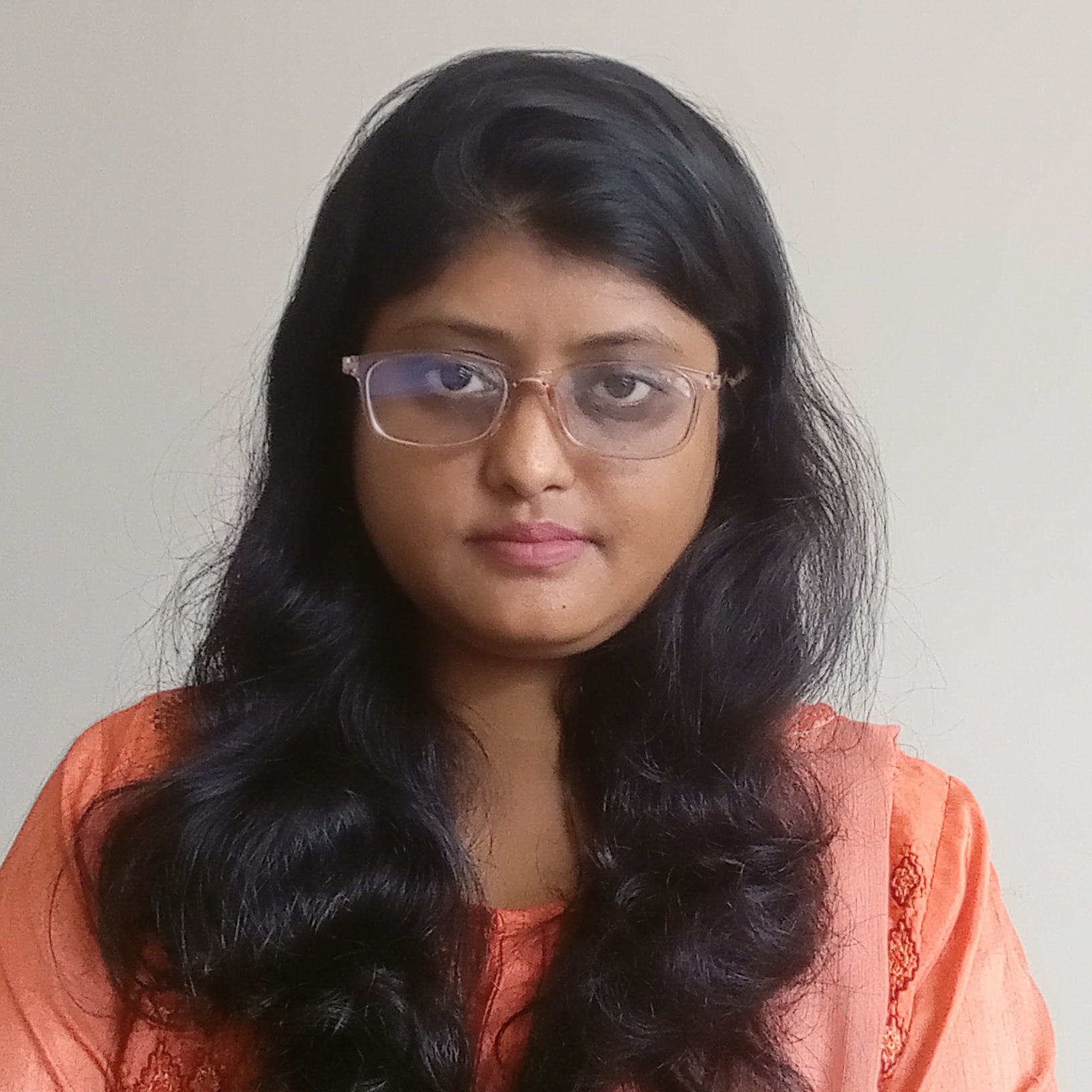
Shampa, Bangladesh
Institution: Bangladesh University of Engineering and Technology
Research Project: Community-led EAs on rapid-onset FF events in North-Eastern Bangladesh
About the Researcher: Shampa is an Assistant Professor at Bangladesh University of Engineering and Technology's Institute of Water and Flood Management (IWFM). Her research interests include computational fluid dynamics, sediment transport, and remote sensing. Her most recent focus has been on developing impact-based Early Warning Systems to facilitate Early action.
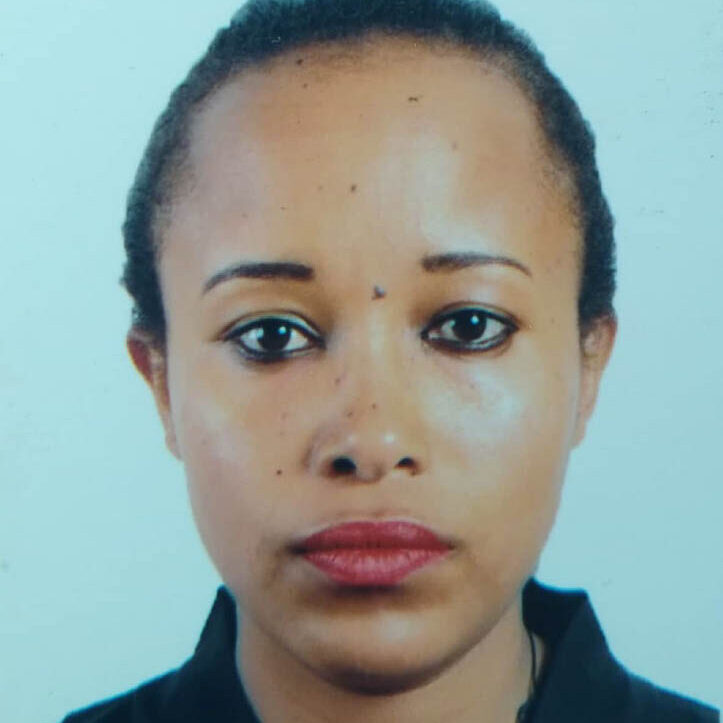
Tirsit Sahledengle Beyene, Ethiopia
Institution: Addis Ababa University
Research Project: Community Developed Solutions to Early Warning Early Action in Ethiopia: The Case of Last-Mile Communities in South Omo
About the Researcher: Tirsit Sahledengle is an Assistant Professor of Social Anthropology at Addis Ababa University in Ethiopia. She obtained her PhD in Dynamics of Interaction between Refugees and Host Communities in Western Ethiopia along the Ethio-Sudanese border. Tirsit's research interests primarily revolve around gender, forced displacements, peace and conflict dynamics, as well as social cohesion.
Throughout her career, Tirsit has actively participated in various national and international research projects, assuming roles such as coordinator, lead researcher, and team member. Her contributions have been instrumental in advancing knowledge and understanding in the fields of gender, conflict, and refugee studies.
For further inquiries or collaboration opportunities, Tirsit can be reached at: tirsit.sahledengil@aau.edu.et.
Topic 3: Resource accessibility in facilitating early action among last mile communities
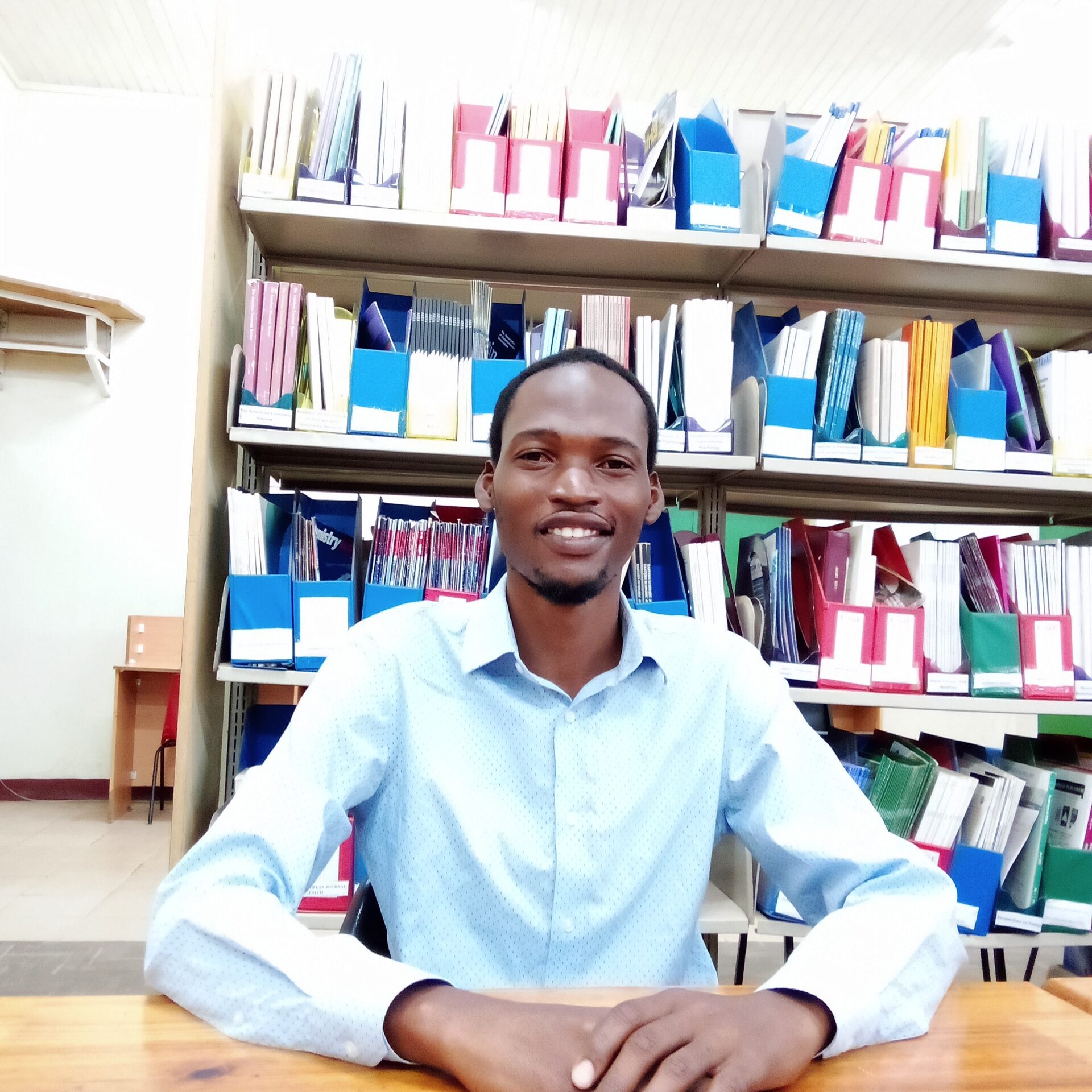
Charles Chunga, Malawi
Institution: Mzuzu University
Research Project: Assessment of Early Action for Flood Protection in Makhuwira: Understanding Last-Mile Community Response to Flood Warning in Chikwawa District
About the Researcher: Charles Chunga is a Geo Informatics (GIS) expert, specializing in urban planning, environmental conservation and disaster preparedness. Passionate researcher, skilled in geospatial analysis, dedicated to helping marginalized communities through effective disaster management
© Global Disaster Preparedness Center 2023