Restoring Family Links

Overview
The impact on individuals, families, and communities when loved ones are separated or missing can be devastating. People will often continue searching until they know the fate and whereabouts of missing family members.
Maintaining contact with relatives, families, or friends, when migrants wish to do so, can help ensure they are accounted for, and avoid them going missing. But maintaining contact can be challenging. They may be constantly on the move or, may lack information about how to stay in touch. They also may be reluctant to seek assistance for fear of being reported to immigration officials or other law-enforcement authorities in countries of transit or destination.
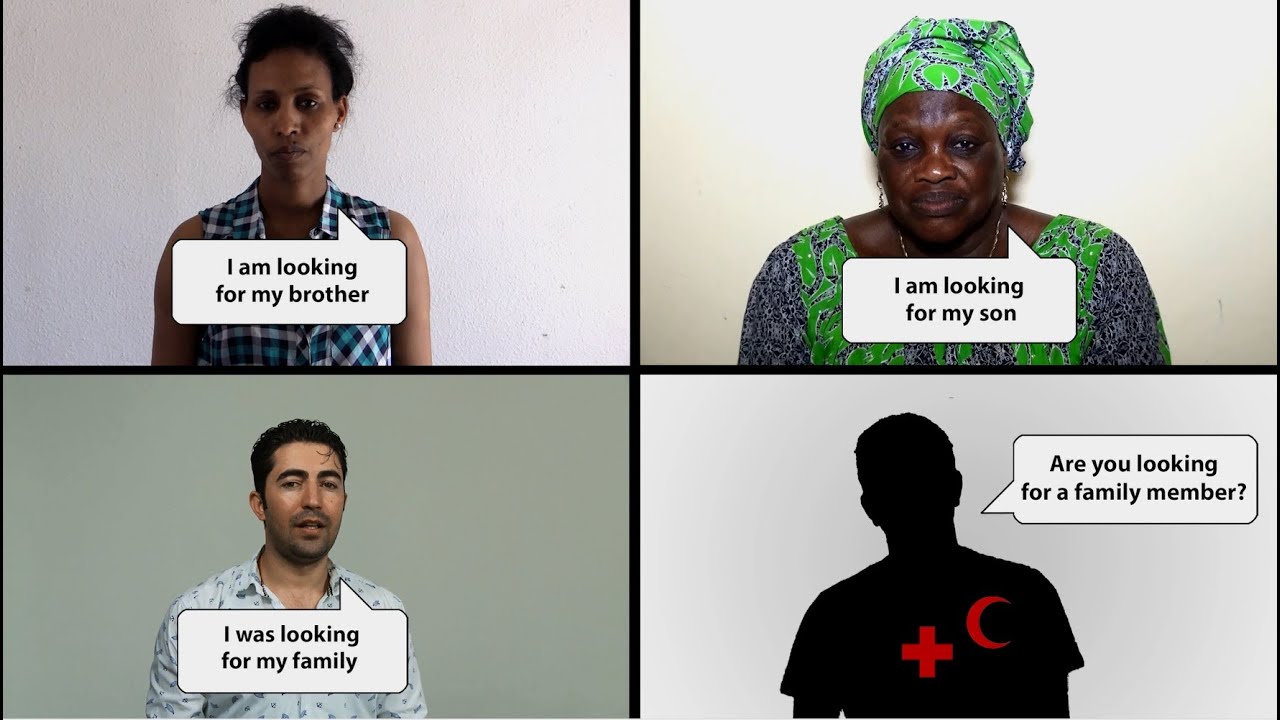
Migrants and families can lose touch for a variety of reasons:
A recent RFL assessment conducted in Europe found that:
Thinking about RFL services in relation to HSPs
HSPs are ideal locations for RFL services or referrals. They can be an entry point for RFL and facilitate far more contact with migrants than might otherwise be the case.
These activities are the responsibility of RFL experts and practitioners, be it at ICRC or at the National Society level.
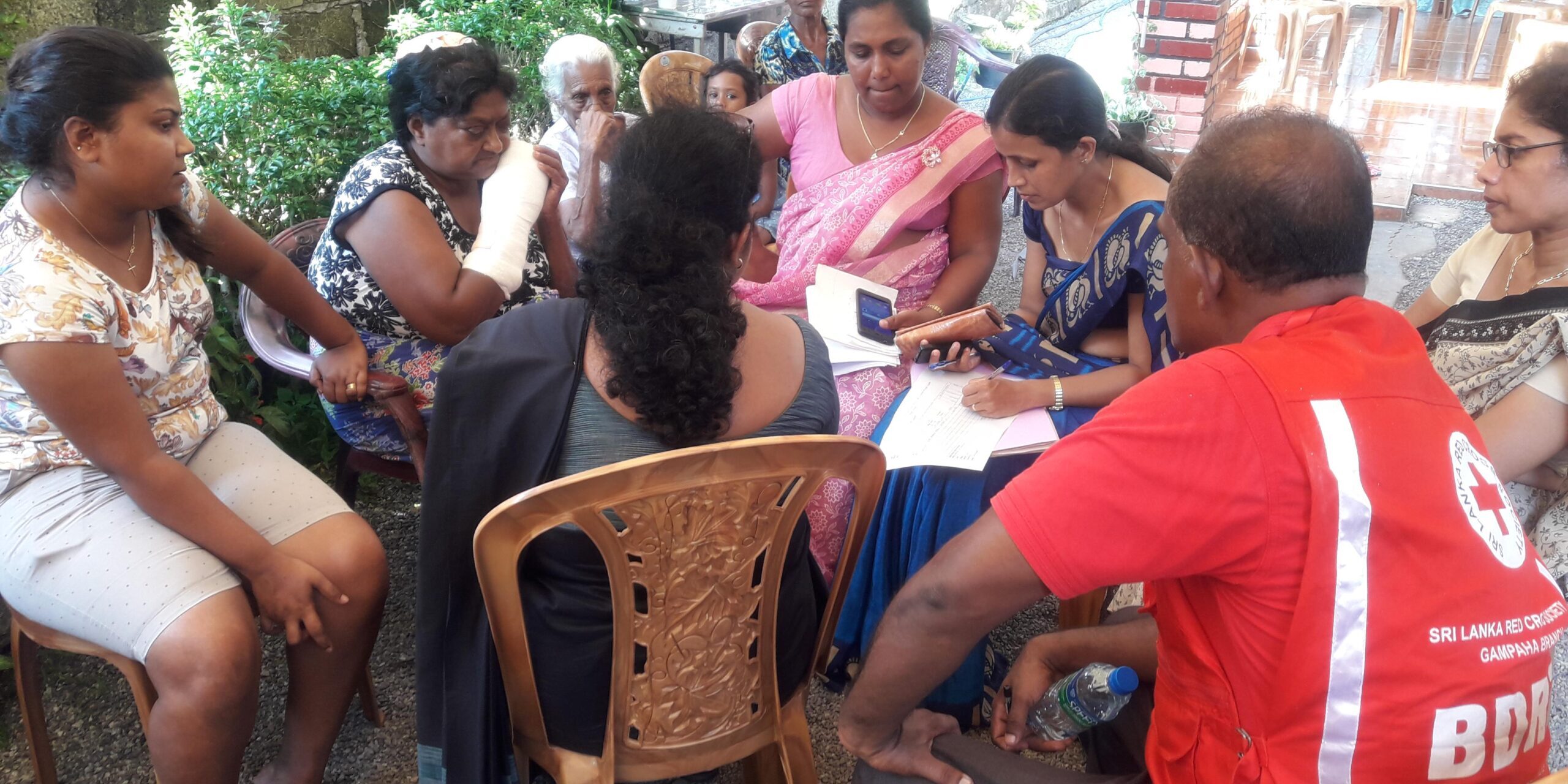
RFL practitioner activities:
RisksOpportunities
It is critical to use HSPs as a way to sensitise migrants about this important service provided by the Movement. Even if they don’t need it themselves, they may meet up with someone who does, and it can change his/her life. It is important for them to know that this service is available to them wherever they are, and how they can find it.
It is vital to be alive to the risks associated with any activities involving people’s identities, particularly if they are travelling without documents or making use of smugglers.
Ensure you are following the principle of data minimisation – collecting only the data you absolutely need – obtain informed consent for the collection, usage and storing of data, and safeguard data to ensure it cannot be either stolen or used against the interest of the migrant.
Delivering effective and efficient Restoring Family Links (RFL) services requires the collection and processing of large amounts of personal data.
Before services are offered to migrants, they must be given information on RFL, including the tracing process and the use of their data.
It is also important to respect the wishes of migrants and ensure their data is processed lawfully, i.e. pursuant to a lawful basis. Consent is the most well-known lawful basis for data processing.
However, it is impossible to obtain informed and freely-given consent from people being sought by family members, and very difficult to obtain it from vulnerable enquirers.
Alternative lawful bases to consent, such as public interest or vital interest, can also be relied upon when processing data for RFL purposes.
A Restoring Family Links Code of Conduct on Data Protection was adopted in 2015 to guarantee the right to privacy and the protection of personal data of individuals using these services. Data Protection principles are also contained in a Resolution approved by the States during the 33rd IC and in the RFL Strategy for the Movement adopted in 2019.
Key Resources