
HSP Case Studies
‘Humanitarian Service Points’ (HSPs) are a flagship IFRC approach to providing assistance and protection to migrants and displaced persons both through longer term programmes and in crises. HSPs have been developed by the IFRC Network to overcome the barriers and lack of access to essential services for many migrants and displaced persons.
This global review is a collection of case studies that highlight the variety of HSPs in action around the world, alongside the reflections, insights and lessons they have generated. While they have many things in common, HSPs are strikingly different. The case studies illustrate HSPs providing assistance and protection to asylum seekers, refugees, undocumented migrants, migrants and displaced persons in transit, internally displaced persons and returnees at various stages of their journeys. Significant variety is also seen in the design of HSPs, reflecting the differing needs they serve, from fixed HSPs in key locations (including at ports and borders) to mobile HSPs traversing long distances by land or sea.
While the exact services that HSPs provide differ, core to all of them is the importance placed on maintaining dignity.

Explore All Case Studies
Latin America and Caribbean
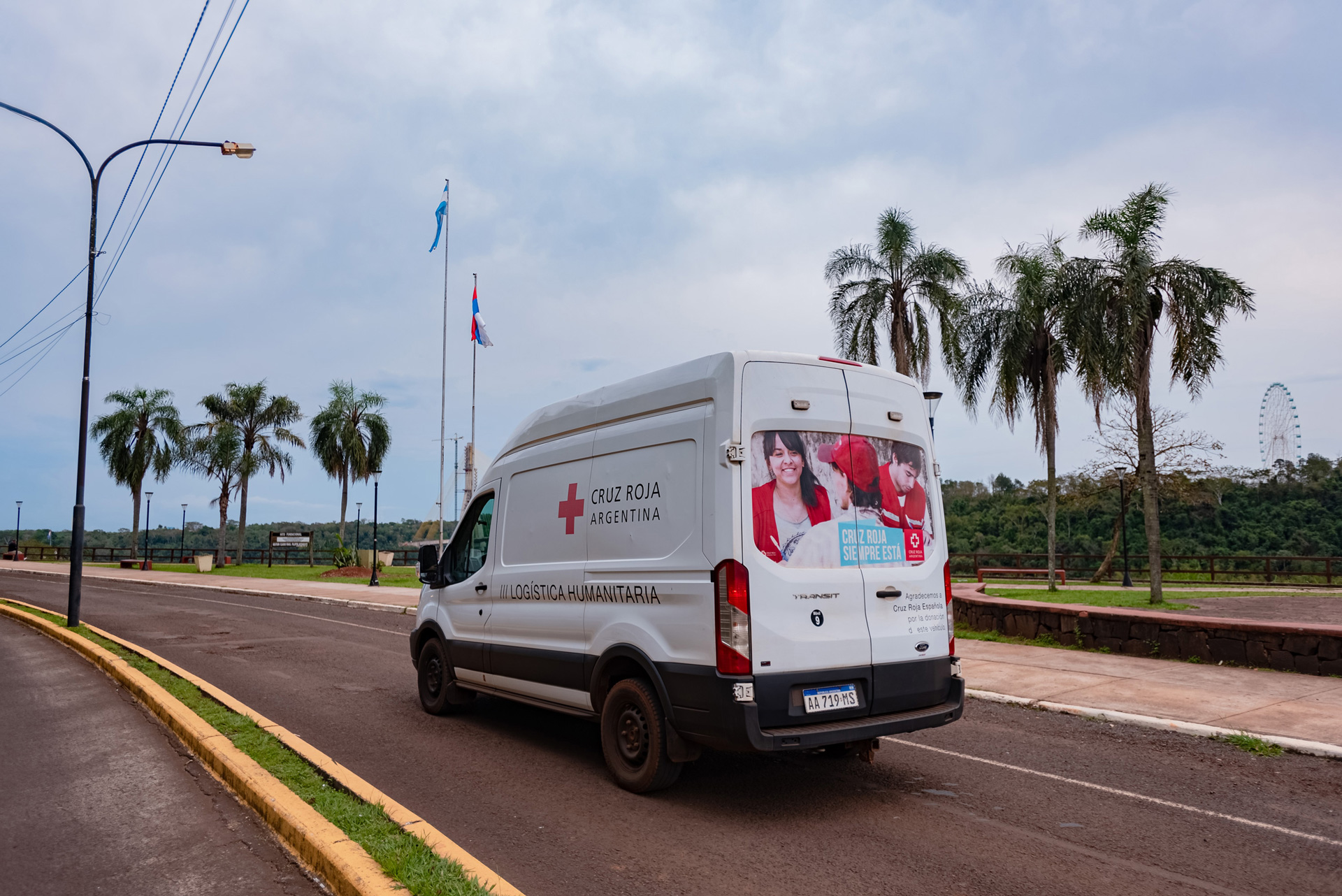
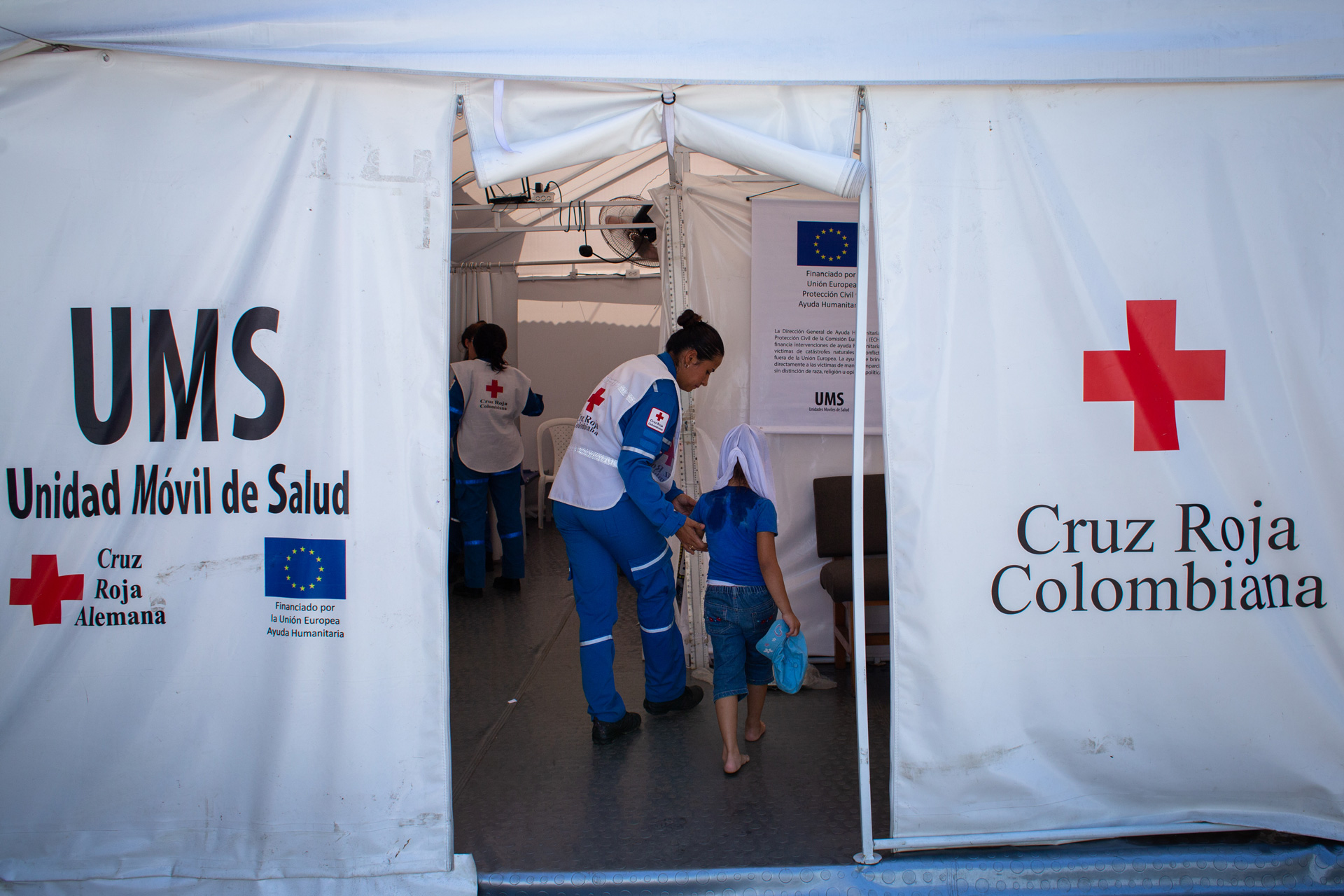
Middle East and North Africa
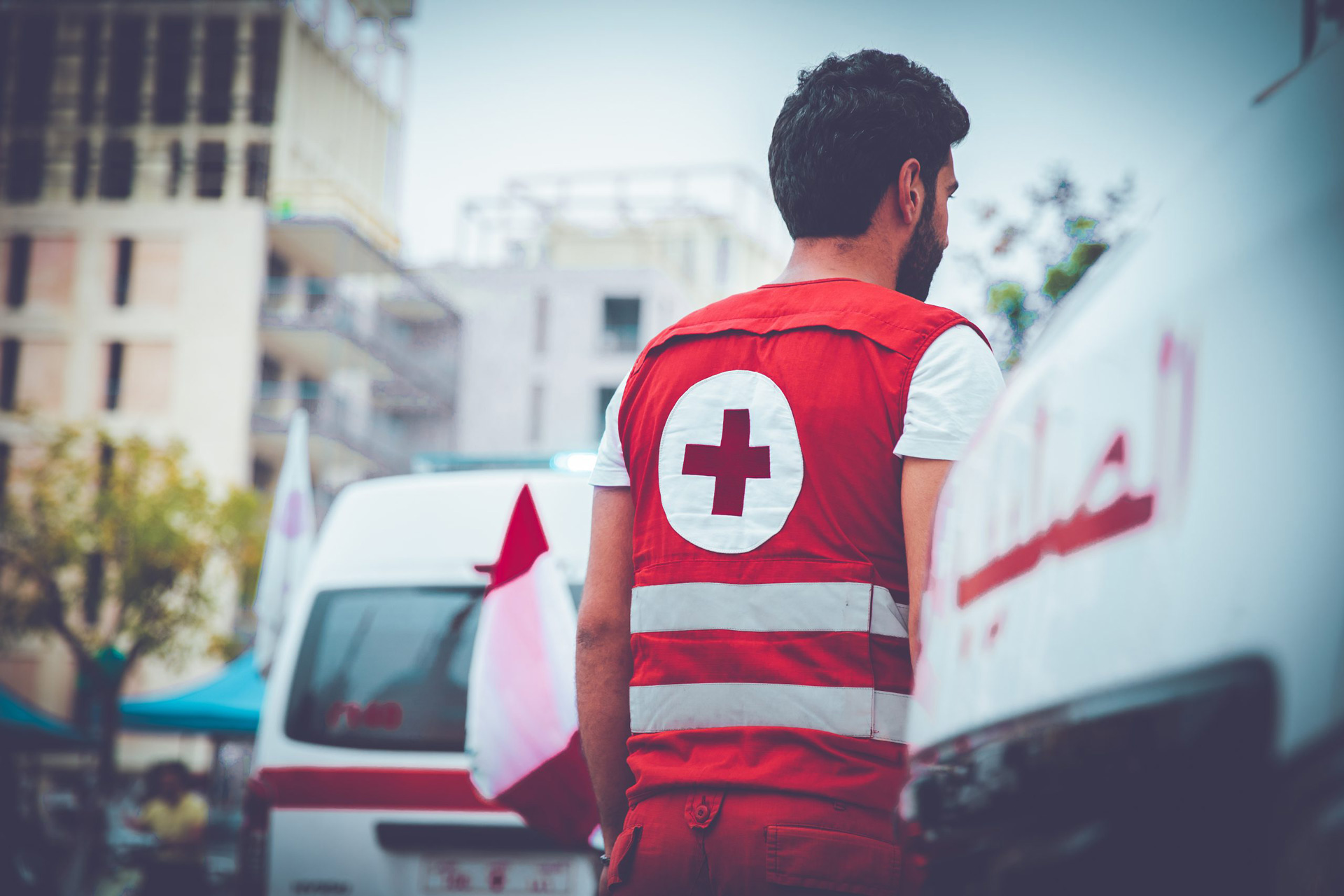
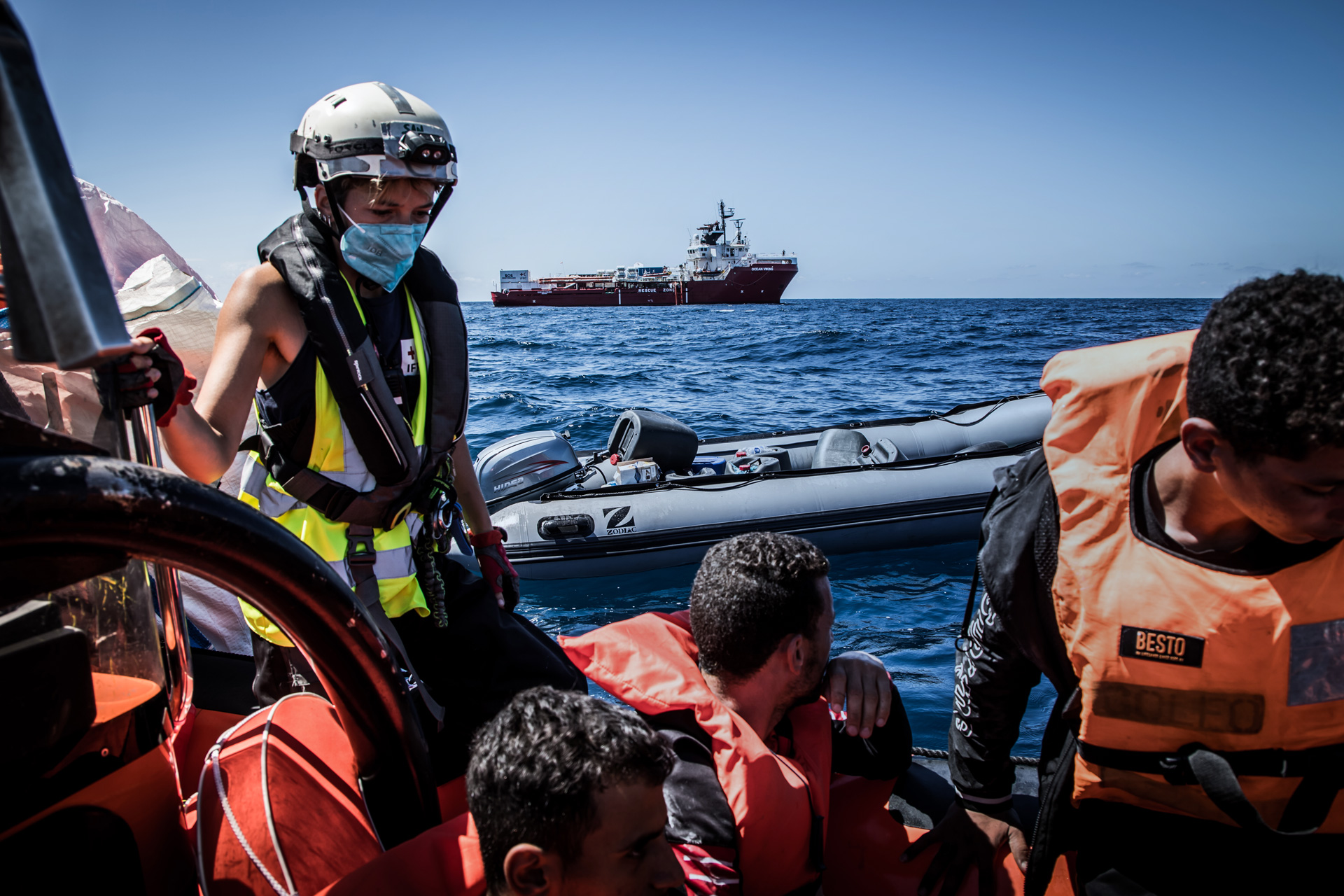
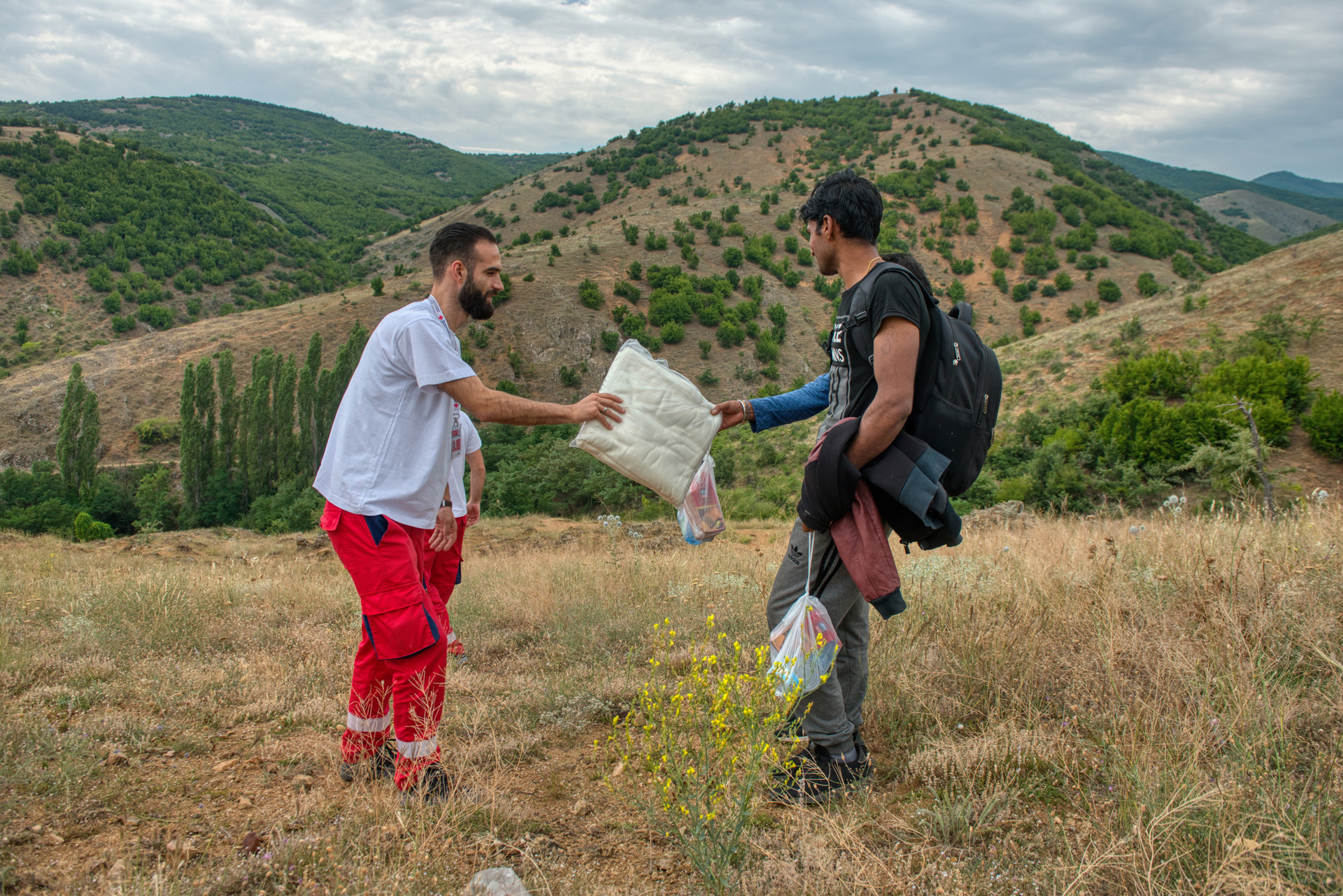
Europe
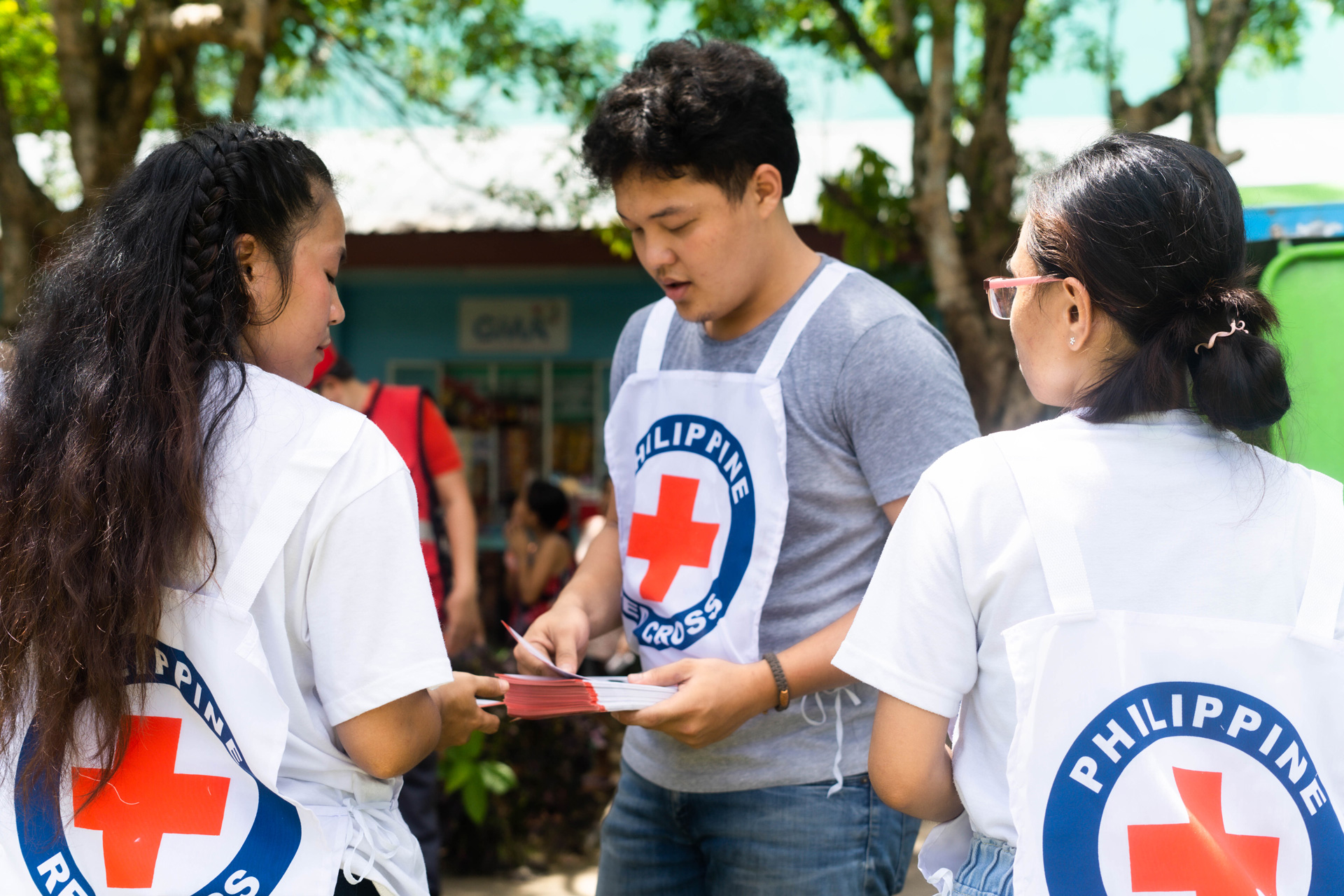
Asia Pacific
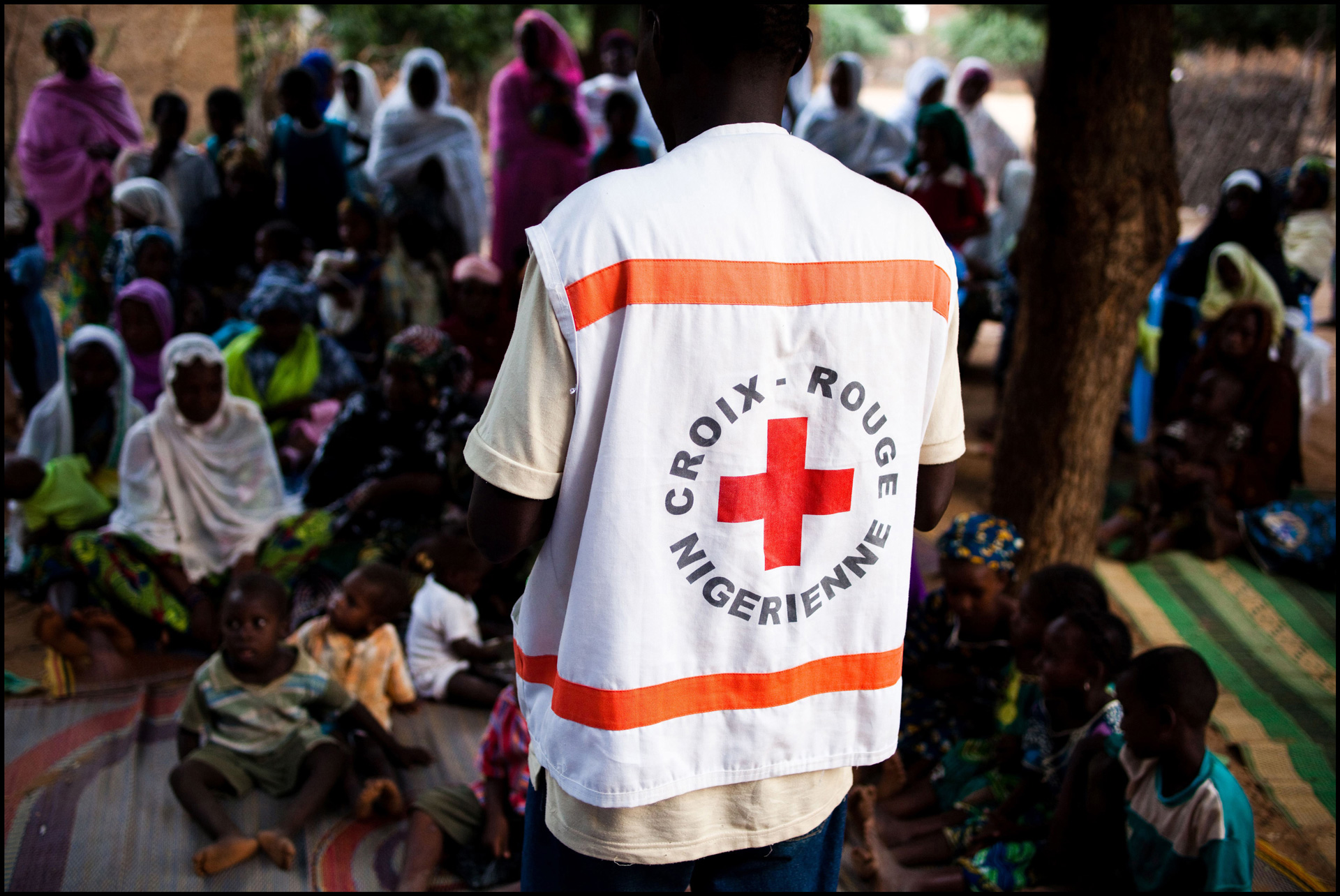
Africa
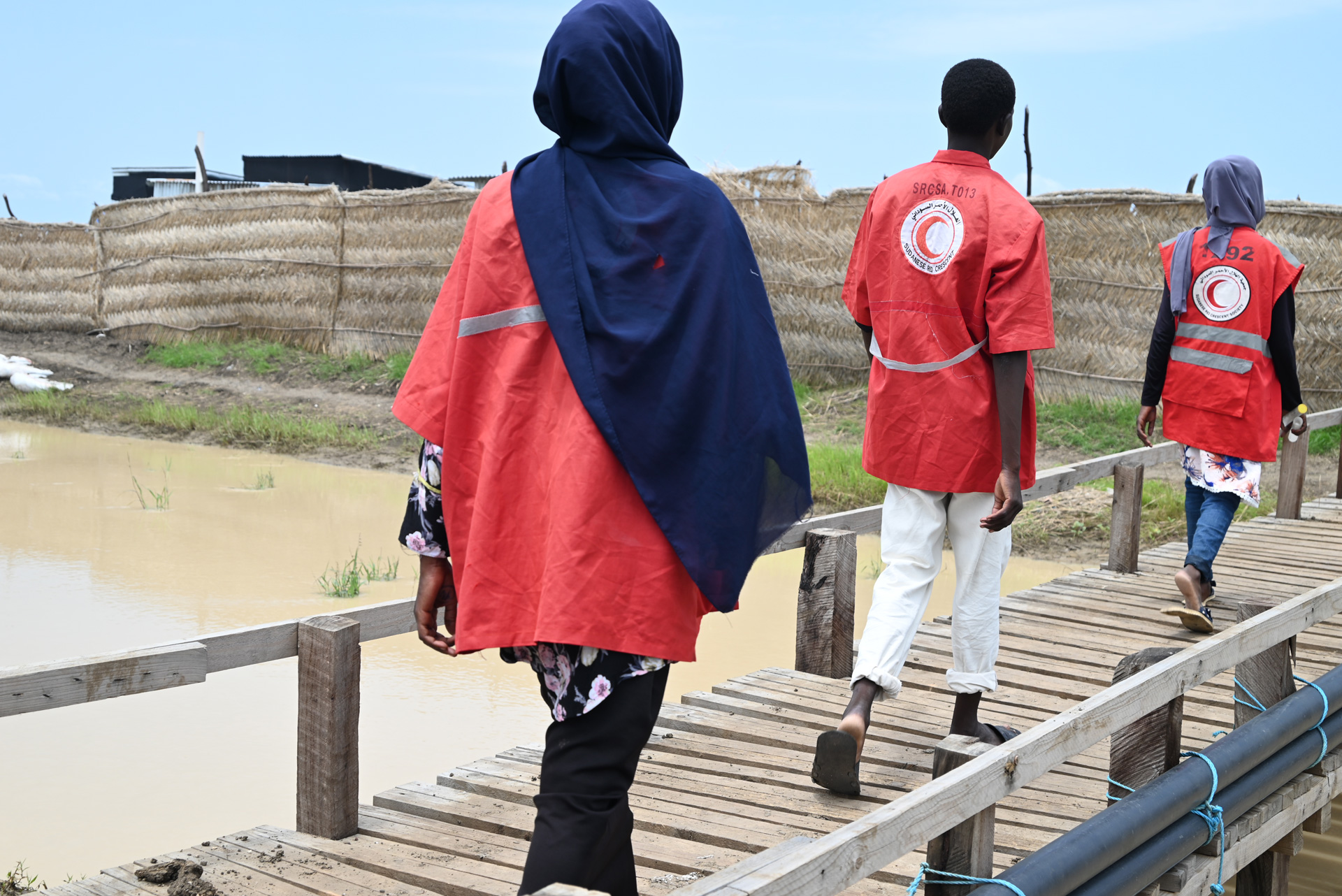
Case Studies: humanitarian diplomacy in migration contexts
The RCRC Movement Migration Strategy (2024-30) outlines a vision in which: ‘All migrants are safe and treated with dignity, have their rights respected and are able to thrive in inclusive communities and societies and participate meaningfully in the decisions that affect their lives.’ This vision necessarily involves engagement with states, authorities and public services, where primary responsibility for protecting and assisting migrant is situated, as well as other actors who may provide services in humanitarian assistance, resilience, protection and inclusion. This is why humanitarian diplomacy is a key component of the Movement Migration Strategy, supporting National Societies to influence key stakeholders in their national contexts to meet the needs and rights of vulnerable migrants.
These case studies explore a range of ways in which National Societies have used HD to improve humanitarian outcomes and conditions for migrants in their countries, across six contexts in Europe, Asia and Africa. The examples include a variety of strategies – from confidential bilateral dialogue with authorities to public advocacy, working alone or in collaboration with others – from National Societies with differing levels of HD capacity, engaging with interlocuters at multiple levels, and drawing on various tools and sources of evidence. In some of the case studies, the intended outcomes were achieved, while in others, complex socio-political dynamics and other barriers posed challenges; nevertheless, it was recognized that the process of attempting to influence change itself is valuable, and can lay the groundwork for future HD, or have other related positive outcomes.
Visit this page to view the case studies. As these materials are restricted, please contact Louiza Chekhar, Humanitarian Policy Advisor at the British Red Cross, (lchekhar@redcross.org.uk) if you require access or additional information.