
Extreme Heat Risk in Australia: Insights from the PERC

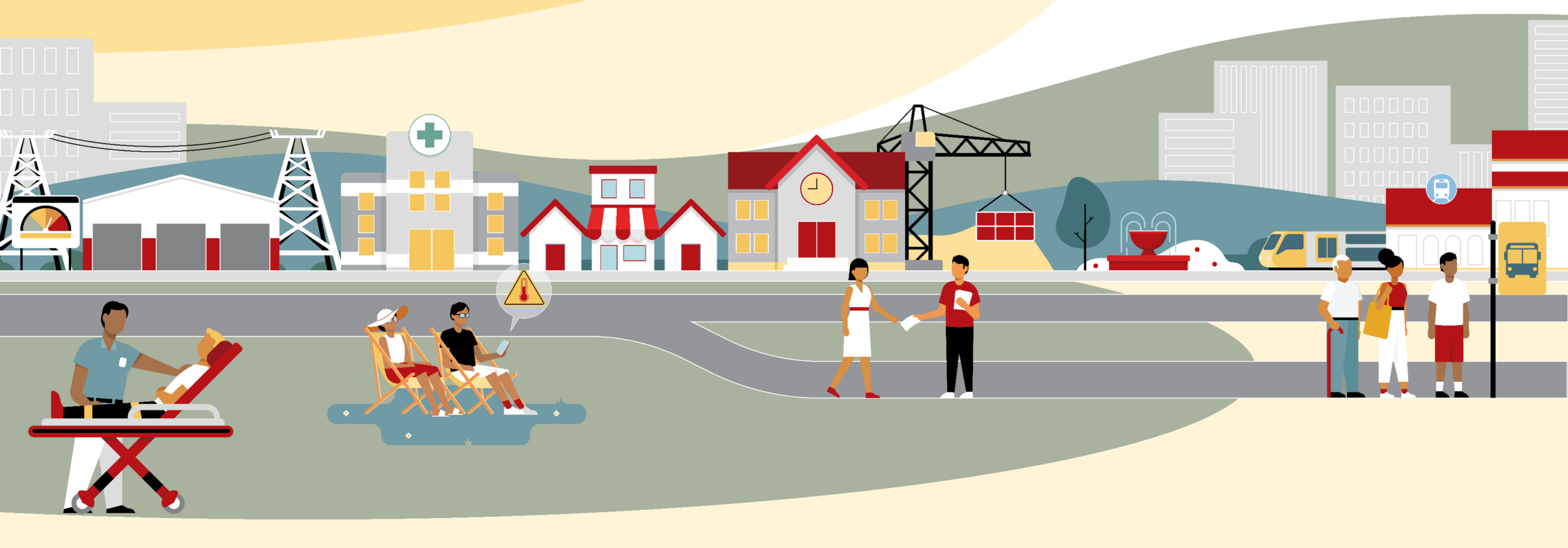
Extreme heat is Australia’s deadliest natural hazard — yet it remains largely invisible, normalised, and under-addressed.
This Post-Event Review Capability (PERC) on extreme heat presents a comprehensive, systems-based analysis of how heat risk is shaped, experienced, and managed in Australia. Rather than treating extreme heat as an individual coping challenge, the PERC series examines how risk emerges through the interaction of hazard, exposure, vulnerability and capacity — and how impacts cascade across health, infrastructure, livelihoods, ecosystems and essential services.
Delivered collaboratively by Australian Red Cross, ISET-International, Monash University, the International Federation of Red Cross and Red Crescent Societies, and Zurich Australia, with support from Zurich Insurance Group, this PERC applies a globally recognised disaster review methodology to one of Australia’s most pressing and complex risks.
Key takeaways
A Three-Part Analysis
Together, the three interconnected reports build a layered understanding of extreme heat risk — from framing the risk, to workplace impacts, to lived experience in an urban setting.
Understanding Extreme Heat and Entry Points for Action
- Establishes the conceptual and policy foundations for addressing heat risk in Australia.
- Clarifies key concepts, measurement approaches and thresholds, and identifies practical entry points for action across policy and community levels.
Heat Stress at Work
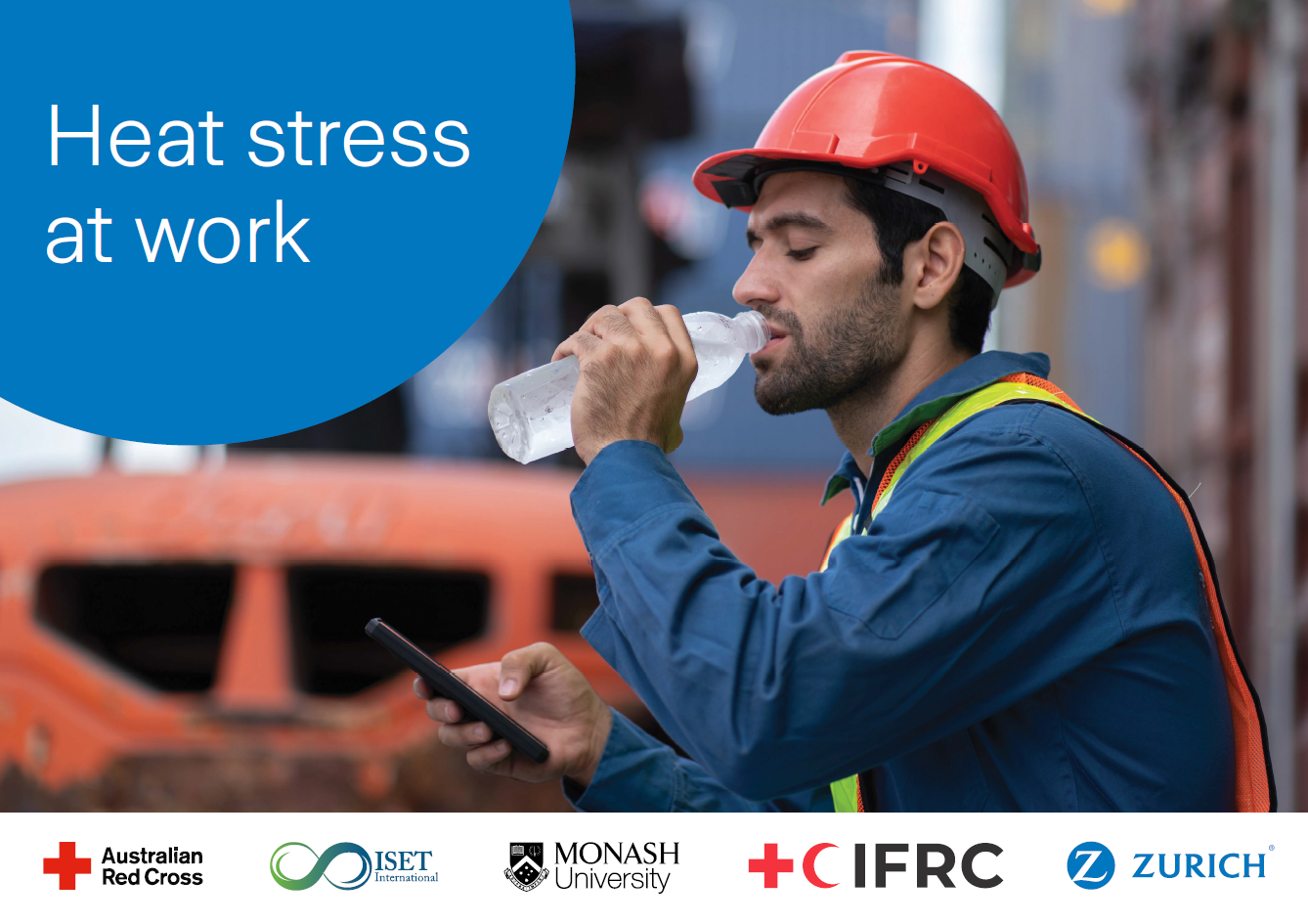
- Examines how extreme heat affects workers across sectors, particularly those in high-exposure or precarious roles.
- Highlights regulatory, economic and workplace factors that influence risk, and identifies opportunities to strengthen worker protection and embed heat risk management within occupational health and safety systems.
Strengthening Resilience to Extreme Heat: An Adelaide Case Study
- Explores how extreme heat manifests in everyday urban life through a systems lens.
- A fictional family narrative brings systemic risks to life, illustrating how compounding pressures unfold during heat events and identifying leverage points for cities seeking to strengthen resilience.
Heat impacts virtually every system that underpins community wellbeing — power, water, housing, transport, healthcare, education and livelihoods. When these systems are strained or fail, risks compound, disproportionately affecting those with the least capacity to adapt.
Despite this, heat is often treated as “business as usual.” This PERC challenges that framing. It demonstrates that extreme heat is not only a climate issue, but a governance, infrastructure, labour, health and urban development issue — requiring coordinated, cross-sector action.
The PERC Adelaide study complements the Urban Climate Resilience Program (UCRP), which brings together global partners to advance climate resilience in cities. Led in Australia by Australian Red Cross and Zurich Australia, UCRP combines community-led action with local government engagement. PERC highlights shared extreme heat experiences, informing locally led solutions and evidence-based strategies that strengthen urban resilience across Australia and beyond.
This PERC was also supported by the Zurich Flood Resilience Alliance. The Alliance is a multi-sectoral partnership, powered by the Z Zurich Foundation, focused on enhancing resilience to climate hazards in both rural and urban communities. By implementing solutions, promoting good practice, influencing policy and facilitating systemic change, we aim to ensure that all communities facing climate hazards are able to thrive. Find out more: www.ZCRAlliance.org