
Sustainable Urban Resilience in Pakistan: Community-Based Natural Solutions for Environmental Transformations

-
Aamir Sohail, Thal University Bhakkar
-
Muhammad Usman Arshad, University of Punjab
-
Shrafat Ali Sair, University of Punjab
-
Izza Fatima, Gomal University
-
Mussarat Hussain, University of Sargodha
Summary:
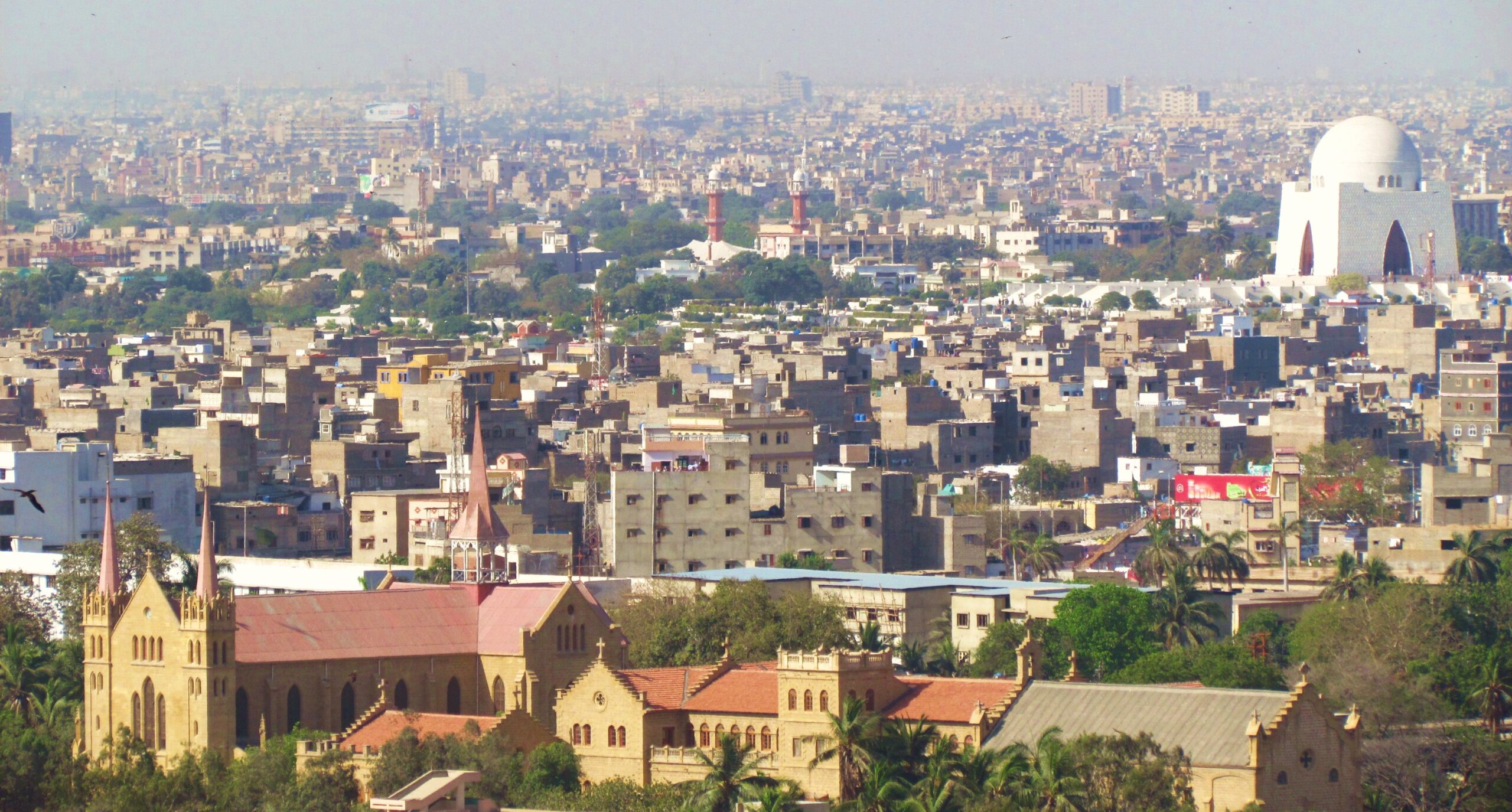
The project addresses the critical ecological and social challenges that Pakistan’s largest urban centers face as they expand rapidly under climate stress. Cities like Karachi and Lahore are struggling with air pollution, rising temperatures, biodiversity loss, and recurrent floods, conditions that undermine health, safety, and livability. Conventional infrastructural-based interventions have often been costly, fragmented and socially marginalizing, providing a short-term reduction. In that regard, the given research shows that community-based nature-based solutions (NBS) offer cost-efficient, sustainable, and socially inclusive options that can help to reduce environmental risks and increase the resilience of communities simultaneously.
Note:
GDPC encourages our partner researchers to submit their finished work to academic journals. To facilitate this process, some reports may not be made available in their entirety until after journal acceptance and publication. However, we make available the Executive Summary of the research and will update this resource page with the full report when it becomes available.

This research was part of a multi-country research initiative led by the Global Disaster Preparedness Center of the American Red Cross. Access all final publications here.