
Empowering Resilience: Community-Driven Technological Innovations for Climate Adaptation Among People With Disabilities in Coastal Urban Makassar

-
Fadhilah Trya Wulandari, Hasanuddin University
Summary:
Makassar, a densely populated coastal city in South Sulawesi, faces dual climate-related challenges: recurrent hydrometeorological hazards, including flooding, extreme heat, drought, and fire, alongside one of the highest disability prevalence rates in Indonesia. According to the 2018 Provincial Basic Health Research (RISKESDAS), more than 50 percent of Makassar’s urban population reported experiencing some form of disability. This intersection of high climate exposure and a disproportionately large population of people with disabilities (PwDs) creates a unique vulnerability profile, making inclusive climate adaptation not only urgent but essential.
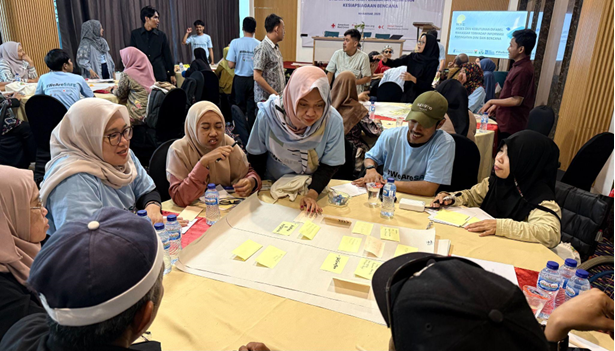
This study employed a Participatory Action Research (PAR) approach, involving 30 participants from eight disability organizations in Makassar, supplemented by interviews with key stakeholders, including government agencies (BNPB, BPBD, Bappelitbangda), the National Commission on Disability (KND), civil society organizations, and technology consultants. The research aimed to identify specific vulnerabilities, co-design community-based technological innovations, and provide policy recommendations for inclusive strategies on climate resilience.
Note:
GDPC encourages our partner researchers to submit their finished work to academic journals. To facilitate this process, some reports may not be made available in their entirety until after journal acceptance and publication. However, we make available the Executive Summary of the research and will update this resource page with the full report when it becomes available.

This research was part of a multi-country research initiative led by the Global Disaster Preparedness Center of the American Red Cross. Access all final publications here.