
Climate Governance and Risk Management: Comparative Institutional Analysis in Three Key Paraguayan Cities

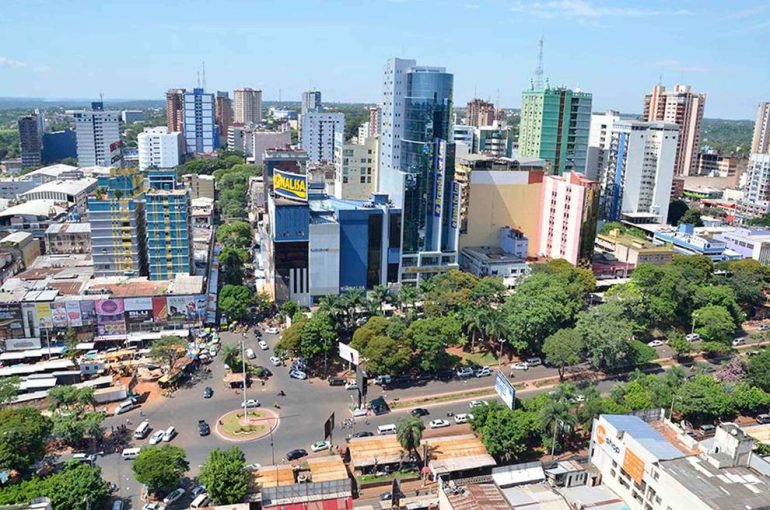
Authors and Collaborators:
-
Angelina Adelfa Trinidad Da Silva, Universidad Nacional de Asunción
-
María Victoria Zavala, Universidad Nacional del Este
-
Jorge Antonio Martin, Municipalidad de Encarnación
Summary:
This research addresses the critical problem of urban climate governance in Paraguay, a country highly vulnerable to climate change where cities concentrate environmental risks, socioeconomic inequalities and institutional limitations that hinder effective responses. The study analyzes how three strategic cities manage climate risks and coordinate institutional responses to extreme events. The general objective was to analyze institutional frameworks and climate governance mechanisms in Asunción, Ciudad del Este, and Encarnación, specifically evaluating their effectiveness in disaster risk management and reduction. The general objective was to analyze institutional frameworks and climate governance mechanisms in Asunción, Ciudad del Este, and Encarnación, specifically evaluating how spatial patterns of climate vulnerability intersect with institutional barriers to governance participation, and assessing whether communities facing greatest physical risks simultaneously experience systematic exclusion from decision-making processes—a climate justice concern with direct implications for equitable disaster risk management and reduction. This objective responds to the empirical gap in understanding how institutional arrangements may reproduce or mitigate environmental injustices in intermediate Latin American cities. The methodology used a mixed sequential approach integrating qualitative analysis. The results obtained identified a fragmented polycentrism model characterized by multiple decision centers with overlapping authorities, reactive coordination, and critical structural deficits in technical capacities. The spatial analysis documented a systematic correlation between areas of greater physical risk and institutional barriers to community participation. Dependence on external financing limits the sustainability of local climate interventions, evidencing the need for formalized preventive protocols and capacity building through strategic university-government partnerships.
Note:
GDPC encourages our partner researchers to submit their finished work to academic journals. To facilitate this process, some reports may not be made available in their entirety until after journal acceptance and publication. However, we make available the Executive Summary of the research and will update this resource page with the full report when it becomes available.

This research was part of a multi-country research initiative led by the Global Disaster Preparedness Center of the American Red Cross. Access all final publications here.