
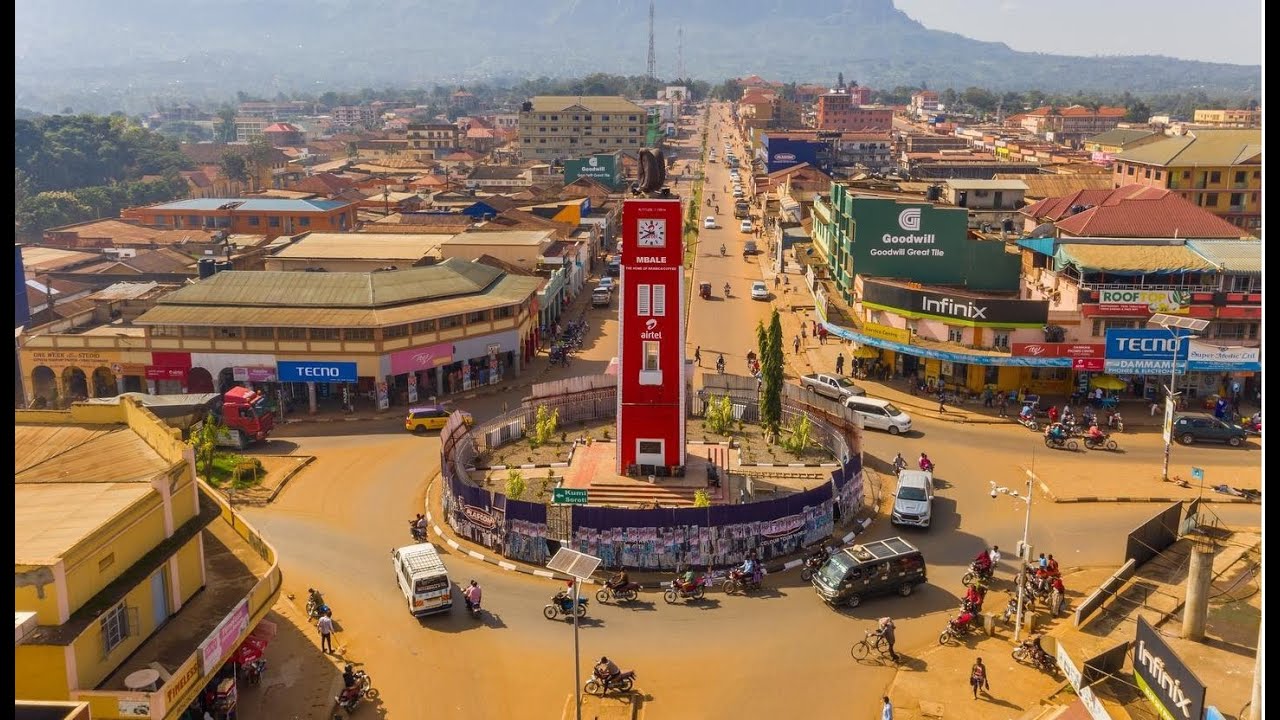
Nature-Based Solutions for Flood Management and Soil Stabilization in Mbale City, Uganda

Authors and Collaborators:
- Arnold Tigaiza, Makerere University
- Namara Shannon, Makerere University
- Shafic Mutegule, Makerere University
- Emmanuel Balinda, Makerere University
- Nagawa Bridget Tamale, Makerere University
- Martin Mujjabi Mukasa, Ministry of Water and Environment
- Godliver Businge, Women Climate Centers International
- Comfort Hajra Mukasa, Makerere University
- John Bosco Isunju, Makerere University
Summary:
Urban flooding is an escalating climate-related challenge in rapidly growing cities like Mbale, Uganda. Nature-Based Solutions (NBS) offer sustainable approaches to flood management and soil stabilization; however, limited data exists on their implementation in this context. This study employed a concurrent triangulation of mixed-methods design involving 480 survey respondents, six focus group discussions, ten key informant interviews, and Photovoice exercises. Quantitative data were analyzed in Stata 17 and qualitative data in Dedoose through thematic analysis. Most respondents were male and within the productive age group. The majority reported high past and anticipated future flood impacts, coupled with high flood-risk perception but limited knowledge of NBS. Tree planting, afforestation, agroforestry, crop rotation, and mulching were the most common NBS practices. Acceptance of NBS was moderate and influenced by demographic, experiential, and perceptual factors. Barriers to implementation included poor waste management, encroachment, high costs, and weak institutional enforcement, whereas facilitators included community awareness, NGO support, recognition of riparian buffers, and demand for expert guidance. Overall, while communities are receptive to NBS, their effectiveness is constrained by socio-economic and governance challenges. Strengthening technical support, regulation, and community education could enhance scaling of sustainable, locally owned NBS interventions in Mbale City.

This research was part of a multi-country research initiative led by the Global Disaster Preparedness Center of the American Red Cross. Access all final publications here.