
Building Stronger Preparedness: Lessons from the Hungarian and Slovak Red Cross
 April 28, 2026
Standardized operating procedures for a timely and coordinated action
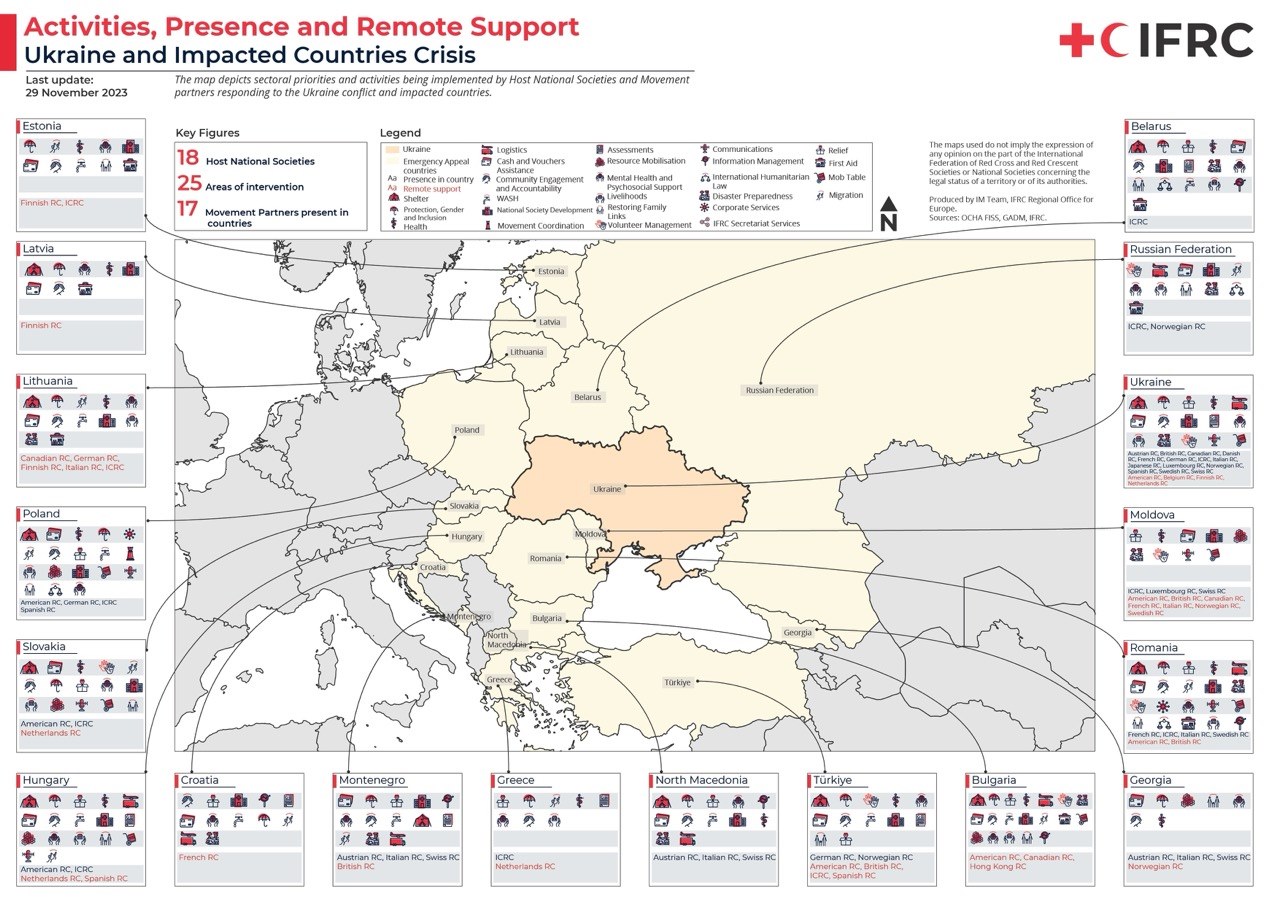
Both the Hungarian Red Cross (HRC) and the Slovak Red Cross (SRC) have significantly advanced their preparedness capacities through the Ukraine and Impacted Countries Investment in Preparedness Initiative, which focused on long-term recovery and preparedness.
As the Ukraine and Impacted Countries Investment in Preparedness Initiative reaches its conclusion, the experiences of the Hungarian Red Cross (HRC) and the Slovak Red Cross (SRC) offer valuable insights into how National Societies can strengthen readiness in the face of unprecedented humanitarian challenges.
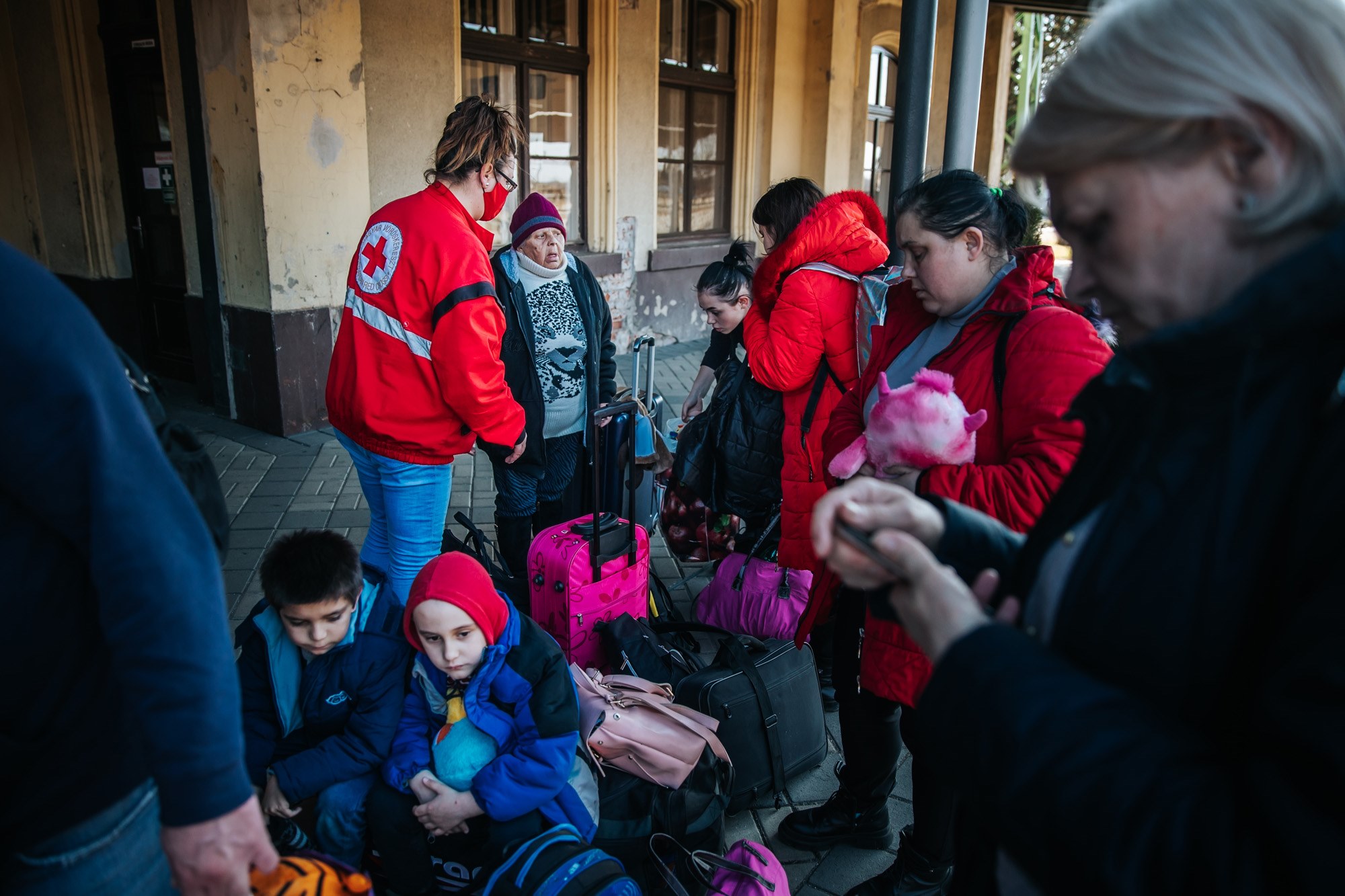
When the conflict in Ukraine escalated, its humanitarian impact rippled far beyond its borders. For both the Hungarian Red Cross (HRC) and the Slovak Red Cross (SRC), the sudden movement of people fleeing the violence was unlike anything they had ever experienced. Overnight, border towns became the front lines of compassion. Volunteers stayed awake for days, staff were pulled into constant coordination, and still, the needs kept on growing.
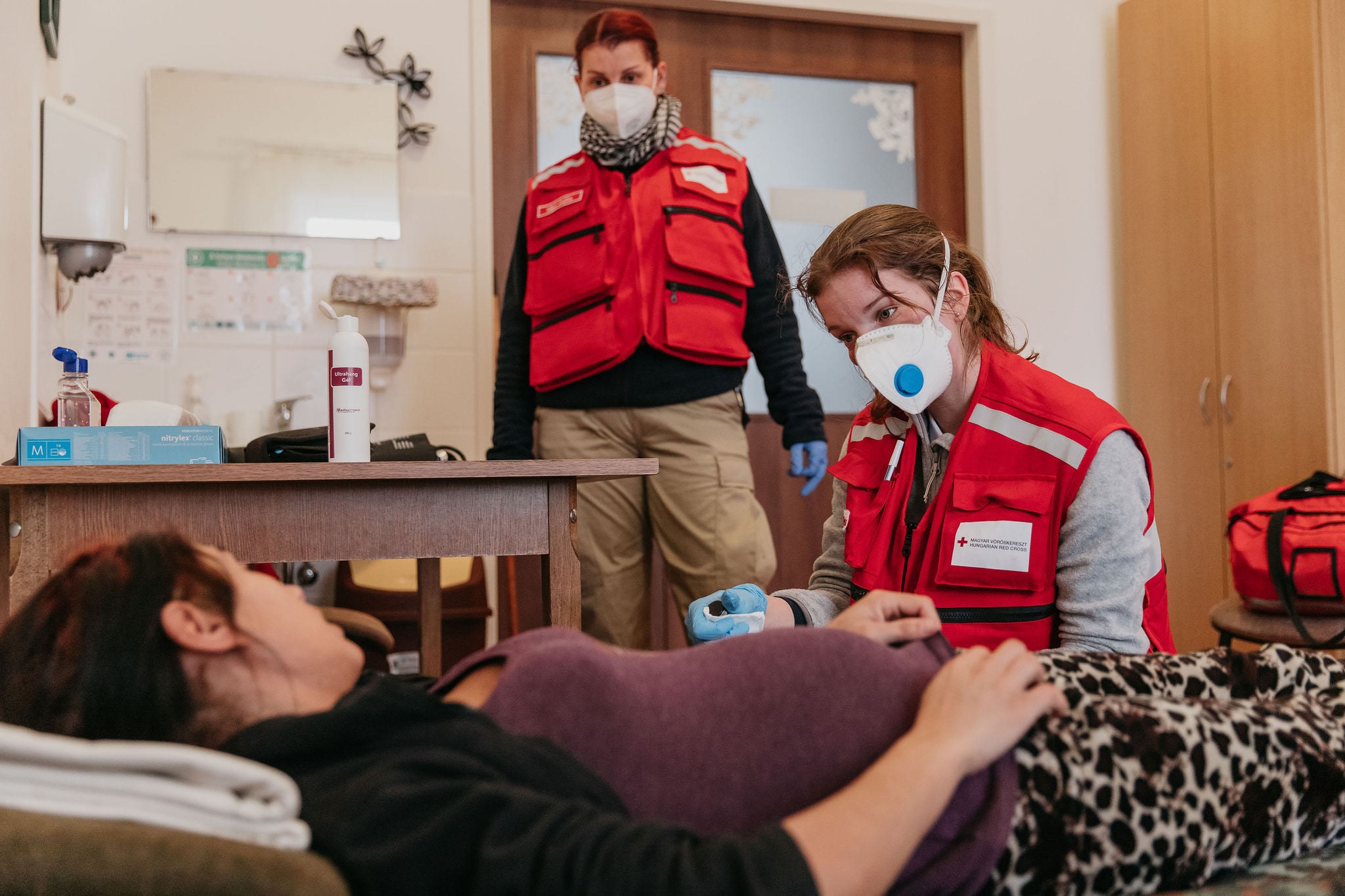
Both countries witnessed an immense influx of refugees following the escalation of the conflict, placing extraordinary pressure on systems, volunteers, and communities. In Hungary alone, more than 1.4 million refugees crossed the borders in the first few months. “No National Society can be prepared for such a flow of traumatized people,” recalled Sáfár Brigitta, Head of Disaster Management at the HRC.
Both National Societies emphasize, that although their countries had experience with floods and other hazards during many years, nothing had prepared them for the scale, speed, and human impact of the refugee crisis.
A Surge of Humanitarian Need: Operating Under Extraordinary Pressure
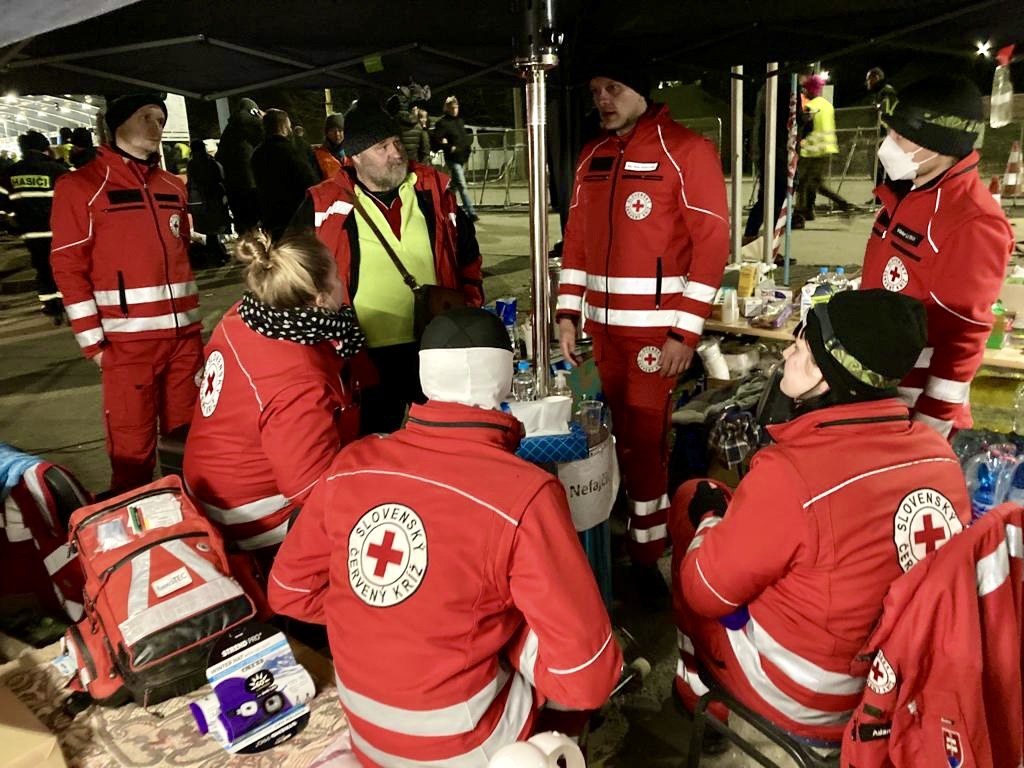
Both the Hungarian and Slovak Red Cross were immediately thrust into large-scale humanitarian responses when the Ukraine conflict began. Hungary deployed teams to border points, providing psychological support, among other services, and later opened a major support center in Budapest. The Slovak Red Cross also provided psychological support, translation services, and coordination at border crossings.
Artsiom Klunin, Information Management Officer at the Slovak Red Cross, describes the conflict as one demanding rapid, large-scale mobilization: “Our branches and HQ colleagues were deployed from the first days… helping refugees at the border and providing first assistance for those in need”.
Hungarian Red Cross: Building a Stronger Preparedness Backbone
Even before the Ukraine crisis, the HRC laid the foundations for a robust disaster management system by creating five Emergency Management Regions, each overseen by regional disaster management coordinators. This structure became essential during the refugee influx and now forms the backbone of the National Society’s preparedness efforts. As Sáfár Brigitta explains, “We built everything onto this system because it works very well.”
A key achievement was the establishment of a dual Emergency Operations Centre (EOC): a fixed headquarters EOC supported by a fully equipped mobile EOC vehicle capable of deploying in under an hour. This flexible setup allows the HRC to coordinate operations directly in the field when necessary. “Sometimes we have to go on site and coordinate right there,” Brigitta noted.
Strengthening response capacities was another major focus. The HRC conducted six National Response Team (NRT) trainings across all regions and headquarters, bringing together staff and volunteers to practice coordination, health response, shelter management, and logistics. The process culminated in a three-day national field exercise, simulating a severe storm affecting multiple regions. According to Brigitta, the exercise was "very useful and provided a lot of experience for participants and for us."
The initiative also enabled the HRC to update its operational strategy and SOPs, incorporating lessons from COVID-19, floods, and refugee operations. A Lessons Learned Workshop highlighted the importance of community perspectives: “Volunteers from small branches have a very important perspective… they represent the community,” Brigitta emphasized. Among the most important outcomes were the revival of regular training after years of continuous emergencies, stronger recognition from national authorities, and deeper integration into the country’s emergency management system.
Slovak Red Cross: Strengthening CVA Preparedness and Organizational Readiness
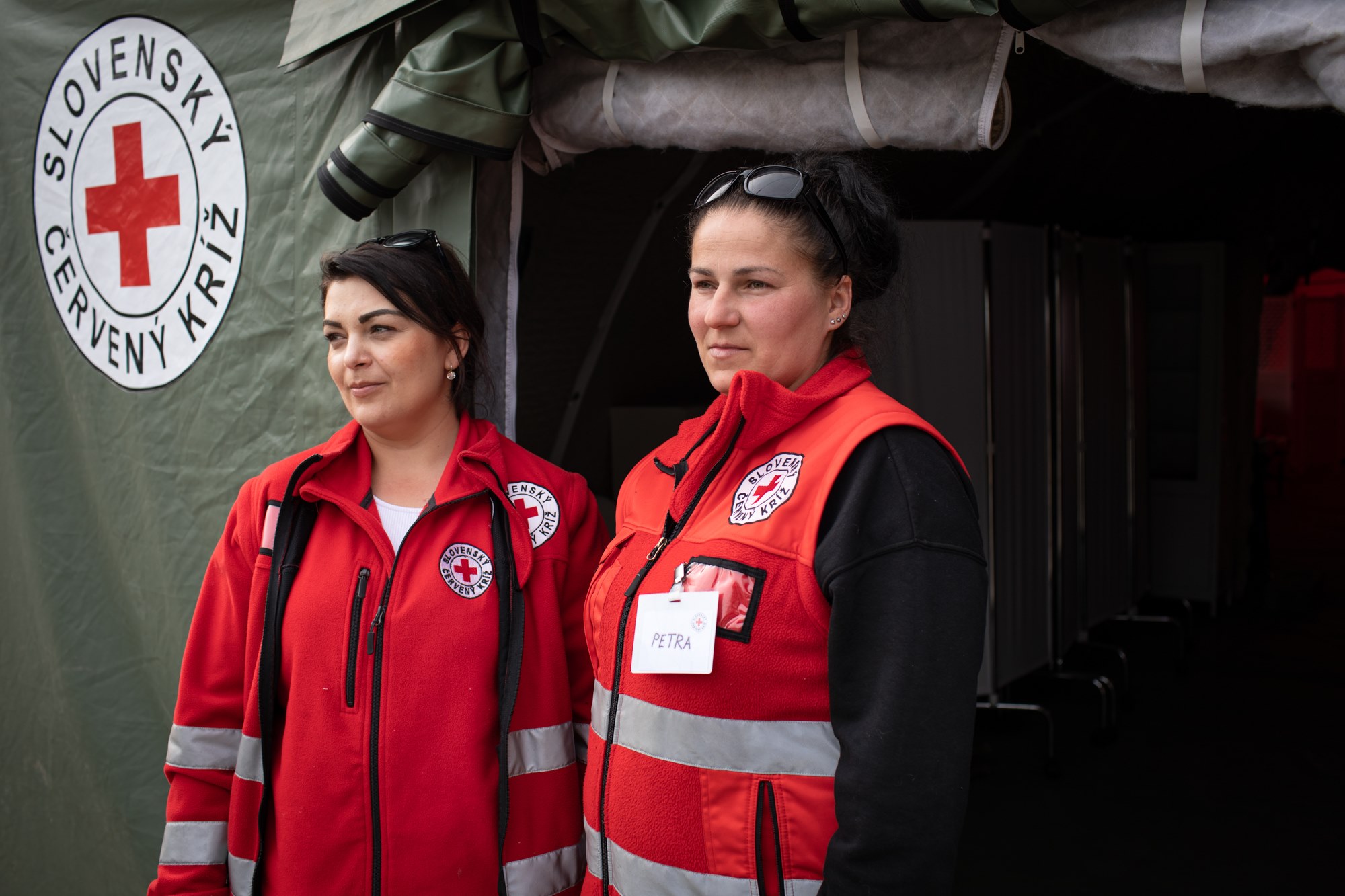
As a country bordering Ukraine, Slovakia experienced both high transit flows and significant refugee arrivals. SRC teams provided psychological support, in-kind assistance, and information services from the earliest days of the crisis. “We were the ones meeting refugees as they crossed the border, providing the first assistance they needed,” said Artsiom Klunin.
The centerpiece of the SRC’s preparedness work was the Cash and Voucher Assistance Preparedness (CVAP) Self-Assessment Workshop, held in May 2025. This process required openness and honest reflection. “Self-assessment can be tricky… you must be open to critique,” Klunin explains. Despite limited staff capacity, the workshop succeeded in uniting multiple departments and branches to identify gaps and set priorities, including expanding Financial Service Providers, formalizing the Cash Technical Working Group, and strengthening SOPs and responsibility matrices. The assessment also confirmed key organizational strengths, notably the SRC’s flat, horizontal structure, which speeds up communication and decision-making in crises. As Klunin highlighs, “Everyone is included and you can reach anyone in minutes… it works very well under time pressure.”
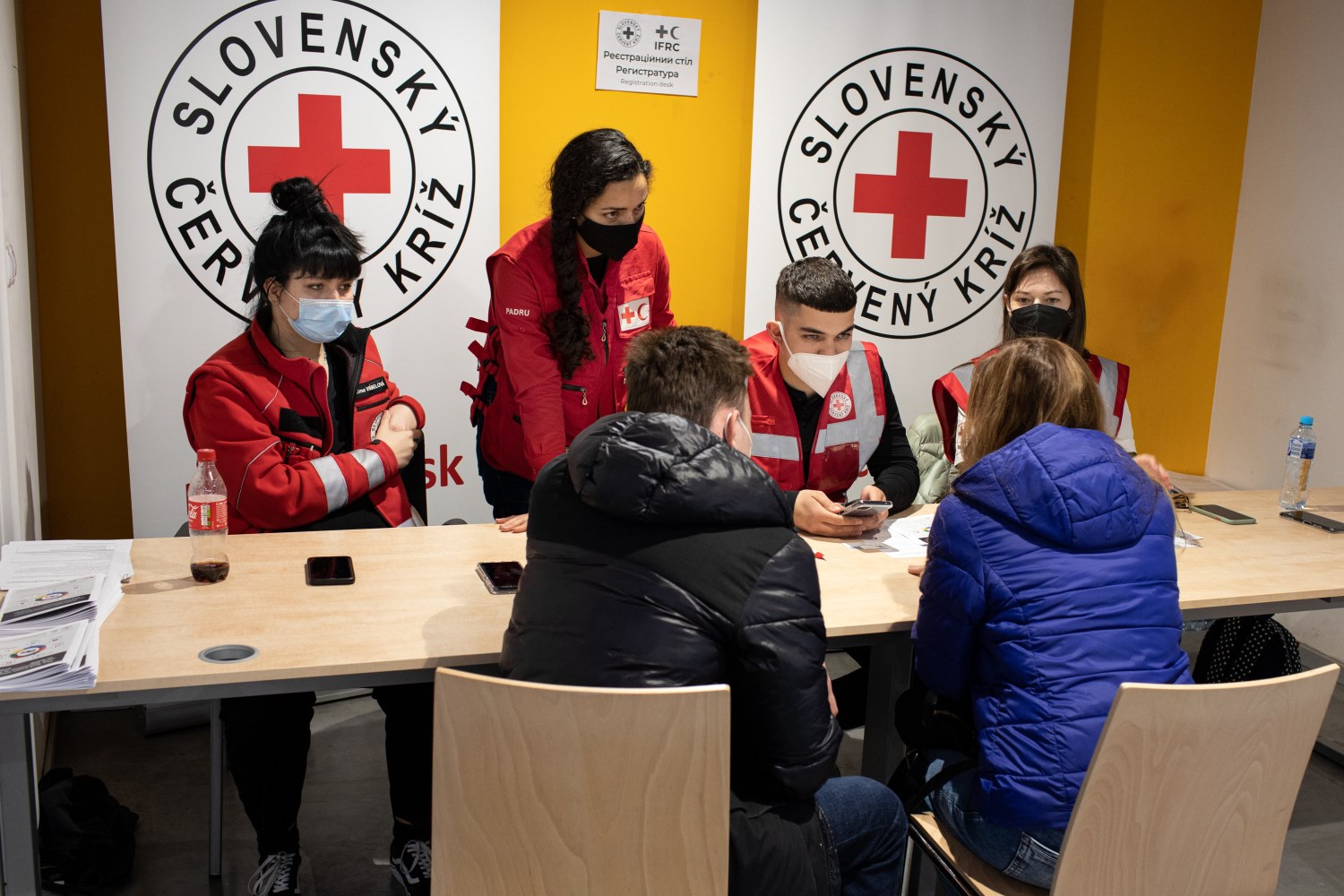
The SRC emphasizes that preparedness is fundamental to fast and effective emergency responses. Clear roles, predefined steps, and strong internal coordination ensure timely action. “Preparedness helps us organize our activities to respond as fast as possible and maximize effectiveness,” Klunin summarizes.
Looking ahead, the SRC plans to expand CVA capacity, increase preparedness awareness, and continue strengthening internal systems, enabling the National Society to respond effectively to floods — Slovakia’s most frequent hazard — and future population movements.
As these two National Societies show, preparedness is not simply a programmatic activity, it is the foundation of effective humanitarian action. The preparedness investments made by the Hungarian and Slovak Red Cross demonstrate how National Societies can transform crisis-driven challenges into long-term institutional resilience. Both National Societies are now far better positioned to respond to future emergencies, whether they be floods, population movements, or emerging crises.
Shared Lessons for the Movement
Across both National Societies, several recommendations emerge:
- Preparedness must be continuous — even when emergencies consume capacity. Years of nonstop crisis response underscore the danger of postponing training. Regular exercises keep staff and volunteers prepared and confident.
- Community-level volunteers are essential for realistic planning. Their insights reflect the needs and expectations of the people Red Cross branches serve.
- Strong coordination with national authorities enhances credibility and effectiveness. Both the HRC and SRC saw increased recognition from state partners as they strengthened their systems.
- Openness to examining weaknesses is key to building stronger systems. Whether restructuring disaster management or assessing CVA preparedness, honest reflection enables growth.
- Flexible operational structures enable faster, more localized responses. Mobile EOCs, expanded FSP networks, and regional coordination models allow for rapid deployment where it is most needed.
Credits
Written by: Olivia Acosta / Designed by: Miguel Aguirre / Photos: Hungarian Red Cross, Slovak Red Cross.
This content was originally published in the IFRC National Society Preparedness Newsletter (December 2025)