

Call for Applications: Research Grants on Principled and Accountable Use of Technology in Humanitarian Action
GDPC Spotlight Research Grants Program
Empowering emerging researchers to turn evidence into action.
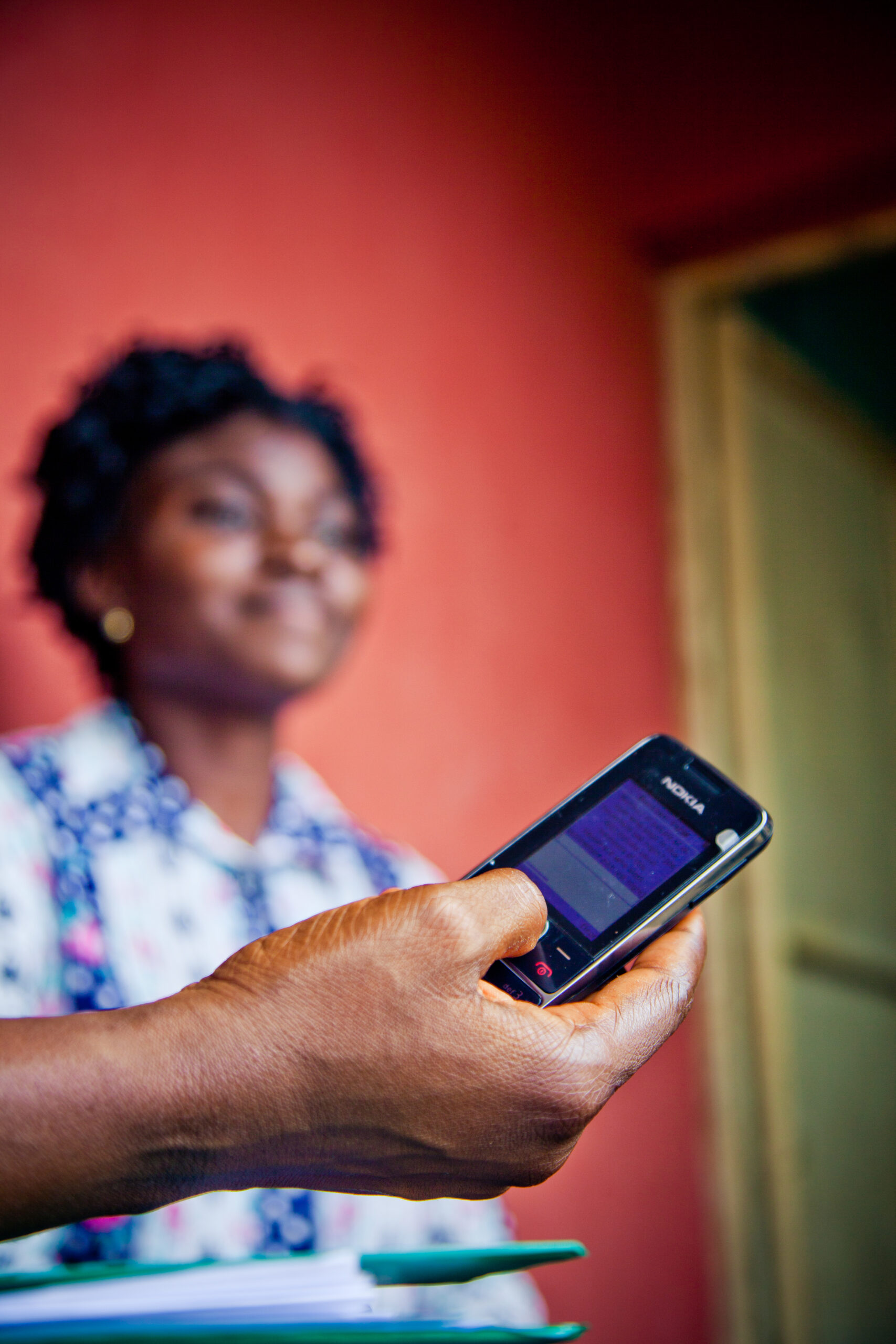
Call for Applications: Research Grants on Principled and Accountable Use of Technology in Humanitarian Action
The Global Disaster Preparedness Center (GDPC) is pleased to announce the launch of its 2026 Spotlight Research Grants Program in partnership with the French Red Cross Foundation, focused on the theme of principled and accountable use of technology in humanitarian action. This initiative aims to deepen our understanding of how ICTs including emerging technologies such as artificial intelligence (AI) can be applied humanely, ethically, and responsibly in humanitarian contexts by supporting original research in low- and middle-income countries. The program is designed to bring diverse perspectives on the use of technology in the humanitarian field and to expand the evidence base on how technology can be responsibly used to address existing risks and find innovative solutions to longstanding humanitarian issues.
Check Your Eligibility & Apply
Deadline for Application Submission is 31 July 2026, 23:59 UTC.
Program Overview
The 2026 GDPC Spotlight Research Grants Program, in partnership with the French Red Cross Foundation, provides funding to university researchers for projects focused on principled and accountable use of technology in humanitarian action. This program specifically supports researchers from low- and middle-income countries.
Awards provide $10,000 USD for research lasting up to eight months, with a completion deadline of June 30, 2027. This program supports applied and impactful research that can inform policy, planning, humanitarian programming, community action, and so on. Research must be original, and plagiarism will result in immediate disqualification at any stage of the grant process. Research can be conducted in English or French.
For more details, please consult the Frequently Asked Questions section.
Background
Recent decades have seen the rapid emergence and proliferation of Information and Communication Technologies (ICTs), transforming everyday life across the world, including the communities served by humanitarian organizations. This shift has geopolitical and societal implications, as the power dynamics, financial flows, biases, and assumptions built into ICTs influence the systems in which they are embedded.
Technology is essential to allow humanitarians to continue to deliver on their mission and mandate, especially as needs continue to grow while resources decline. After more than a decade of “digital transformation”, the sector has demonstrated that certain technologies can indeed be used to improve a variety of fields, such as data analytics and decision-making, from the utilization of satellite imagery to map disaster impact and response, to connectivity for sharing life-saving information; from the automation of back-office functions, to the use of mobile money to support disaster-affected communities, to technology‑enabled farming to significantly improve food production. Broadly, these ICTs have shown that, properly employed, they can help reach populations that might otherwise be underserved and provide critical support and services that might otherwise be unavailable. It is urgent to embrace these opportunities, which have not yet been fully realized.
Yet new opportunities have also brought new risks to people’s rights, dignity, and agency, which must be mitigated, particularly in the contexts where humanitarian organizations work. Without robust safeguards, ICTs can compromise our principles and unintentionally harm the very communities we seek to protect and empower, potentially eroding their trust. Technologies can entrench or exacerbate existing inequities, by imposing a new ‘digital divide’ between those who can, and cannot, access and leverage digital technologies to their advantage. They can expose people and communities to new risks in online and digital spaces, such as cyber crime, a degraded information environment, the harms to mental health, and emerging technology that impacts the neutrality and impartiality of decision making, without sufficient human oversight.
ICTs can introduce new actors and tools into humanitarian action which are not bound by humanitarian principles or the “do no harm” imperative, and were not designed with crises in mind. Public scrutiny around the potential negative impacts of ICTs on fundamental rights, conflict dynamics, the environment, and security has increased, alongside calls for greater transparency, responsibility, and accountability — especially for public and humanitarian entities. As supply chains and markets are dominated by a few states and private companies, humanitarian use of technologies can negatively affect neutrality, impartiality, and independence.
The Red Cross Red Crescent Movement
The adoption of the first IFRC Digital Transformation Strategy in 2021 has set the IFRC membership on a journey of digital transformation, committing to accountability and integrity grounded in the Fundamental Principles of the Red Cross Red Crescent Movement. This seeks to ensure that use and innovation of ICTs are in line with our humanitarian mission and strengthen community trust. The framework and analysis done by the IFRC on digital maturity provides a baseline to approach gaps and opportunities with shared leadership.
The ICRC’s 2025 Technology Strategy underscored that all technology choices must be measured against neutrality, independence, and impartiality, while the ICRC Data Protection Handbook incorporates technology issues such as artificial intelligence and data protection by design. The institution's policies on Artificial Intelligence (2024) and Biometrics (2019), are grounded in the Fundamental Principles and intended to help staff to safely explore the humanitarian potential of those technologies.
This research program aims to deepen our understanding of the responsible use of ICTs in humanitarian action, focusing on diverse and local perspectives. By supporting original research from low- and middle-income countries, the program seeks to expand knowledge and evidence on diverse pathways to build ethical, safe, and effective use of technology in humanitarian work, while limiting the risks to communities.
Research Topics
The program seeks to stimulate new knowledge in priority research questions under the following topics:
Topic 1
Community Needs & Digital Realities
- Topic 1.1 Needs-Aligned ICTs: What are the priority needs and concerns of affected people regarding digital tools used in humanitarian service delivery?
- Topic 1.2 Community Adaptation of ICTs: How do technologies get repurposed or reinterpreted by communities to be utilized for humanitarian purposes? How or why do communities maintain, adapt, or abandon technologies over time?
Topic 2
ICT Solution Feasibility & Implementation
- Topic 2.1 Operational Constraints: What are the operational constraints (infrastructure, skills, funding, governance) to implementing ICT solutions in LMIC humanitarian contexts? How do these impact successful design and use of these ICTs?
- Topic 2.2 Digital Maturity Context: How do variations in digital maturity across communities and organizations affect implementation and humanitarian outcomes in different settings?
- Topic 2.3 Humanitarian Principle Alignment: How does proactive alignment of technology design and implementation with humanitarian principles affect outcomes (and address risks)?
Topic 3
Data Protection in Humanitarian Action
- Topic 3.1 Personal Data Handling: How do disaster-affected people understand, experience, and respond to the collection and use of their personal data in humanitarian programmes and how can this inform policy and practices?
- Topic 3.2 Data Privacy & Accountability: What two-way communication mechanisms (feedback loops, complaint systems) are most effective for data privacy and accountability in ICT-enabled humanitarian programs?
- Topic 3.3 Community Trust: How do incidents (e.g., data breaches, misinformation) affect trust in humanitarian actors and programs?
Eligibility
Selection Criteria
Eligible proposals will be reviewed by an expert panel consisting of representatives from GDPC, IFRC, and other humanitarian organizations. Proposals will be evaluated based on the following criteria:
Scientific merit and rigor, clearly demonstrating how the proposed research advances current knowledge and fills critical gaps.
Relevance and the alignment of the proposed research with one of the defined research topics, demonstrating a clear understanding of the research question and how the project contributes to the program’s overall objectives.
Potential impact and applicability of research in informing policy and practice on the principled and accountable use of technology in humanitarian action.
A thorough understanding of potential ethical concerns and implications associated with the research, along with strategies to mitigate and address these issues.
Qualifications and expertise of the Principal Investigator and key co-investigators (if applicable) to carry out the proposed research. This includes an assessment of the research team’s capability and relevant experience in implementing the proposed project projects, supported by evidence of relevant skills and a proven track record in delivering similar projects.
Reasonable and realistic budget proposal, including a detailed expense breakdown. For details on eligible and ineligible costs, refer to the FAQ section of this page.
A clear and achievable timeline demonstrating the ability to complete and submit the final research paper by June 30 2027, or earlier.
Cross-collaboration and partnership between stakeholders. A letter of support from a relevant partner organization or agency should be included in the application.
Proposals Should:
Be led by researchers based in LMICs.
Use community‑based or participatory methodologies.
Produce outputs accessible to local stakeholders (not only academic journals).
Include a letter of support from a local stakeholder with an interest in taking forward the results of the research and demonstrates who the audience is for the research (project development, program recommendations, policy changes, advocacy, etc.).
Critically assess technology, not assume its benefit.
Program Timeline
Application Submission Deadline
Application Review Period
Award Notification
Award Processing
Research Period
Research Reports Due
Report Review Period
Final Reports Published
We strongly recommend submitting your application well in advance of the deadline and not waiting until the last days to avoid potential technical issues.
Application Submission
The deadline for submitting applications for the current research call is 31 July 2026 (23:59 GMT). To determine your eligibility and receive a link to the Application Portal, click the link below.
The complete application package must include:
- Applicant Information: This includes professional affiliation details.
- Project Summary: A concise project abstract and key information.
- Project Description: Detail on the research background, rationale, objectives, methodology, scientific merit, broader impact, and ethical considerations.
- Budget: A budget proposal in US Dollars, including a detailed breakdown of expenses and budget justification.
- Research Team Composition: Include information about the Principal Investigator (PI) and key co-investigators, along with their CVs.
- Letters of Collaboration: For projects involving partnerships with institutions or organizations outside the applicant's primary affiliation, a letter of support from each partner institution is required.
Eligibility Form
Click here to determine your eligibility to apply for this grant, and receive a link to the Application Portal.
Frequently Asked Questions (FAQs)
More questions? Reach us to us via the form below: