Treaty on the Protection of Persons in the Event of Disasters
 June 25, 2026
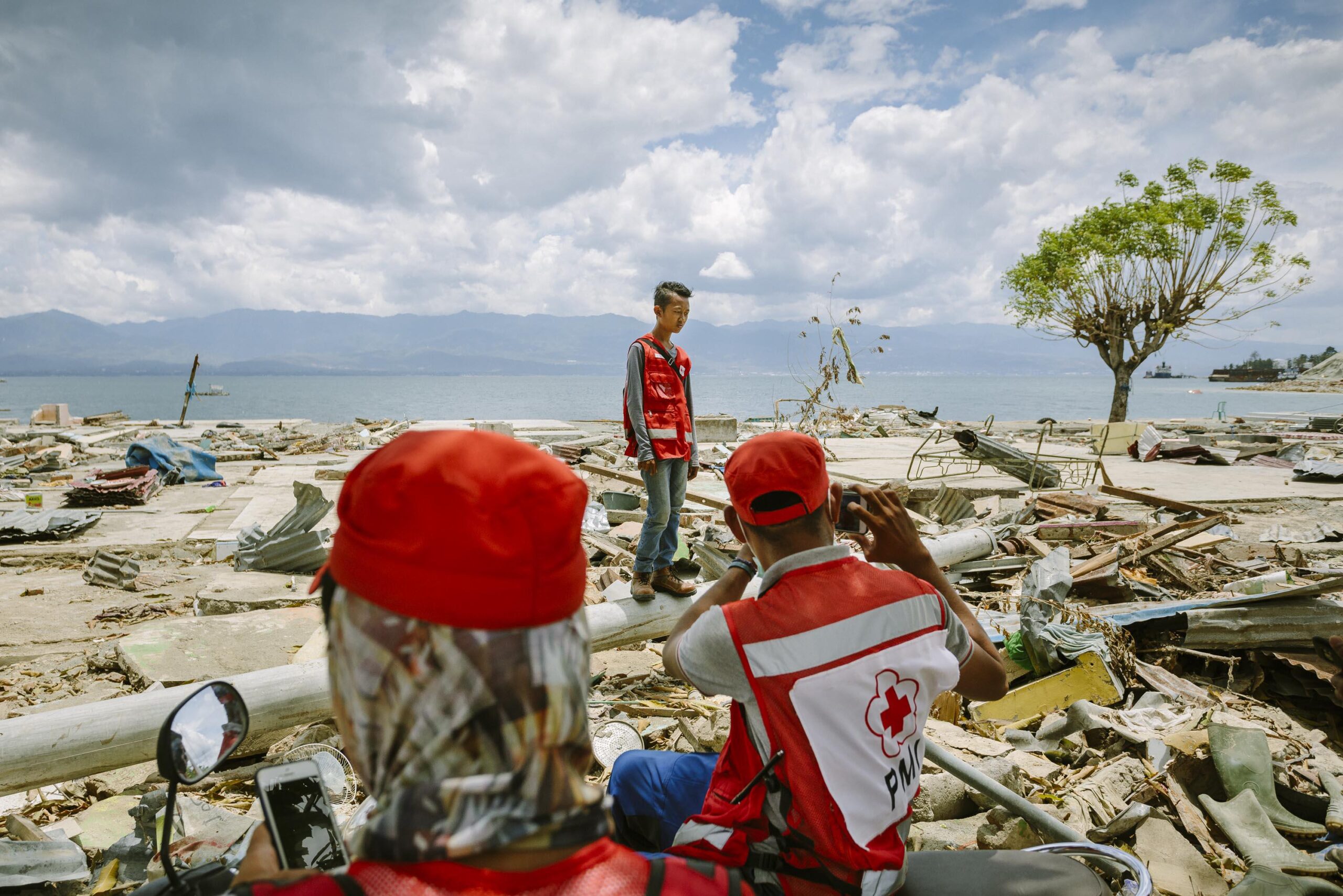
In disaster response, timing is everything. A delayed shipment, a stalled visa, or unclear coordination can mean the difference between help arriving in hours or days. For communities already facing crisis, those delays are not just logistical. They are life-altering.
Yet across the world, disaster response is still shaped by a patchwork of national laws, policies, and informal practices. While international frameworks exist to guide action, few are legally binding. That gap has long been recognized. Now, the international community is moving to close it.
A new global treaty on the protection of persons in the event of disasters is currently under negotiation. If adopted, it would mark a significant shift in how countries mitigate risks, prepare for, respond to, and recover from disasters, turning principles into obligations and intent into action.
A long time coming
The idea behind this treaty is not new. Discussions began more than a decade ago, building on efforts to improve how international disaster assistance is coordinated. What has changed is momentum.
In 2024, the United Nations General Assembly agreed to move forward with negotiations toward a legally binding instrument, with the goal of finalizing it by 2027. That decision has opened a rare window. Governments, humanitarian actors, and technical experts now have an opportunity to shape what could become the first comprehensive global framework governing disaster risk management and risk reduction.

What the treaty aims to do
Breaking down barriers to assistance
At its core, the treaty focuses on one simple but powerful idea: protecting people.
The current draft includes ensuring that human rights are upheld in disasters. It emphasizes dignity, the humanitarian principles, and the need to prioritize those in vulnerable situations. While these principles are widely accepted, they are not always consistently applied in practice. The treaty seeks to change that by embedding them in international law.
Beyond protection, the current draft also addresses a broader shift that many in the disaster risk reduction community have been advocating for years: moving from reactive response to proactive risk reduction, prevention, and preparedness.
Currently, global frameworks like the Sendai Framework guide countries in reducing disaster risk, but it is not legally binding. The proposed treaty could change that by establishing formal obligations for countries to invest in prevention and reduce risk exposure before disasters occur, while also enhancing cooperation and coordination between states and external actors to facilitate the delivery of faster, more effective humanitarian assistance.
Lessons from the ground
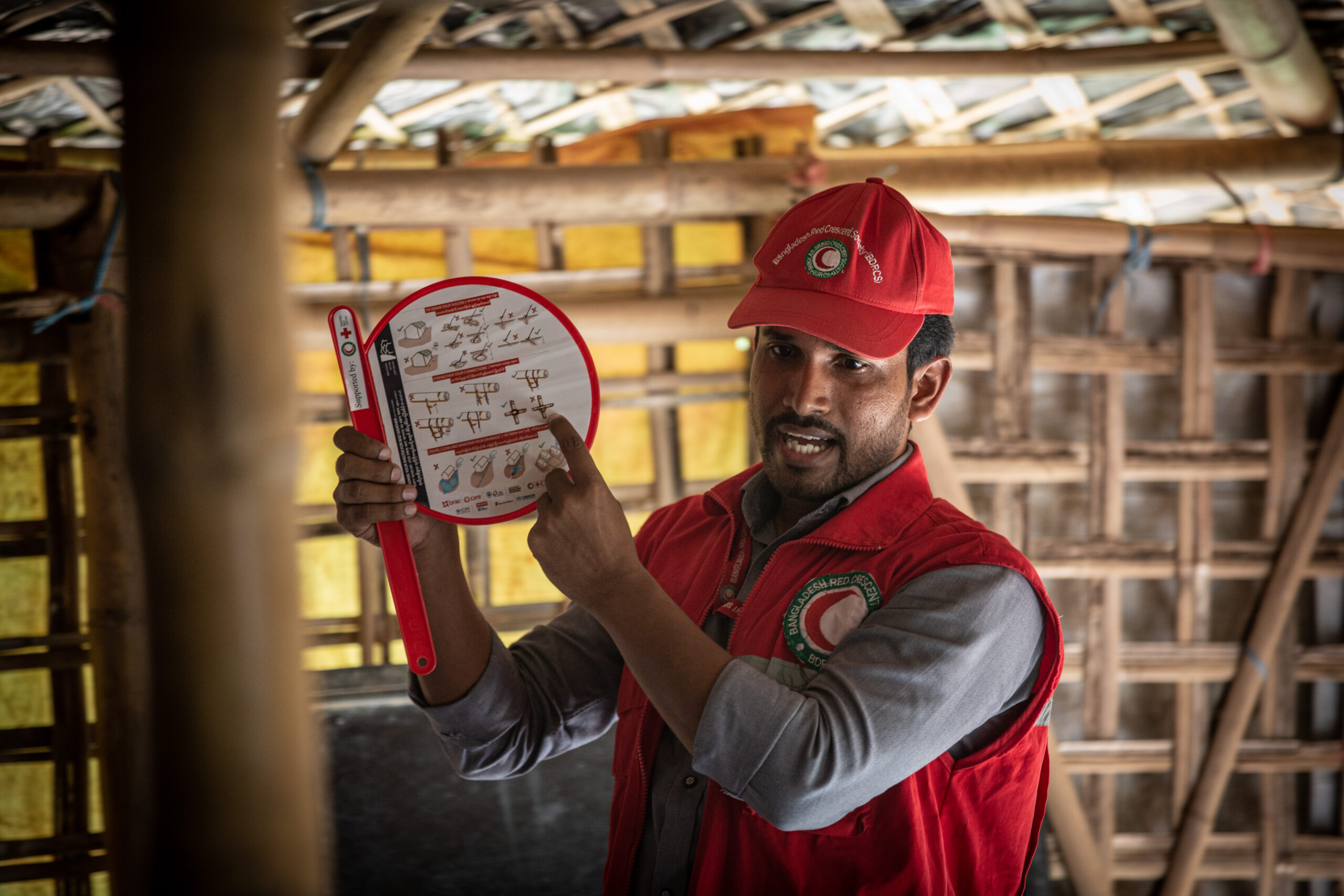
While the treaty is being negotiated at the global level, its impact will ultimately be felt locally.
Recent disaster risk management assessments have highlighted why this matters. Reviews have found that key legislation was outdated, coordination mechanisms were unclear, and vulnerable populations were not fully considered in disaster planning. Access to policies and plans was limited, and important elements like mental health support and early warning systems were not adequately addressed.
These challenges are not unique. They reflect broader gaps seen in many countries, where systems have evolved over time but have not kept pace with changing risks.
The proposed treaty offers a framework to help address these gaps, not by imposing one-size-fits-all solutions, but by setting clear expectations and encouraging alignment between global standards and national practice.
The complexity behind the opportunity
Despite broad support, the path forward is not simple.
Key questions remain under discussion. How should disasters be defined? How can the treaty balance national sovereignty with international obligations? What level of detail is needed to ensure meaningful protection without limiting flexibility?
There are also emerging priorities that were not central when the draft was first developed. Developing a comprehensive disaster risk management framework, including anticipatory action and a multi-hazard approach that incorporates climate-related risks are now at the forefront of conversations. Integrating these into the treaty will be critical if it is to remain relevant in a rapidly changing risk landscape.
A moment that should not be missed
Throughout recent discussions, one message has come through clearly. This is a rare opportunity.
For the humanitarian community, and particularly for National Red Cross and Red Crescent Societies, this is a chance to influence a global instrument that will shape disaster risk management and the protection of persons in disasters for decades to come. It is also a chance to ensure that the voices of those closest to disasters are reflected in the final outcome.
Engagement is already happening in many countries, often led by National Societies working alongside governments to translate technical concepts into practical realities. In some cases, this has meant bridging gaps between ministries, bringing together disaster management agencies and foreign affairs officials who may not typically work closely on these issues.
That kind of collaboration will be essential moving forward.
Looking ahead
As negotiations continue, the focus will shift from broad principles to specific language. This is where details matter. The inclusion or omission of a single concept can influence how the treaty is implemented in practice.
For practitioners, policymakers, and advocates, the next phase is not just about observing. It is about contributing. Sharing experiences, highlighting challenges, and ensuring that the final text reflects the realities on the ground.
Because when disasters happen, systems are tested. And the strength of those systems depends on the decisions being made today.