Principled and Accountable Use of Technology in Humanitarian Action: Meet the Research Grantees
GDPC Spotlight Research Grants Program
Explore the funded research projects
In partnership with the French Red Cross Foundation, the 2026 programme funds researchers in low- and middle-income countries examining how ICTs, including AI, can be used humanely, ethically and responsibly in humanitarian contexts. Explore each project below. Learn more about the programme →
The GDPC selected 18 research teams from low- and middle-income countries to examine how information and communication technologies – from mobile data collection and satellite mapping to mobile money and, increasingly, artificial intelligence – can be applied responsibly in humanitarian action. Used well, these tools help reach people who might otherwise be left behind; used without safeguards, they can deepen the digital divide, expose communities to data misuse, and introduce risks to people's rights, dignity and agency. As needs grow and resources tighten, the question is no longer whether to use technology, but how to use it humanely, ethically and accountably. Explore each project below to see how these researchers are building the evidence base for that question.
Topic 1: Community Needs & Digital Realities
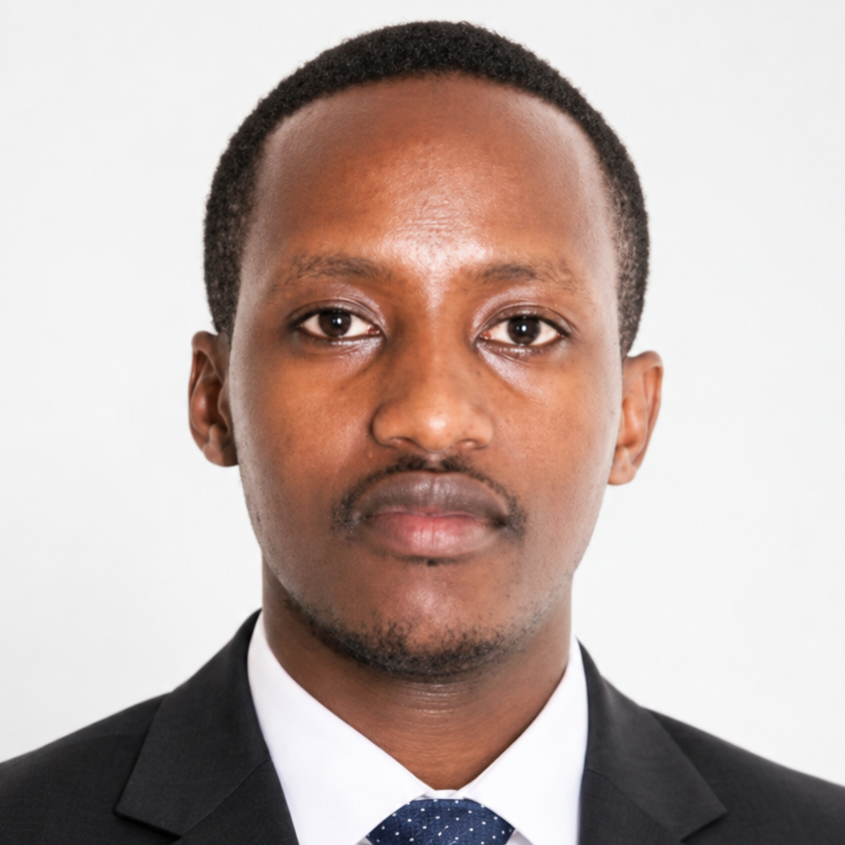
Arnold Tigaiza, Uganda
Institution: Makerere University
Research Project: Stakeholder Experiences, Community Adaptations, and Pathways of Inclusion in the Implementation of Biometric Identification and Digital Cash Assistance Systems in Uganda’s Humanitarian Settings
About the Researcher: Arnold Tigaiza is a PhD Fellow and researcher at Makerere University School of Public Health, Uganda. His work focuses on public health, climate change and migration, mental health, humanitarian and refugee well-being, and digital health. He has experience in mixed-methods and implementation research and has worked on several research projects examining climate induced migration and health, community-based interventions, mental health, digital payments, and refugee issues.
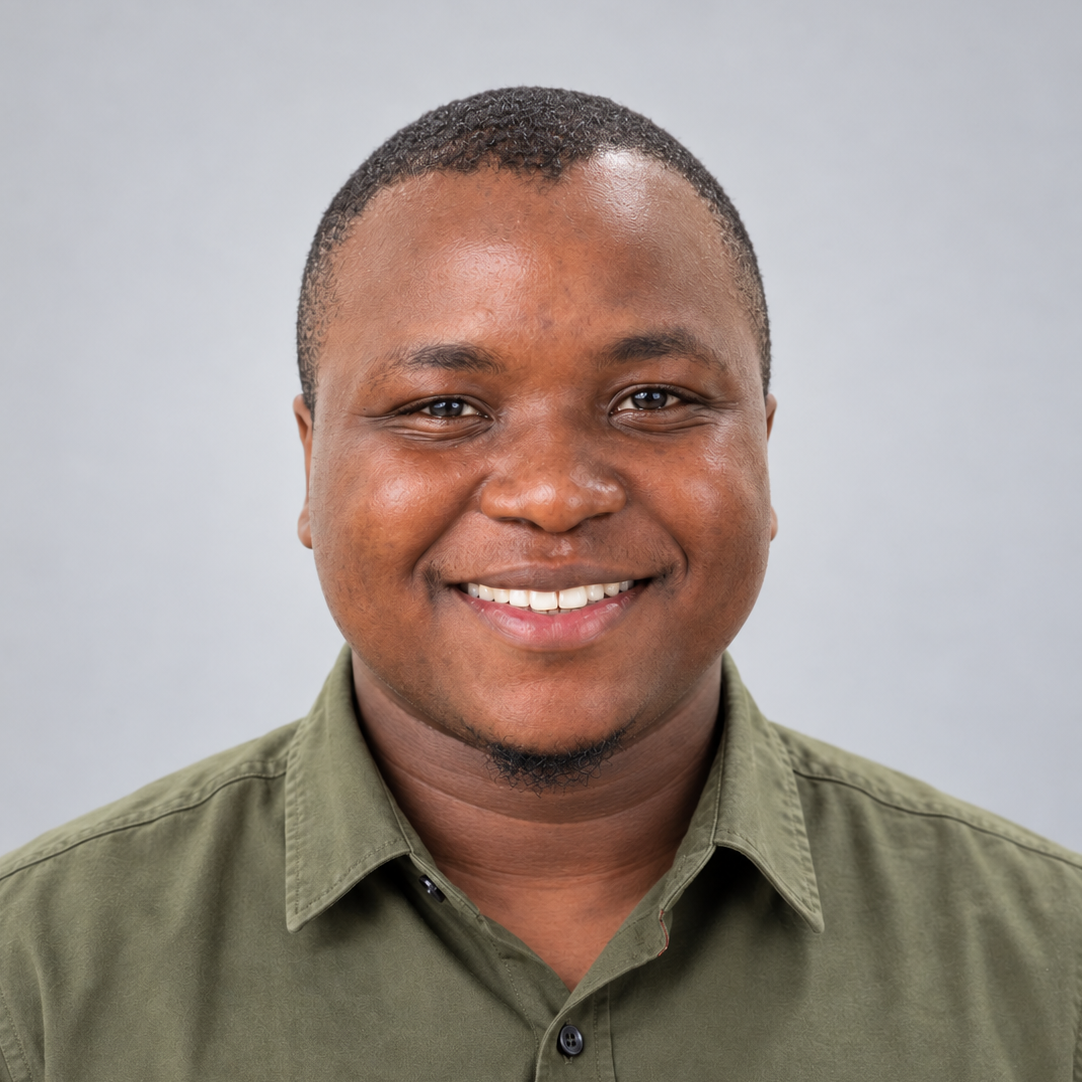
Bayarbaatar Bold, Mongolia
Institution: Etugen University
Research Project: Beyond the Signal: How Mongolian Nomadic Herders Adapt Digital Communication to Access Healthcare During Dzud
About the Researcher: Dr. Bayarbaatar Bold is a Mongolian physician-scientist specializing in digital health and applied AI, with experience deploying clinical AI systems, including imaging-based deep learning and LLM tools, across hospitals and populations. He directs the Center for Digital Health and Innovation at Etugen University, Mongolia. His work, spanning a 50-country study on physicians and AI and collaboration with UNESCO, now explores how Mongolian herders and health workers stay connected to care during dzud.
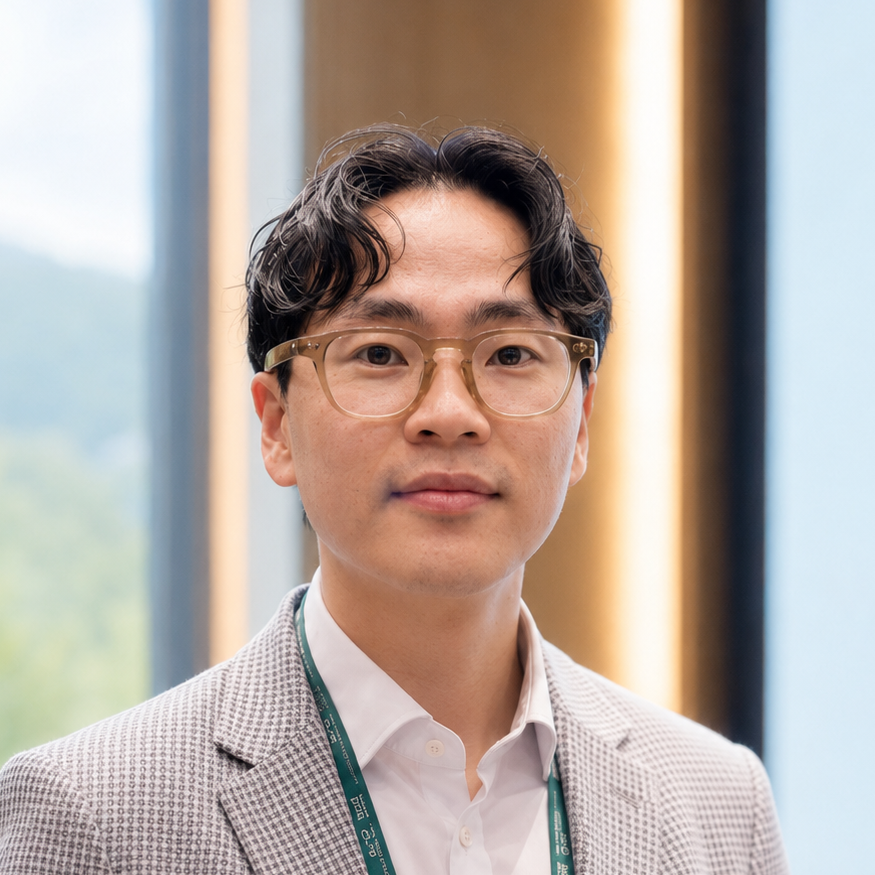
Christine Muchiri, Kenya
Institution: The Technical University of Kenya
Research Project: Community Agency, Negotiation and Adaptation of ICT4D Tools in Anticipatory Climate-Related Disaster Response: A Case Study of Mathare Informal Settlement, Nairobi, Kenya
About the Researcher: Christine Njuhi Muchiri is a lecturer in the Department of Architecture, Design and Planning at the Technical University of Kenya and a doctoral student in Engineering Science at KU Leuven, Belgium. Her work spans urban governance, digital civics, civic technologies, climate resilience and disaster risk reduction. She develops digital approaches to community-driven climate resilience and leads the development of digital planning and development permitting systems. Her research includes “Community Adaptation Strategies in Nairobi Informal Settlements: Lessons from Korogocho, Nairobi, Kenya”, "Catalytic Tech-Based Participatory Methods To Build Climate Resilience Locally" and “From Reporting to Accountability: A Low-Tech Participatory Platform for Evaluating Government Climate Response.” She engages with academia, government, non-state actors and international organizations to advance inclusive governance, institutional accountability and innovative approaches to climate adaptation in vulnerable urban contexts.
Ilyass Mahamat Nour Moussa, Chad
Institution: Université de Paris Cité (CEPED/IRD)
Research Project: The Infrastructures of Precarity: Digital Traceability, Pharmaceutical Logistics, and the Vulnerabilities of Sudanese Refugees in Eastern Chad.
About the Researcher: As a socio-anthropologist specializing in STS, my research focuses on the political economy of pharmaceuticals in conflict settings (the Sahel and Haiti). Following my doctoral thesis on the militarization of the pharmaceutical market in Chad, my postdoctoral work analyzes how digital technology and logistics are redefining access to healthcare and health sovereignty in crisis zones. My ethnographic approach examines security policies and postcolonial infrastructures.
Paula Piccolo, Argentina
Institution:Universidad Nacional de Rosario
Research Project: From Alerts to Assistance: The Role of Digital Technologies and Community Organization in Humanitarian Wildfire Response in the Comarca Andina (Argentina) and Ñuble–Biobío (Chile)
About the Researcher: Paula Piccolo is an economist, PhD candidate in Economic Development at Universidad Nacional de Quilmes, and lecturer at the National University of Rosario. Her work focuses on ecological and territorial development, environmental governance and socio-environmental inequalities, combining academic research with applied experience in participatory methods, project management and humanitarian response.
Vincent Itai Tanyanyiwa, Zimbabwe
Institution: Zimbabwe Open University
Research Project: Youth Digital Intermediation for Information Equity during Humanitarian Crises in Zimbabwe
About the Researcher:Vincent is a socioecologist and pracademic researching the environment-development nexus, ecosystem services, and human-nature dynamics. His work analyses how environmental change affects community resilience, risk, and vulnerability. An expert in water governance and urban sustainability, Vincent explores biophysical and socio-political dimensions of water security and equitable, resilient cities. His actionable scholarship bridges theory and practice to inform policy and empower communities
Khalid Md. Bahauddin, Bangladesh
Institution: Daffodil International University (DIU)
Research Project: Shadow Networks of Survival: A Participatory Evaluation of Informal Digital Adaptation and Risk Among Climate Migrants in Dhaka’s Informal Settlements
About the Researcher: Khalid Md. Bahauddin is Lead of Center for Sustainable Innovation and Resilient Futures - CSIRF, DIU and Assistant Professor of Department of Environmental Science and Disaster Management (ESDM) at Daffodil International University. With 15+ years in climate adaptation, DRR and environmental justice, he leads interdisciplinary environmental action research empowering vulnerable communities. A published author directing projects funded by national and international agencies, his work bridges academic inquiry and grassroots action to build equitable climate resilience and sustainable futures in Bangladesh.
Topic 2: ICT Solution Feasibility & Implementation
Judith Irene Nagasha, Uganda
Institution: Kyambogo University
Research Project: Operational Constraints to ICT-Enabled Humanitarian and Public-Health Action in Flood-Affected Kasese and Landslide-Prone Bududa, Uganda
About the Researcher: Dr. Judith Irene Nagasha is a social scientist with over 18 years of experience in climate change, food security, indigenous knowledge, and community-based natural resource management research. She is the Hub leader of the Agrifose2030 Ugandan Hub that has led research initiatives connecting science, policy, and practice across the region. Her current research examines climate-induced migration and gender-responsive livelihood adaptation among communities in western Uganda. Through her research, teaching, publications, policy briefs, international conference presentations, and community engagement, she promotes the integration of gender equality, Indigenous knowledge, and locally grounded evidence into policies and interventions addressing climate change, food security, and sustainable development in Africa.
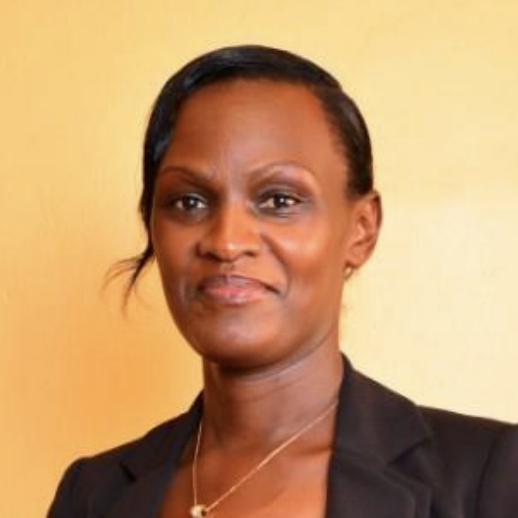
Ibrohim Said, Uzbekistan
Institution:Tashkent State University of Law
Research Project: Agroportal in Uzbekistan: power dynamics and concerns
About the Researcher: Ibrohim Said is a legal scholar and researcher at Tashkent State University of Law (TSUL), Uzbekistan, specializing in corporate law, business law, and corporate governance. He holds an LL.M. from Brunel University London and a PhD in Law, with research focusing on directors’ duties and corporate accountability. He is actively involved in interdisciplinary research at the intersection of law, technology, and sustainable development.
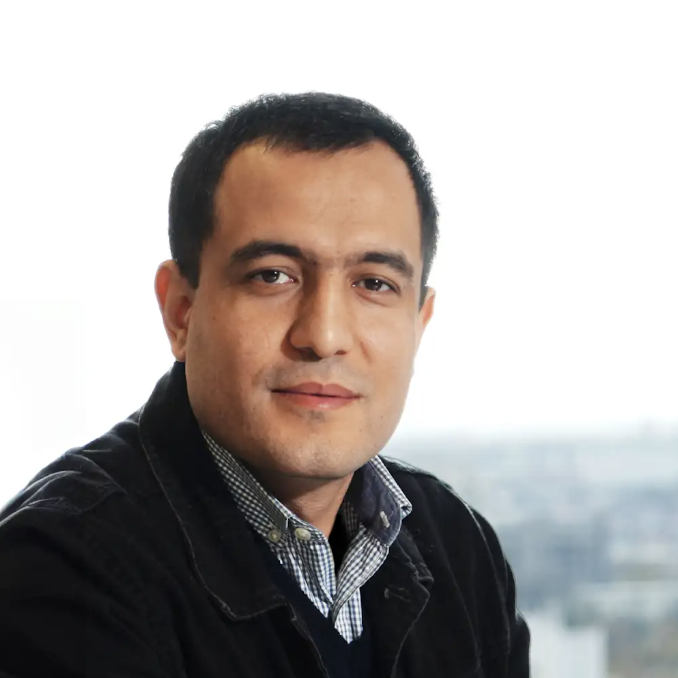
Henrique Estides Delgado, Brazil
Institution: Universidade Santa Ursula (Santa Ursula University)
Research Project: From Localization to Digital Sovereignty: What Indigenous Governance in the Brazilian Amazon Can Teach Humanitarian Action About ICT Design and Preparedness
About the Researcher: Dr. Delgado is an economist and professor in the Graduate Program in Development and Peripheries at Santa Ursula University, Brazil. His academic and professional experience spans a handful of countries, with a focus on economic development, comparative policy analysis, geoeconomics, and governance mechanisms. His research examines the relationship between institutions and technological change and its implications for development, especially in peripheral territories and communities. He co-designed and co-leads this project with Carla Coelho and Rossandra Cabreira.
Topic 3: Data Protection in Humanitarian Action
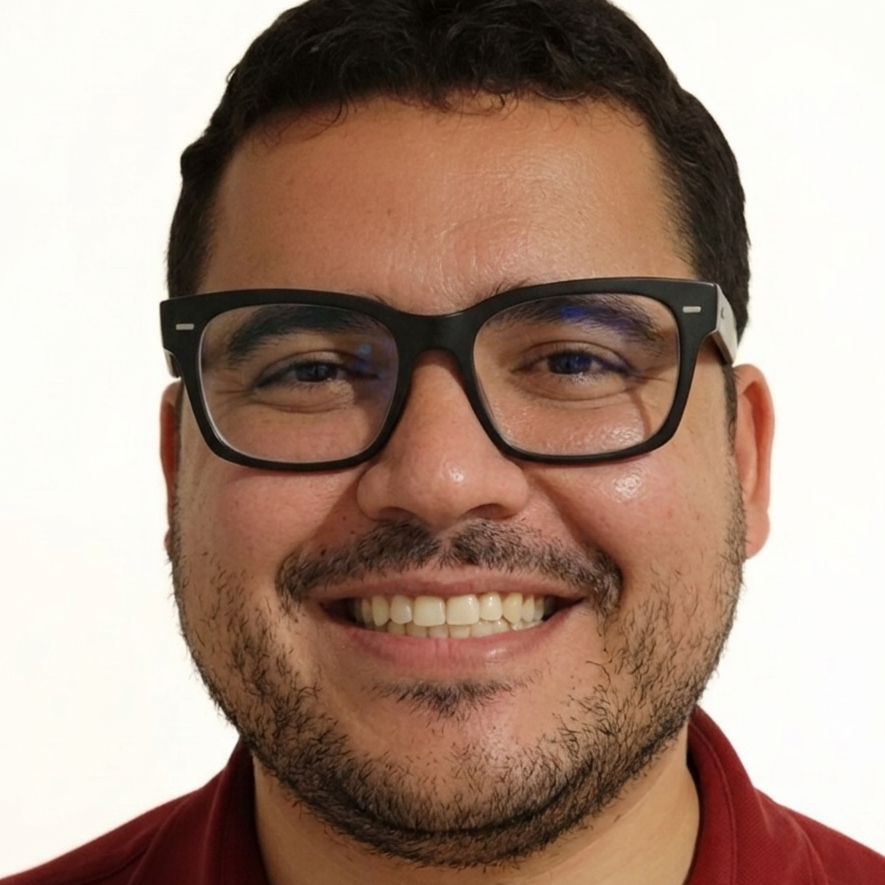
Dr. Zaheer Ali, Pakistan
Institution: Institute of Business Administration
Research Project: Locked Out of Relief: Digital Identity, Religious Minority Exclusion, and Humanitarian Aid Access in Climate-Vulnerable Tharparkar
About the Researcher: Dr. Zaheer Ali is an Assistant Professor of Sociology at IBA Karachi and a PhD graduate of Royal Holloway, University of London. He is Principal Investigator on funded projects with the Global Disaster Preparedness Center and the British Council, and co-leads applied research with UN Migration, Oxfam GB, and ICIMOD. His research interests include religious minorities, disaster vulnerability, and postcolonial state power.
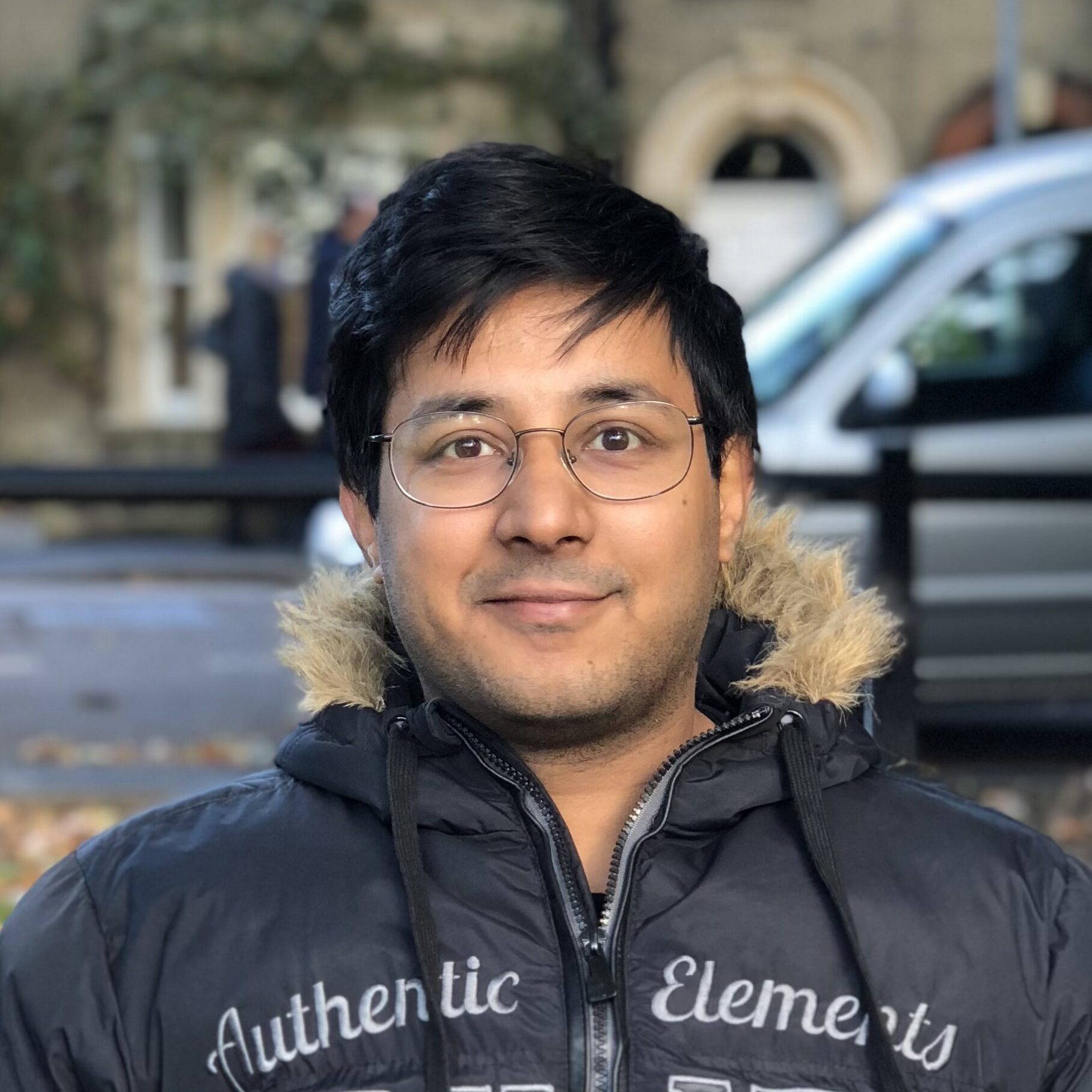
Prof. Dr. Ir. Ella Meilianda, Indonesia
Institution: Syiah Kuala University
Research Project: Community Data, Trust, and Accountability in Technology-Enabled Humanitarian Risk Reduction: A Participatory Study in Aceh, Indonesia
About the Researcher: Prof. Dr. Ella Meilianda is a disaster risk reduction researcher specializing in multi-hazard risk, community-based and participatory research, GIS and remote sensing, participatory mapping, and humanitarian information systems. Her work spans tsunami, earthquake, flood, and coastal hazards, with a strong focus on stakeholder engagement and translating scientific evidence into policy and community practice.
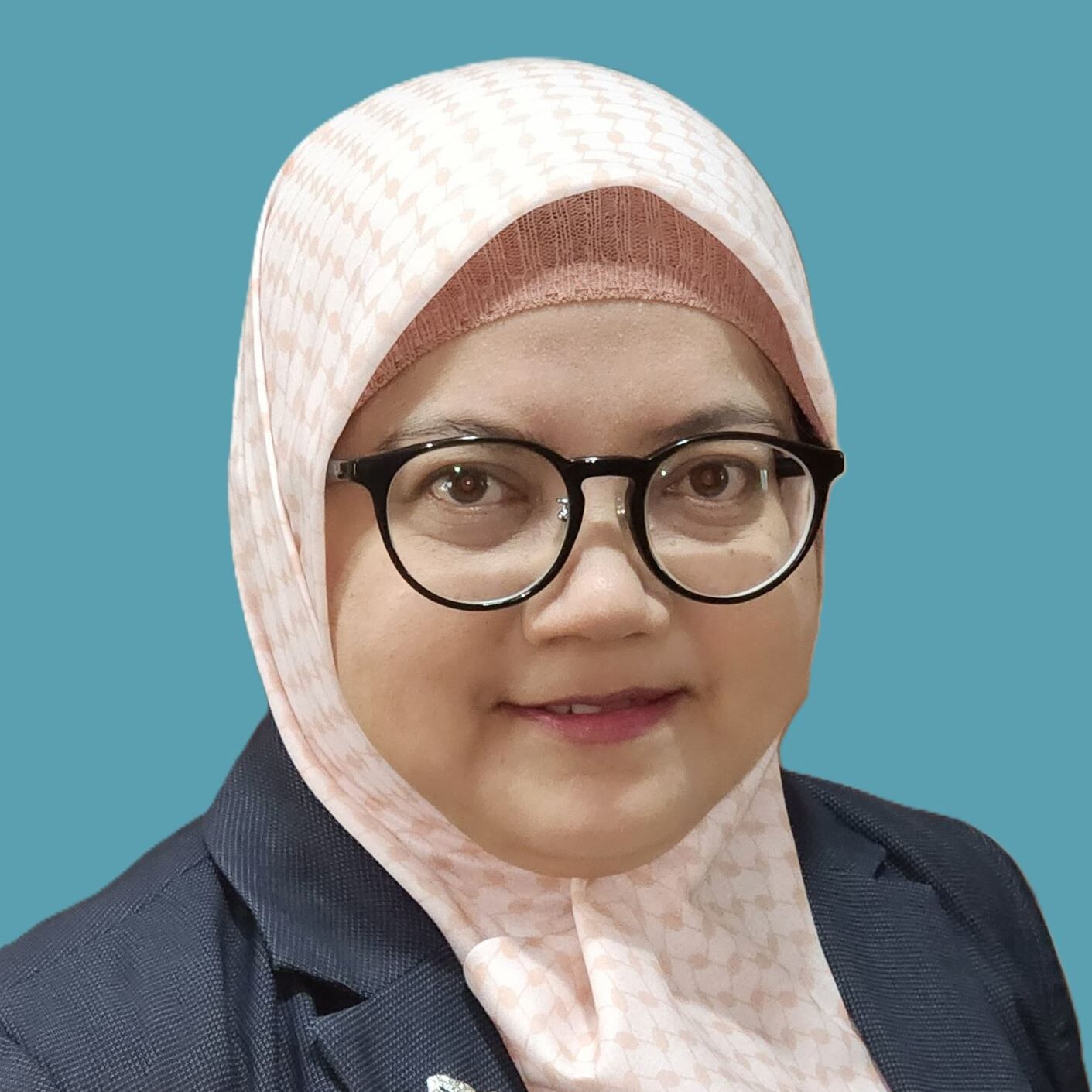
Batchatat Yanya Karelle Manuela, Canada
Institution: Université du Quebec à Montréal
Research Project: Humanitarian biometrics in Cameroon: issues regarding data protection and community trust among displaced populations
About the Researcher: Karelle Yanya is a PhD researcher in Political Science at UQAM, with master’s degrees in Political Science (ULB) and International Humanitarian Action (UCLouvain). Her work examines humanitarian policy, forced displacement, digital ethics, securitization and state capacity in Africa. Committed to community-centered research that improves protection and policy, she founded “Solidarité Ensemble”. She is active in research networks across Cameroon, Europe and North America. Soli Deo Gloria 🙏🏾
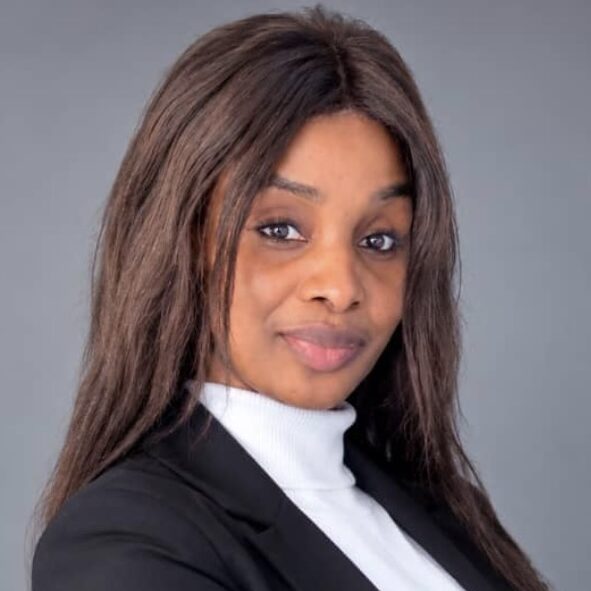
Jacob Malama, Zambia
Institution: University of Gothenburg
Research Project: Community Trust and Personal Data Handling in Humanitarian Action: Refugee Experiences in Meheba Refugee Settlement, Zambia
About the Researcher: Jacob Malama is a PhD Candidate in Education at the University of Gothenburg in Sweden. His research focuses on refugee education, educational governance, equity and humanitarian action in Zambia. He has led mixed-methods and qualitative research projects in Meheba Refugee Settlement, Zambia, and is among the 2026 GDPC Spotlight Research Grant awardees.
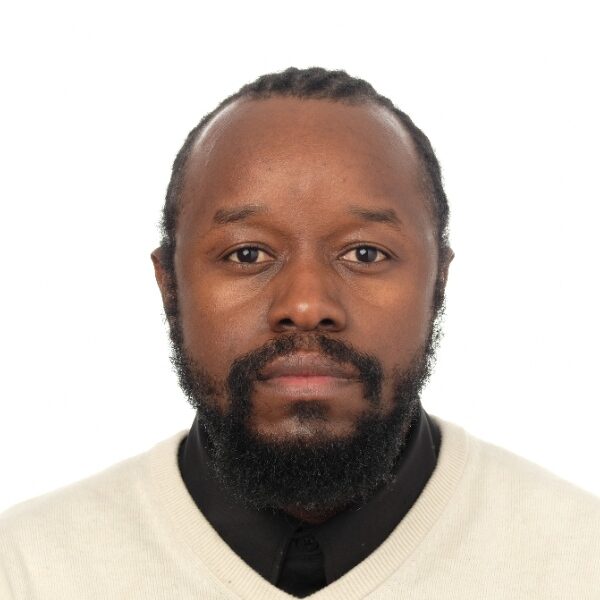
Mugisha John, China
Institution: Southern Medical University
Research Project: Who Consents to the Algorithm? Community Trust and Data Protection as AI-Enabled Tools Are Integrated into WASH Monitoring in Kyangwali Refugee Settlement, Uganda
About the Researcher: As a PhD candidate in Public Health Policy and Management, I am driven by implementation science to bridge the gap between research and real-world impact. I focus on translating evidence-based practices into actionable policies, evaluating complex interventions, and developing innovative strategies to solve pressing public health challenges, ultimately strengthening health systems and sustainably improving community well-being.