
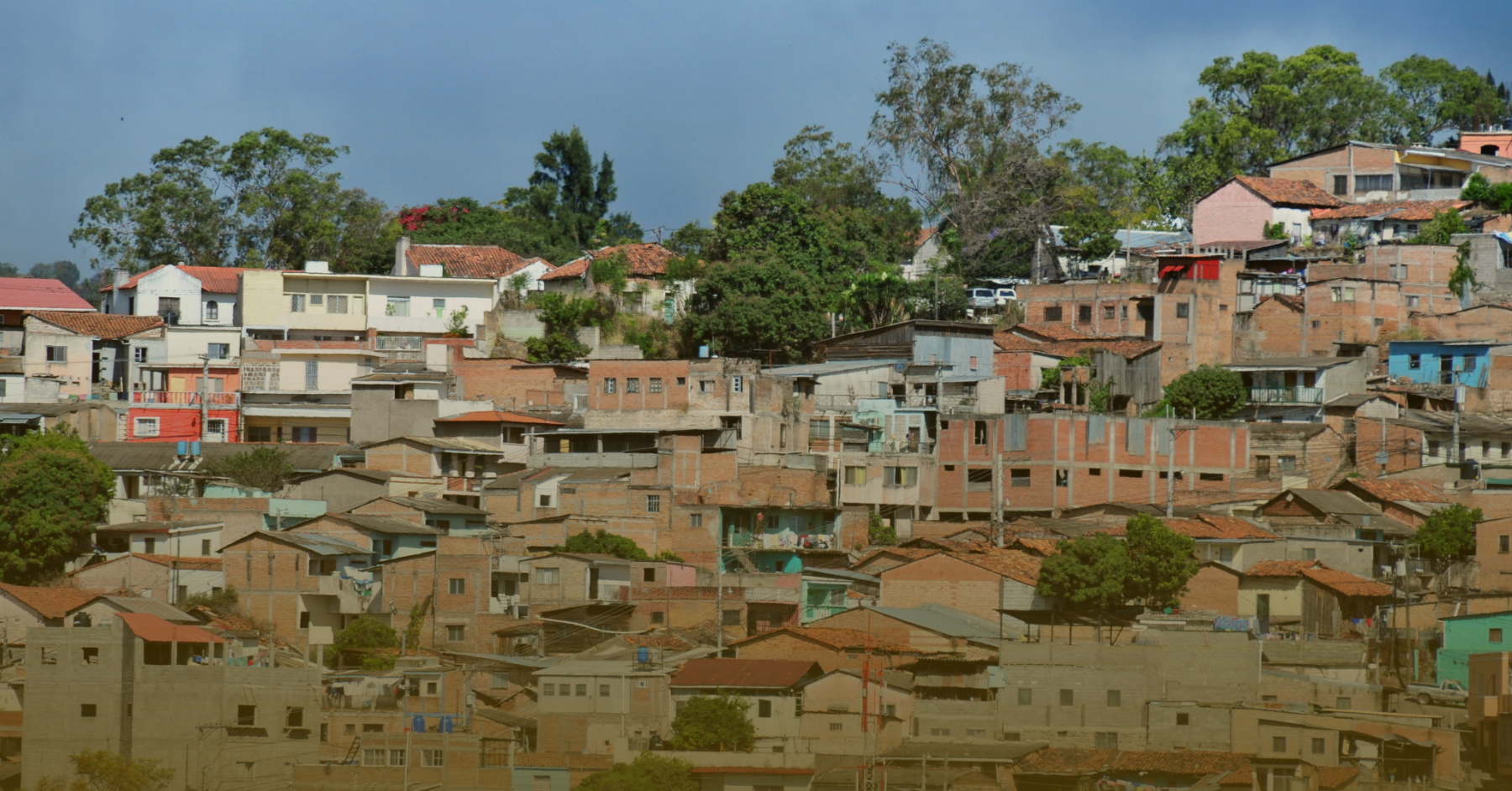
Urban Climate Resilience Research: Webinar Series
About the series
Cities are on the frontlines of the climate crisis, and increasingly where the most promising solutions are being tested. Across this series, researchers share original findings on how cities in low- and middle-income countries are building resilience, from community-led adaptation to nature-based solutions.
The GDPC Spotlight Research Grants Program on Urban Climate Resilience supported 35 research teams working in 23 countries across Latin America, Africa, and Asia Pacific. The program set out to deepen the evidence on how cities, especially in low- and middle-income countries, build resilience across governance, socio-economic, and ecosystem pathways.
This webinar series brings that research directly to practitioners, policymakers, and city leaders. Each session groups researchers around a shared theme — community-driven adaptation, socio-economic and governance drivers of resilience, and nature-based solutions — with short presentations, a moderated panel, and live audience Q&A. Recordings and recaps are posted here after each session.
Schedule
Five sessions are open for registration. Register separately for each. Additional sessions in the series will be added here as they are scheduled.
-
20 Oct 2026 · 08:00 ET Community-Driven Innovations for Adaptation
Grassroots and technology-enabled adaptation, led by communities
-
3 Nov 2026 · 08:00 ET Participatory Planning & Community Voice
Bringing community voice into urban planning
-
16 Nov 2026 · 08:00 ET Socio-Economic Incentives I: Financial Mechanisms for Resilience
Cash grants, credit, and incentives for the informal sector
-
2 Dec 2026 · 10:00 ET Socio-Economic Incentives II: Insurance, Savings & Social Protection
Safety nets that keep urban households afloat through shocks
-
17 Dec 2026 · 12:00 ET Urban Climate Governance I: Institutions & Participation
Institutional frameworks for equitable climate action
Webinar sessions
Each session runs 90 minutes: researcher presentations, a moderated panel across contexts, and live audience Q&A. Register separately for each session.
Community-Driven Innovations for Adaptation
Technology-enabled and grassroots innovations communities are using to adapt to climate risk
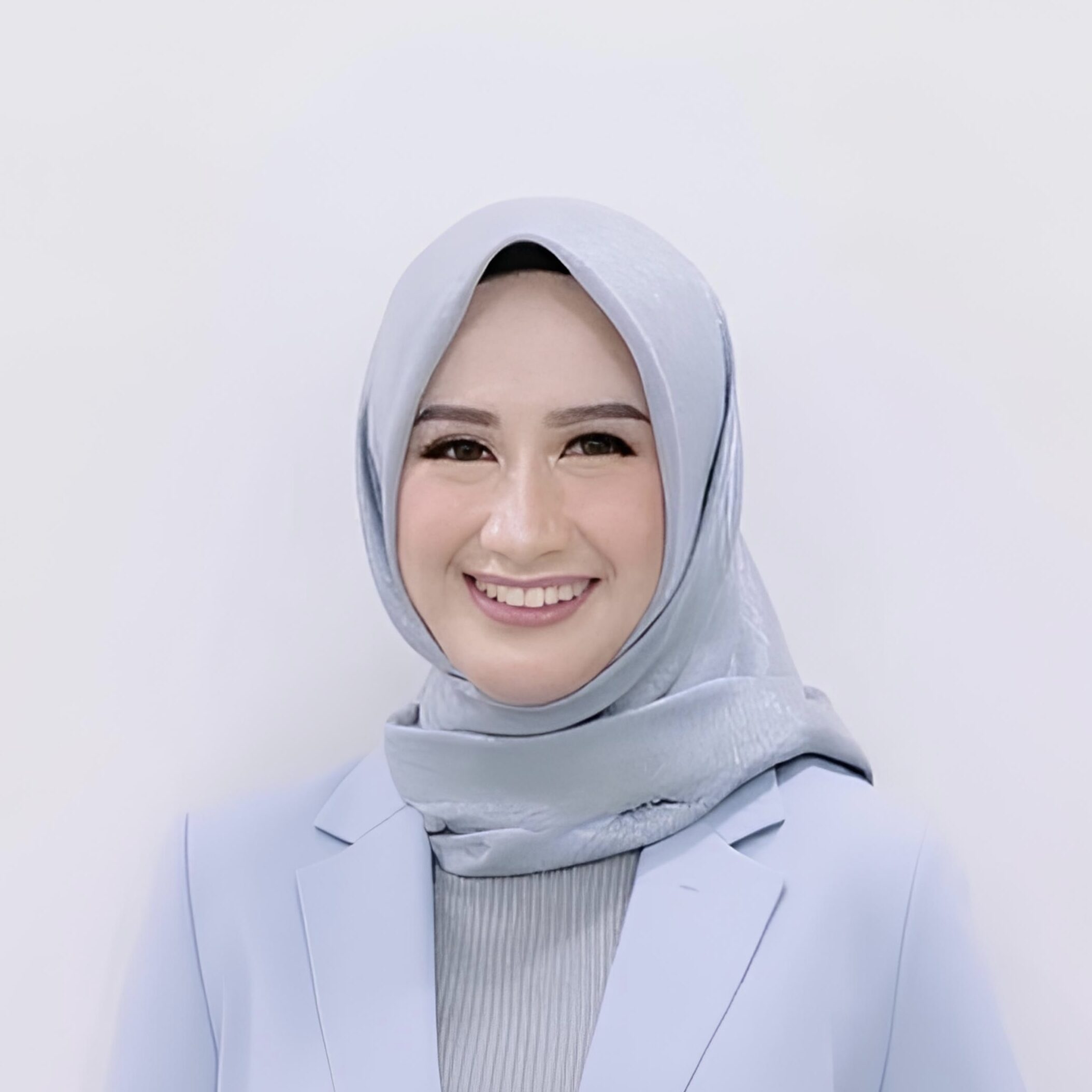
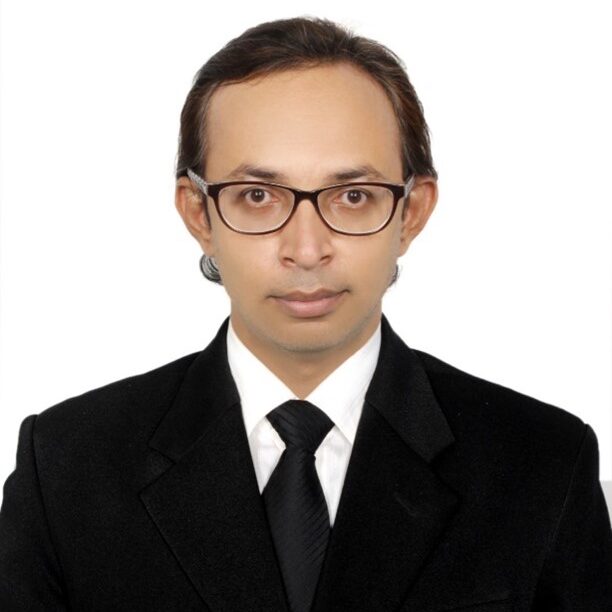
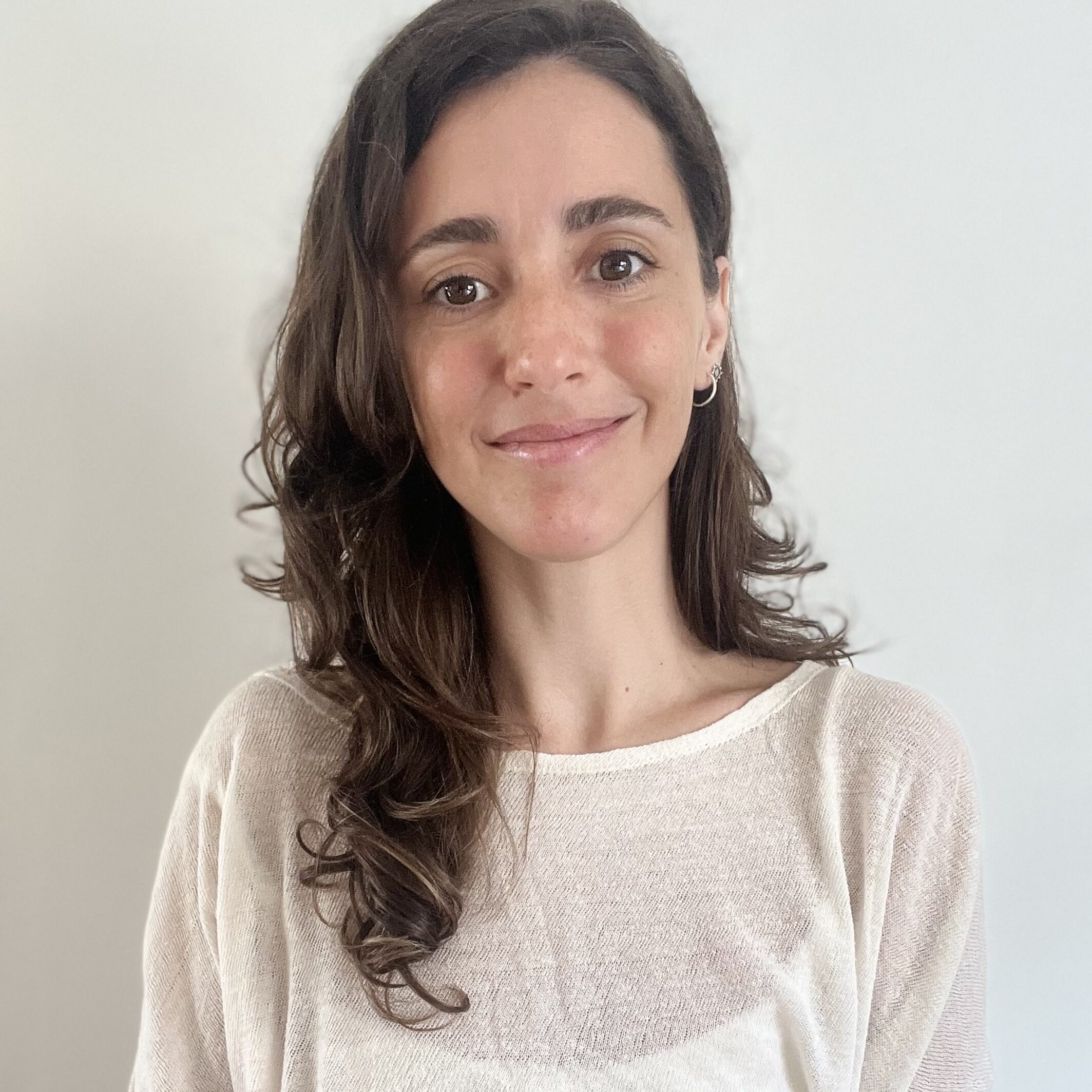
This session opens the series with community-driven innovation — the strategies residents themselves develop to cope with climate risk, often with little institutional support. Researchers present technology-enabled and grassroots adaptation from Indonesia, Kenya, Bangladesh, Pakistan, and Argentina/Chile.
Researchers presenting


Participatory Planning & Community Voice
Participatory methods — from filmmaking to digital co-design — that bring communities into urban planning
How do you make urban planning genuinely participatory — not just consultative? Four researchers test different answers, from digital co-design platforms to participatory filmmaking as a planning tool, across Tanzania, Kenya, Malawi, and Nigeria.
Researchers presenting


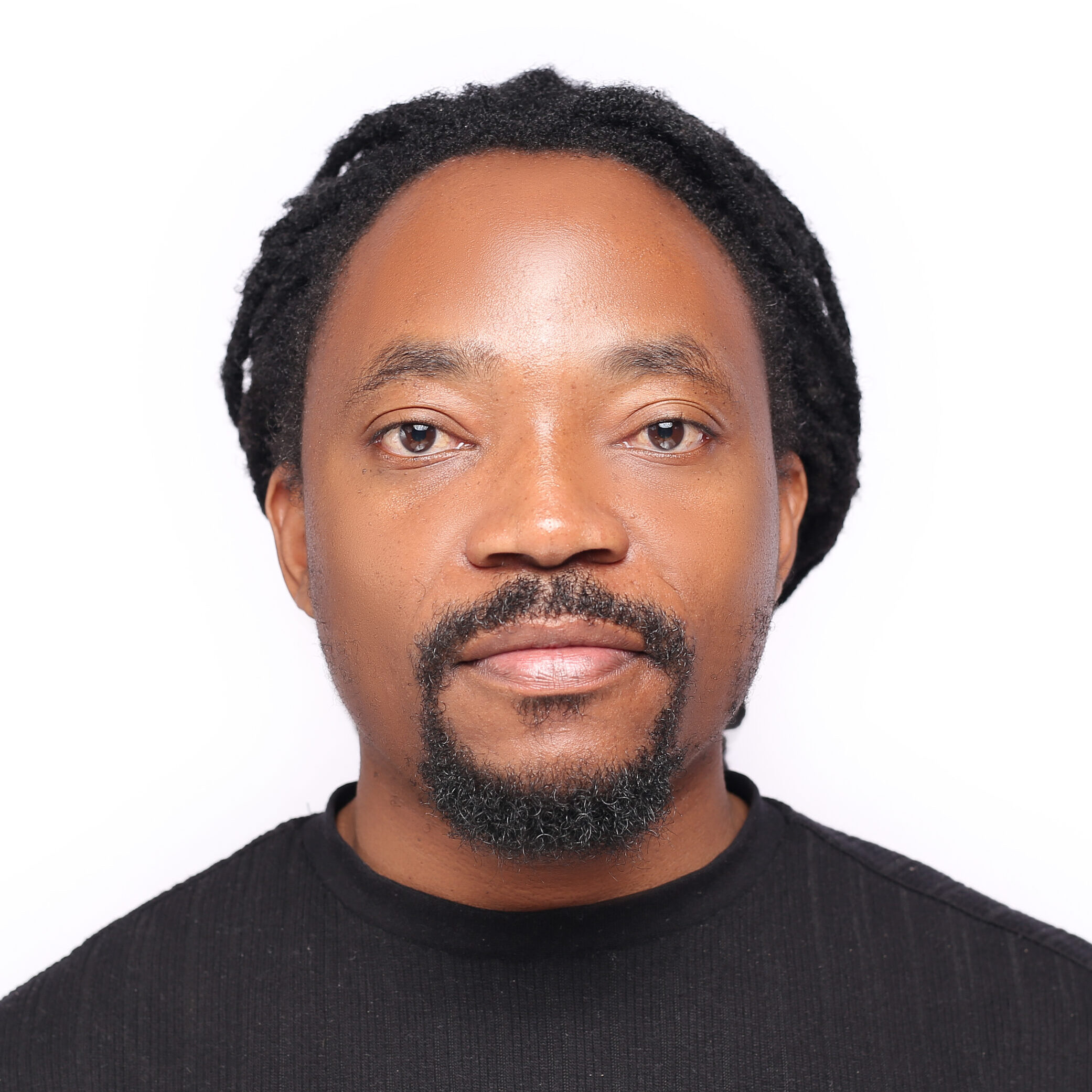
Socio-Economic Incentives I: Financial Mechanisms for Resilience
Cash grants, financial mechanisms, and incentives for informal-sector resilience
The informal economy is essential to urban life across the Global South — and highly exposed to climate shocks. This session examines what financial "boosts" actually help, with research on cash grants, micro-credit, and resilience incentives from Eswatini, Malawi, Madagascar, and India.
Researchers presenting
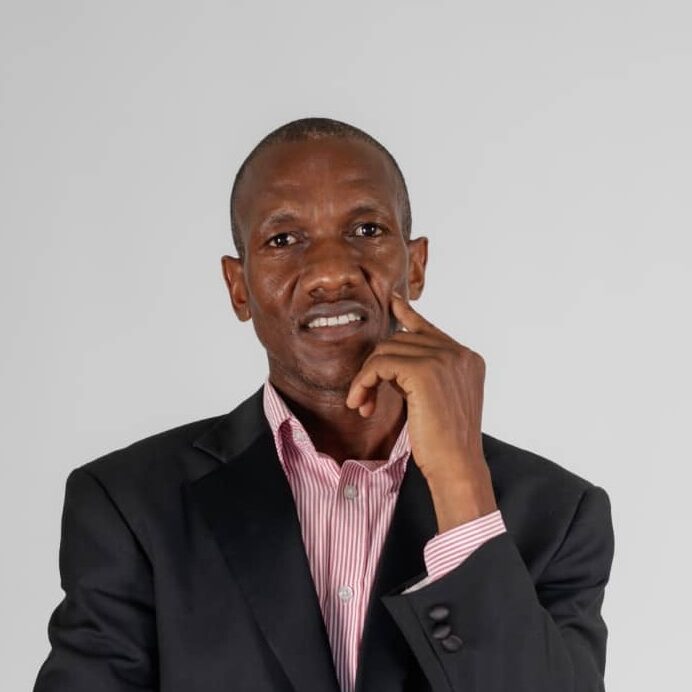

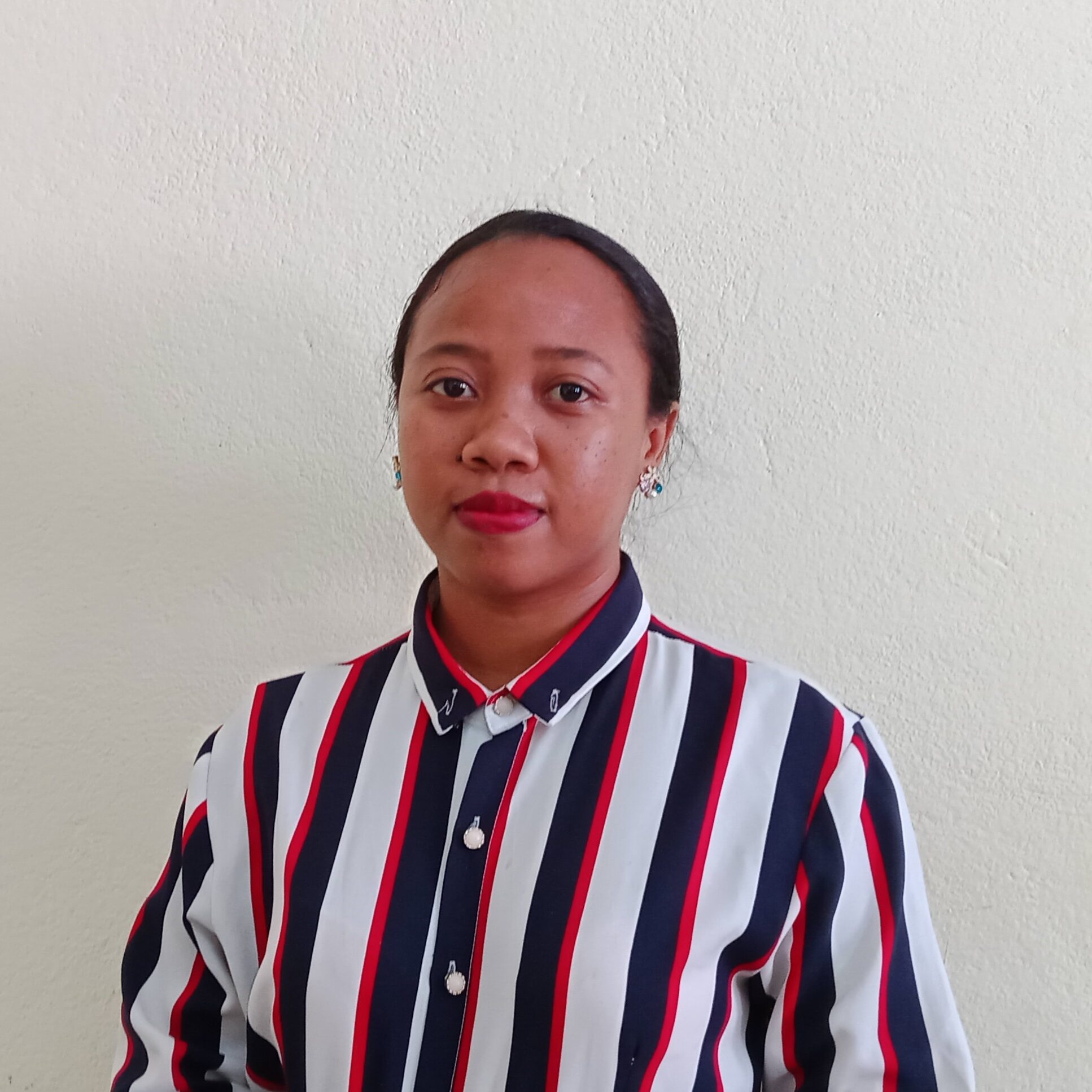
Socio-Economic Incentives II: Insurance, Savings & Social Protection
Insurance, savings groups, and social protection as resilience tools
This session digs into the mechanisms designed to catch households before climate shocks push them into crisis — micro-insurance, savings groups, and cash-transfer programs — with research from Tanzania, Pakistan, and Ghana.
Researchers presenting




Urban Climate Governance I: Institutions & Participation
Institutional frameworks and participatory governance models for flood and heat resilience
Strong technical solutions still depend on the institutions that implement them. This session examines governance gaps and models across four very different urban contexts, from participatory flood governance to disability-inclusive preparedness, in Ghana, Zambia, India, and Paraguay.
Researchers presenting



Explore more
This series is part of the GDPC's wider research and knowledge-sharing work on climate and disaster resilience. Explore a companion webinar series, Reaching the Last Mile: Evidence & Practice for Inclusive Early Warning Systems. Or learn more about the GDPC Spotlight Research Grants Program.