Too Hot at Home: Recognising the Risks of Indoor Heat
 October 14, 2026
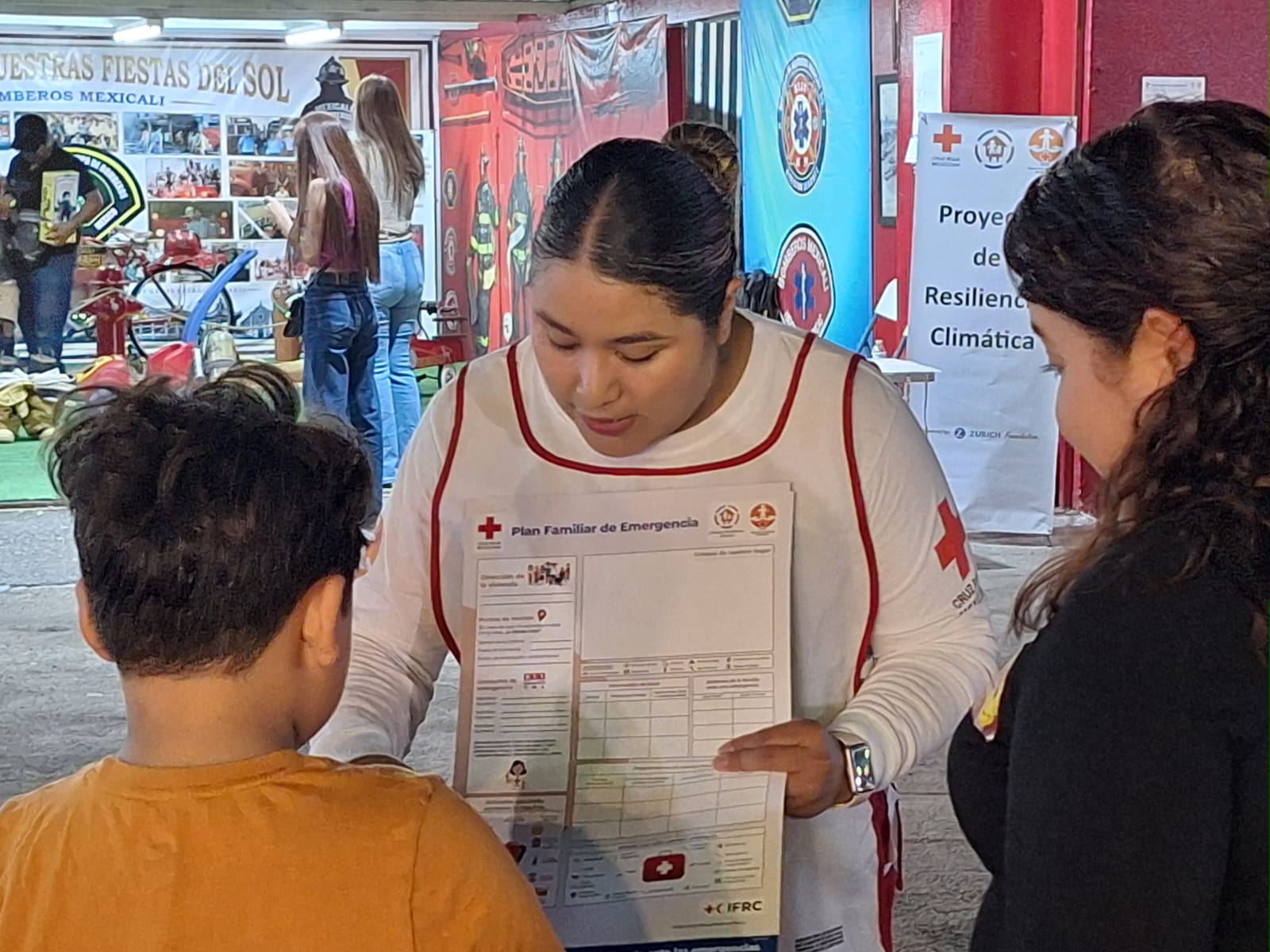
Image description: Explaining the family emergency plan for heat to community members during the annual fair, Fiestas del Sol, Mexicali, Baja California. Source: Mexican Red Cross
As this year’s International Day for Disaster Risk Reduction highlights, “Resilience starts at home”, understanding how homes heat up, who is most vulnerable and what households can do to stay safe is an important part of preparing for extreme heat and reducing its impacts on health. In recent years, extreme heat has become a silent but increasingly significant threat to health, particularly for exposed and vulnerable populations. In Mexico, the Ministry of Health reported 2,140 cases of heat-related illnesses and 121 heat-related deaths between March and September 2026. Baja California, in the north-western part of Mexico, recorded the highest temperatures (52.8 °C) and numbers of deaths (51).
Since 2024, the Mexican Red Cross, through its National Disaster Risk Reduction Program and the Zurich Climate Resilience Alliance has strengthened heat resilience in Mexicali, Baja California, by raising community awareness, supporting early action, and working with key stakeholders to position extreme heat as a cross-cutting priority.
While extreme heat is often viewed as an outdoor risk, its impacts do not stop at the front door. Indoor temperatures can also reach dangerous levels, particularly for people who are more vulnerable to heat, such as children, older adults, and persons living with disabilities and other chronic conditions.
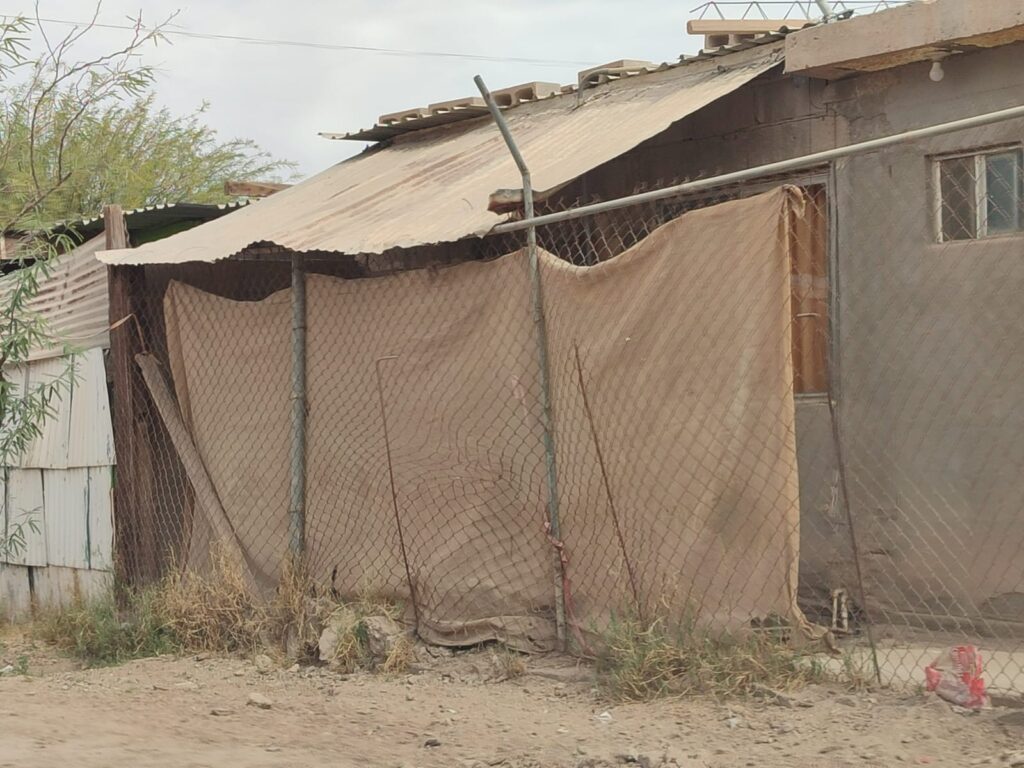
Why can homes become dangerously hot?
Extreme heat does not affect all homes in the same way. The design and physical characteristics of a building can determine how much heat enters, accumulates and remains indoors. According to INEGI data, less than 5% of homes nationwide have thermal insulation.
In Mexicali, homes can become particularly hot when roofs and walls are made from concrete, uninsulated concrete blocks, corrugated metal, or other dark heat-absorbing materials, in addition to windows lacking curtains or blinds for shading, or rooms which are directly exposed to the sun. Other factors can further increase indoor temperatures, including limited access to cooling, insufficient vegetation around homes and the intensive use of heat-generating household appliances, such as the refrigerator, oven, or iron.
“Indoor heat is influenced not only by the building itself, but also by how it is cooled, its surrounding environment and how energy is used inside the home.”
Oscar Pérez, Risk Engineering Lead, Zurich Resilience Solutions Mexico
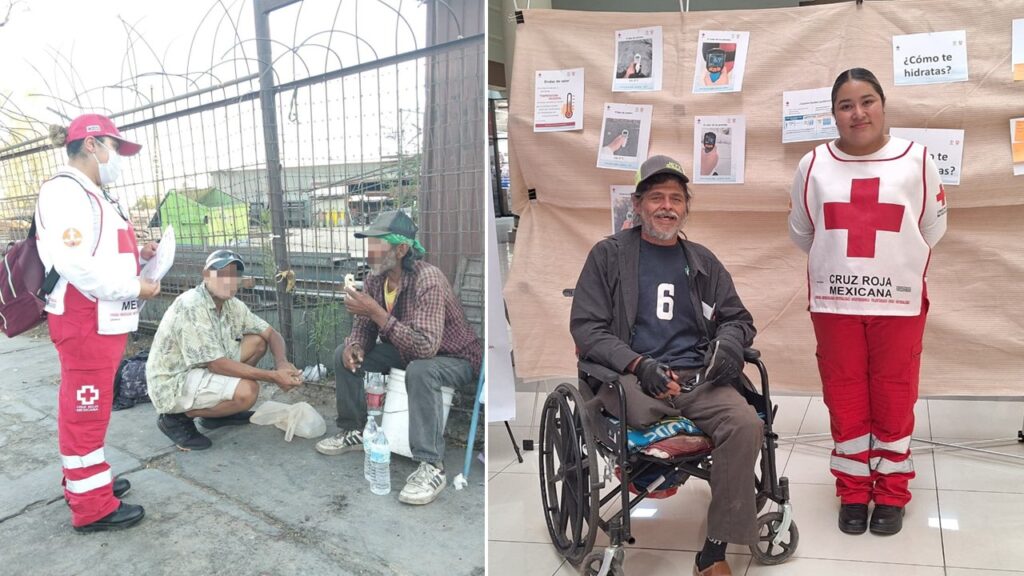
Who is most vulnerable to indoor heat?
The same indoor temperature can affect people differently depending on their health, age, living conditions and ability to adapt. Older adults and children can have greater difficulty regulating temperature, while people living with chronic conditions, including cardiovascular, respiratory and other noncommunicable diseases, may also face greater health risks during extreme heat. The effects of indoor heat can extend beyond immediate symptoms such as heat exhaustion, dehydration and heat stroke. Prolonged exposure to high temperatures can also disrupt sleep and affect cognitive function.
Household and social circumstances can further shape exposure and vulnerability. People with limited financial resources may have fewer options to improve their homes, access cooling or manage higher energy costs. In Mexicali, researchers from the Autonomous University of Baja California have identified areas with lower-income households and informal settlements in the eastern and southwestern periphery as particularly vulnerable to extreme heat. People who live alone, require care or have limited access to support may face additional challenges in recognising and responding to heat. Domestic and caregiving responsibilities, which is commonly assumed by women, can also increase exposure to high indoor temperatures. Limited access to reliable information and awareness of heat risks can harden protective and preventive action among vulnerable groups.
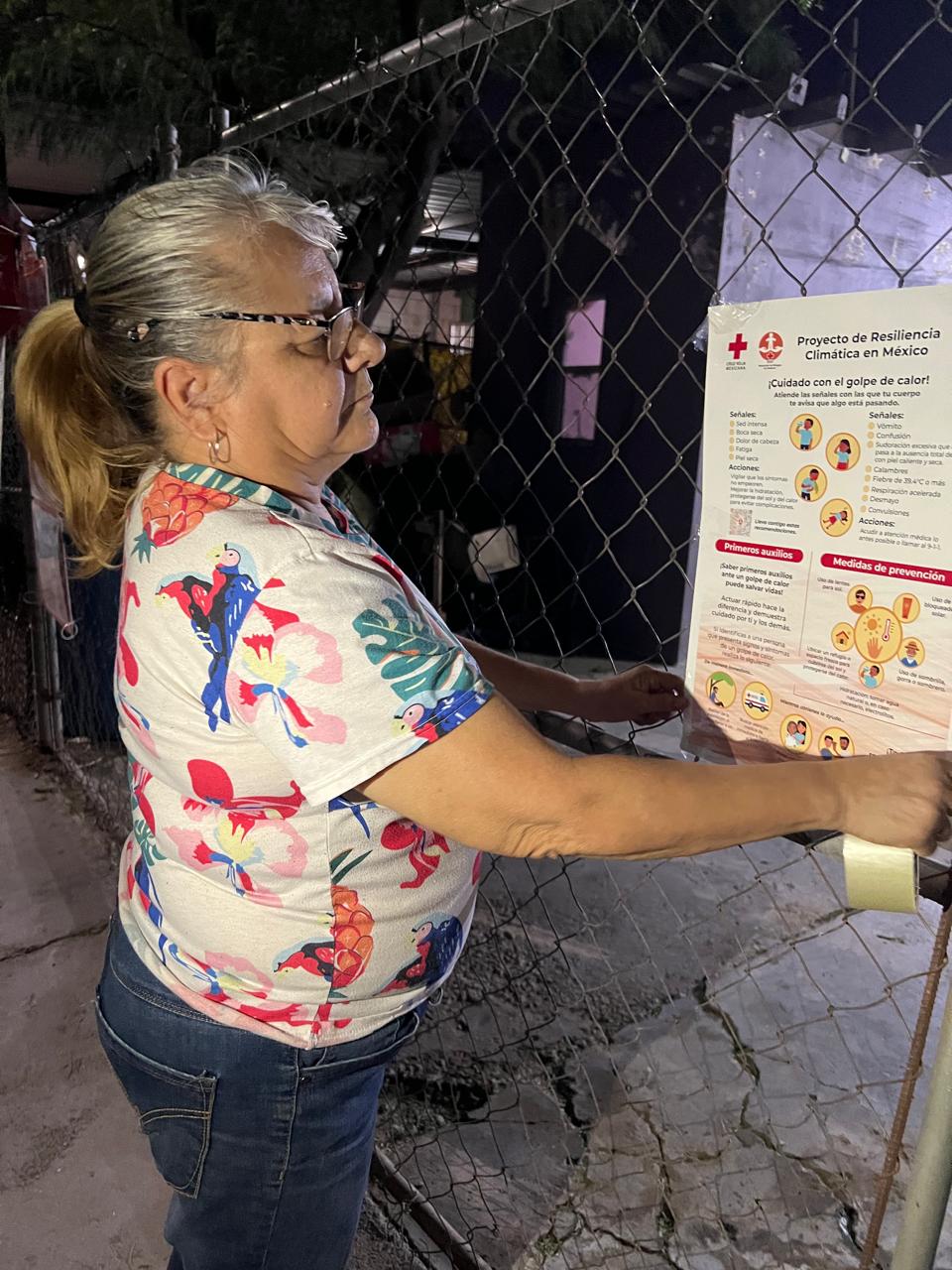
Extreme heat does not only occur during the day. High temperatures at night can increase exposure when most people are at home. In Mexicali, nighttime temperatures have reached up to 36°C, which can make it difficult for homes to cool down and for people to recover from daytime heat. When extreme heat becomes familiar, its risks can also be underestimated.
How we’re supporting communities to reduce the impact of indoor heat
Strengthening resilience to indoor heat means helping families understand the risks they face and giving them practical tools to prepare and act early. In Mexicali, the Mexican Red Cross has been working with families, communities and local institutions to build this capacity.
A key approach is the Family Emergency Plan, a practical tool developed by the Mexican Red Cross that helps households identify risks, plan protective actions and agree on roles and responsibilities before an emergency occurs. For extreme heat, families can use the plan to identify who may need additional support, what to do when heat is forecast, what supplies they need and where to access help if conditions become unsafe.
The plans also encourage families to identify ways to reduce heat exposure before an event occurs. Simple measures such as closing blinds and curtains during the day, taking cold baths, staying hydrated and wearing light, loose clothing can help.
“Identifying where heat accumulates in and around the home is an important first step. Longer-term measures such as shading, ventilation, painting roofs white and covering windows can help reduce heat exposure.”
Oscar Pérez, Risk Engineering Lead, Zurich Resilience Solutions Mexico
This household-level work is complemented by efforts to strengthen the systems that support communities. The Mexican Red Cross and Zurich Mexico have raised awareness of extreme heat through a joint webinar, while heat-specific knowledge is being integrated into training for Emergency Medical Technicians and nurses in Mexicali.
The Mexican Red Cross is also assessing gaps in the local heat early warning system and the capacity of community health centres. These collaborative assessments are helping to identify challenges – including limited access to forecasts, backup power and supplies – provide a basis for working with local stakeholders to strengthen preparedness, response and support for people most at risk.
Take action at home and beyond
Indoor heat is a silent and complex risk that can affect people unequally, depending on their health, age, living conditions, access to cooling and the characteristics of their homes and neighbourhoods. As extreme heat becomes more frequent and intense, recognising these differences is essential to ensuring that people can take action before conditions become dangerous.
But indoor heat cannot be addressed by households alone. Reliable and timely information, accessible cooling options, resilient housing and stronger community connectivity and support are also needed to reduce unequal impacts. Building resilience starts with understanding the risk, preparing at home and acting early – but it also requires collective action to make safer homes and communities possible for everyone.