Field notes from the South: The importance of data in disaster preparedness
 October 29, 2026
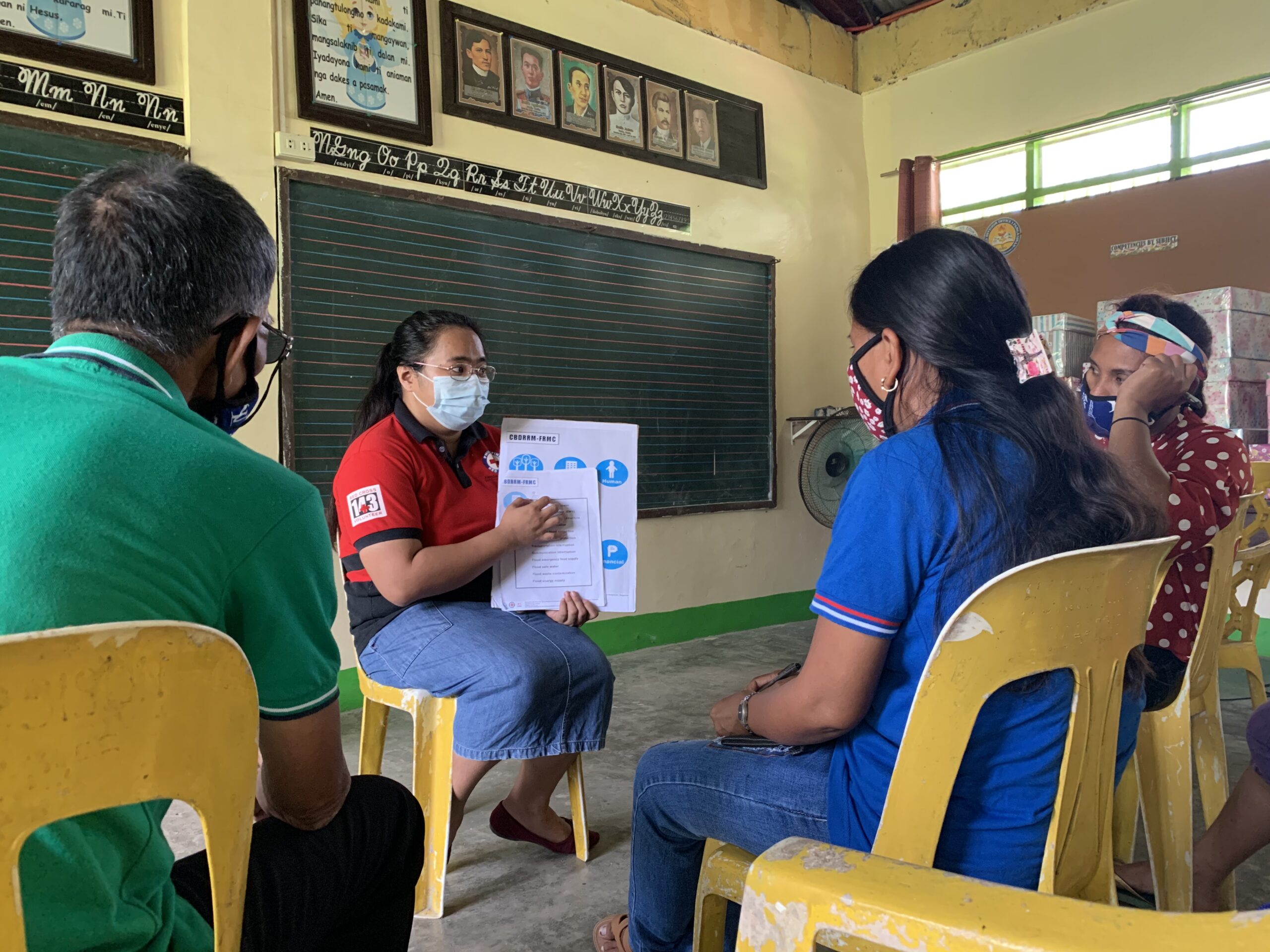
Having spent time in the field researching, engaging with communities, learning from their cultures and observing their disaster response and adaptation strategies, I have found myself reflecting on the critical role that data systems play in strengthening community preparedness and shaping the future of humanitarian response. These field notes emerge from a simple but profound realization: the systems we build to collect, analyze and use data are not merely organizational tools. They influence how communities are understood, whose needs are prioritized, where resources are directed and ultimately, whose lives are protected.
Being entrusted with data is being entrusted with life
Behind every data point is a person, a household or a community whose safety and future may depend on the decisions that data informs. In disaster preparedness, data is not simply about documenting vulnerabilities or reporting the number of people reached. It is about anticipating risks, understanding community capacities, identifying emerging needs and ensuring that interventions are timely, appropriate and responsive to lived realities. Without reliable and contextually relevant data, disaster responses risk being misinformed, resources misdirected and the people most in need overlooked. Data systems designed for the future must therefore do more than capture what has happened, they must help us anticipate what could happen and prepare accordingly.
Whose realities are our data systems capturing?
As disasters become increasingly complex, overlapping and interconnected, our information systems must evolve to reflect the changing nature of risk. Climate related hazards, displacement, food insecurity, public health emergencies and economic shocks can converge, creating cascading crises that demand more integrated responses. Are our tools keeping pace with these changing information needs? Do they capture not only who is vulnerable, but why, to what and under which circumstances? Can they identify existing community capacities, local resources, early warning signals and the interventions most likely to reduce harm? The quality of our preparedness depends, in part, on whether our systems can answer these questions before a crisis escalates.
This requires us to confront a persistent challenge: the communities most exposed to disasters are not always those most visible in our datasets. Remote and digitally underserved communities, for example, may have limited access to the technologies through which information is increasingly collected and shared. Yet their exclusion from digital systems must never translate into exclusion from planning, resources or protection. We must design inclusive approaches that combine appropriate digital tools with community based data collection, local knowledge and accessible feedback mechanisms. The objective is not simply to collect more data but to ensure that the information guiding decisions reflects the people whose lives those decisions affect.
Are our data systems capturing the right quality data?
We must also ask ourselves whether our data collection tools capture the information we genuinely need, how consistently information is recorded, how frequently it is verified and how often communities are invited to validate the findings. How participatory are our methods? Who determines which questions are asked, which indicators matter and how the findings are interpreted? These are not merely technical considerations, they are questions of accountability, representation and power. Inconsistent reporting, poorly designed indicators and limited community validation can undermine the reliability of entire information systems. Conversely, data quality assurance, participatory monitoring, triangulation and regular feedback can strengthen confidence in the evidence and improve the decisions that follow. Communities should not only be sources of data, they should also be participants in interpreting it and shaping the responses it informs.
Locally grounded community knowledge systems
Equally important is recognizing that communities are not passive recipients of humanitarian assistance, nor are they starting from zero when disasters strike. They possess knowledge, experience, coping strategies, social networks and adaptation practices developed over generations. In the data continuum, our responsibility is not to start afresh with every intervention, but to start from somewhere, to recognize what already exists, understand what works, identify what is changing and build on the foundations communities have established. Every community has its own history, social structures, cultural practices and ways of understanding the world. These shape how risks are perceived, how information is shared and how decisions are made.
When external data systems disregard these realities, they risk dismantling or overlooking existing capacities rather than strengthening them. When we recognize local knowledge and bring it into dialogue with scientific evidence, administrative records and early warning information, we create a stronger foundation for locally grounded and contextually appropriate preparedness.
Standardized data systems
Standardized data systems remain essential for coordination, comparability, resource allocation, and accountability across humanitarian actors and government institutions. However, standardization must not come at the expense of local relevance. We need systems that establish common standards while remaining flexible enough to capture the diversity of community experiences and changing patterns of risk. We also need continuity, systems that allow information, lessons and evidence to inform successive preparedness and response efforts rather than being lost when projects end, funding cycles change or new actors arrive. Data protection, responsible information sharing and the ethical management of sensitive information must underpin this process, because the pursuit of better evidence must never expose vulnerable people to further harm.
Quality data systems are therefore foundational to a humanitarian response architecture that is fit for today and prepared for tomorrow. They connect early warning to early action, community knowledge to institutional planning and evidence to accountability. They help governments and humanitarian stakeholders understand where resources are needed, whether interventions are working and what must change. They also make it possible to assess value for money not simply in terms of expenditure or the number of people reached, but through the contribution investments make to reducing risk, strengthening resilience and protecting lives.
As I reflect on these field experiences, I am reminded that the true value of data lies not in the volume we collect, the sophistication of our tools, or the reports we produce. Its value lies in what we do differently because of what we learn. Are we making earlier decisions? Reaching overlooked communities? Strengthening existing capacities? Directing resources where they can make the greatest difference? And are we accountable to the people whose realities our data represents?
The future of disaster preparedness depends not only on collecting better data but on building better relationships between data, decisions, institutions and communities. When data systems are inclusive, reliable, participatory and grounded in local realities, they become more than technical infrastructure. They become instruments of preparedness, accountability and transformation, helping build communities that are not merely responding to disasters, but are better equipped to anticipate risks, adapt to change and shape their own futures. Every life protected, every community strengthened and every generation better prepared is a reminder of the responsibility that comes with being entrusted with data.
Brighton is an Evidence and Learning Systems Researcher with interest in International Humanitarian Systems, Disaster Risk Management and Sustainability he is former Atlas Corps Fellow with the DMREL Team.