India

Past disaster eventsEM-DAT listing of disaster events in IndiaDisaster statistics from UN-ISDR and CREDRisk country profile from Index for Risk ManagementDisaster response and management data from ReliefWebGovernment policiesHFA Progress Reports, government plans, and government statements – http://www.unisdr.org/partners/countries/indRed Cross + civil societyIFRC appeals and info bulletins for India

Guide Methodologique Sensibilisation et Education à la RRC – PEID

Ce guide méthodologique a été élaboré et conçu afin d’accompagner les praticiens du Mouvement de la Croix-Rouge et du Croissant-Rouge – plus spécifiquement les chefs et coordinateurs de projets et les volontaires – qui travaillent dans le domaine de la Réduction des Risques de Catastrophes (RRC) dans les Petits États Insulaires en Développement (PEID). Le […]

Guide Methodologique Sensibilisation et Education à la RRC – PEID Read More »

Boîte à Outils Sensibilisation et Education à la RRC – PEID

À propos de la Boîte à Outils Cette boîte à outils a été préparée conjointement avec les équipes de la PIROI (La Réunion/Mayotte), le pôle de la Direction des Relations et Opérations Internationales de la Croix-Rouge française, la Croix-Rouge Allemande basée à Madagascar, et les Sociétés nationales des Comores, de Maurice, des Seychelles, de Madagascar,

Boîte à Outils Sensibilisation et Education à la RRC – PEID Read More »

DRR Awareness and Education Methodology Guide for SIDS

This methodological guide has been designed to support Red Cross and Red Crescent Movement practitioners—specifically project managers, coordinators, and volunteers—working in the field of disaster risk reduction (DRR) education in Small Island Developing States (SIDS). These tools apply a community and school-based disaster risk management approach adapted to the SIDS context, in order to identify

DRR Awareness and Education Methodology Guide for SIDS Read More »

Pakistan’s path to sustainability: Advancements in cleaner production, a circular economy, and climate-smart solutions

Pakistan is at a critical juncture in its sustainability journey, a moment characterized by diverse landscapes and resilient communities. This commentary explores the multifaceted approach necessary to tackle the nation’s environmental, economic, and societal challenges within the framework of cleaner production, a circular economy, and climate-smart solutions. Environmental issues loom large, with rising air and water pollution, land degradation, and the increasing threat

Pakistan’s path to sustainability: Advancements in cleaner production, a circular economy, and climate-smart solutions Read More »

Community-developed Early Warning and Early Action Systems: The Case of South Omo Communities in Ethiopia

Authors: Tirsit Sahledingle and Desalegn Amsalu, Institute of Ethiopian Studies, Addis Ababa University This research delves into the Indigenous early warning and early action systems developed by the agro-pastoralist communities in South Omo, Ethiopia, to respond to natural disasters, particularly floods. Using a combination of spiritual, ecological, and technical knowledge, these community-led systems have been vital

Community-developed Early Warning and Early Action Systems: The Case of South Omo Communities in Ethiopia Read More »

Fishers on the First Mile: Early Warning Early Action by Traditional Fishers of Southwestern India

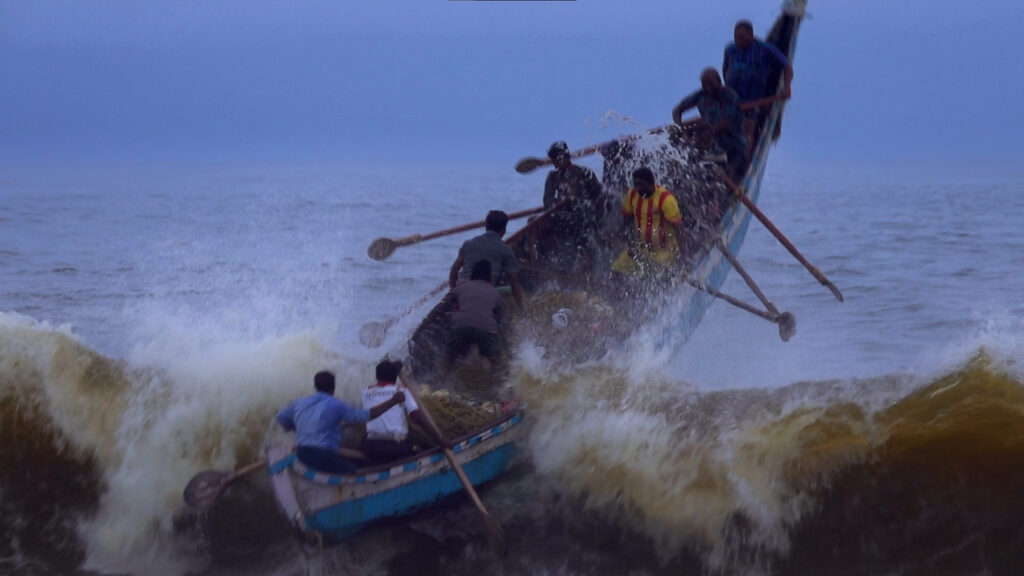
Authors: Max Martin, Department of Life Sciences, Christ University, Bengaluru; visiting research fellow, School of Glob-al Studies, University of Sussex, UK The study examines how traditional fishers in Thiruvananthapuram, southwestern India, respond to early warning systems (EWS) in the context of increased risks due to climate change and extreme weather. The region is home to

Fishers on the First Mile: Early Warning Early Action by Traditional Fishers of Southwestern India Read More »

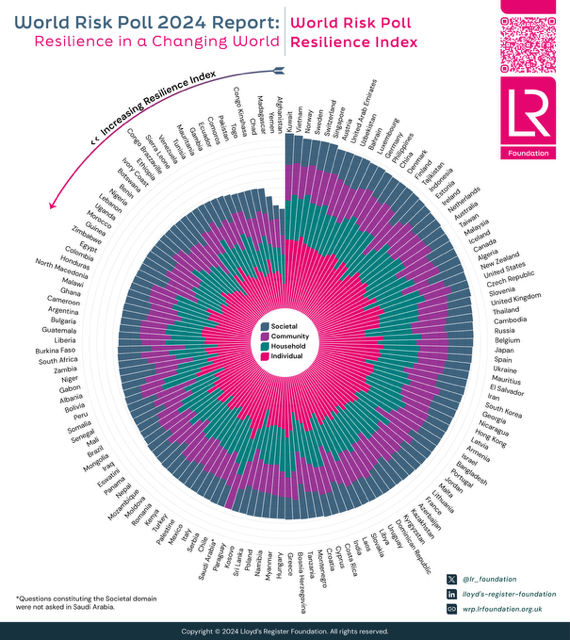
World Risk Poll 2024 Report: Resilience in a Changing World

This is the release of the second edition of the Lloyd’s Register Foundation World Risk Poll Resilience Index. This resource offers deep insights into the resilience and vulnerabilities of countries and communities globally, especially regarding climate change-related disasters and other shocks. The DARAJA service and partnership contributed to this report, which highlights crucial findings for

World Risk Poll 2024 Report: Resilience in a Changing World Read More »

Upskilling for Resilience: A Guide to Free Online Disaster Preparedness Training

As disasters continue to challenge communities worldwide, it is crucial for disaster management practitioners to stay up-to-date with the latest knowledge, training, and skills to help keep communities safer during these crises. To aid in the professional development of this critical workforce, the Global Disaster Preparedness Center (GDPC) has curated a list of free online

Upskilling for Resilience: A Guide to Free Online Disaster Preparedness Training Read More »

Urgency of heatwave risk management

This issue of Southasiadisasters.net is titled the ‘Urgency of Heatwave Risk Management’. Heatwaves are not only here to stay but will accelerate in their frequency, severity, loss and damage, at all levels. Read 15 vibrant and realize perspectives to find your own way to manage heatwave risk, to avoid heatwave-caused deaths. As climate change intensifies,

Urgency of heatwave risk management Read More »

Trilateral best practices report- Tools and technologies for earthquake risk management: Sharing experience from Northeast Asia

This report brings together best practices in earthquake risk reduction from China, Japan and the Republic of Korea, as well as Mongolia, which were shared in a regional online workshop organized in August 2023 by the Trilateral Cooperation Secretariat (TCS) and the United Nations Office for Disaster Risk Reduction (UNDRR) as part of a collaboration

Trilateral best practices report- Tools and technologies for earthquake risk management: Sharing experience from Northeast Asia Read More »

Scroll to Top