Africa

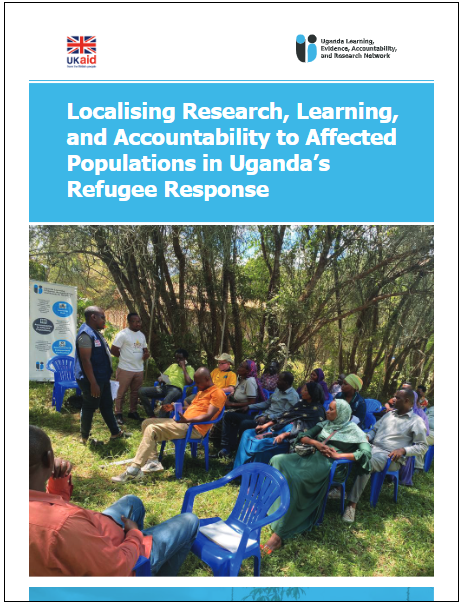
Localising Research, Learning and Accountability to Affected Populations in Uganda’s Refugee Response

The Localisation Assessment Report explores how actors currently generate, share, and use evidence and how they engage affected populations to inform decision-making in the Uganda’s refugee response. It analyses local views and practices in the response in relation to research, learning and AAP. It begins with a desk review of localisation in humanitarian evidence generation, […]

Localising Research, Learning and Accountability to Affected Populations in Uganda’s Refugee Response Read More »

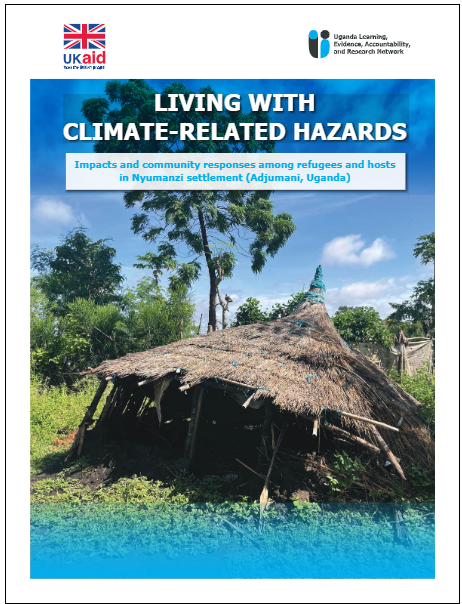
Living with Climate-related hazards in Nyumanzi settlement (Adjumani, Uganda)

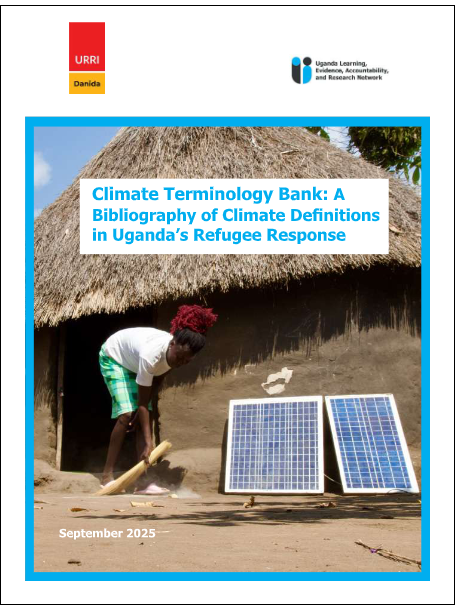
This in-depth assessment, drawing primarily on data collected in 2024, examines climate change response strategies in the refugee and host communities of Nyumanzi settlement (Adjumani District). It aims to provide detailed data on perceived local climate impacts, deepen understanding of how vulnerable populations are responding, and equip humanitarian actors with actionable insights for more effective

Living with Climate-related hazards in Nyumanzi settlement (Adjumani, Uganda) Read More »

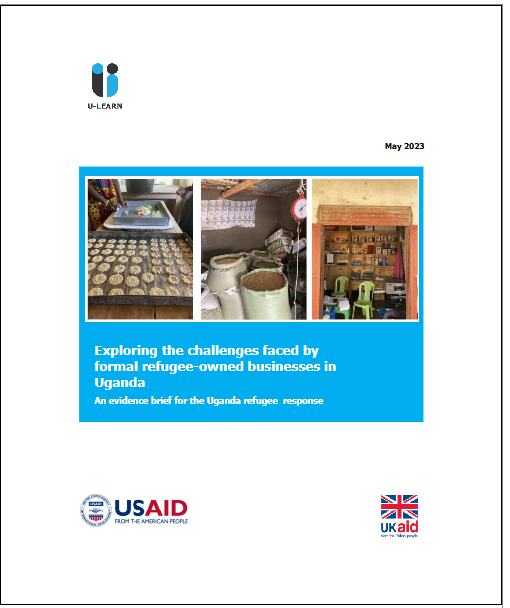
Exploring the challenges faced by formal refugee-owned businesses in Uganda

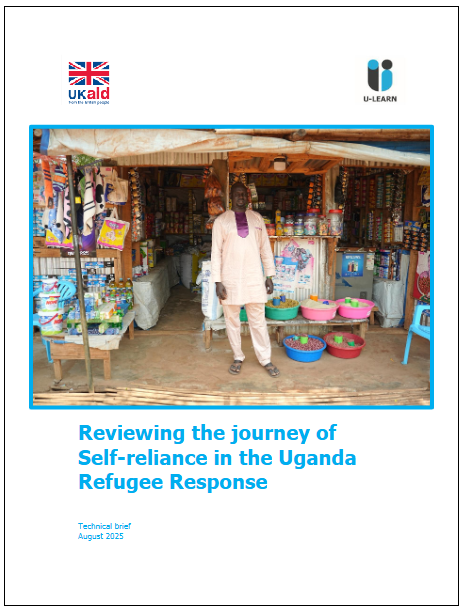
This brief explores the challenges faced by formal refugee-owned businesses in Palabek and Nakivale refugee settlements, including limited access to information on official business registration, high costs of registration, and a lack of standardization in the registration process. The findings and recommendations in this evidence brief are especially important as Uganda’s refugee response seeks to shift

Exploring the challenges faced by formal refugee-owned businesses in Uganda Read More »

Application of Climate-Smart Agriculture Approaches in Uganda’s Refugee Response

This desk review explores the application of climate-smart agriculture (CSA) in Uganda’s refugee response, highlighting the initiatives, policies, and strategies that promote resilient and sustainable farming practices among refugee and host communities. The review identifies key CSA approaches, including climate-resilient crop production, livestock management, water conservation, and agroforestry. It also maps out actors involved in

Application of Climate-Smart Agriculture Approaches in Uganda’s Refugee Response Read More »

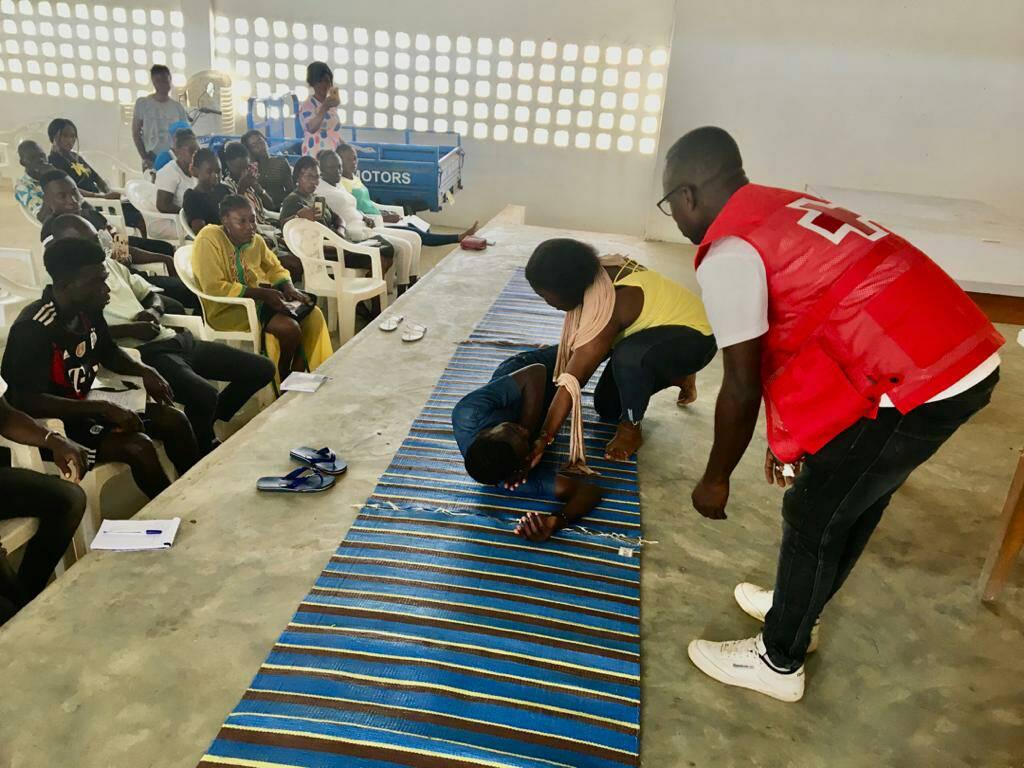
Youth trained to save lives: A step toward a more resilient community

As part of its ongoing commitment to youth and community resilience, the Red Cross organized a first aid training session for young people at the Bimbresso Civic Service Center. This initiative is part of the organization’s humanitarian mission to strengthen local emergency response capacities and promote a culture of prevention and solidarity within communities. For

Youth trained to save lives: A step toward a more resilient community Read More »

Call for Consultancy: Urban Heat Action Plan Evaluation

Increasing heat risks combined with rapid urbanization trends, especially in Africa and Southeast Asia, and aging population trends, for example in Europe, result in a need to scale action to prevent impacts on lives, health, and wellbeing. Recognizing this need, the Global Disaster Preparedness Center (GDPC) has been supporting heat action at multiple levels, from

Call for Consultancy: Urban Heat Action Plan Evaluation Read More »

Call for Consultancy: Curating Urban Resilience Processes and Tools

The International Federation of Red Cross Red Crescent (IFRC) has started implementation of a five-year (2022-2027) Coastal City Resilience and Extreme Heat Action Project (CoCHAP) in Collaboration with the Global Disaster Preparedness Center (GDPC) of the American Red Cross, the RCRC Climate Center, and partner RCRC National Societies of Bangladesh, Indonesia, Honduras, and Tanzania. However,

Call for Consultancy: Curating Urban Resilience Processes and Tools Read More »

Scroll to Top