Climate Change Adaptation

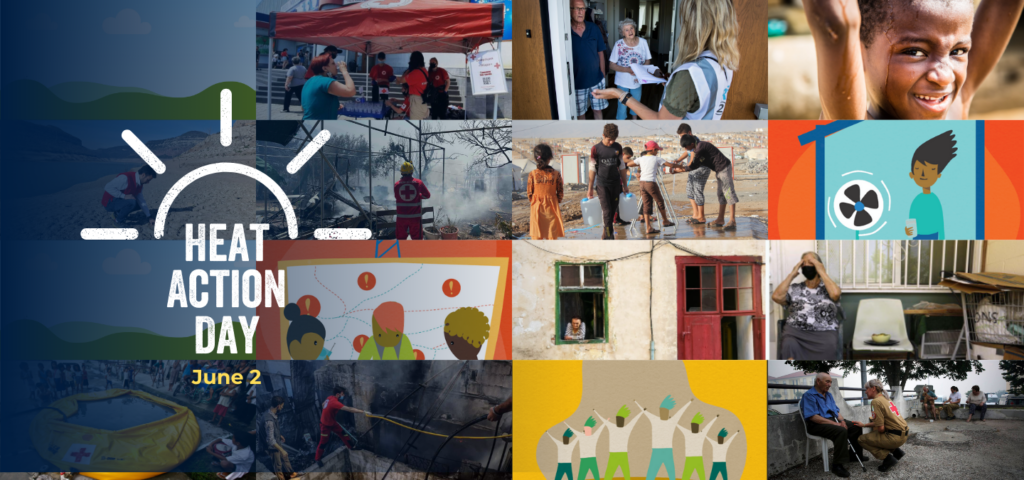
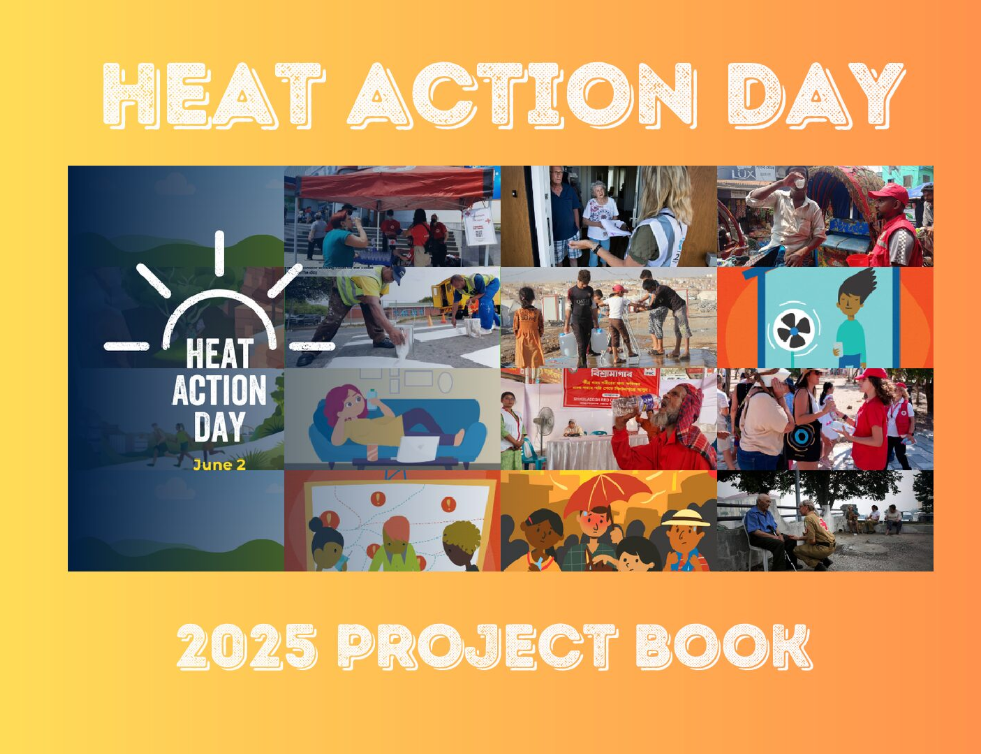
Heat Action Day 2025 – Activities to #BeatTheHeat all around the World

On Monday, June 2, 2025, we celebrated the 4th edition of Heat Action Day (HAD). As the impact of Heat Action Day spreads, our influence is a joy to quantify, with over 250 partner organizations and Red Cross Red Crescent National Societies taking part by organizing a multitude of activities in over 300 locations on

Heat Action Day 2025 – Activities to #BeatTheHeat all around the World Read More »

Community-based resilience-building: A UNDP guidance note

Over the past several decades, UNDP and many other organizations have implemented many community-based initiatives to reduce people’s vulnerability to a range of shocks and hazards. Experiences and reviews of lessons learned, however, have pointed to mixed results regarding the impact and long-term sustainability of this support. This calls for revisiting UNDP’s current approaches, which

Community-based resilience-building: A UNDP guidance note Read More »

Evaluating Nature-based Solutions as urban resilience and climate adaptation tools: A meta-analysis of their benefits on heatwaves and floods

Extreme weather events driven by climate change threaten the resilience of urban structures and urban dwellers. Nature-based Solutions (NbS) are an effective tool to reduce urban vulnerability to climate risks and, at the same time, develop more liveable urban areas. Despite the acknowledged positive impacts of individual observed NbS, numerous questions persist unanswered. While existing

Evaluating Nature-based Solutions as urban resilience and climate adaptation tools: A meta-analysis of their benefits on heatwaves and floods Read More »

Under the weather: Stories from communities on the front lines of climate and health adaptation

The health impacts of climate change are happening now. This report tells the stories of communities in three countries across Africa. Burkina Faso, Malawi and Somalia were chosen because they are among the African countries most vulnerable to climate change (NDGAIN, 2024). All three countries have recently experienced climate-health events, including heatwaves, cholera outbreaks and

Under the weather: Stories from communities on the front lines of climate and health adaptation Read More »

Fact Sheet: Coastal City Resilience and Extreme Heat Action Project (CoCHAP)

The Coastal City Resilience and Extreme Heat Action Project (CoCHAP) Fact Sheet outlines the progress and objectives of this initiative led by the IFRC with funding from USAID/BHA and technical support from the American Red Cross and the RCRC Climate Centre. CoCHAP focuses on building climate resilience in urban communities in nine secondary cities across

Fact Sheet: Coastal City Resilience and Extreme Heat Action Project (CoCHAP) Read More »

From Informality to Impact – The Untapped Potential of Scaling Urban Resilience Innovation in Informality

From Informality to Impact – The Untapped Potential of Scaling Urban Resilience Innovation in Informality Policy and Investment Briefing Note 9 November 2024 Currently only 1.2% of urban climate investments flow to climate change adaptation and resilience solutions. Increasing investment flows requires diversifying and strengthening the solution pipeline across different models – for-profit, not-for-profit, private-sector-led and private–public partnerships,

From Informality to Impact – The Untapped Potential of Scaling Urban Resilience Innovation in Informality Read More »

Co-designing solutions for urban resilience action

Coastal Cities and Extreme Heat Project (CoCHAP): Learning Product #1 – Co-Designing Solutions for Urban Resilience This learning product from the CoCHAP project provides an overview of the co-design process for developing solutions to risks and challenges identified through city-wide risk assessments in Tanzania and Honduras. It details the key steps and processes of the

Co-designing solutions for urban resilience action Read More »

Scroll to Top