
Aynur Kadihasanoglu
aynur.kadihasanoglu@redcross.org
Geneva,
I work at the Red Cross Red Crescent Climate Center and the American Red Cross, Global Disaster Preparedness Center (GDPC) as the Senior Urban Specialist. Focus of my work is strengthening local capacities through close collaboration with global partners and field teams and developing innovative approaches, tools and methodologies aimed at scaling up impact in urban settings. Some examples of work include starting and leading the Urban Collaboration Platform of IFRC (2015-21), leading the Coastal Cities and Coalition Program (2017-21) and managing the Extreme Heat Small grants program of the GDPC and CC (2022). My motivation is to use my educational background in city and regional planning, combined with earlier work in the development arena with the UN and the World Bank to help RCRC National Societies be confident and skilled in understanding and taking action against the compounding risks that the urban communities are facing.


Here you can download Power Point slides of the City-wide risk assessment workshop agenda and exercises as part of the Urban Community Resilience toolkit Part 1: City-wide risk assessment tool. City wide risk Assessment Workshop Exercises
Briefs and Fact Sheets, Policy and Strategy, Research

Extreme heat is the deadliest climate hazard — yet it remains the least governed. This policy brief, produced by the IFRC Climate Centre in partnership with University College London, presents findings from an analysis of heat-related urban governa...
Report, Research
Effective heat early warning systems depend on knowing what “extreme” actually means in a given place, and that definition varies significantly by local climate, population acclimatization, and urban context. This page brings together two...
Report, Research
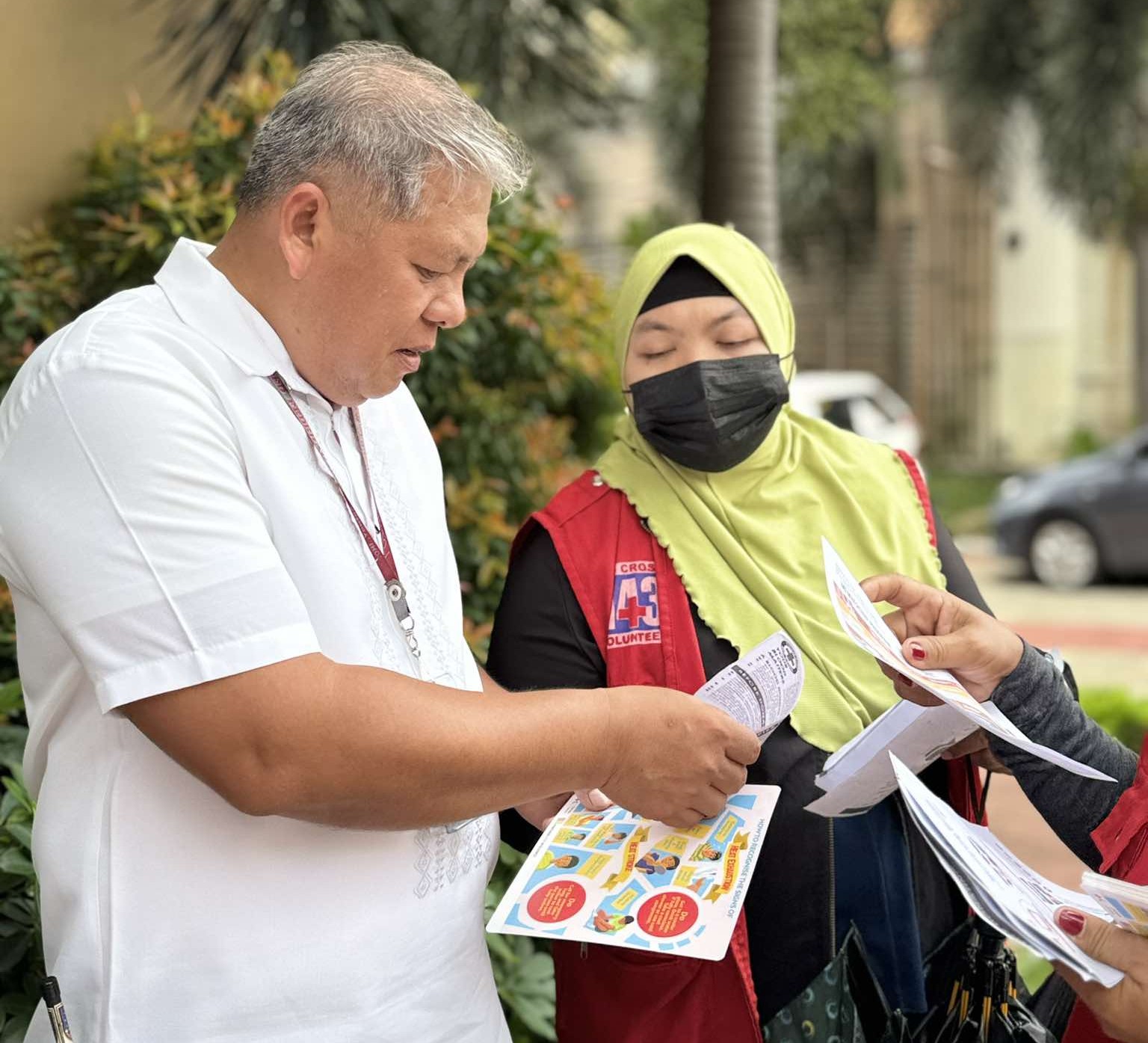
This collection brings together four community-level research studies examining how urban populations perceive, experience, and respond to extreme heat. Published in late 2025, the studies were conducted as part of the Coastal City Resilience and Ext...
Guidance material
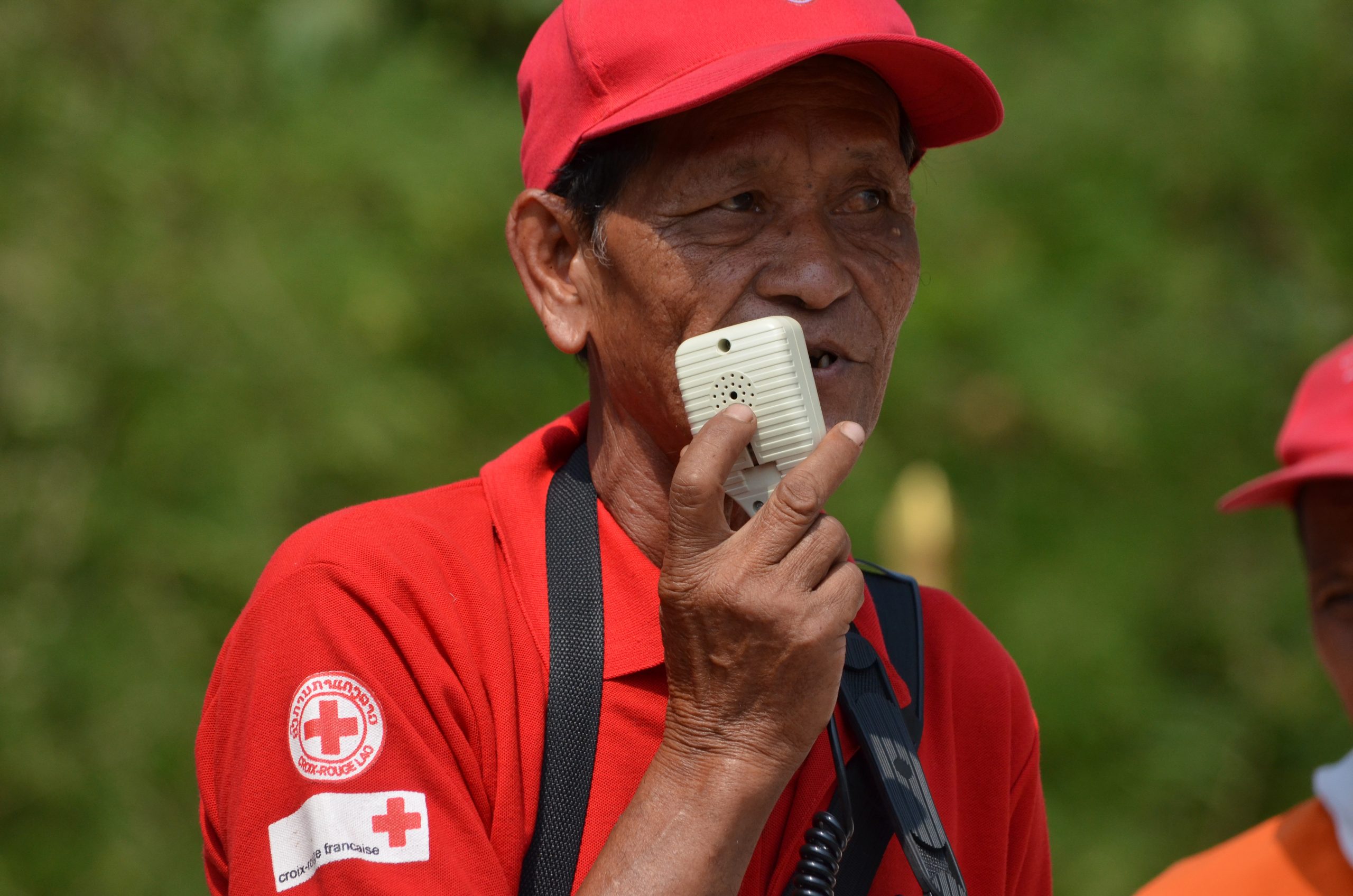
This series of guidance notes presents evidence-based communication strategies for protecting vulnerable communities from extreme heat, drawing on heat risk perception surveys conducted across five cities: Choluteca and San Lorenzo (Honduras), Suraba...
Guidance material
Introduction Urban areas present unique challenges and opportunities for humanitarian organizations. The Urban Ready Standards for Red Cross Red Crescent Branches provide a comprehensive set of standards to help National Society branches assess and e...
Guide for Designing and Implementing Matching Grants for Urban Climate Resilience Action Coastal Cities and Extreme Heat Project (CoCHAP) Table of Contents Introduction. 1 Why “Matching Grants”?. 2 Overarching Principles of Matching Grants 2 What...
The city-wide risk assessment (CWRA) report is part of the urban resilience programming process which should be reinforced through collecting and analyzing secondary data related to top shocks and priorities identified during the CWRA workshops toget...
National Society Development, as an enabler of local action, purposefully contributes to helping the National Society achieve and maintain an accountable andsustainable organisation that delivers – through volunteers and staff – relevant l...