
Asia Pacific National Society Preparedness Strategic Plan 2025–2028: Becoming Disaster Ready

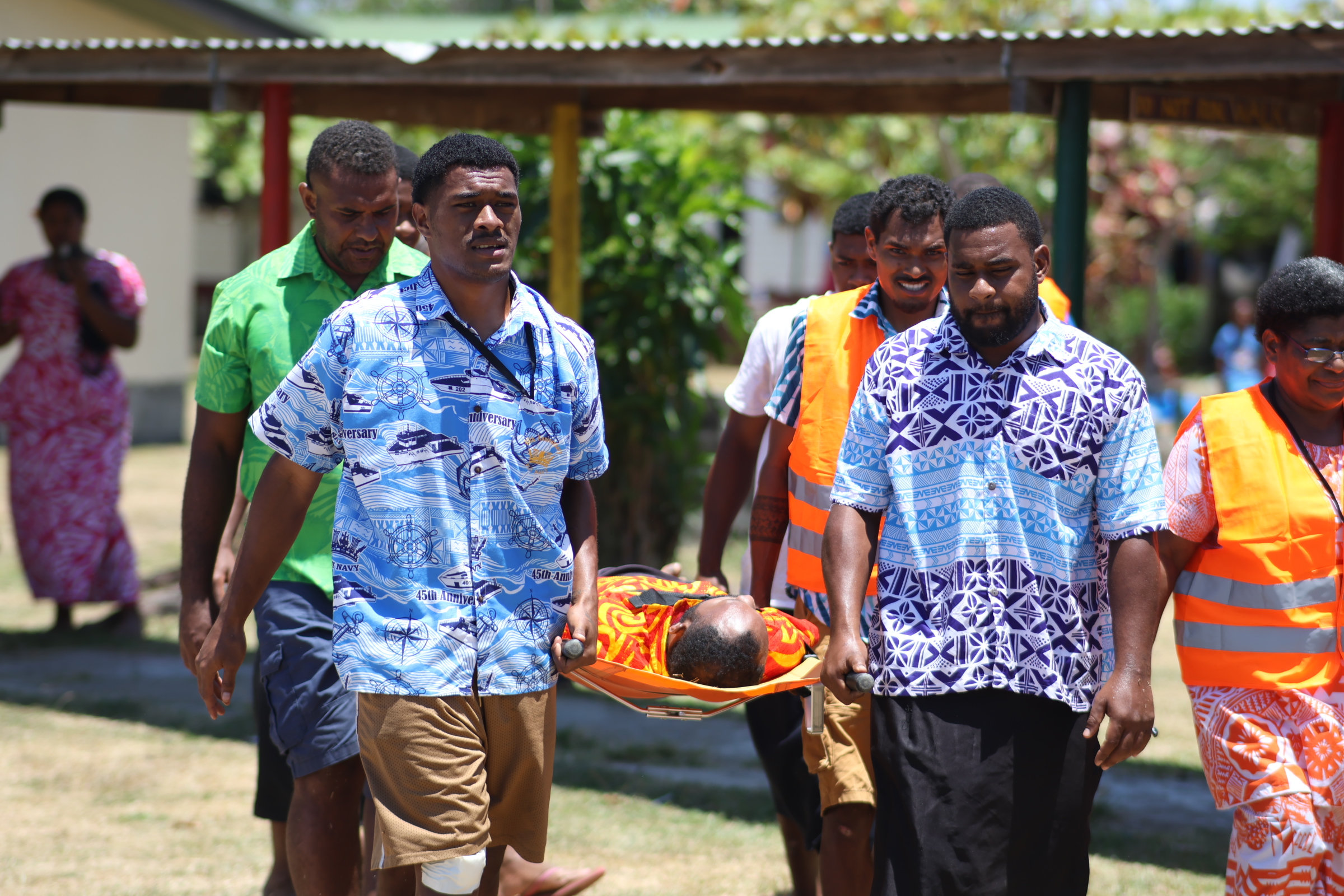
This is the regional strategy from the International Federation of Red Cross and Red Crescent Societies (IFRC) Asia Pacific. It aims to strengthen disaster preparedness and response readiness across the 38 Red Cross and Red Crescent National Societies in Asia Pacific, the world’s most disaster-prone region. It sets shared objectives, outcomes, recommended actions and measurable targets for 2025–2028. National Societies can use it to build their own preparedness policies, strategies and plans with IFRC and partner support.
The plan responds to the Hanoi Call for Action, which came out of the 11th Asia Pacific Regional Conference in November 2023. It is guided by the IFRC National Society Preparedness Framework (IFRC, 2024), which gives National Societies a common language, principles and definitions for developing preparedness policies, strategies and plans. More than 60 contributors from over 20 National Societies helped develop it, drawing on a 2024 regional preparedness survey and on lessons from DREF operations and the Preparedness for Effective Response (PER) approach.
Three strategic objectives
- Peer-to-peer support: more collaboration and learning between National Societies. This includes a regional Preparedness Hub, sub-regional networks, a roster of experts and pre-disaster meetings.
- National Society auxiliary role: a stronger, formally recognized place for National Societies in national disaster risk management systems. This covers disaster law, humanitarian diplomacy, branch development and volunteer capacity.
- Coordinated approach: more investment in preparedness through predictable funding, partnerships, mapping of preparedness initiatives, and monitoring and evaluation.
Six regional priorities with targets (minimum requirements to be disaster ready)
- Preparedness and contingency planning: National Society preparedness plans, contingency plans, cash and voucher assistance (CVA) readiness, and Early Action Protocols (EAPs) for anticipatory action.
- Rapid response personnel: National Disaster Response Teams (NDRT), a regional emergency response unit, and a Preparedness and Learning Hub.
- Agile logistics capacity: pre-positioned relief supplies, delivery of services within 24 hours, and regional solidarity stocks for 10,000 families within 7 days.
- Flexible emergency response fund: national emergency funds and domestic fundraising.
- Strong disaster law: pre-disaster agreements, MoUs and legal reform.
- Well-coordinated regional solidarity: sub-regional coordination, pre-disaster meetings for heatwave and cyclone seasons, and regional capacity mapping.
The document also sets out guiding principles, including National Society ownership, equity in resources, and alignment with PER and the IFRC National Society Preparedness Framework. It describes a four-tier management and coordination structure, a roadmap to 2028 with baseline, midline and endline capacity mapping, an indicative budget in CHF, definitions, and a list of key resources.
Who it’s for: National Society leaders and disaster management staff, IFRC delegations, Participating National Societies, donors and partners working on organizational preparedness, readiness and localization in Asia Pacific.