
Evaluating the Multiplier Effect of Micro-Insurance on Climate Resilience among Motorcycle Taxi Drivers in Dar es Salaam

- Enock Mwakalila, Mzumbe University
- Theobald Frank Theodory, Mzumbe University
- Selela Mwakalila, University of Dar es Salaam-Business School
Summary:
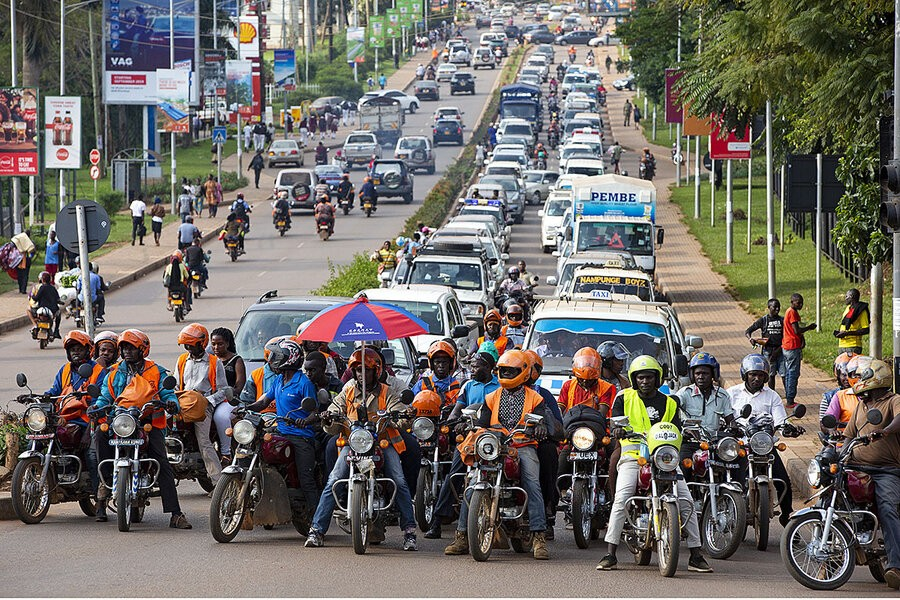
This study investigates the multiplier effect of micro-insurance on climate resilience and socio-economic stability among motorcycle taxi (boda-boda) drivers in Dar es Salaam, Tanzania. Boda-boda drivers are among the most climate-exposed in the informal sector. They frequently experience income disruptions and equipment damage due to extreme weather conditions such as floods and heavy rainfall. The study employs a mixed-methods approach, combining survey data from 400 drivers with interviews conducted among four micro-insurance providers. The quantitative findings reveal that more than 84% of the drivers have experienced income loss due to weather-related shocks, and most of them rely on savings or cost-cutting measures to cope with this loss. However, drivers with micro-insurance demonstrate significantly greater resilience. These drivers scored higher on a constructed Climate Resilience Index (CRI), recovered faster after experiencing income loss, and were less dependent on high-stress coping strategies. Qualitative interviews further revealed that, although insurers acknowledge climate risks, most micro-insurance products currently do not cover weather-related damages. Low awareness concerns about affordability, and trust issues hinder uptake. Nevertheless, micro-insurance has shown potential not only in supporting individual recovery but also in reducing financial vulnerability and improving long-term stability. The study concludes that, with improved product design and targeted awareness campaigns, micro-insurance can serve as a scalable tool for climate adaptation in informal urban economies. The findings provide valuable insights for policymakers, insurers, and development actors working to build climate-resilient livelihoods in African cities.

This research was part of a multi-country research initiative led by the Global Disaster Preparedness Center of the American Red Cross. Access all final publications here.