
Heat Early Warning System in Jordan: Current status and recommendations

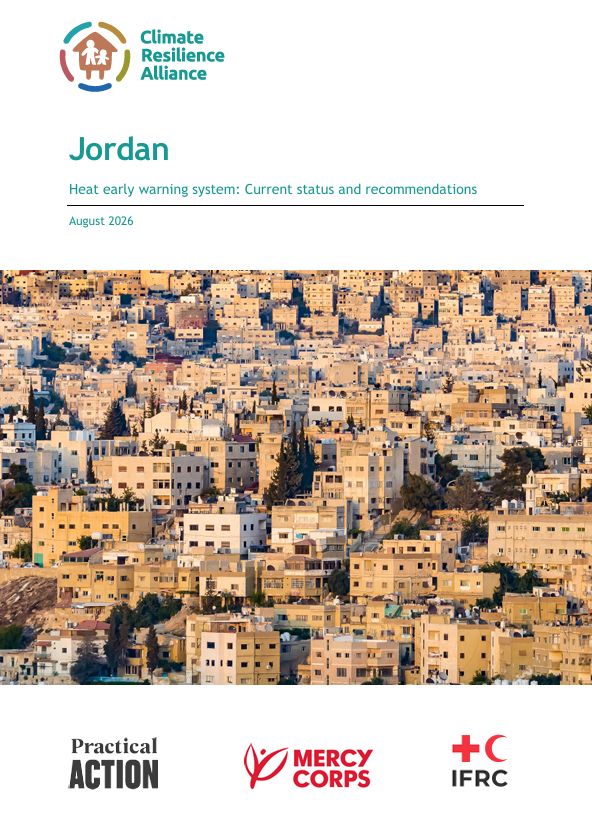
This case study examines the current state of Jordan’s heat early warning system, including how heat risk is understood and monitored, and how warnings are issued, communicated and acted upon across institutions. It finds that Jordan has a strong technical and institutional foundation for monitoring and forecasting heat, but translating forecasts into timely and effective action remains a key challenge. Preparedness and response are increasing, although these efforts are largely driven by broader disaster risk management rather than dedicated heat action planning. The case study also highlights challenges related to communication, coordination, data sharing and financing.
It complements the global report Understanding the Global Landscape of Heat Early Warning Systems and is part of a series of case studies across eight countries in the Zurich Climate Resilience Alliance. Together, the case studies apply a common analytical framework to assess heat early warning systems and identify good practices, gaps and enabling conditions for people-centred, impact-based early warnings for extreme heat.