
Climate Resilience

Heatwave Guide for Cities

The Heatwave Guide for Cities from the International Red Cross Red Crescent Movement offers urban planners and city authorities an authoritative summary of the actions they can take to reduce the danger of heatwaves, which are defined as a period of time when temperatures, or temperature in combination with other factors, are unusually high and […]

Heatwave Guide for Cities Read More »
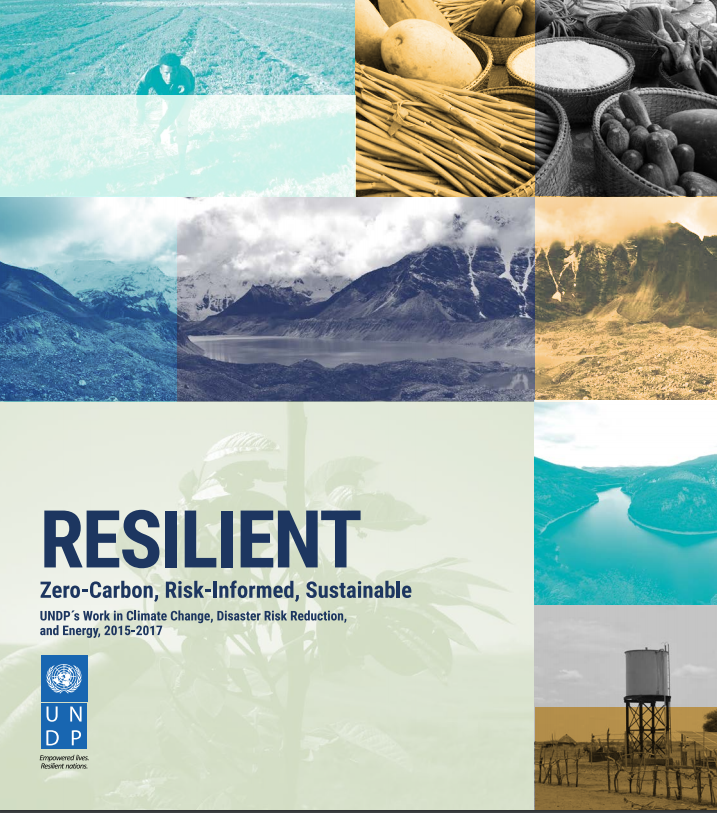
Resilient: Zero carbon, risk-informed, sustainable

UNDP’s work in climate change, disaster risk reduction and energy (2015-2017) This report is comprised of 15 country case studies providing examples of climate action, disaster risk reduction and recovery, and sustainable energy. Each case emphasizes the integrated approach to these work streams and similarly, the linkages and benefits that each extends to the others. 

Resilient: Zero carbon, risk-informed, sustainable Read More »

Integrating Climate Change into City Development Strategies

The guide is intended to be of particular benefit for the following groups: • Planners working in local governments cities in lowand middle-income countries that are developing a City Development Strategy, have some knowledge of climate change and want to integrate this aspect. • City planners working in local governments who have developed a City Development Strategy and have integrated

Integrating Climate Change into City Development Strategies Read More »

Flood Early Warning Systems- Asian Disaster Management

Asian Disaster Management News, Volume 21 (2015), is a special issue of the Asian Disaster Preparedness Center’s (ADPC) practitioner-focused newsletter, published under the theme “Building Resilience through Innovation and Partnerships.” Released in the year of the post-2015 Sendai Framework for Disaster Risk Reduction, the issue makes the case for renewed investment in community-based early warning

Flood Early Warning Systems- Asian Disaster Management Read More »

Scroll to Top