Strengthening Community Resilience through Small Business Preparedness
 February 10, 2026
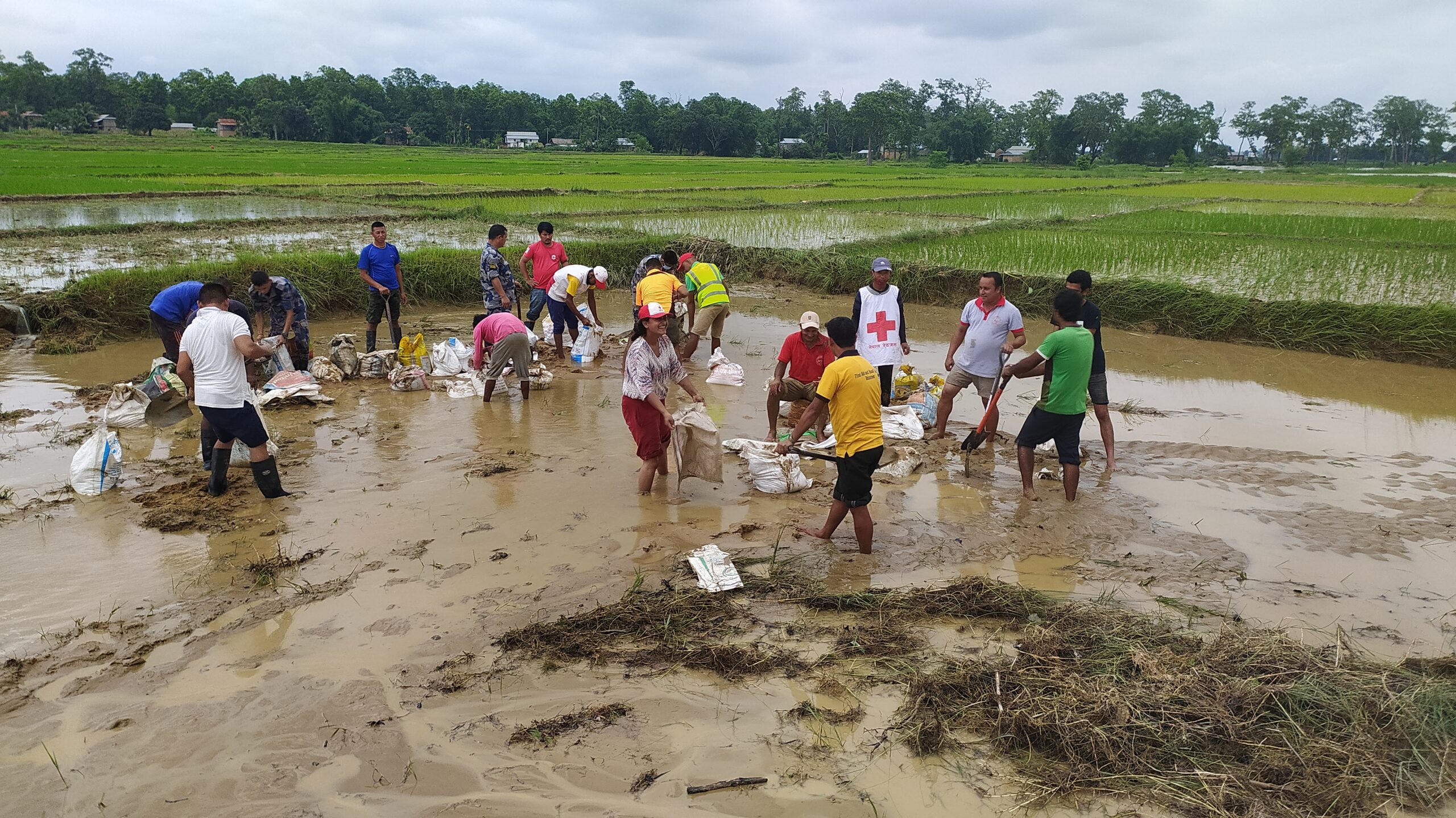
When disaster strikes—such as a flood, earthquake, hurricane, or a business-halting heat wave—it doesn’t just disrupt homes and lives; it also grinds local economies to a halt. Small and micro businesses, vital to communities, are among the most vulnerable to disaster impacts. Yet, they are also among the most critical players in any community’s recovery. Their ability to reopen, provide employment, and serve their customers—be they local consumers or other businesses—can mean the difference between a prolonged crisis and a fast-tracked recovery.
This is where Red Cross and Red Crescent National Societies (RCRC NSs) have a unique and powerful opportunity: to help business owners prepare for the unexpected. Through business preparedness programs and a suite of risk management tools, RCRC NSs can equip small and micro enterprises with the resources they need to protect their people, operations, and customers when disasters occur—and bounce back faster after they pass.
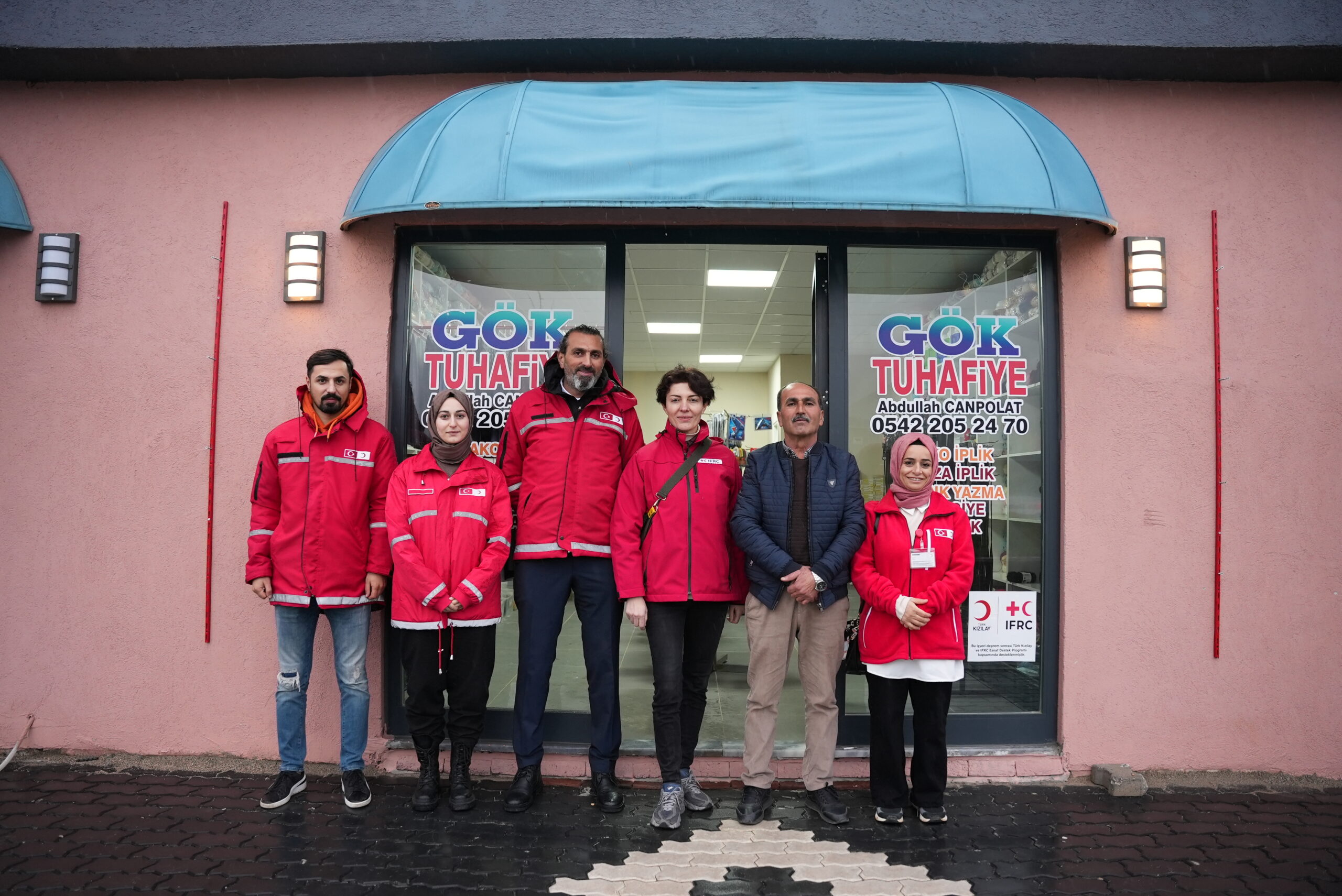
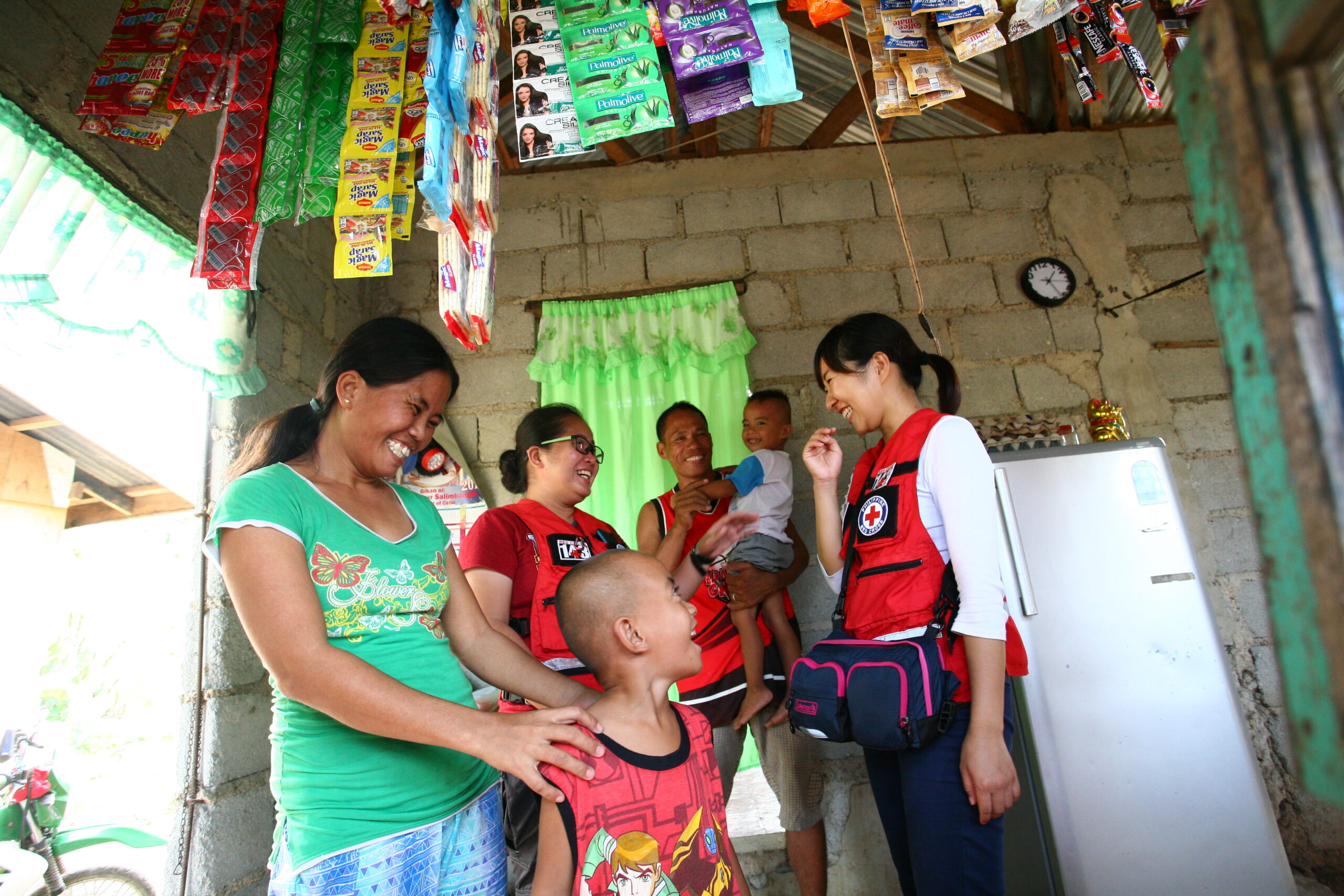
However, many small businesses operate with tight margins and limited resources. Micro enterprises may involve just one employee or two, with limited time or capacity to dedicate to contingency planning. They may simply be unaware of how useful the preparedness tools can be, and how simple they can be to use. And while business preparedness tools may seem expensive, time-consuming, or geared for larger enterprises, it is exactly this myth that RCRC NSs must dispel. The tools are designed and ready for NSs to share with the micro entrepreneur.
A power outage, flash flood, or disruption in supply chain operations can shut businesses down indefinitely—or permanently. In a dense urban setting: Imagine the taxi drivers, the families they support and the customers they transport. Imagine the vendors and kiosks that dot urban landscapes, providing for their families and selling household items and basic necessities and sharing news. Rural communities face different challenges when disaster strikes: disruptions in communication, closures of critical roads, limited resources or personnel, and fewer emergency housing options.
Where do community members turn following a disaster, when they need goods and services most urgently?
Disasters are not just hypothetical risks—they are growing more frequent and severe due to climate change, urban density, changing terrain, and fragile infrastructure. Yet, business preparedness often remains a blind spot in many disaster planning conversations. This is where the RCRC NSs can drive change.
The Red Cross Red Crescent Advantage
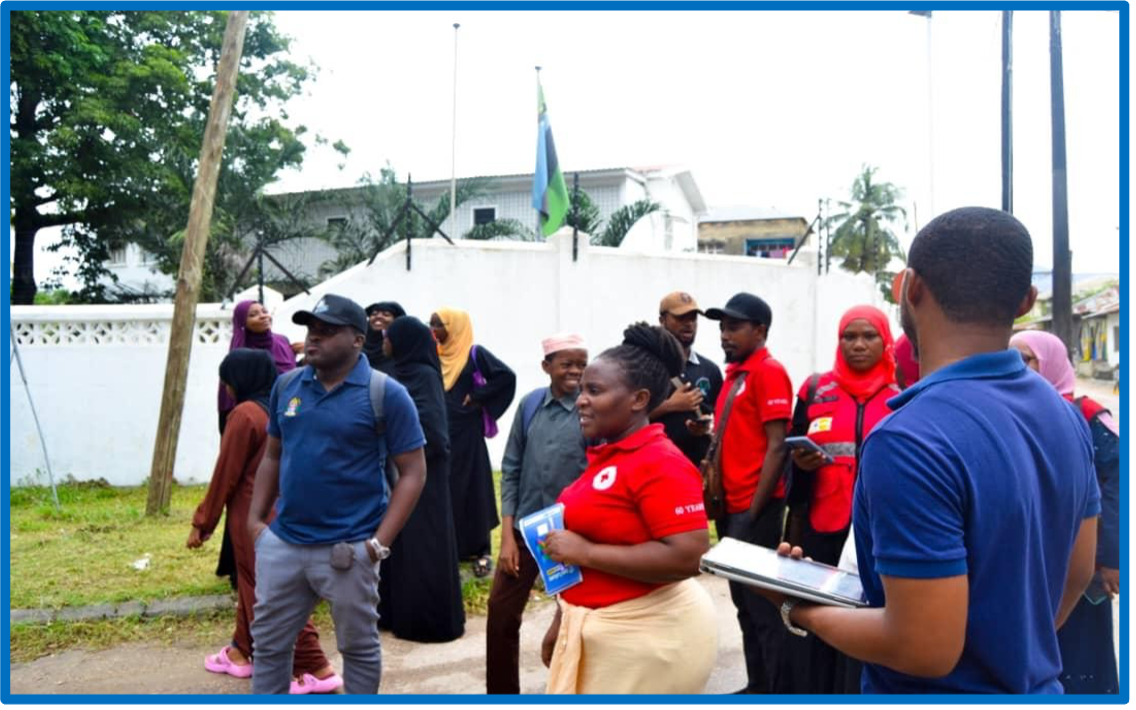
Red Cross and Red Crescent National Societies are trusted, embedded institutions. They are seen as neutral, helpful, and deeply committed to the well-being of the community. This trust opens doors, giving NSs the license—and the responsibility—to extend support beyond households and into the economic core of our communities.
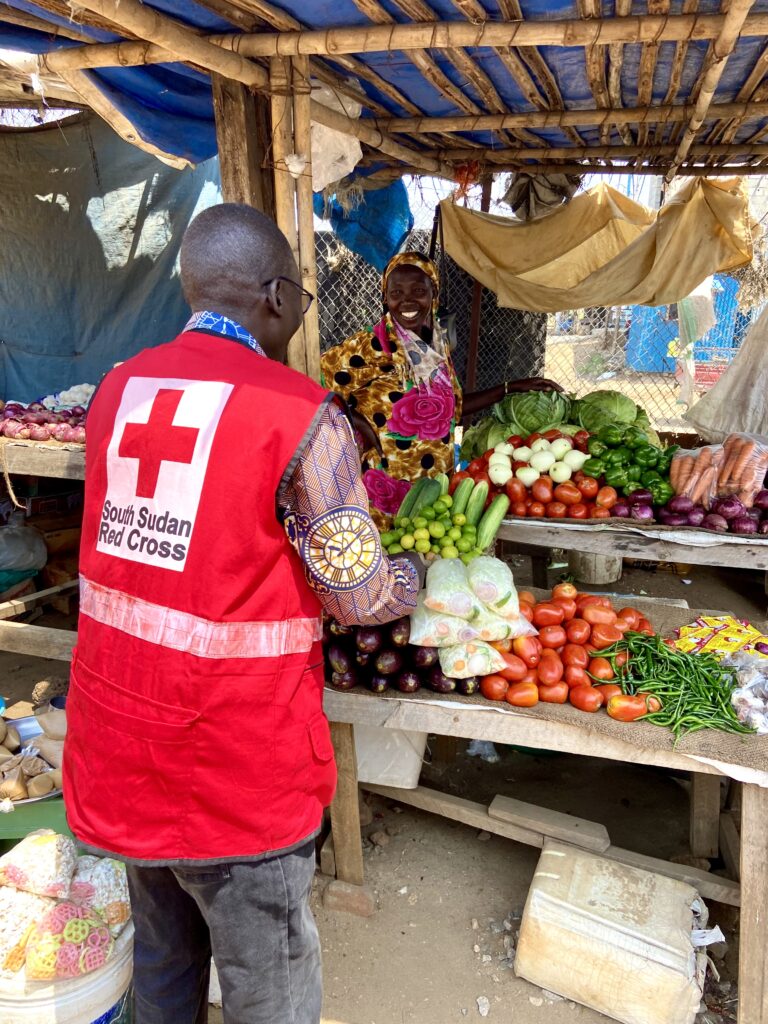
They already help families prepare emergency plans and go-kits. Why not help the neighborhood bakery, the street vendor, or the tech startup do the same?
Business preparedness programs are accessible and simple—not filled with technical jargon or corporate-level risk matrices. They meet business owners where they are.
Practical Tools, Real Impact
Business owners are often eager to prepare—but they may lack time, guidance, or knowledge about where to start. According to U.S. Chamber of Commerce Foundation data, “94% of small businesses believe they are ready to handle disasters, but only 26% have an actual disaster plan in place.” And the quality and rates of recovery are highly dependent on preparedness.
The tools provided by RCRC NSs can help small business owners take immediate, impactful steps to bridge this gap in desire and concrete planning, such as:
· Identifying essential operations: What must continue no matter what? What resources are needed to resume operations after a disaster?
· Protecting critical information: How can businesses safeguard key documents and data?
· Building communication plans: How will business owners and employees connect if phone or internet service is down?
· Planning for staff and customer safety: How will people be protected or evacuated in case of emergency?
These steps aren’t complex, but they are often overlooked as competing priorities may get in the way. By guiding small business owners through these plans, NSs can help prevent minor disruptions from turning into devastating losses.
RCRC National Societies Role in Business Preparedness
Why focus on businesses when the mission is humanitarian?
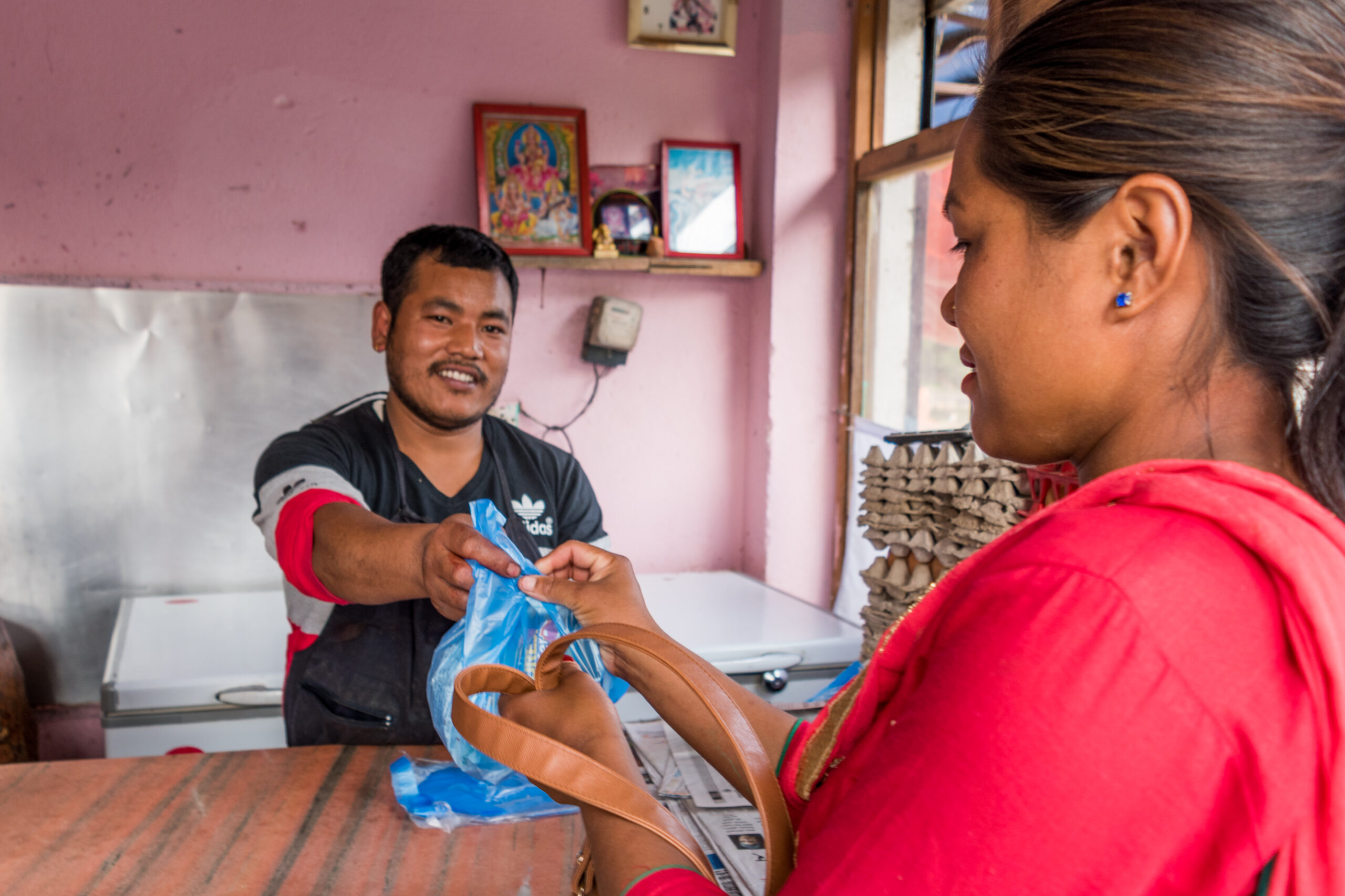
The answer is simple: economic resilience is humanitarian. When local businesses bounce back quickly, they provide stability to workers, families, and neighborhoods. They keep people employed, food on the table, and services accessible. They also reduce the long-term onus on aid systems and emergency responders.
Moreover, when small businesses are prepared, they often become hubs of support in times of crisis. A grocery store with backup power can continue to feed a neighborhood. A local hardware store with sandbags and tarps can help prevent property damage. A business with a good communication plan can share accurate information with employees and customers when misinformation spreads.
Resilient businesses amplify the impact of the RCRC NSs. They become partners in preparedness, response, and recovery.
How to Begin Supporting Business Preparedness
There are great examples of resources already in practice by the RCRC Network. Check out some resources below to get started:
Economic Resilience Is Community Resilience
Disasters are inevitable. But economic collapse doesn’t have to be. When small and micro businesses are equipped with even basic preparedness tools, the entire community recovers faster, stronger, and more sustainably.
As National Societies, the RC already plays a pivotal role in building community resilience. It’s time to extend that role to include the local businesses that keep economies alive. These small business disaster preparedness programs and tools not only improve disaster outcomes—they also build visibility and goodwill for National Societies. They show the organization is forward-looking, inclusive, and engaged with all sectors of the community.
Grab the tools. Leverage the trust. Create the opportunity to connect and share.
Have a story to share?
We're looking to learn more from the preparedness work going on across the globe. If you have an experience, innovation, tool, etc. to share, we'd love to hear from you!