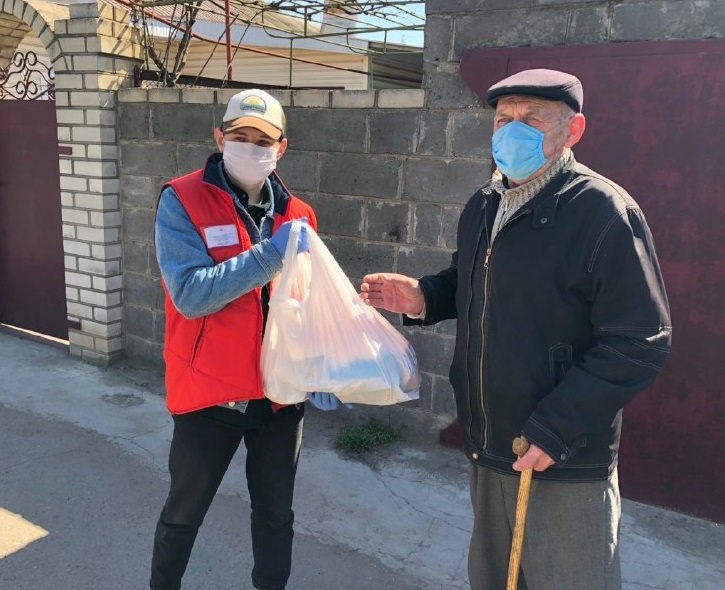
Key messages for older people during COVID-19
IFRC – Key messages for older people during COVID-19 for National Societies adaptation and use (20/04/20)
Key messages for older people during COVID-19 Read More »

IFRC – Key messages for older people during COVID-19 for National Societies adaptation and use (20/04/20)
Key messages for older people during COVID-19 Read More »
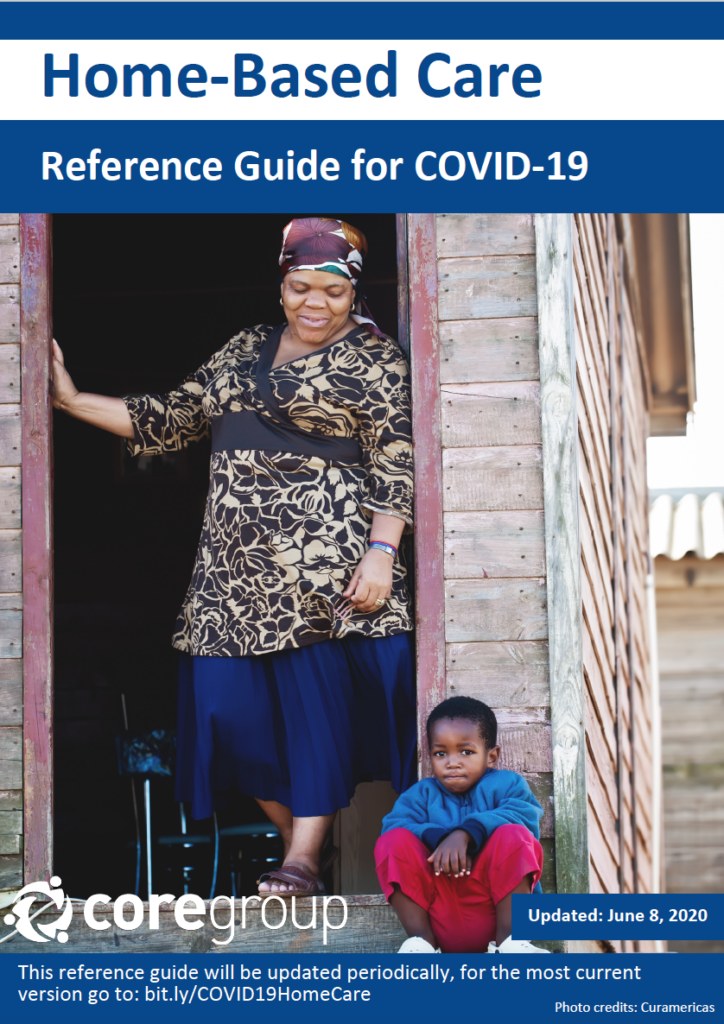
Home-Based Care Reference Guide for COVID-19. This guide provides recommendations to nonprofits, Red Cross Red Crescent network, and community organizations who are designing programs and materials in response to COVID-19 in low- and middle-income countries. The working group designed it as a supplemental tool for organizations working specifically with community health workers (CHWs) (including trained
Home-Based Care Reference Guide for COVID-19 Read More »
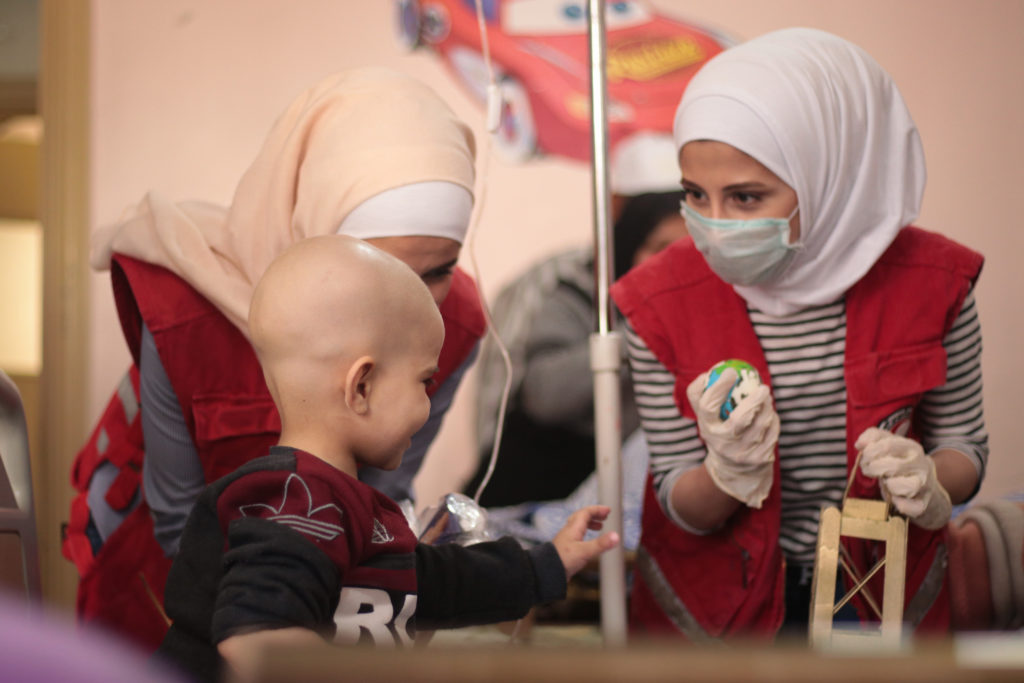
Testing is a critical component of epidemic response, as it allows public health authorities to identify both individual cases and emerging hotspots of COVID-19, and to rapidly implement effective epidemic control measures such as isolation and treatment and contact tracing around confirmed cases to slow and stop the spread of the virus. National Societies, as
Guidance note on SARS-CoV-2 testing Read More »
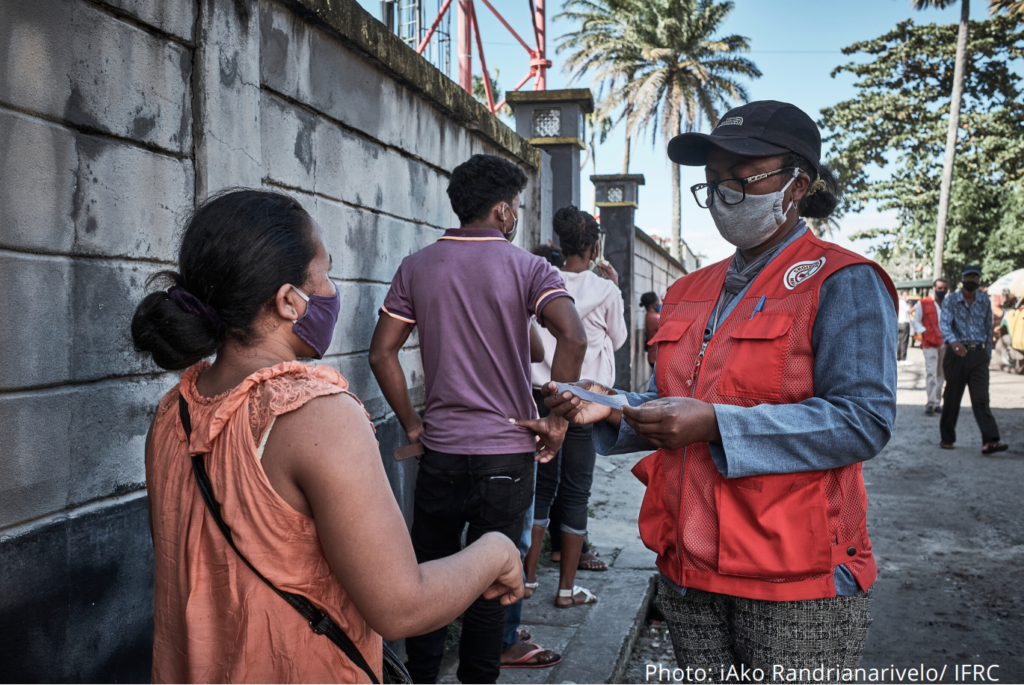
This document has been developed to assist National Societies in deciding if and how they may wish to assist their government’s strategy for contact tracing as part of their response plan for COVID-19. Given the complexity of COVID-19, its global scope, national priorities and National Society capacities, contact tracing may be one option to include
Guidance: Contact Tracing for COVID-19 Read More »
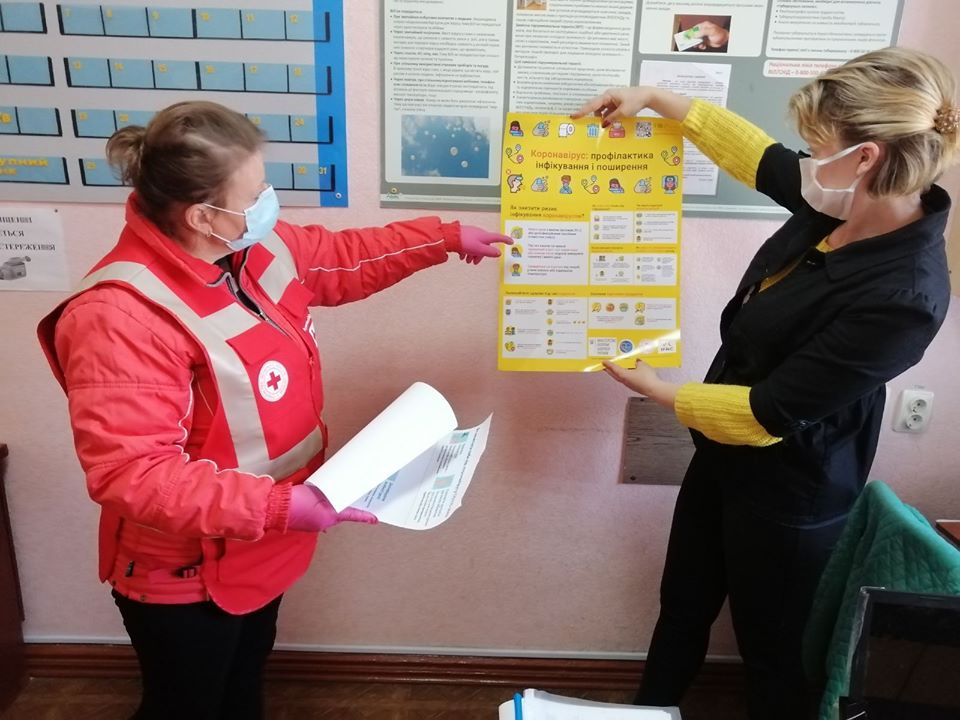
Community-Based Surveillance Guide COVID-19. Guidance is available in English, Spanish, French, and Arabic. Community-based surveillance (CBS) is the “the systematic detection and reporting of events of public health significance within a community by community members”.1 The concept is that early warning can lead to early action, which can save lives. The Red Cross Red Crescent Movement is strategically
Community-Based Surveillance Guide COVID-19 Read More »
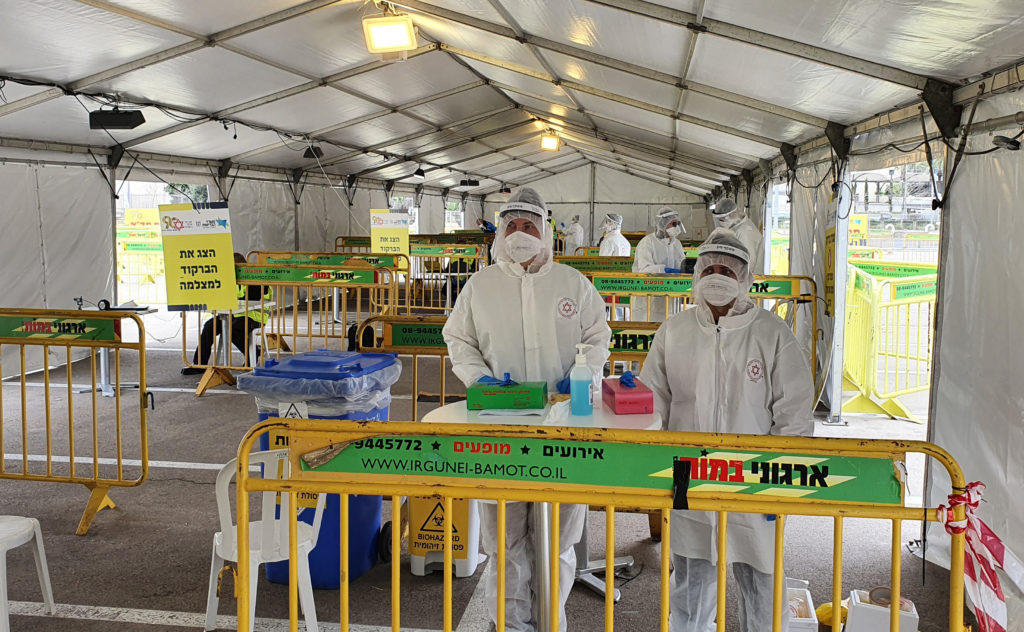
Key considerations for repatriation and quarantine of travelers in relation to the outbreak of novel coronavirus 2019-nCoV. The purpose of this document is to offer guidance to the Member States on implementing quarantine measures for individuals in the context of the current COVID-19 outbreak. It is intended for those who are responsible for establishing local
Considerations for quarantine of individuals (COVID-19 context) Read More »
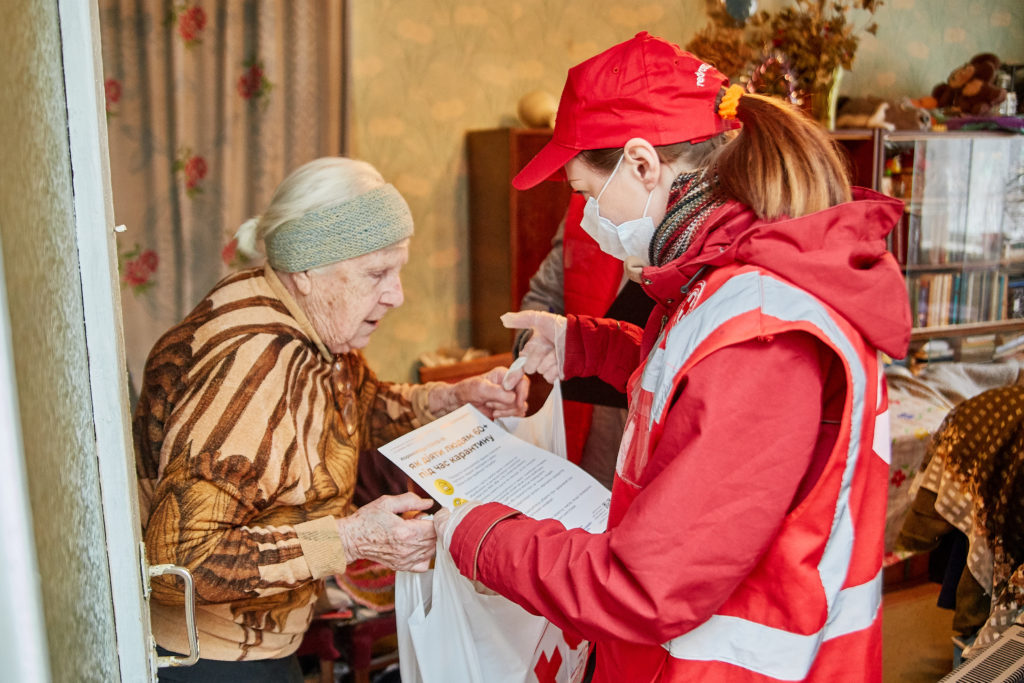
This brief sets out practical considerations relating to the design and impact of measures that restrict human movement patterns in the context of COVID-19. These measures include: quarantine, in which individuals who have been exposed to a communicable disease are separated from others for the duration of the disease’s incubation period; isolation, in which individuals
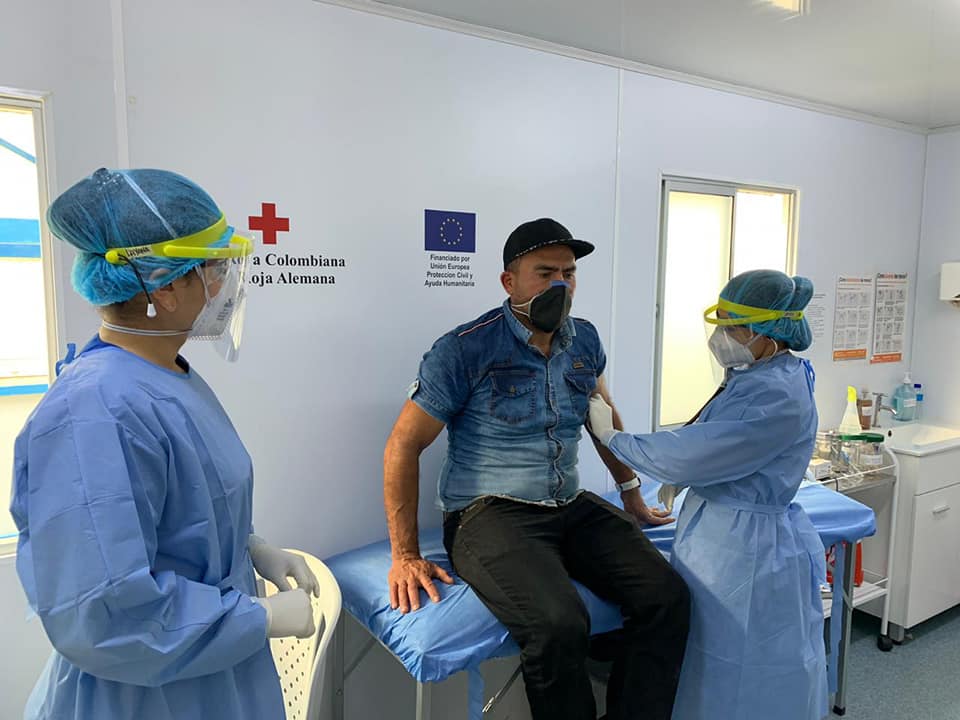
This document provides advice on the detection and management of ill travelers suspected to have COVID-19 at points of entry and on conveyances of all types, with the following measures to be implemented based on country priorities and capacities: Detection of ill travelers at international points of entry. Interview of ill travelers Reporting of alerts
Management of ill travelers at Points of Entry Read More »
This interim guidance “Infection Prevention and Control for the safe management of a dead body in the context of COVID-19” is for all those, including managers of health care facilities and mortuaries, religious and public health authorities, and families, who tend to the bodies of persons who have died of suspected or confirmed COVID-19. [updated
Safe management of a dead body COVID-19 (World Health Organization) [September 2020] Read More »
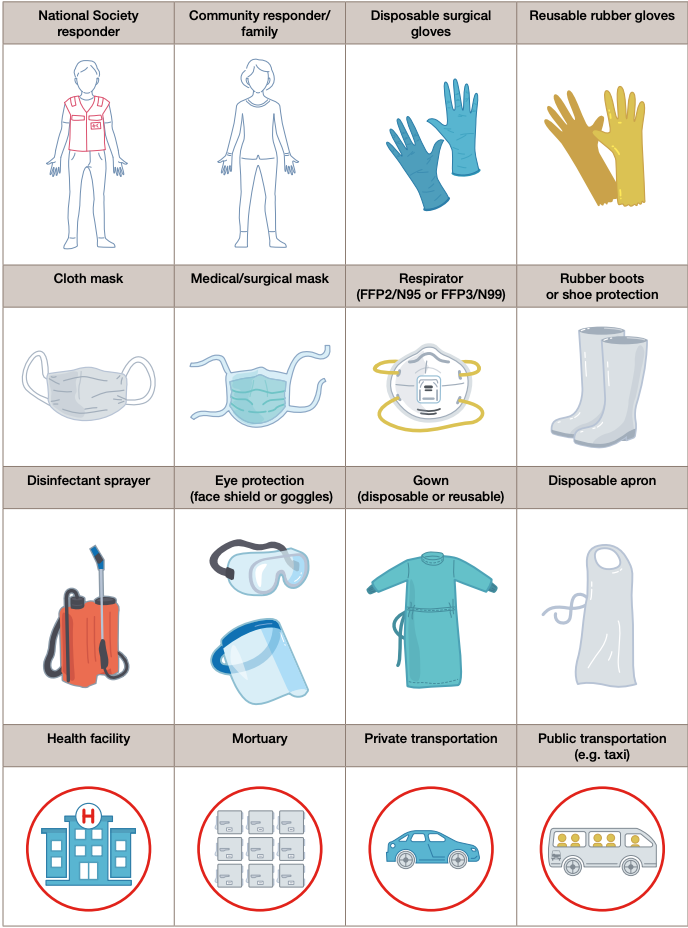
Safe body handling and mourning ceremonies for COVID-19 affected communities: Implementation guidance for National Red Cross and Red Crescent Societies. The Red Cross Red Crescent Movement has extensive experience supporting safe Management of the Dead (MotD) in infectious disease outbreaks. This includes procedures and approaches designed to prevent transmission of epidemic diseases after death through
Safe body handling and mourning ceremonies for COVID-19 affected communities Read More »