English

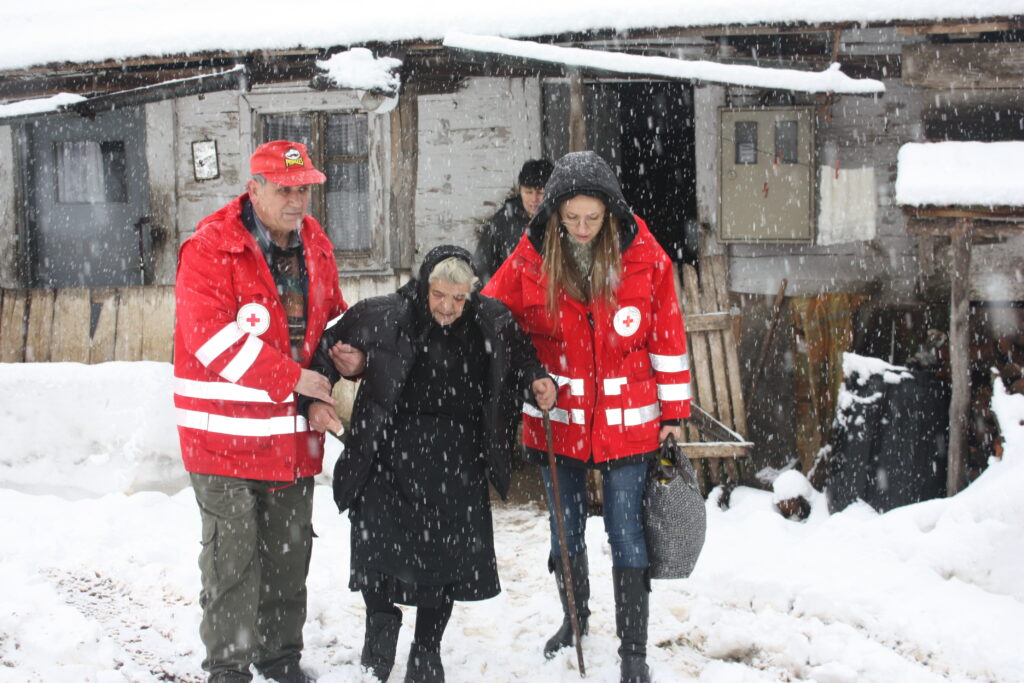
Preparedness for winter weather and response by National Societies in Europe and Central Asia

This briefing note outlines common winter weather hazards experienced across Europe and Central Asia, and the ways in which National Societies are preparing for and responding to them. It also provides insights into how the changing climate is influencing weather hazards, and highlights how National Societies can adapt plans, programmes and operations to take into
Preparedness for winter weather and response by National Societies in Europe and Central Asia Read More »

Bridging the Gap: Investigating Barriers and Enhancing Resilience in Last-Mile Communities Through Inclusive Early Warning Strategies in Rural Lezha, Albania

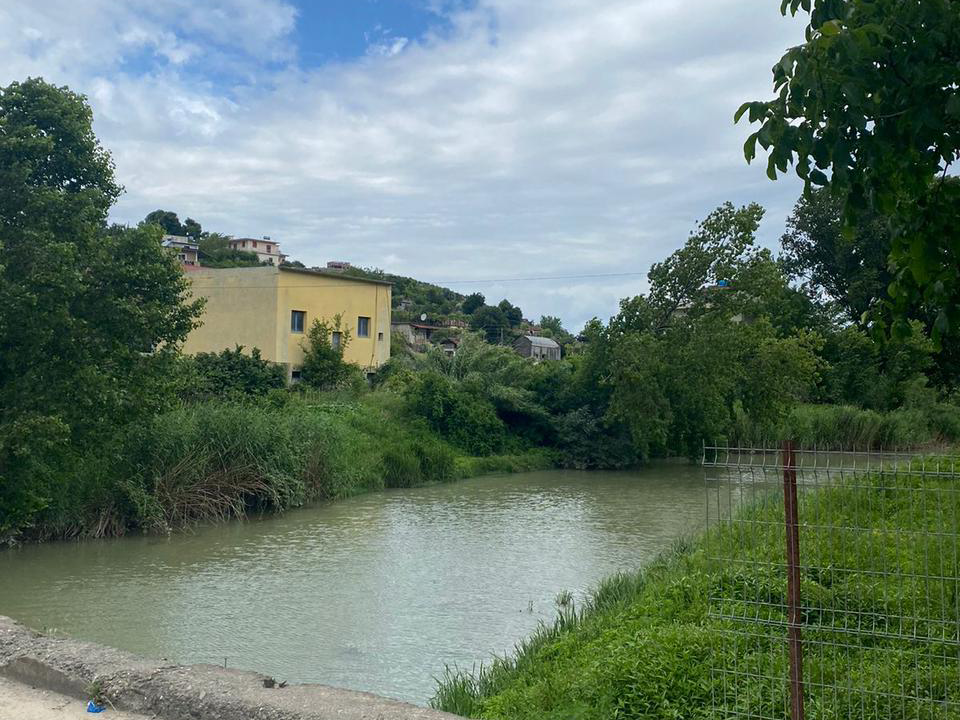
About this Paper This research investigates the barriers preventing rural communities in Lezha, Albania, from effectively accessing, understanding, and acting on early warning information for natural disasters. Using a mixed-method approach, the study highlights critical challenges, such as limited access to timely warnings (only 11% of respondents found information easily accessible), poor comprehension of messages

Bridging the Gap: Investigating Barriers and Enhancing Resilience in Last-Mile Communities Through Inclusive Early Warning Strategies in Rural Lezha, Albania Read More »

Enhancing People-Centred Early Warning Systems (PCEWS) in Traditional Coastal Communities of Brazil: An Intersectional Approach to Inclusive Risk Communication

About this Paper: This study investigates barriers to accessing and acting on Early Warning Systems (EWS) among traditional coastal communities in southeastern Brazil, focusing on Quilombola and Caiçara groups. These communities face unique challenges, including delayed information, unreliable communication technologies, and misinformation, exacerbated by socio-economic and geographic vulnerabilities. Using a mixed-methods approach, the research engaged

Enhancing People-Centred Early Warning Systems (PCEWS) in Traditional Coastal Communities of Brazil: An Intersectional Approach to Inclusive Risk Communication Read More »

Under the weather: Stories from communities on the front lines of climate and health adaptation

The health impacts of climate change are happening now. This report tells the stories of communities in three countries across Africa. Burkina Faso, Malawi and Somalia were chosen because they are among the African countries most vulnerable to climate change (NDGAIN, 2024). All three countries have recently experienced climate-health events, including heatwaves, cholera outbreaks and

Under the weather: Stories from communities on the front lines of climate and health adaptation Read More »

Fact Sheet: Coastal City Resilience and Extreme Heat Action Project (CoCHAP)

The Coastal City Resilience and Extreme Heat Action Project (CoCHAP) Fact Sheet outlines the progress and objectives of this initiative led by the IFRC with funding from USAID/BHA and technical support from the American Red Cross and the RCRC Climate Centre. CoCHAP focuses on building climate resilience in urban communities in nine secondary cities across

Fact Sheet: Coastal City Resilience and Extreme Heat Action Project (CoCHAP) Read More »

‘Disasters can’t happen here. Lord Jagannath will save Us ‘: Exploring women’s experience of barriers to EWS in Odisha, India

Authors and Collaborators:  Principal Investigator: Chinmayee Mishra, Department of Sociology, Utkal University Co-Principal Investigator: Dr. Bishnuprasad Mohapatra, Department of Sociology, Malyagiri Mahavidyalaya Field Investigator: Archita Bala Patra, Urmila Sahoo This study explores barriers to Early Warning Systems (EWS) access and disaster preparedness among women in Puri, Odisha, following Cyclone Fani. Women, particularly from marginalized socio-economic

‘Disasters can’t happen here. Lord Jagannath will save Us ‘: Exploring women’s experience of barriers to EWS in Odisha, India Read More »

From Informality to Impact – The Untapped Potential of Scaling Urban Resilience Innovation in Informality

From Informality to Impact – The Untapped Potential of Scaling Urban Resilience Innovation in Informality Policy and Investment Briefing Note 9 November 2024 Currently only 1.2% of urban climate investments flow to climate change adaptation and resilience solutions. Increasing investment flows requires diversifying and strengthening the solution pipeline across different models – for-profit, not-for-profit, private-sector-led and private–public partnerships,

From Informality to Impact – The Untapped Potential of Scaling Urban Resilience Innovation in Informality Read More »

Effective emergency preparedness for flooding and drought: A guide for cities

Effective emergency preparedness for flooding and drought: A guide for cities Implementation Guides – October 2024 DARAJA Case Study, pp. 25-26 Climate-related hazards are growing in intensity and frequency, causing significant loss and damage in cities around the world. Successful emergency preparedness, including the use of early warning systems, is critical to enabling cities and

Effective emergency preparedness for flooding and drought: A guide for cities Read More »

Scroll to Top