Americas

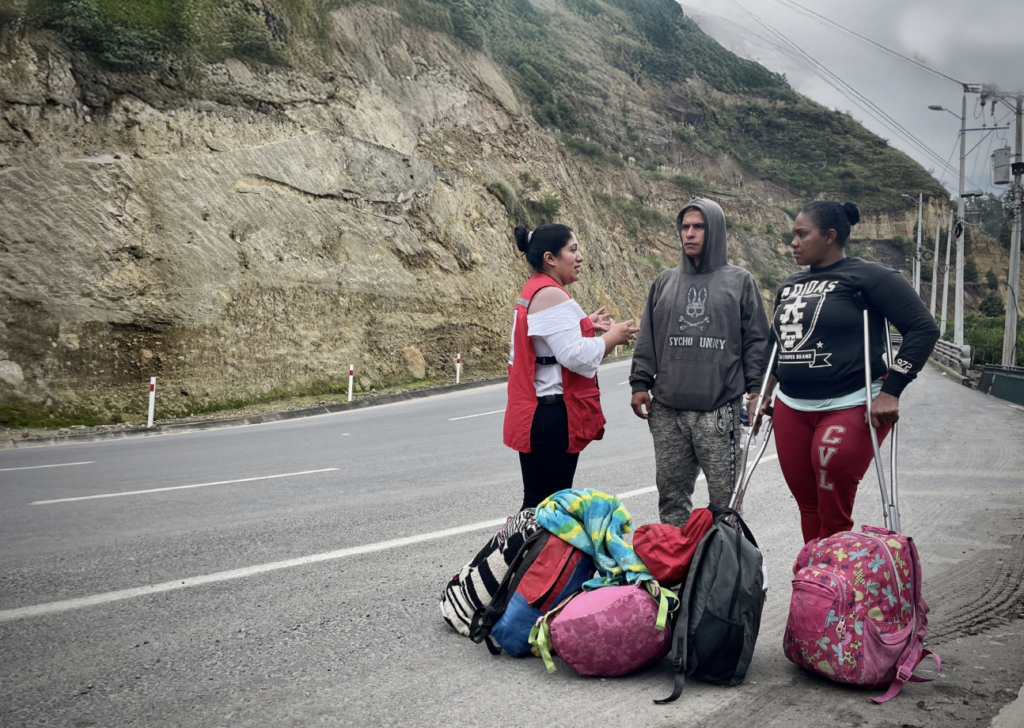
“Migrants Expect the Red Cross to be there”: Exploring Red Cross and Red Crescent continuity of care along migration routes

This report outlines findings from research commissioned by the The Global Disaster Preparedness Center (GDPC) exploring opportunities to support continuity of care along migration routes. The term “continuity of care” refers to consistent and connected assistance at different stages, and at different locations, along migration journeys. This was understood as applying to National Society programmes […]

“Migrants Expect the Red Cross to be there”: Exploring Red Cross and Red Crescent continuity of care along migration routes Read More »

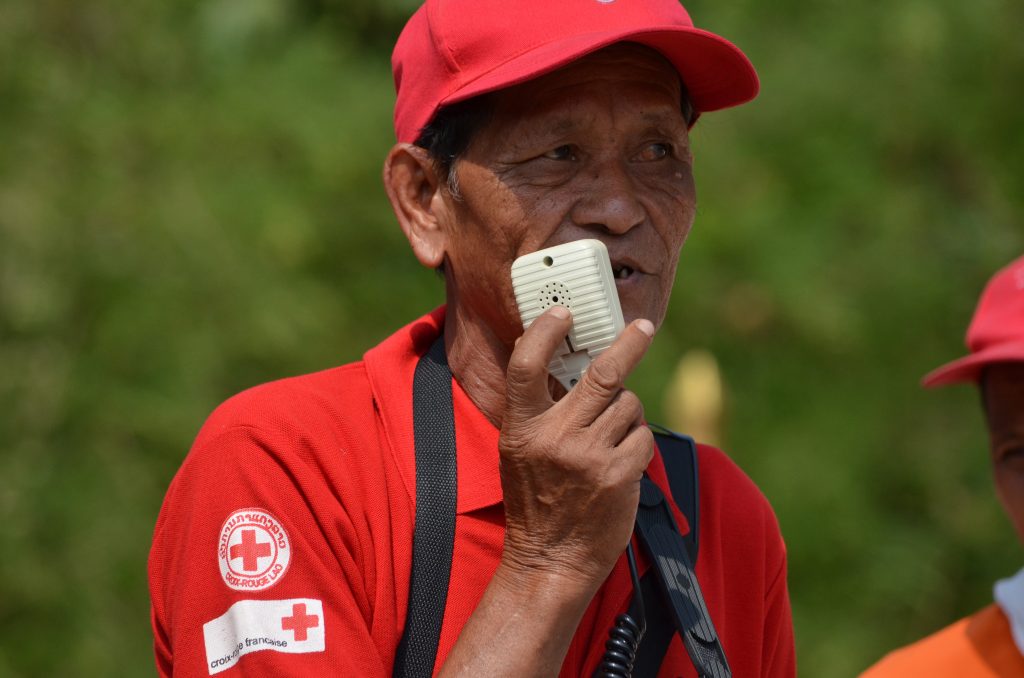
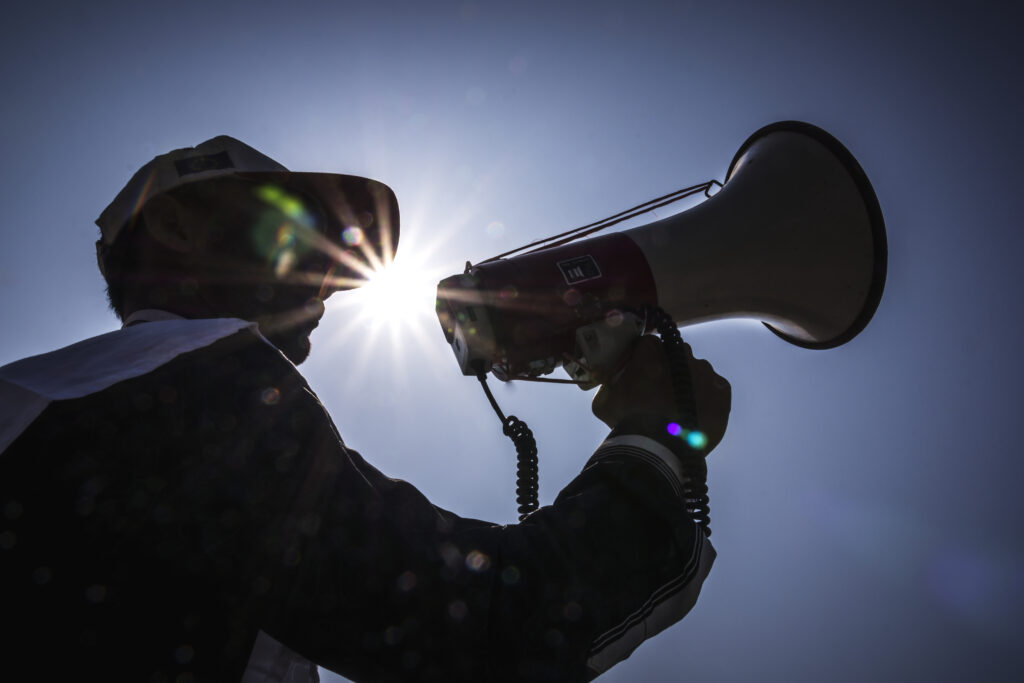
A silhouetted community volunteer uses a megaphone to deliver an early warning message outdoors, with sunlight behind them against a clear sky.

Strengthening Early Warning Systems for All: Evidence and Lessons from Last-Mile Communities

This report synthesizes findings from 15 GDPC-supported studies across 14 countries to examine why early warnings often fail to translate into timely, protective action — particularly for last-mile communities that are geographically isolated, socially marginalized, or economically vulnerable. Drawing on empirical research and complementary literature, the report highlights that early warning effectiveness is shaped not

Strengthening Early Warning Systems for All: Evidence and Lessons from Last-Mile Communities Read More »

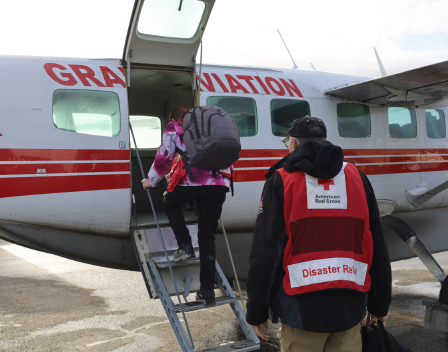
American Red Cross’s Domestic Approach to Anticipatory Action

The American Red Cross has established robust protocols for forecasting, financing, and implementing early actions in anticipation of potential disasters. The Disaster Cycle Services (DCS) branch of the National Society has comprehensive mechanisms and labels specific to the US context, but the core of its programming has an anticipatory action framework. DCS forecasting relies on

American Red Cross’s Domestic Approach to Anticipatory Action Read More »

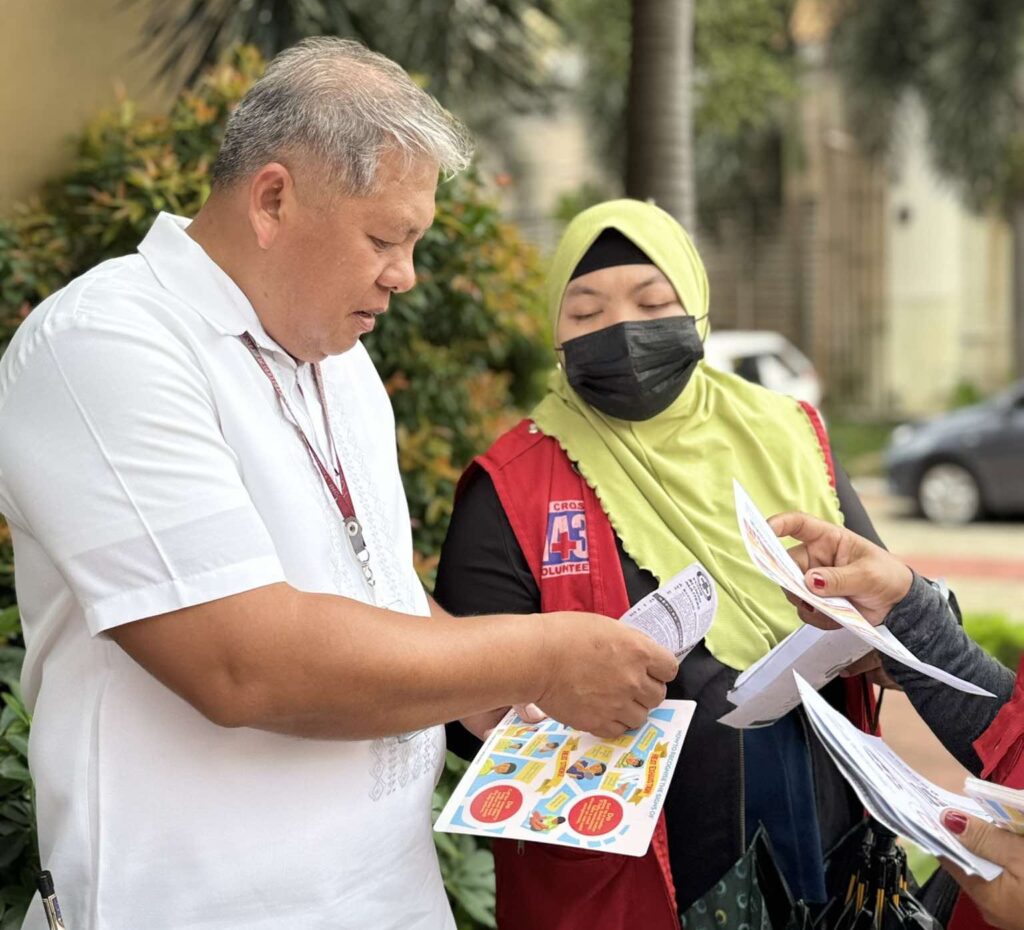
Community-First Approach: How the American Red Cross Helps Build Disaster Resilience Where It’s Needed Most

Across the United States, the American Red Cross is working to reduce disaster risks and strengthen the long-term resilience of the most vulnerable communities through its Community Adaptation Program (CAP). With teams embedded in communities across 19 locations, the program focuses on addressing the root causes of vulnerability — specifically in the areas of health,

Community-First Approach: How the American Red Cross Helps Build Disaster Resilience Where It’s Needed Most Read More »

Call for Consultancy: Urban Heat Action Plan Evaluation

Increasing heat risks combined with rapid urbanization trends, especially in Africa and Southeast Asia, and aging population trends, for example in Europe, result in a need to scale action to prevent impacts on lives, health, and wellbeing. Recognizing this need, the Global Disaster Preparedness Center (GDPC) has been supporting heat action at multiple levels, from

Call for Consultancy: Urban Heat Action Plan Evaluation Read More »

Call for Consultancy: Curating Urban Resilience Processes and Tools

The International Federation of Red Cross Red Crescent (IFRC) has started implementation of a five-year (2022-2027) Coastal City Resilience and Extreme Heat Action Project (CoCHAP) in Collaboration with the Global Disaster Preparedness Center (GDPC) of the American Red Cross, the RCRC Climate Center, and partner RCRC National Societies of Bangladesh, Indonesia, Honduras, and Tanzania. However,

Call for Consultancy: Curating Urban Resilience Processes and Tools Read More »

Enhancing People-Centred Early Warning Systems (PCEWS) in Traditional Coastal Communities of Brazil: An Intersectional Approach to Inclusive Risk Communication

About this Paper: This study investigates barriers to accessing and acting on Early Warning Systems (EWS) among traditional coastal communities in southeastern Brazil, focusing on Quilombola and Caiçara groups. These communities face unique challenges, including delayed information, unreliable communication technologies, and misinformation, exacerbated by socio-economic and geographic vulnerabilities. Using a mixed-methods approach, the research engaged

Enhancing People-Centred Early Warning Systems (PCEWS) in Traditional Coastal Communities of Brazil: An Intersectional Approach to Inclusive Risk Communication Read More »

Fact Sheet: Coastal City Resilience and Extreme Heat Action Project (CoCHAP)

The Coastal City Resilience and Extreme Heat Action Project (CoCHAP) Fact Sheet outlines the progress and objectives of this initiative led by the IFRC with funding from USAID/BHA and technical support from the American Red Cross and the RCRC Climate Centre. CoCHAP focuses on building climate resilience in urban communities in nine secondary cities across

Fact Sheet: Coastal City Resilience and Extreme Heat Action Project (CoCHAP) Read More »

From Informality to Impact – The Untapped Potential of Scaling Urban Resilience Innovation in Informality

From Informality to Impact – The Untapped Potential of Scaling Urban Resilience Innovation in Informality Policy and Investment Briefing Note 9 November 2024 Currently only 1.2% of urban climate investments flow to climate change adaptation and resilience solutions. Increasing investment flows requires diversifying and strengthening the solution pipeline across different models – for-profit, not-for-profit, private-sector-led and private–public partnerships,

From Informality to Impact – The Untapped Potential of Scaling Urban Resilience Innovation in Informality Read More »

Scroll to Top