
Enhancing Community Resilience Through Nature-Based Solutions: A Case Study of Taiperia Informal Settlement, Lautoka, Fiji Islands

Authors and Collaborators:
- Ravinesh Rohit Prasad
Summary:
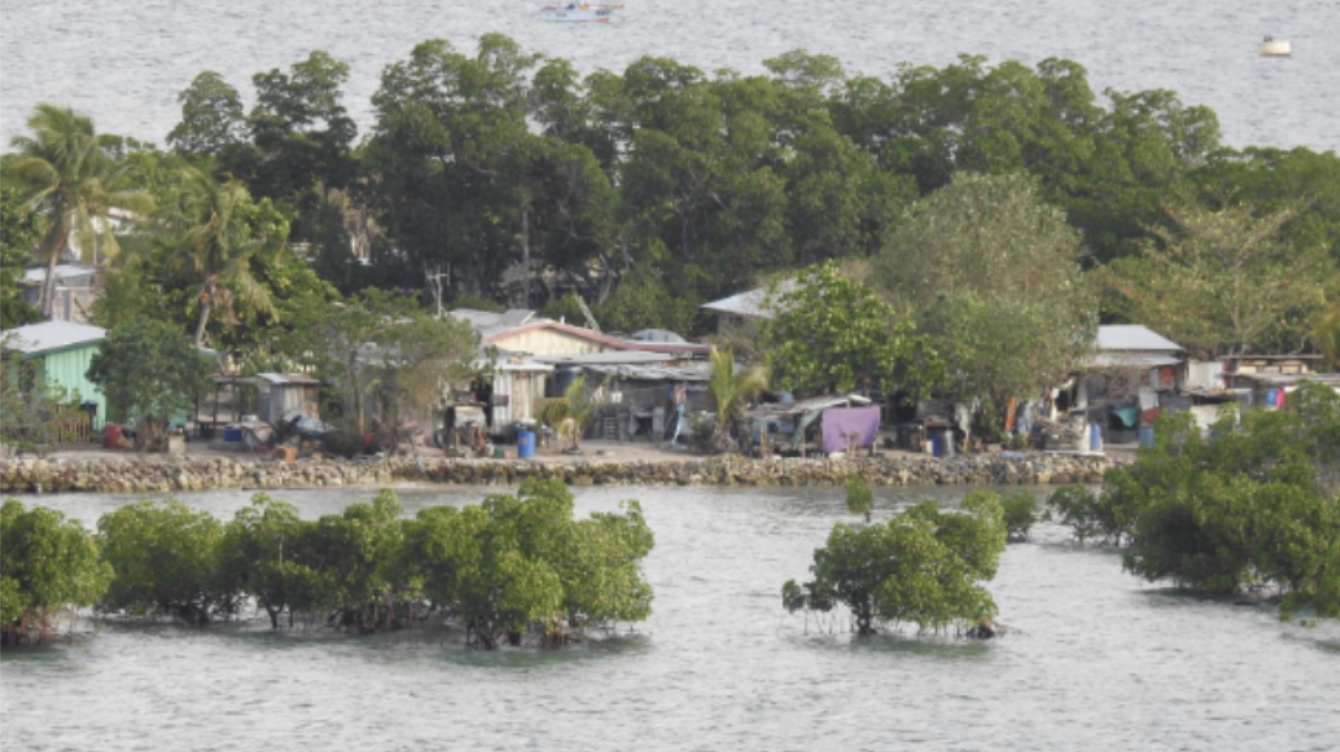
Nature-based Solutions (NbS) are becoming increasingly well-known for their role in mitigating the effects of climate change and other environmental issues in urban settings. NbS has been linked to several advantages and ecosystem services in urban settings, including cooling effects, flood control, and recreational benefits. However, several variables, like the availability of space, affect implementation and efficacy. Despite its shown advantages, NbS deployment is especially difficult in urban informal settlements with limited space and significant susceptibility to climatic dangers. Understanding the current NbS and how they are viewed locally is essential for their uptake, given the diversity of informal settlements. Observations and interviews conducted in the Taiperia informal settlement were used to determine the advantages and perceptions of NbS as well as the main elements affecting its adoption, efficacy, and implementation. The results revealed several Nbs pertinent to informal settlements. Community gardening, mangrove restoration, seawall construction, and indigenous traditional knowledge were the most beneficial and practical NbS measures, regulating the local temperature, maintaining sustainable livelihoods, and improved quality of life. NbS can lessen its effects on locals and urban regions, as well as its environmental and socioeconomic vulnerability characteristics. Finally, the degree of transformative potential of the detected NbS was evaluated. With active multi-stakeholder engagement and consistent integration of NbS efforts into participatory urban planning programs and policies, NbS efficacy and sustainability in urban informal settlements appear achievable. Examining NbS features beyond environmental benefits can be especially useful in identifying obstacles, facilitators, and transformative potentials, supporting sustainable livelihoods, resident participation, and capacitation.
Note:
GDPC encourages our partner researchers to submit their finished work to academic journals. To facilitate this process, some reports may not be made available in their entirety until after journal acceptance and publication. However, we make available the Executive Summary of the research and will update this resource page with the full report when it becomes available.

This research was part of a multi-country research initiative led by the Global Disaster Preparedness Center of the American Red Cross. Access all final publications here.