
Heat Early Warning System in Nepal: Current status and recommendations

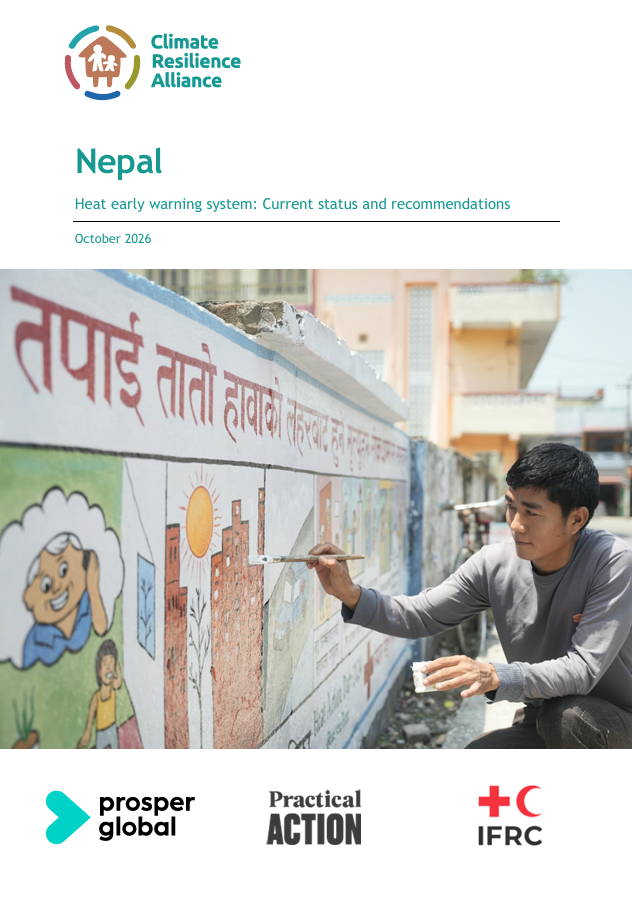
This case study examines the current state of Nepal’s heat early warning system, including how heat risk is understood and monitored, and how warnings are issued, communicated and acted upon across institutions. It finds that heat risk is increasingly recognised, although national risk knowledge remains fragmented. National authorities have established heat monitoring and forecasting, supported by multiple communication channels, but warnings do not yet consistently reach everyone with timely, actionable information. Heat preparedness and response are expanding alongside increasing government engagement, but remain unevenly institutionalised and often reliant on humanitarian and development partners. This growing government engagement creates an opportunity to further institutionalise heat risk management.
It complements the global report Understanding the Global Landscape of Heat Early Warning Systems and is part of a series of case studies across eight countries in the Zurich Climate Resilience Alliance. Together, the case studies apply a common analytical framework to assess heat early warning systems and identify good practices, gaps and enabling conditions for people-centred, impact-based early warnings for extreme heat.