
Nature-Based Solutions for Urban Climate Risks: Assessing Local Engagement, Implementation and Scalability in Bharatpur, Chitwan, Nepal

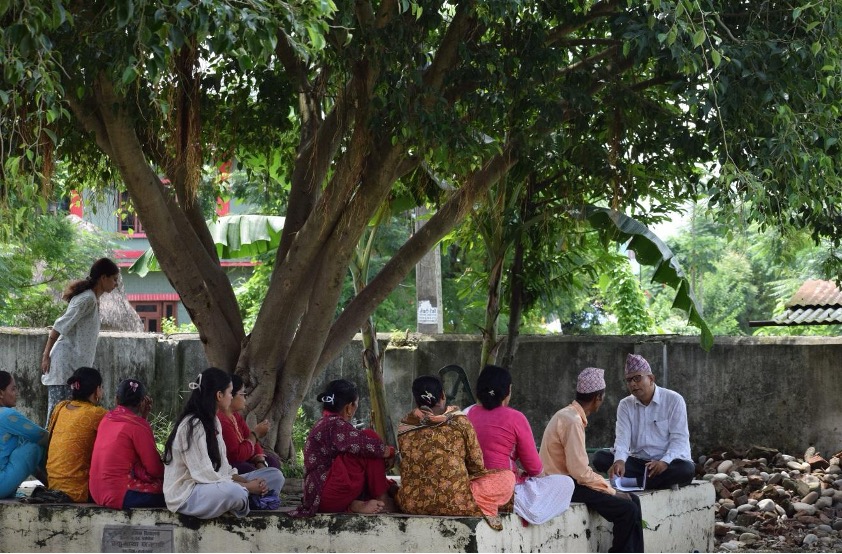
Authors and Collaborators:
- Ravi Mohan Tiwari, Kathmandu Institute of Applied Sciences
- Susma Giri, Kathmandu Institute of Applied Sciences
- Jagannath Adhikari, Birendra Multiple Campus
Summary:
As climate change accelerates, urban areas are increasingly exposed to risks such as flooding, heat stress, and environmental degradation, which disproportionately affect marginalized communities. Nature-based Solutions (NbS), including urban forests, wetlands, and green spaces, provide affordable and sustainable strategies to enhance resilience, biodiversity, and community well-being. When integrated into urban planning, NbS can help mitigate climate-related challenges such as flooding, stormwater runoff, and heatwaves. These solutions not only safeguard ecosystems but also provide co-benefits, including cleaner air, safer public spaces, and improved health outcomes. Additionally, NbS foster social cohesion, recreational opportunities, and higher quality of life, making them cost-effective approaches for creating climate-resilient and livable cities. This study, conducted in Bharatpur Metropolitan City, evaluated the ecological, social, and economic impacts of NbS through surveys, interviews, and field observations in climate-vulnerable areas. Findings reveal that socio-economic factors such as age, education, livelihood, and caste significantly shape household vulnerability and adaptive capacity. Agriculture continues to dominate both livelihoods and land use, while extreme heat and drought emerge as the most severe hazards, undermining health, agricultural productivity, and access to green infrastructure. The results demonstrate that NbS represent effective, community-driven strategies for urban climate adaptation. Conclusion: Incorporating locally tailored NbS into urban development can strengthen environmental sustainability, enhance resilience, and improve community well-being in rapidly urbanizing Nepali cities.

This research was part of a multi-country research initiative led by the Global Disaster Preparedness Center of the American Red Cross. Access all final publications here.