A Shield Against the Sun: The Story of CDF and Jacobabad’s Heatwave Revolution
 April 20, 2026
Jacobabad, Sindh, is a city defined by its extremes. Known historically as one of the hottest inhabited places on Earth, summer temperatures here frequently soar beyond 50°C (122°F). For decades, this heat was treated as an unavoidable fact of life a “normal phenomenon.” However, beneath this stoic acceptance lay a tragic reality: every year, the heat claimed lives, and thousands suffered without a dedicated system to protect them. Before 2022, the local health department lacked the specialized infrastructure to manage heatstroke. There were no dedicated wards, no cooling equipment, and, perhaps most critically, no data to help authorities plan for the next emergency.
The Turning Point: The Heatwave Anticipatory Initiative
In 2022, the Community Development Foundation (CDF) a humanitarian organization with deep roots in Sindh and Balochistan since 2005 stepped in to change the narrative. Recognizing that heatwaves are not just weather events but public health crises, CDF launched the Heatwave Anticipatory Initiative.
The core of this initiative was a groundbreaking collaboration with the Jacobabad District Government and the Health Department. Together, they transformed the local medical landscape by:
-
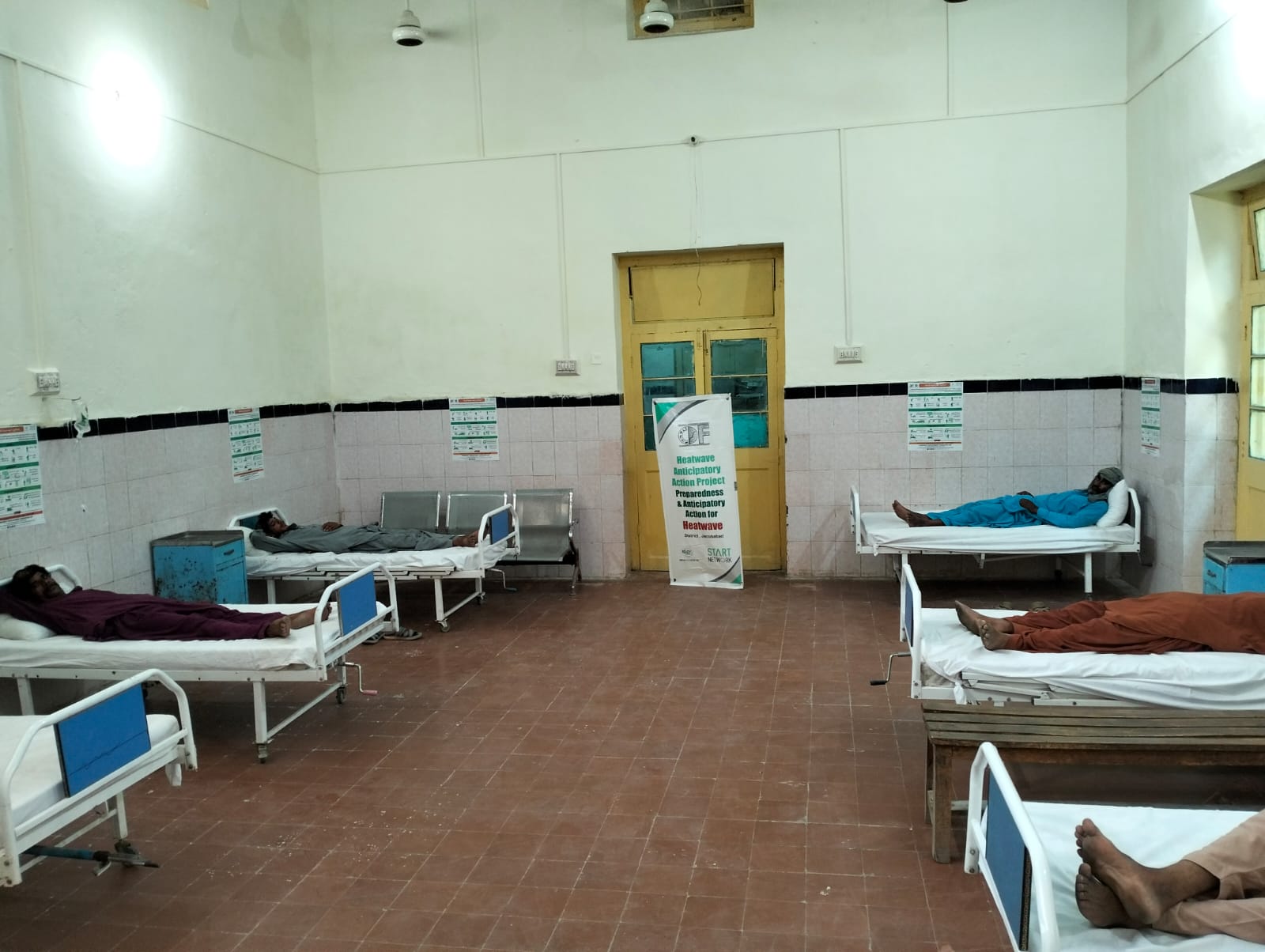
Establishing Heat Stabilization Centres: CDF didn’t just provide advice; they built capacity. Specialized centers were set up in the District Headquarter (DHQ) Hospital, Sub-District hospitals, and Rural Health Centres (RHCs).
-
Equipping the Frontlines: These centers were outfitted with essential cooling equipment, cold drinking water facilities, and medical supplies specifically for heatstroke victims.
-
Technical Capacity Building: Healthcare staff received specialized training on managing heat survivors, moving beyond general care to targeted, life-saving interventions.
-
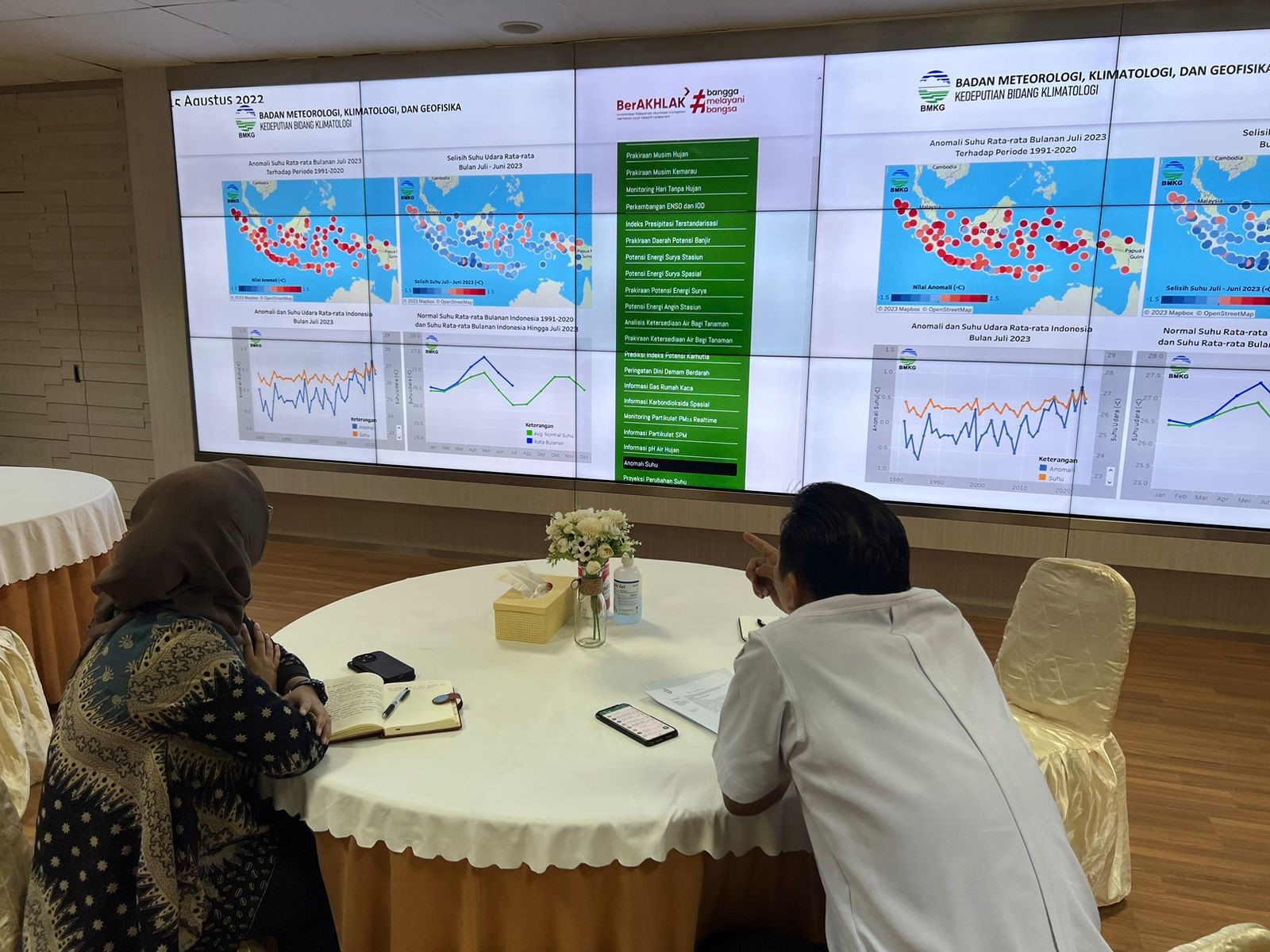
Data-Driven Planning: For the first time, a robust data management and reporting system was established, allowing the department to analyze trends and plan resources based on actual impact.
Impact When it Mattered Most
The initiative faced its ultimate test in 2022, the year Jacobabad was officially declared the hottest place on Earth. As the mercury broke records, the CDF-led initiative was already functional on the ground. Thousands of survivors were treated in real-time, preventing a catastrophic loss of life.
The impact, however, has extended far beyond the summer months. Because these facilities are “multi-purpose,” the health department utilizes the cooling wards during the off-season to treat other critical patients, such as those suffering from heart conditions and chronic respiratory illnesses. “The collaboration with CDF has been a game-changer for Jacobabad. Previously, we struggled with a lack of specialized resources. Today, we have a sustained system that has served over 42,500 patients across heatwave and chronic categories over the last three years. We are no longer reacting; we are prepared.” — Mr. Siraj Ahmed Sahto, District Health Officer (DHO), Jacobabad.
A Legacy of Resilience
The partnership has successfully bridged the gap between humanitarian aid and government responsibility. By integrating data into the planning cycle, the Health Department now conducts its annual preparations based on the empirical evidence gathered by the reporting systems CDF helped put in place.
“In the past, heatstroke patients were treated in general wards where the environment wasn’t conducive to recovery. Now, with the specialized cooling equipment and essential supplies provided through this initiative, we can stabilize patients in minutes. It has significantly reduced the mortality rate in our facility.” — Dr. Wajid Hussain Bhutto, Civil Surgeon, Civil Hospital Jacobabad.
For the people of Jacobabad, the sun still shines just as fiercely, but they are no longer facing it alone. Through the sustained efforts of CDF and the local government, a city once defined by its heat is now becoming a model for climate-resilient healthcare.