
The Afghan Red Crescent Society enhances preparedness to meet growing humanitarian needs
 April 28, 2026
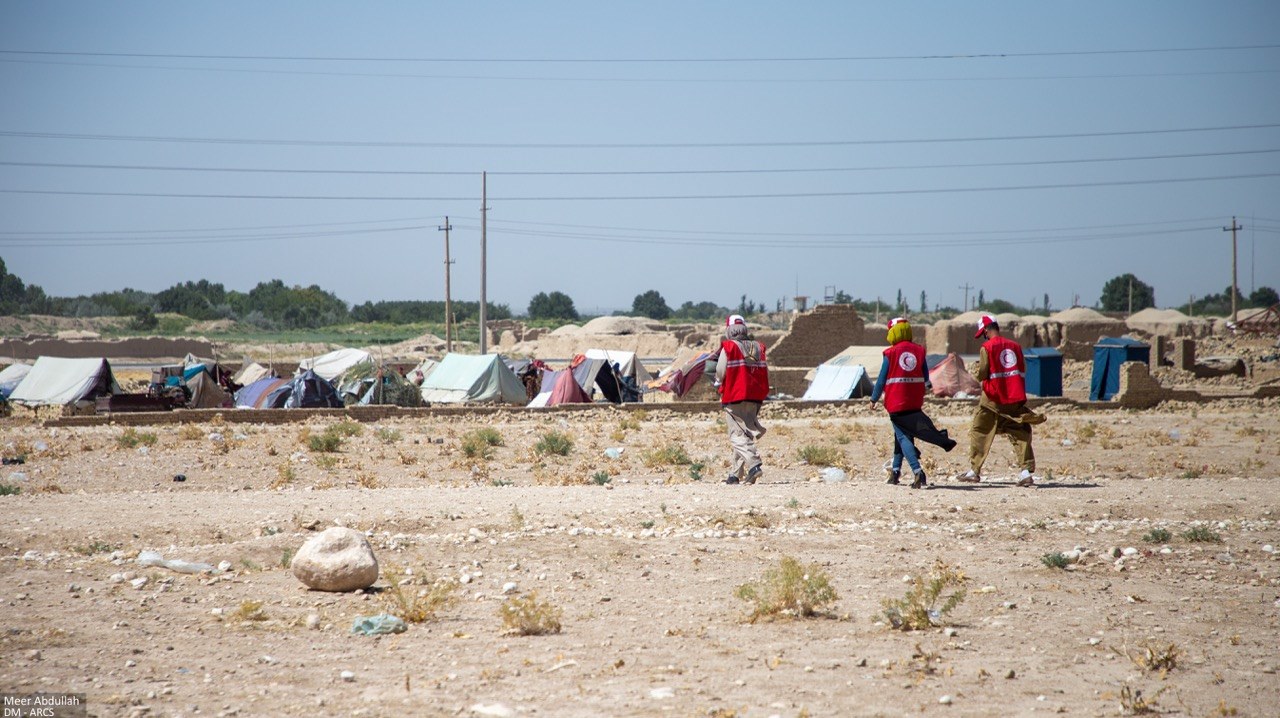
Interview with Brandon McFarlane, IFRC National Society Preparedness and Development delegate.
In one of the most complex and fragile contexts in the world, the Afghan Red Crescent Society (ARCS) continues to strengthen its preparedness to meet the growing humanitarian needs and face complex humanitarian challenges.
“Afghanistan is one of the most hazard-prone countries in the Asia Pacific region, facing everything from floods, drought, landslides, health emergencies, large-scale population movements and earthquakes”, explains Brandon McFarlane, IFRC National Society Preparedness and Development delegate in the country. Indeed, an example of this was the recent earthquake that struck the country on August 31, affecting over 1.3 million people and leaving hundreds of homes destroyed or damaged. “On top of that, there are ongoing socio-economic challenges, a fragile health system, and one of the world’s largest humanitarian crises”, says McFarlane.
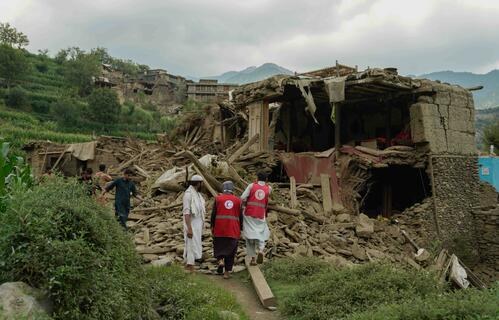
A Multi-Hazard Approach to Preparedness
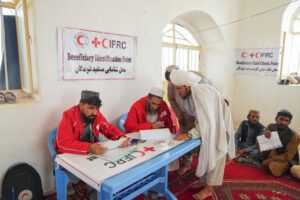
The ARCS recently completed a comprehensive contingency planning process, prompted by the devastating earthquakes of 2023. Unlike earlier plans that focused on individual hazards, the new document takes a multi-hazard approach — mapping seven major risks faced by the country and linking them to social vulnerabilities such as migration and displacement. The plan not only details how the ARCS will respond to emergencies, but also focuses on strengthening institutional capacity, logistics, governance, and coordination across its 34 provincial branches. It recognizes that, in a context where resources for response are limited, preparedness must include prevention, early action, and strong community engagement.
Responding to a Surge in Returnees
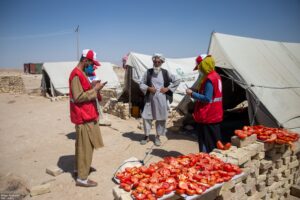
One of the most urgent challenges today is the unprecedented return of almost a million Afghan people through the four official crossing points along the border with Pakistan. This sudden influx is stretching already-limited health services, food supplies, and shelter capacity. “The Afghan Red Crescent Society is under enormous pressure,” says McFarlane. “They must respond not only to the needs of returnees but also to the millions already in crisis inside Afghanistan, now including all those affected by the earthquake that occurred at the end of August… Resources are scarce, yet the demand keeps growing.” Despite these difficulties, past investments in volunteer training, disaster response units, standard operating procedures, and emergency operations centres have enabled the ARCS to respond more effectively than if it had been starting from zero.
Support from IFRC and Partners
The International Federation of Red Cross and Red Crescent Societies (IFRC), alongside partner National Societies, has been working closely with the ARCS to strengthen its preparedness and overall institutional capacity. Support has included: Training and equipping volunteer networks and disaster response teams; improving logistics and supply chains; strengthening financial systems and governance; expanding mobile health services to reach isolated communities, and cash and voucher assistance.
Looking Ahead
The year 2025 marks the end of the ARCS’s current strategic plan, prompting an internal review of its relevance, sustainability, and alignment with the IFRC Strategy 2030. The leadership is exploring new business models for resource mobilization and ways to make the Society more self-reliant.
For McFarlane, preparedness is “everyone’s business” within the ARCS — from leadership to volunteers. “The goal is not just to react to emergencies, but to be ready, coordinated, and able to act quickly and effectively when the time comes,” he says.
With hazards increasing in frequency and complexity, the ARCS’s commitment to preparedness is not just an operational priority, it is a lifeline for communities across Afghanistan.
Written by: Olivia Acosta / Design: Miguel Aguirre
This content was originally published in the IFRC National Society Preparedness Newsletter (September 2025)