Case study – Zuia Mafuriko/Ramani Huria flood resilience project, Tanzania
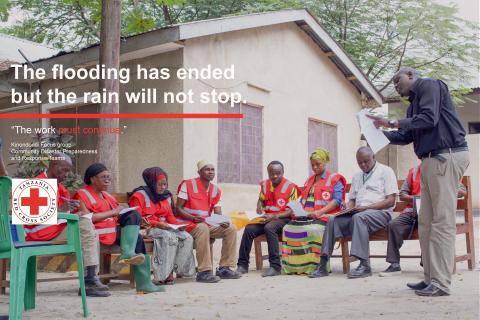
This case study captures the partnership building and community participation experiences of the Zuia Mafuriko/Ramani Huria project to enhance flood resilience in informal settlements in Dar Es Salaam. Dar Es Salaam is prone to regular flooding and has experienced various catastrophic flood events in the past 10 years. Many of the devastating impacts of floods in the city could have been prevented by well-coordinated approaches at the institutional and community levels. The project established local Disaster Preparedness and Response Teams who lead the prioritization of flood resilience actions in coordination with municipal authorities.
The focus of the case study and the supporting documentation is on the coordination and collaboration processes among stakeholder groups at the community level to highlight enabling factors and obstacles to local coalition building processes. The documented experiences allow others to learn from the process and inform the implementation of multi-stakeholder partnerships to enable local level action in alignment with municipal and city level planning process.