
Negotiating Political and Social Space Over Migration – PrepareCenter
Humanitarian Service Points negotiate with governments and build community partnerships to reduce controversy over migration rights.
Basic principles

Migrants – including irregular migrants – are entitled to a full range of rights under international law.
This includes having their basic needs met, but also rights that can be more challenging to fulfill - such as the right to education and to work for a decent wage in safe and healthy conditions.
States have made specific commitments to uphold these rights in the New York Declaration for Refugees and Migrants and the Global Compact for Migration. For example, to:
“Ensure that cooperation between service providers and immigration authorities does not exacerbate vulnerabilities of irregular migrants by compromising their safe access to basic services or unlawfully infringing upon the human rights to privacy, liberty and security of person at places of basic service delivery.”
Global Compact for Safe, Orderly and Regular Migration, Para 31(b).
Engaging Governments
Framework agreement with government:

A framework agreement with authorities can establish the basic concept of HSPs, what kinds of services will be offered and how.
It can form the basis for an agreement between the government and the NS about the independence of HSPs from government interference.
Ideally, it should be put in place before the HSP is established.
National Societies should provide assurances that HSPs will be operated solely to provide neutral, impartial humanitarian assistance. They will also assure that all necessary safeguarding measures will be taken.
In some cases, it may be appropriate to have a written agreement or memorandum of understanding to ensure these agreements are clear.
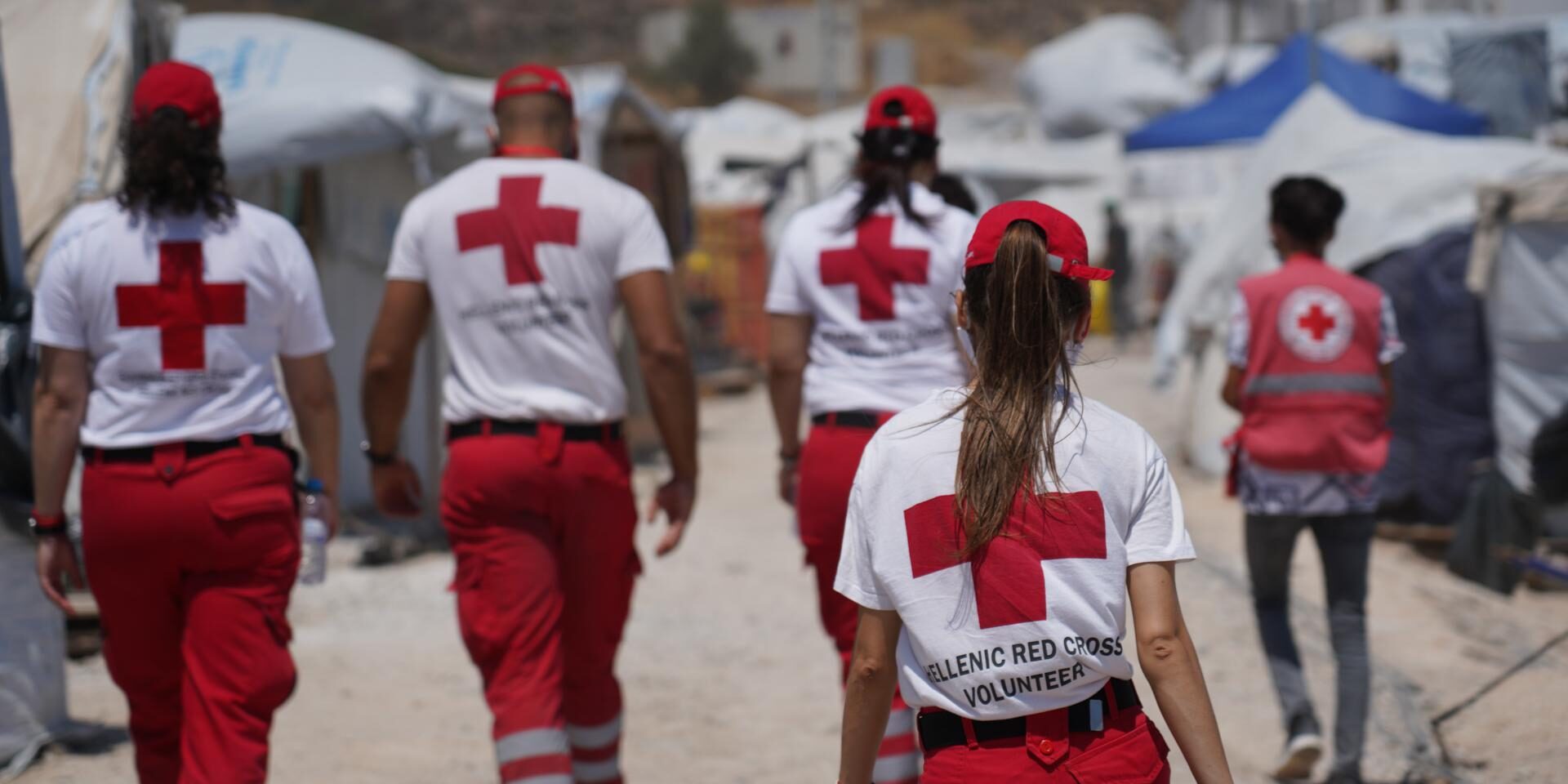
Operational agreement with government and civil society institutions:
Once the broad framework is established with government at the national and/or regional levels, it is time to establish working agreements with other parts of government.
A stakeholder analysis should be conducted before opening an HSP.
Think broadly about potential issues that might arise, including synergies that could lead to partnerships.
Engaging Staff and Volunteers
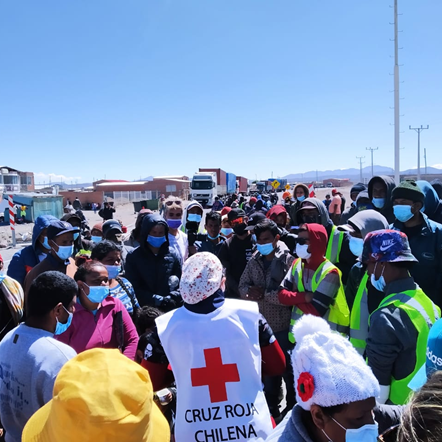
RCRC staff and volunteers are involved in every aspect of their communities and can be invaluable ambassadors for migrants.
In some cases, they are, themselves, migrants. But sometimes staff and volunteers lack confidence in speaking with communities.
Begin outreach with staff and volunteers first, ensuring they fully understand the issues and challenges migrants face.
Invite migrants to talk to staff and volunteers, or use a range of educational initiatives, awareness-raising activities, and training tools.
Engaging local communities
Consider how you will engage the local community. Perhaps hold an open house for community members, allowing people to visit the HSP to see and learn more about the activities there. Take opportunities at community gatherings or events to share information about migration, the skills and experiences of migrants, and the challenges they face. Encourage migrants to act as ambassadors and liaisons with individuals and groups in the wider community.
AVAIL is focused on Amplifying the Voices of Asylum Seekers and Refugees for Integration and Life Skills.
It consists of a variety of initiatives in Britain, Ireland, Italy, and Latvia to help improve the connection and understanding between new migrants and host communities.
This includes media initiatives, such as radio programmes, as well as in-person engagement through sport, budding, and mentorship. In the UK, the VOICES Network helps ensure refugee and asylum seekers have a voice in the programmes and policies that affect them.
Preparing for partnership
Migrants require a wide range of services, and no one organisation is capable of providing them all. HSPs can and should involve a wide range of partners, including actors that are:
Before entering into a partnership with another organisation, it is important to understand how they work and with whom. It is also important to understand how partners are perceived by migrants. All of the hard work to build trust with migrants can quickly be undone if we partner with organisations seen as untrustworthy.
Check out the Partnership Checklist for a list of possible questions to ask prospective partners, and section Data Protection and section Safe Referral.

Humanitarian Diplomacy
The IFRC Humanitarian Diplomacy policy affirms that “the decision to engage in humanitarian diplomacy is not a choice, but a responsibility.”
Migrants often come to HSPs when they are at risk or struggling to access services. Therefore information from HSPs can be extremely useful in identifying where governments may not be fulfilling their obligations and where there is a need for humanitarian diplomacy.
Some NS struggle with humanitarian diplomacy, especially when migration is highly politicised and there is strong anti-migrant sentiment. Some NS argue that, in these cases, humanitarian diplomacy amounts to engaging in controversies of a political, racial, religious, or ideological nature, and conflicts with the principle of neutrality. It is to both fulfill the responsibility to remain neutral and the responsibility to engage in humanitarian diplomacy.
Framing discussions in terms of the humanitarian imperative can help depoliticise these discussions. This allows, the Red Cross and Red Crescent to speak about humanitarian needs in general, rather than about legal status, or a country’s hosting capacity, for example.
Special Challenges: The case of return
National Societies must always avoid being perceived as supporting coercive action.
Research has shown even “voluntary” return is often experienced by migrants as coerced, with a negative impact on the perception of and trust in agencies involved.
This does not mean services should not be provided to returnees, but it is important to be aware of perceptions and political dynamics.
National Societies have identified assistance to migrants in return as a programming area of special complexity.
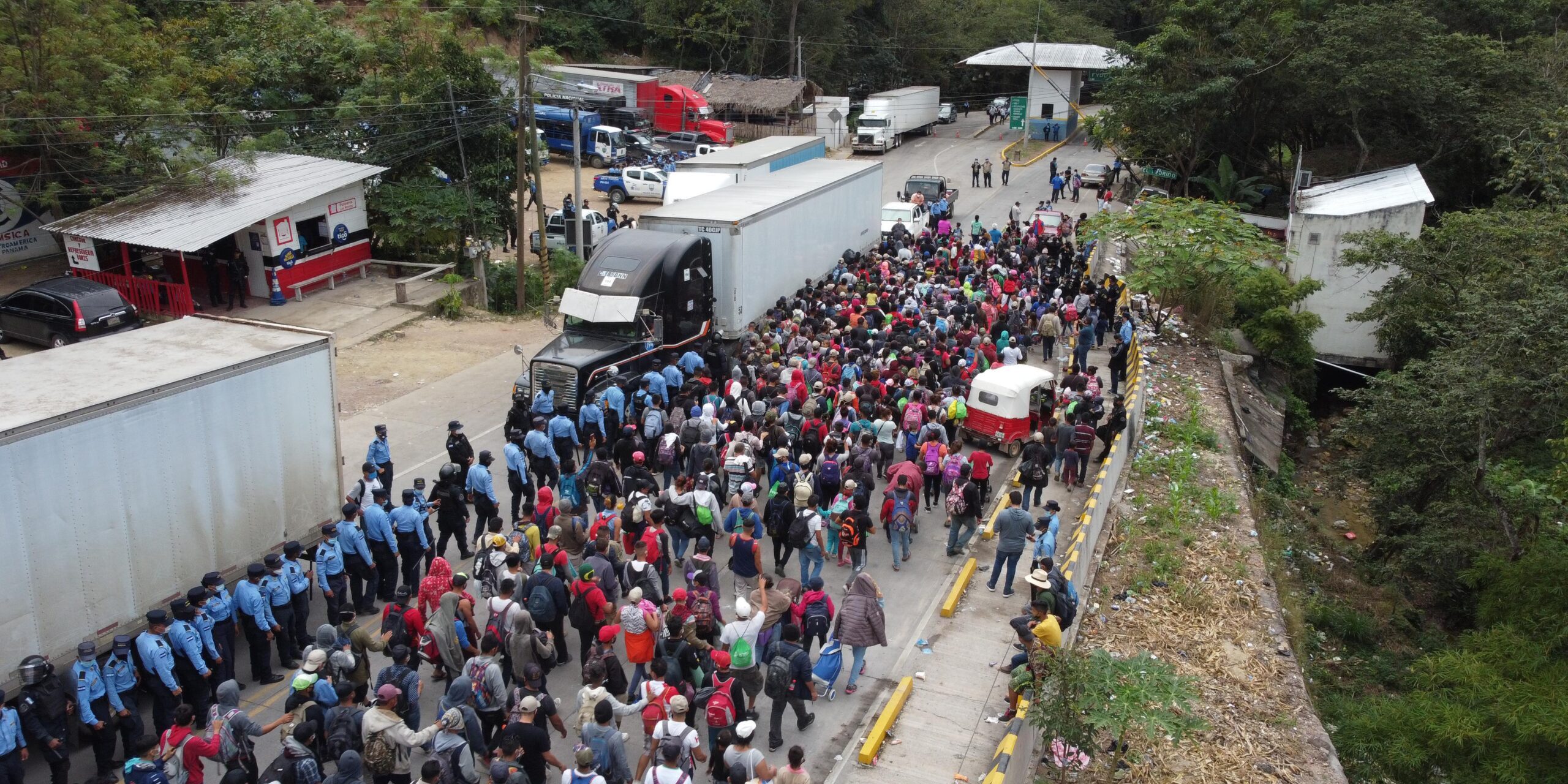
Particularly challenging – and highly politicised – situations in recent years include people being forced back from Europe’s borders to Libya, migrants being pushed back to Niger from Algeria, and Hondurans being returned in large numbers and dropped unceremoniously just across the border.
“Return to the place of origin is not the necessary end or solution of migration. Migrants may prefer to stay where they are, for an extended period or permanently. While providing counselling and informing migrants about their options, National Societies cannot and shall not decide what solution is the best, and must at all times maintain their impartiality, neutrality and independence. When migrants do return they face particular challenges; to assist and protect them, cooperation and agreement between National Societies in countries of destination and return is essential.”
IFRC Policy on Migration, Principle 8
“Returning migrants will often face challenges that may necessitate the intervention of National Societies. Assisting migrants in return to overcome those challenges should be part of an integrated and impartial approach that addresses the needs and vulnerabilities of all persons affected by migration. Therefore, National Societies shall strive to obtain access to all returnees in need, without discrimination and irrespective of their status, and organize their services in such a way that all in need of assistance and protection can access them”
IFRC Advisory Note on Return