From Geneva to Jaipur: How the World Came Together for Heat Action Day 2026
 June 15, 2026
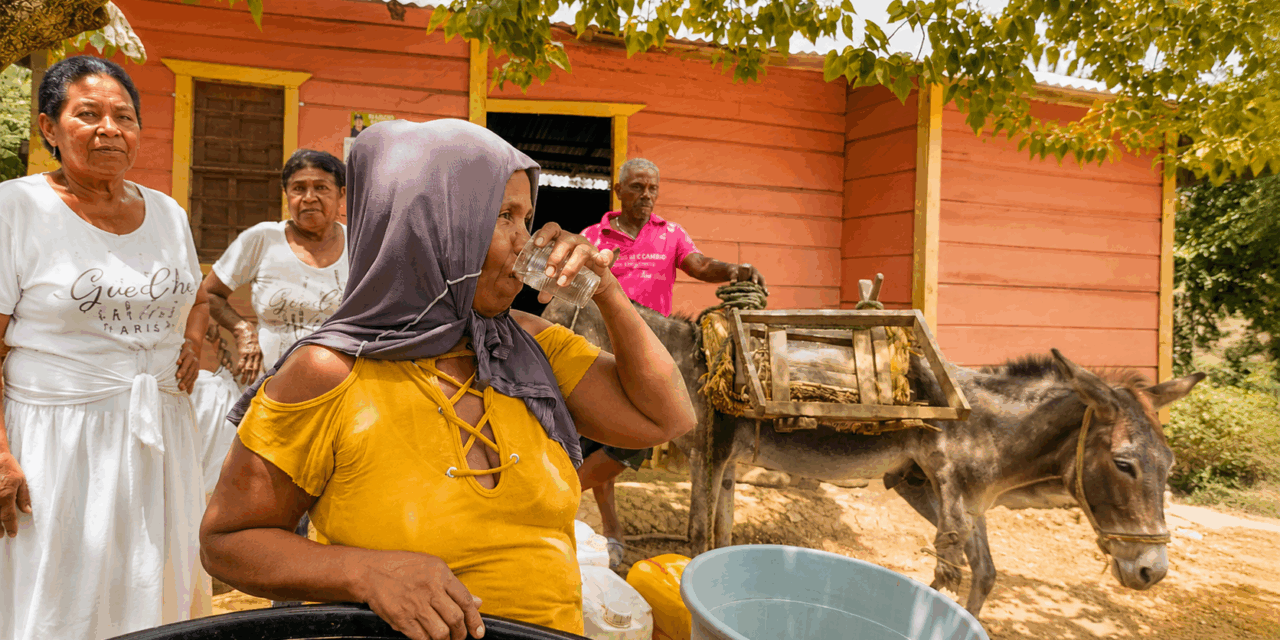
Heatwaves are no longer a distant threat. They are becoming more frequent, longer, hotter, and deadlier — and every year they put millions of people at risk and claim thousands of lives. On June 2, 2026, communities on nearly every continent answered that threat together for the fifth annual Heat Action Day (HAD). This year's theme cut close to home, quite literally: indoor heat risk — recognizing and acting against the dangers we face inside our homes, workplaces, and care settings, where rising temperatures can be just as deadly as the sun outside.
And the response was the biggest yet. Building on a record-breaking 2025, this year over 200 organizations hosted more than 600 events and activities around the world — from national awareness campaigns to street-corner cooling stations, from theatre performances to thermal-imaging citizen science.
A growing global movement
Launched by the International Federation of Red Cross and Red Crescent Societies (IFRC) in 2022, Heat Action Day is led by IFRC and member National Societies worldwide, with support from the American Red Cross / Global Disaster Preparedness Center and the Red Cross Red Crescent Climate Centre. What began as a Red Cross Red Crescent initiative has become a genuinely collective effort. This year's participants spanned the full spectrum of who it takes to keep people safe from extreme heat:
- Around 50 Red Cross and Red Crescent National Societies and their branches led activities on the ground.
- Global partners including the UN Environment Programme (UNEP), the World Meteorological Organization (WMO), World Weather Attribution, the Global Heat Health Information Network (GHHIN), ICLEI – Local Governments for Sustainability, and the Asian Development Bank lent their expertise.
- Grassroots and local organizations: from the Gifted Hand in Somalia to the Sky Light Youth Development Group in Uganda, the Mahila Housing Trust in India, and the Climate Alliance of the Netherlands brought the day into neighborhoods and homes
Heat Action Day looked different in every region — and that's exactly the point. Local organizations translated a shared global theme into solutions and activities that fit their own communities. Here are a few that stood out, along with a snapshot of the many others who took part.
Africa
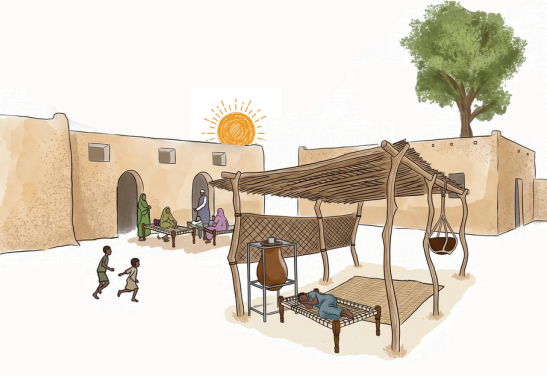
Sudan: keeping homes cool with ancestral knowledge. In a year focused on indoor heat, the Sudan Urban Development Think Tank looked to the past for answers. As part of its DARAJA project, the team produced a booklet documenting traditional Sudanese practices for keeping homes cool, codesigned with community members who shared their own memories and techniques. They paired it with an arts competition run alongside the Sudan Meteorological Authority, turning local heritage into a living tool for adaptation.
Elsewhere across the region:
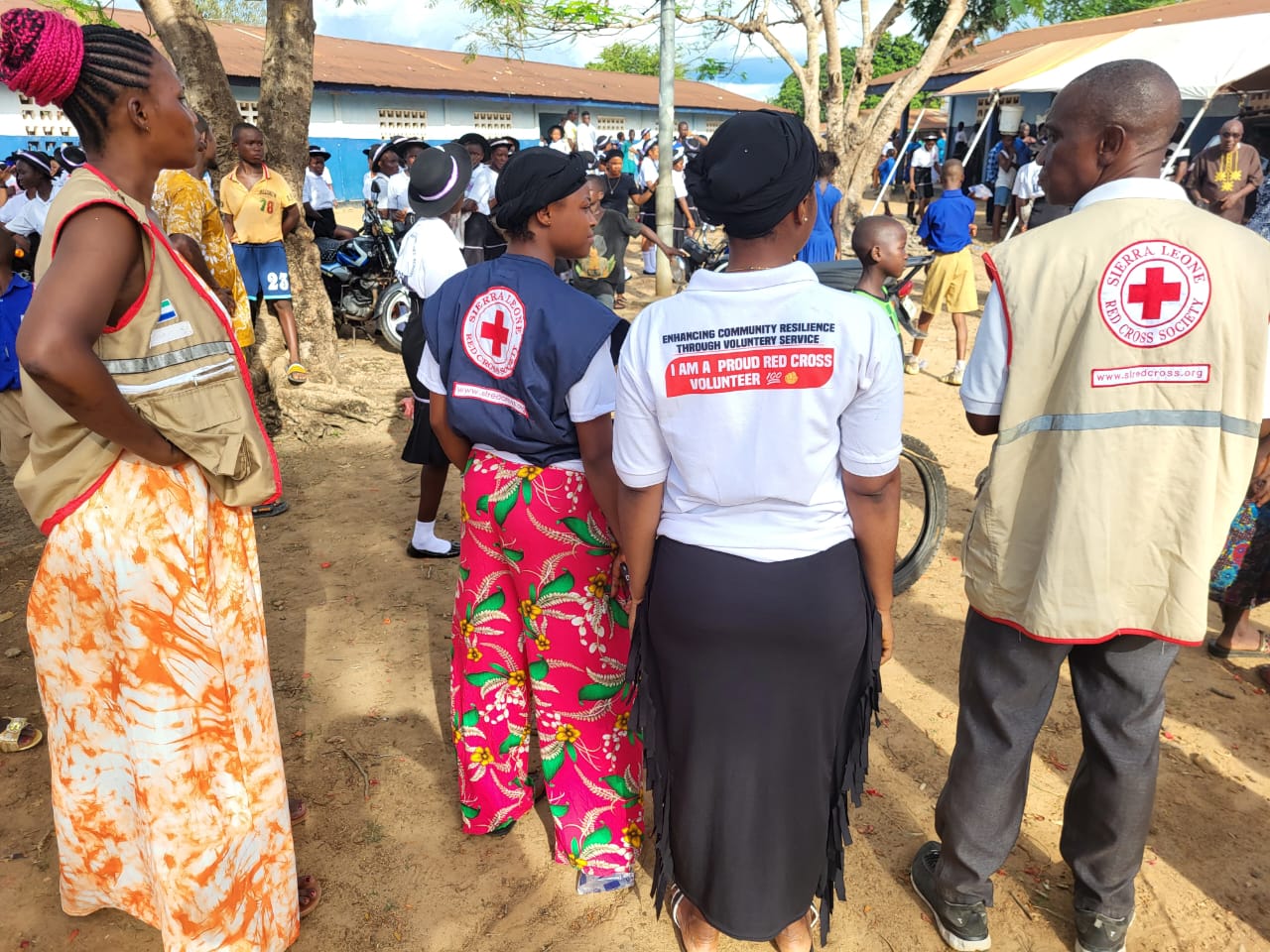
- Sierra Leone Red Cross ran heat-stroke sensitization sessions in schools in Kenema, teaching students how extreme heat affects the body and how to respond.
- HopeGivers Foundation (Malawi) brought together community members, youth groups, women, and local stakeholders in Lilongwe for a day of interactive activities — awareness sessions on hydration, shade, and protecting children, the elderly, and people with underlying conditions, plus community discussions connecting Malawi's rising temperatures to climate change. Local journalists covered the event and interviewed participants, carrying heat-safety messages well beyond the venue, while young volunteers created social media content to amplify the campaign online.
- The HIGH Horizons project (South Africa & Zimbabwe) ran a global campaign — including radio shows and on-the-ground activities — based on its research into how extreme heat affects mothers, newborns, and health workers.
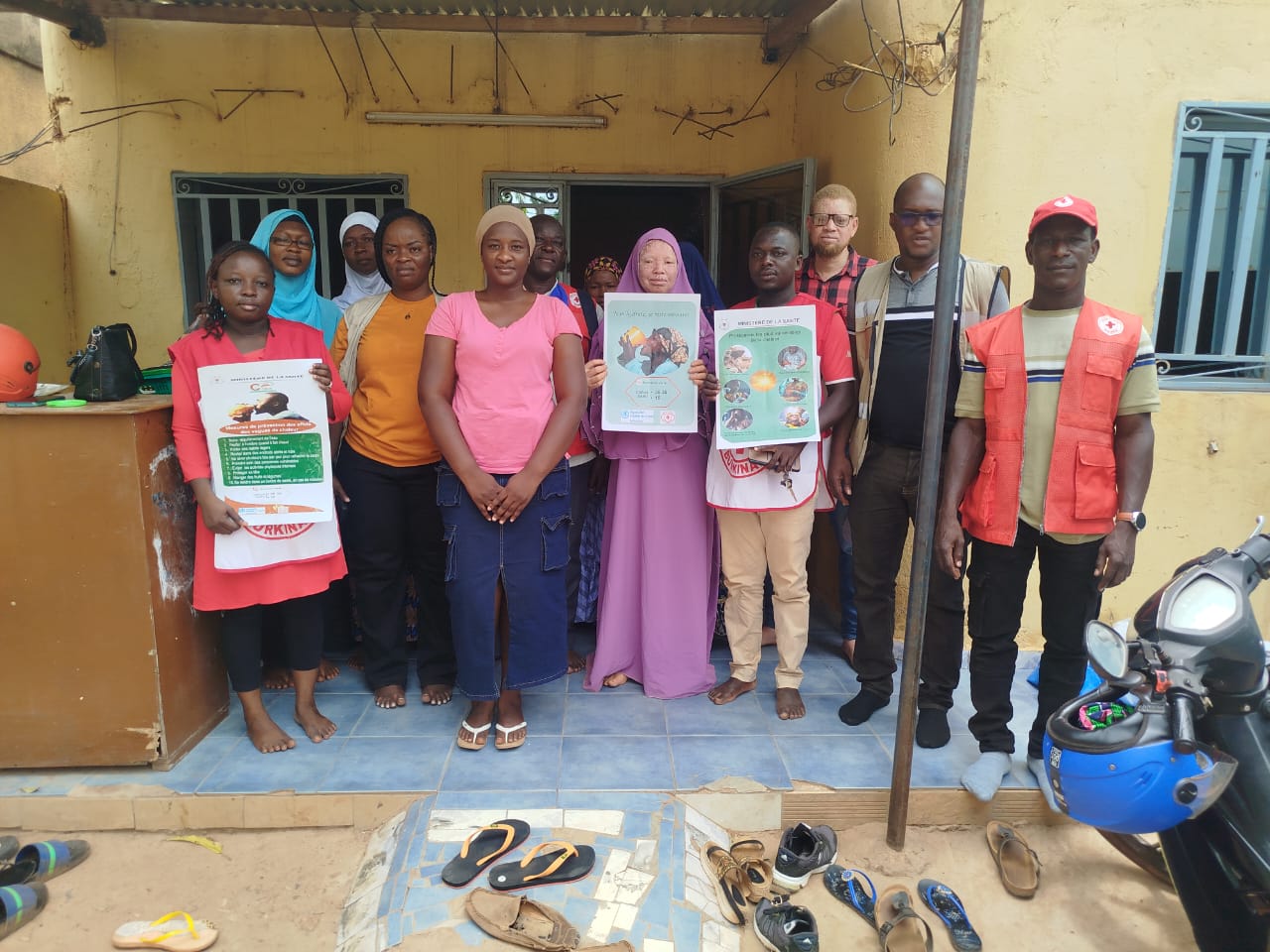
- Burkina Faso Red Cross, with the Ministry of Health and the National Meteorological Agency (ANAM), ran door-to-door awareness activities and focus group discussions with persons with albinism and older people, and hosted a Climate Engagement Day in Ouagadougou — featuring a public conference on extreme heat and the El Niño phenomenon, a guided tour of meteorological facilities, and interactive climate-health activities and first-aid demonstrations at Bangr-Wéogo Urban Park.
- Senegal Red Cross, with Climate Champions Senegal, led public awareness activities on indoor heat — including social media outreach, an awareness poster campaign at Lamine Guèye High School and university, and community outreach in the Sendou and Bargny neighborhoods.
- Sky Light Youth Development Group (Uganda) taught children in Kampala how earthworms help keep soil temperatures moderate and how to harvest organic fertilizer — a hands-on lesson linking heat, soil, and sustainable food growing.
Americas
Colombia: turning students into heat detectives. The Colombian Red Cross built Heat Action Day around four connected touchpoints. A digital awareness campaign across its social media platforms carried prevention, adaptation, and action messages aligned with IFRC's global effort, while a live panel discussion broadcast from the National Headquarters convened experts and institutional voices on the El Niño phenomenon and its impacts on health, water access, and urban environments.
The centerpiece was a hands-on "Heat Hunt" for public-school students in Neiva, Sincelejo, and Barranquilla: through guided walks and temperature measurements, young people identified the heat hotspots in their own school grounds, deepened their grasp of climate adaptation, and fed real findings into their School Risk Management Plans. Running alongside it all, a regional media strategy worked with local journalists in the three cities to spread self-care and adaptation messages to the wider public.
Elsewhere across the region:
- Mexican Red Cross ran a month-long effort through its National Disaster Risk Reduction Program: it shared its Community Action Guide for Heat Waves in Mexicali — covering the family emergency plan, vulnerable groups, and measures to take at home — hosted a webinar to strengthen National Society capacities in health and infrastructure, and rolled out infographics on humidity, urban heat islands, and climate projections.
- Los Angeles Regional Collaborative (USA), a non-profit coordinating climate action efforts across the LA region, launched a new season of its extreme heat campaign on social media, targeting vulnerable groups with heat-safety tips, and built a training program turning community health workers into "heat ambassadors" who distribute supplies and information to heat-vulnerable communities all summer.
- In the Texas (USA), the American Red Cross North Texas Region lit Dallas orange for the day — the iconic Reunion Tower ball and Pegasus, the Omni Hotel, downtown Dallas, and the Denton County Courthouse all glowed to spotlight extreme heat; Hidalgo County (Texas) Health and Human Services ran a live podcast with a county commissioner on heat-illness prevention plus bilingual "Beat the Heat" social posts; and students in the MAPS Environmental Architecture program at Highland Park High School built a heat-smart playhouse for the Dallas CASA Parade of Playhouses, an annual community event that was attended by roughly a million visitors this year.

Asia-Pacific
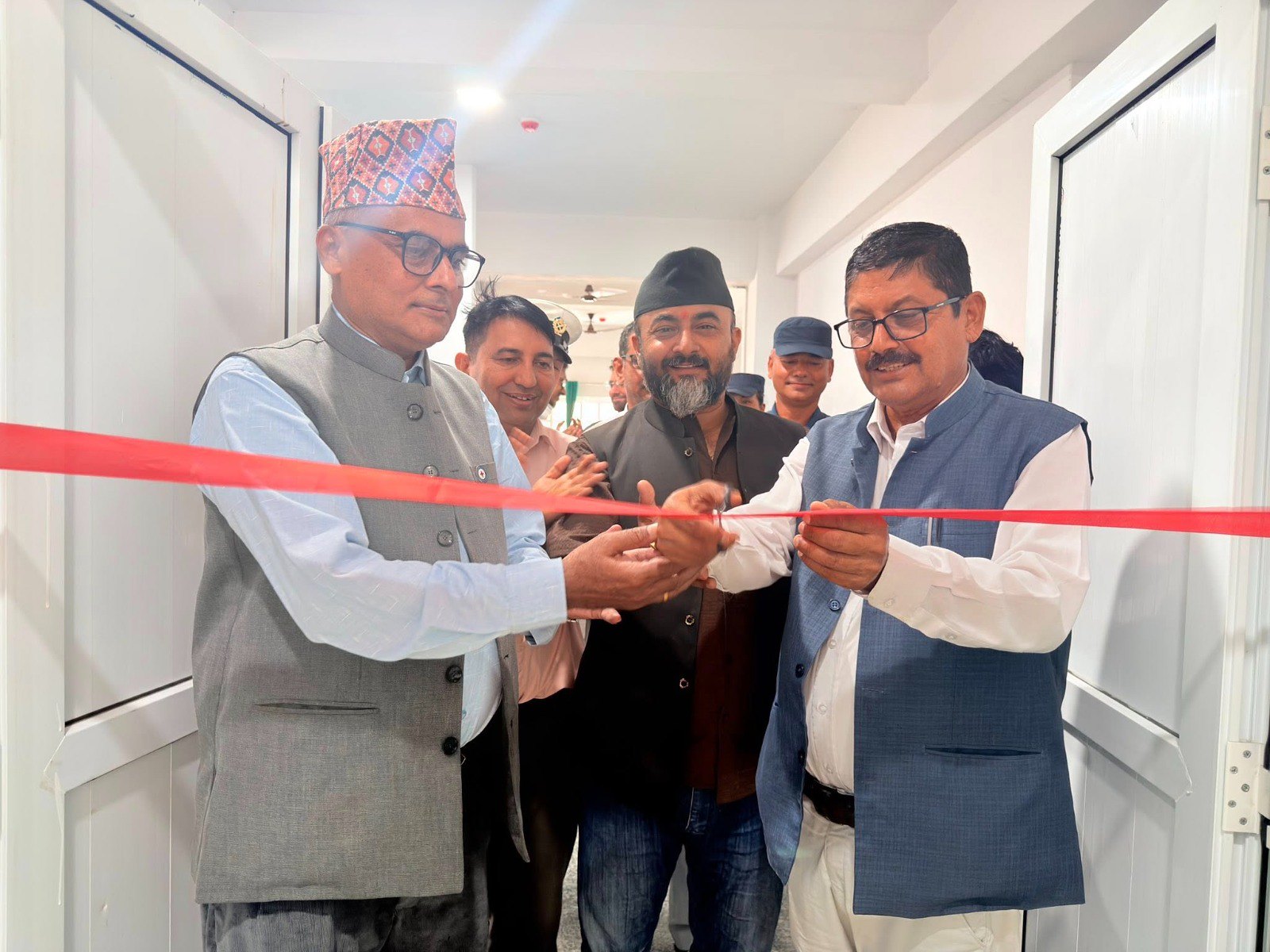
Nepal: from market help desks to a misting booth built by students. The Nepal Red Cross Society, with IFRC and partners, met Heat Action Day on multiple fronts — pairing frontline community relief with bold awareness-raising. In Sainamaina Municipality, it set up a "Heat & Health" help desk, handed out free electrolyte water, cold water, and sarbat (a lemon-sugar-salt cooler) to people in crowded markets, and inaugurated a dedicated heat ward at Sainamaina Hospital to treat those most affected. In Kathmandu, it turned the day into a gathering point for the whole society: a Heat Action Day event with an art gallery, painting activities, and a marketplace drew in government, diplomatic missions, international NGOs, local organizations, and academia — and visitors could step inside a portable misting booth designed by local engineering students, a small, vivid glimpse of how homegrown ingenuity can offer relief from the heat.
Elsewhere across the region:
- Myanmar Red Cross ran a public information campaign across five states and regions — Yangon, Mandalay, Ayeyarwady, Bago, and Mon — distributing heatwave key messages, pamphlets, water bottles, hydrating solutions, and towels in densely populated urban and peri-urban areas.
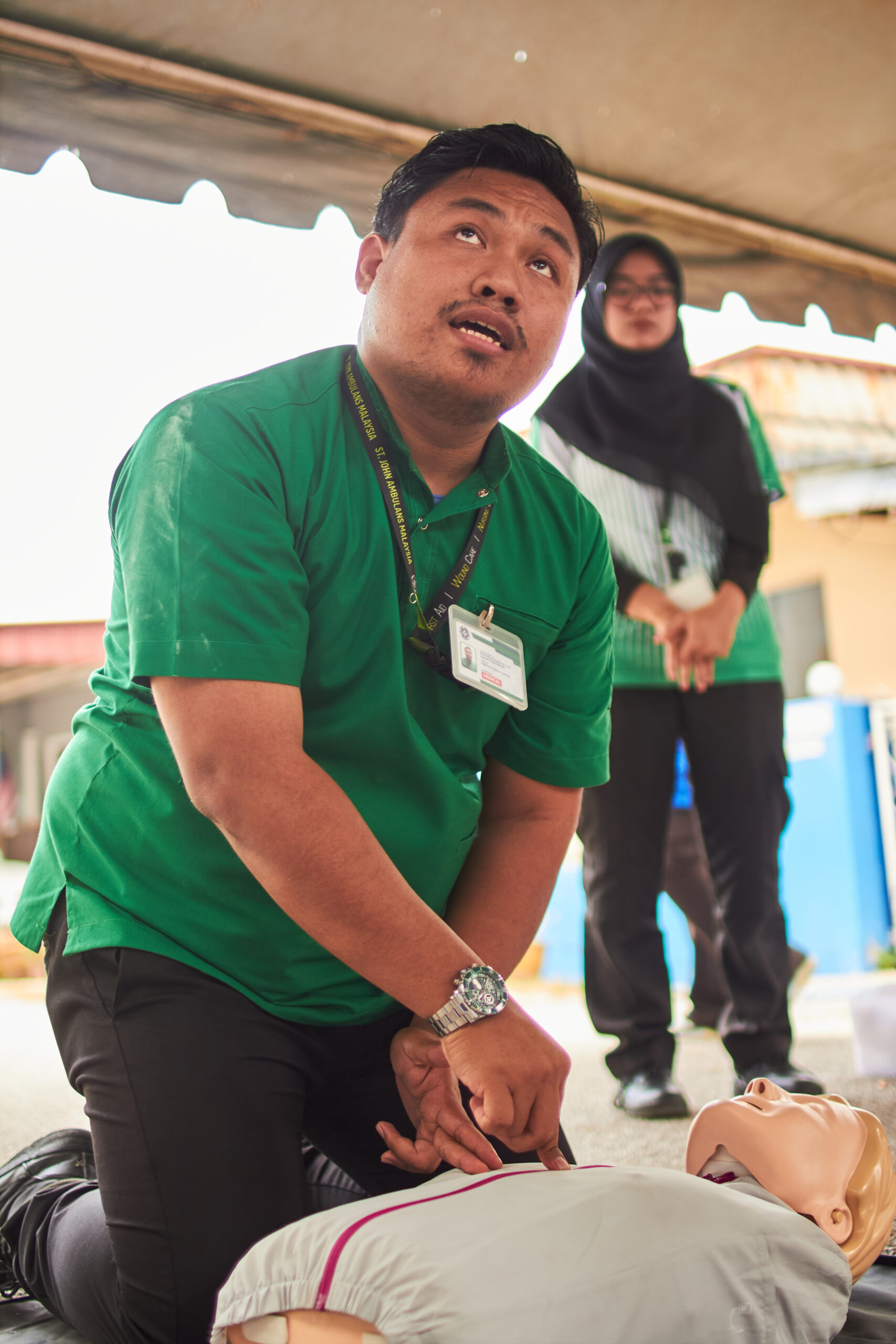
- Resilient Cities Network (Malaysia) led a hands-on community workshop in a Melaka public housing complex where indoor temperatures linger above 30°C into the night. Residents applied a coat of heat-reflective paint, paramedics trained them to spot heat-related illness, and indoor monitors now track how community-led actions — from reflective paint to urban greening — are cooling homes for good.
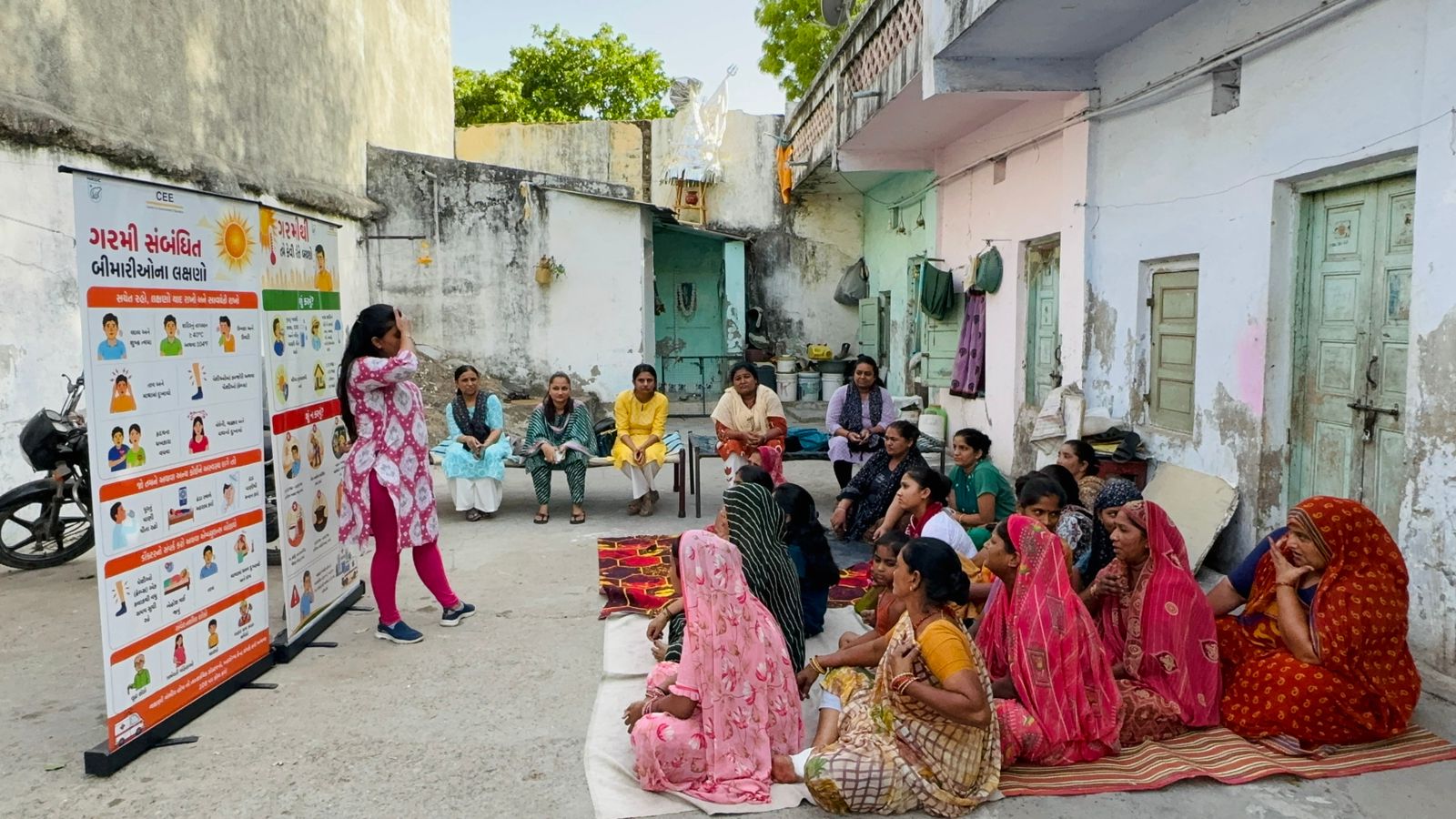
- India saw action on several fronts. In Jaipur, the Mahila Housing Trust, with the Municipal Corporation Jaipur and IIFL, pioneered the city's first Net-Zero Cooling Station in Mansarovar, a low-carbon "cooling oasis" giving immediate relief to pedestrians, informal workers, and commuters while demonstrating that climate-resilient infrastructure can protect the most exposed without adding to the emissions driving the heat. The Centre for Environment Education advanced the Mahesana Heat Action Plan in Gujarat through awareness, capacity building, and community engagement with the Mahesana Municipal Corporation, and the Indian Red Cross Society's Howrah District Branch ran community awareness events, an "indoor heat" seminar, and distributed oral rehydration solutions to those most exposed.
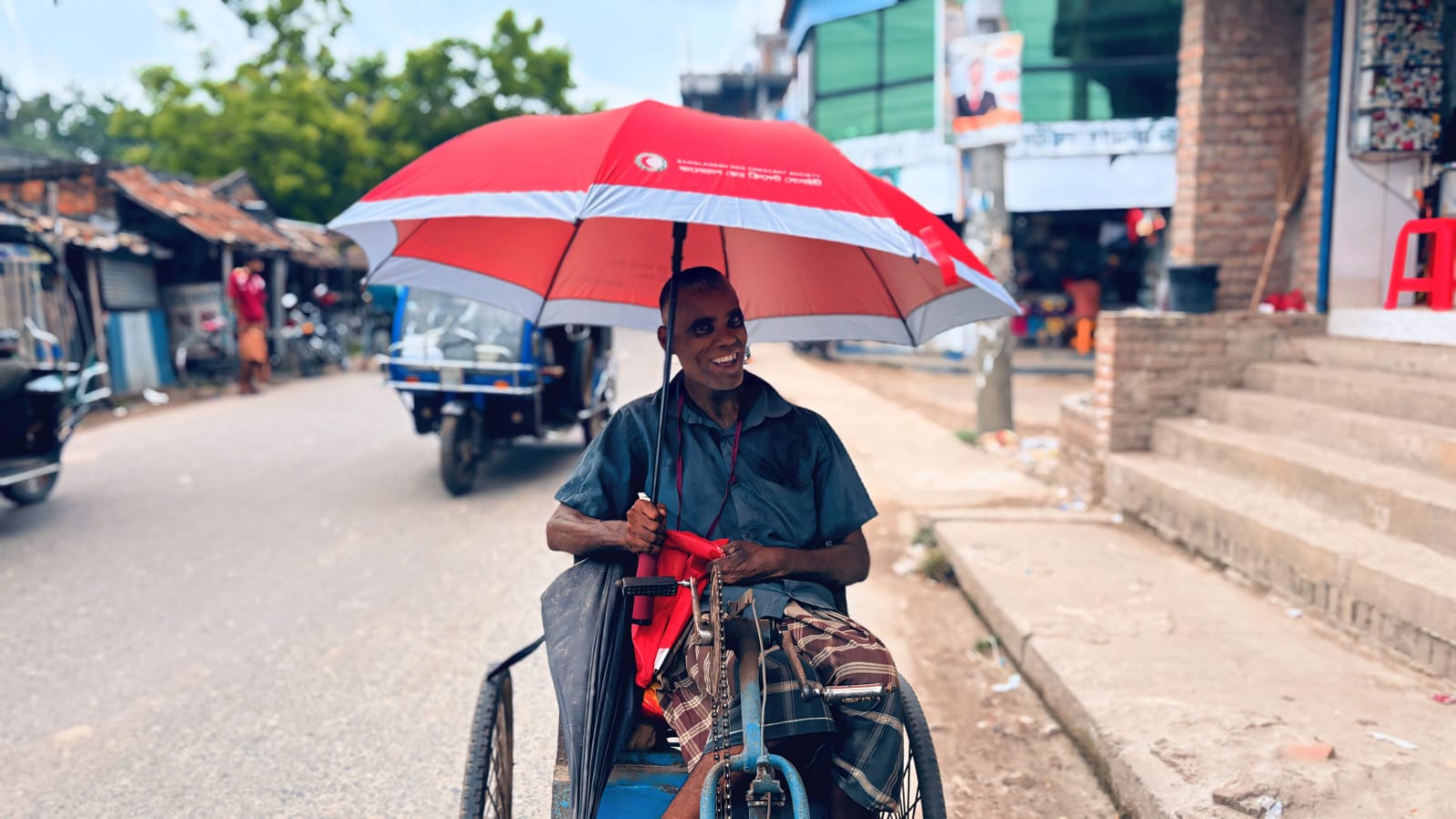
- Bangladesh Red Crescent Society ran a heat awareness campaign during the heatwave — distributing hand fans and drinking water with heatwave safety messages to children, and handing out umbrellas to shade people from the sun
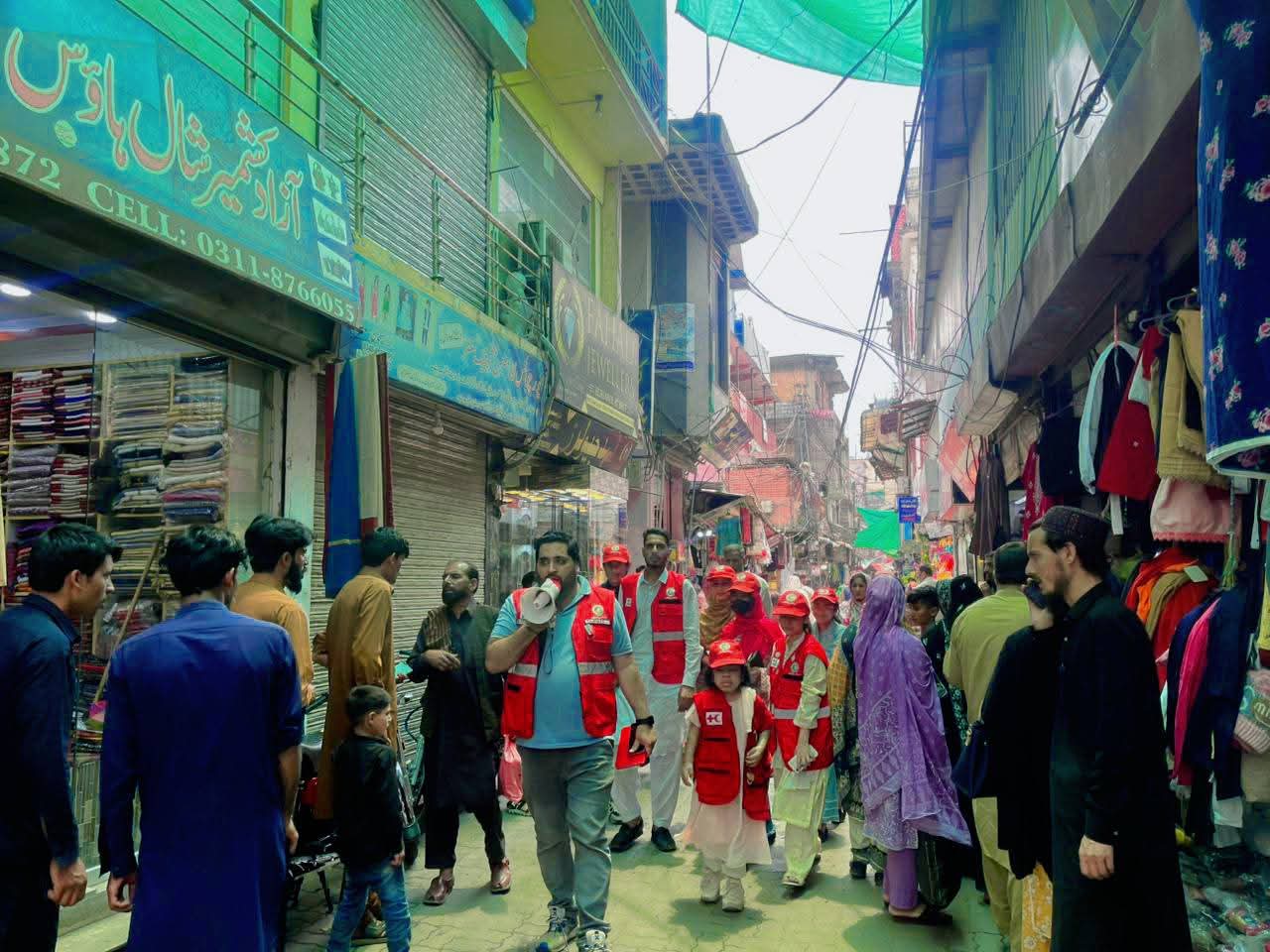
- The Community Development Foundation (Pakistan) set up emergency heat relief camps in high-visibility public spaces in Jacobabad, Garhi Khairo, and Thull — distributing cold drinking water and first-aid kits, keeping a dedicated 1122 ambulance on standby for critical evacuations, providing emergency water for livestock and working animals, and setting up community ice banks for vulnerable households. The Association for Gender Awareness and Human Empowerment (AGAHE) added awareness seminars, a community walk, and a tree-planting drive in District Sialkot.
- Philippine Red Cross, with IFRC and the Zurich Climate Resilience Alliance, hosted a Heat Action Forum in Quezon City and ran awareness sessions in schools and communities, distributing cooling towels, umbrellas, bucket hats, and hand fans, and setting up interactive heat-action booths with "spin the wheel" games and Q&A sessions during Brigada Eskwela at local elementary schools.
Europe
Türkiye: meeting the most vulnerable where they are. Türk Kızılay built one of the most comprehensive local campaigns of the day in Ankara's Hacı Bayram neighborhood. Using community heat-mapping tools, residents discovered their area was the province's second-largest urban heat island. The Red Crescent then leaned on its disaster-nutrition mandate, using soup kitchens to reach the elderly and people with disabilities — delivering cold ayran (a traditional yogurt drink) and custom paper hand fans alongside hot meals, and distributing soil-less cooling-plant kits to help families regulate indoor temperatures naturally.
Elsewhere across the region:
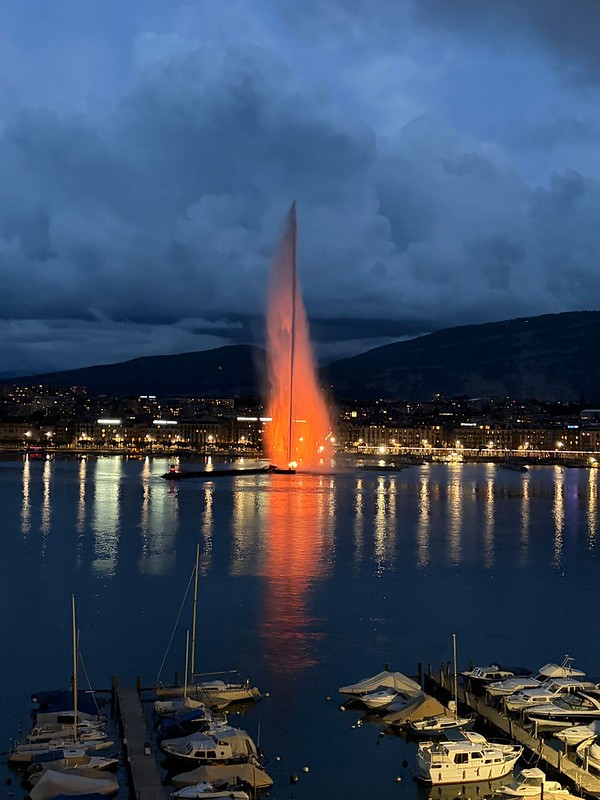
- In Geneva, the Global Cities Hub convened a hybrid event featuring Chief Heat Officers and UN experts to share scalable solutions other cities can replicate. And as night fell, Geneva lit its iconic Jet d'eau fountain orange — a striking public signal that extreme heat deserves the world's attention.
- The Netherlands (Klimaatverbond and partners) turned preparedness into public art across multiple cities: Amersfoort launched a Heat Action Programme with a local artist's shadow-and-energy installation and four follow-up Sundays focused on pregnant women and young children; Rotterdam staged ten theatre shows, including a spoken-word opening and a "silent killer" dance in a city square, while the Netherlands Climate Alliance signed Rotterdam's renewed Heat Health Action Plan with its partners. Ridderkerk produced a heat-themed bookmark, elderly discussions, and an outdoor play day. Volunteers also went door to door to observe how people actually behave in a heatwave — and whether it matches official guidance.
- University of Copenhagen & Kenya Red Cross ran a community-based workshop on adaptation pathways to extreme heat for informal settlements and densely populated high-rise buildings, picking up this year's indoor-heat theme.
Middle East and North Africa
Lebanon: protecting people from heat amid crisis. For the Lebanese Red Cross, Heat Action Day unfolded against the backdrop of conflict and displacement — with people sheltering in crowded, often makeshift settings where indoor heat becomes its own danger. Rather than treat heat as a separate concern, the National Society folded it into its ongoing humanitarian response: running a mobile clinic with the Ministry of Public Health, delivering basic health and social support in targeted communities, distributing water and heat-safety materials, and holding awareness sessions and focus-group discussions on how families cope when the temperature climbs. A digital campaign extended the message to elderly associations, reaching some of those most at risk indoors.
Elsewhere across the region:
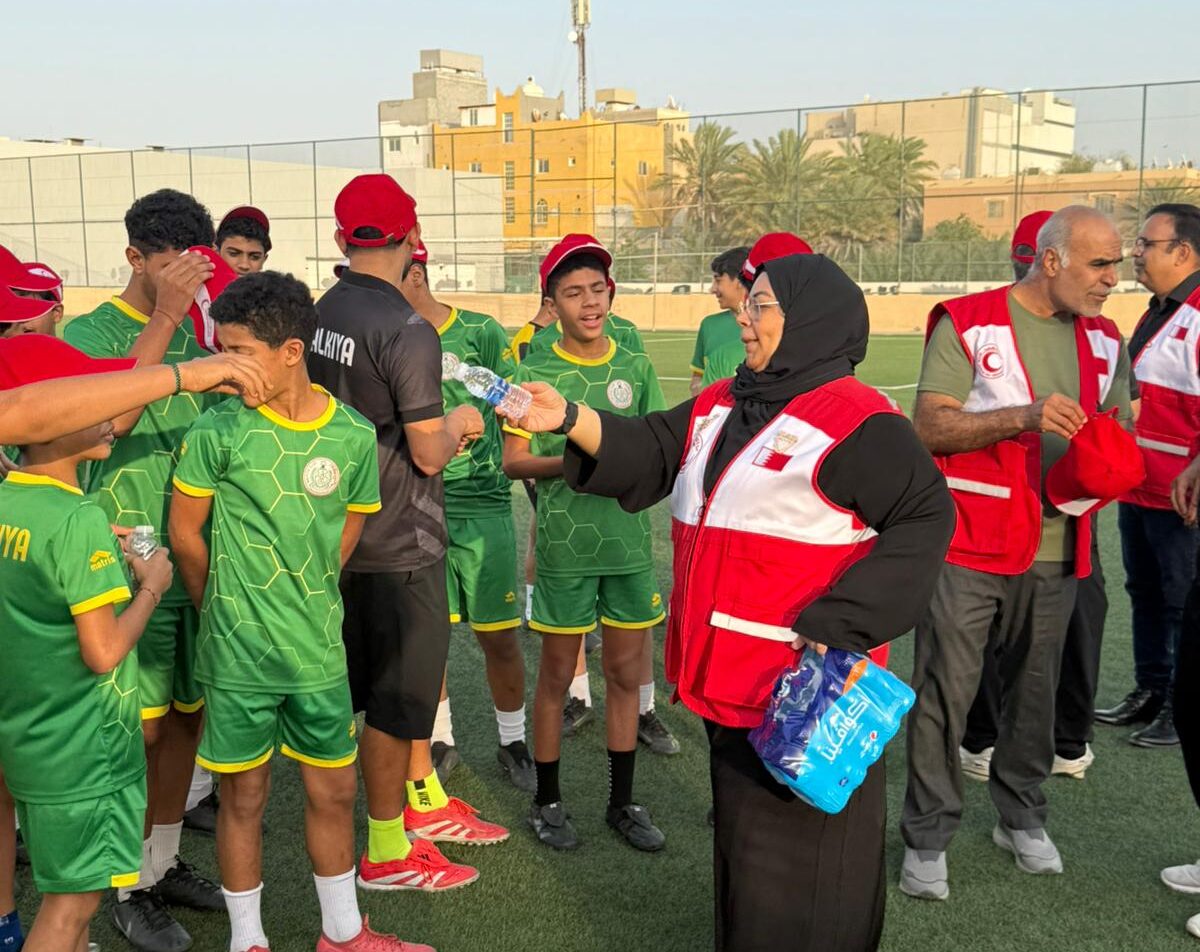
- Bahrain Red Crescent ran a training session, led by a member of its Board of Directors, teaching children aged 12–14 how to stay safe during indoor sports and outdoor activities and how to recognize and prevent heat exhaustion.
- Iran Red Crescent delivered awareness and educational sessions for children, youth, and families; supported vulnerable populations through field outreach and water distribution; and produced materials on indoor heat risks and practical home cooling — ventilation, shading, insulation, and reflective surfaces — for the elderly and people with chronic conditions.