Hear Action Day İn Ankara
 September 14, 2026
As climate change intensifies we have entered a period in which disaster risks can no longer be understood solely through sudden and highly visible events. Alongside disasters such as earthquakes, floods and wildfires, heatwaves represent a risk that often unfolds more quietly, yet can have extremely severe consequences.
Considering impacts such as heat-related deaths and disruptions in access to health services across an increasingly warmer Europe under El Niño conditions heatwaves must now be recognized as a disaster risk one that is exacerbated by climate change and can lead to deadly consequences when combined with local vulnerabilities.
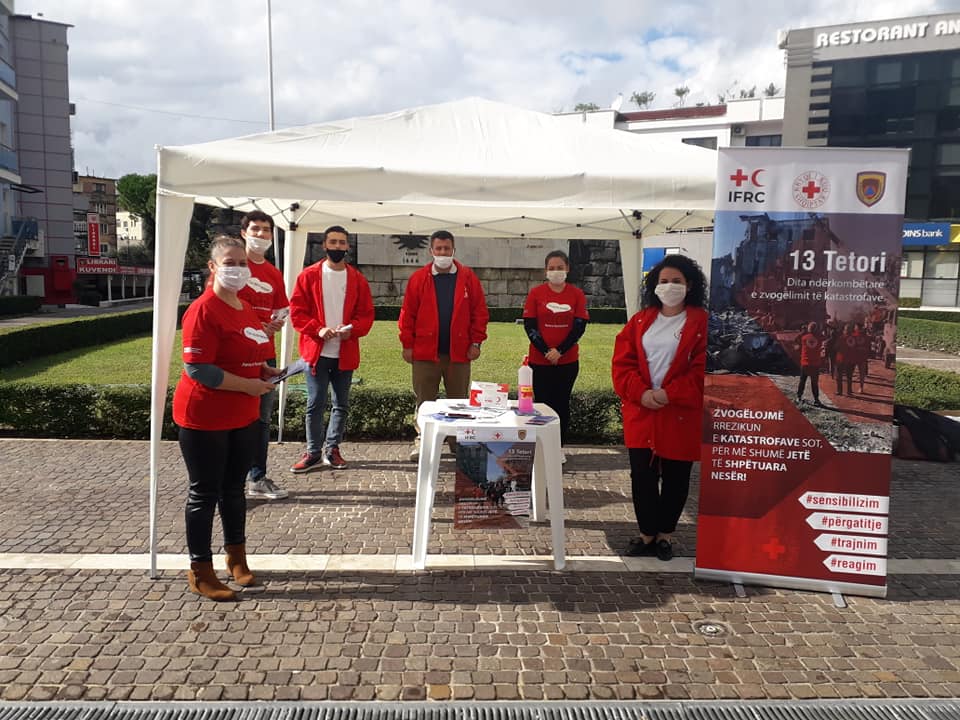
The work of the Resilience Committee established in Altındağ’s Hacı Bayram neighbourhood under the Turkish Red Crescent RISE Project offers an important example of this approach. A transect walk conducted together with committee members helped make heat risk visible as a tangible hazard at the neighbourhood level. Through their analysis of secondary data, committee members living in the neighbourhood identified Hacı Bayram as home to Ankara’s second-largest urban heat island. This finding provided a strong rationale for organizing Heat Action Day in this particular area of Ankara.
2026 Heat Action Day theme draws attention to the risks of indoor heat.
Heat risk is often associated with being outdoors, under direct sunlight or in open spaces. Yet indoor environments can become places where the risk intensifies ventilation, and in areas affected by dense urban development.
The work carried out in Hacı Bayram gains particular significance from this perspective. While heat mapping conducted by the RISE Ankara Resilience Committee revealed where heat risk was concentrated, the Heat Action Day activities.
Against this background, presentation was delivered to Resilience Committee members on the day of the event, focusing on the impacts of extreme heat on community resilience. The presentation also examined how different versions of Türkiye’s Regulation on Fire Protection of Buildings have influenced indoor temperatures in buildings. This made it possible to consider the age of buildings as one of the indicators for assessing their resilience to heat.
As part of the event, hydroponic growing kits were provided to committee members. The Altındağ District Directorate of Agriculture was consulted on seeds suitable for the local climate and for plants associated with refreshing foods, and the recommended seeds were subsequently provided.
Nutrition is particularly important in indoor heat context. Hand fans designed for residents of Hacı Bayram and beneficiaries of the Turkish Red Crescent Altındağ District Branch were another visible component of this approach. In addition to heat-awareness messages, the fans included a QR code linking to an online recipe booklet featuring refreshing dishes that could be prepared using the seeds distributed during the activity. In this way, risk communication was transformed into realistic information that community members could use in their homes, kitchens and everyday lives.
On the same day, with the support of the Turkish Red Crescent Directorate of Nutrition cold soup and ayran(a traditional yogurt-based drink) were distributed to 3,200 people through community kitchens equipped to package and serve cold meals. During periods of extreme heat, access to refreshing, safe and accessible food can be an important protective factor, particularly for vulnerable groups.
Nowadays, committee members are monitoring the growth of plants in their homes and warning their communities about the hot weather.
If you’d like to see refreshing recipes that suit Turkish tastes, you can access the online recipe book via the link below.