Early Warning Systems

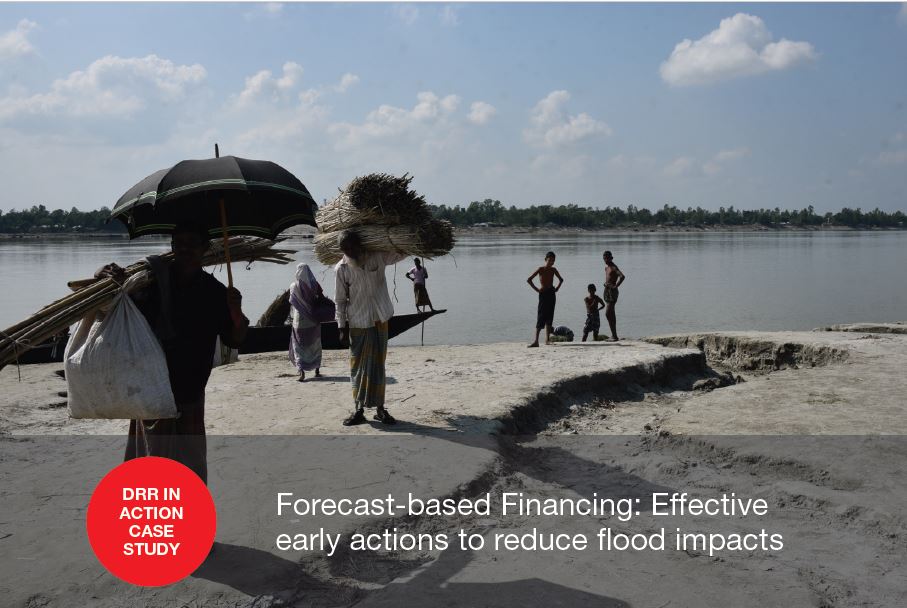
Building flood preparedness in community: Implementing early warning systems in Ayutthaya (Thailand)

Published: 23 March 2015 Ayutthaya, Thailand – This case study concerns the Program for Reduction of Vulnerability to Floods in Thailand implemented by the Asian Disaster Preparedness Center (ADPC) in collaboration with the Department of Disaster Prevention and Mitigation (DDPM) as a focal point on disaster risk reduction organization in Thailand and with the support […]

Building flood preparedness in community: Implementing early warning systems in Ayutthaya (Thailand) Read More »

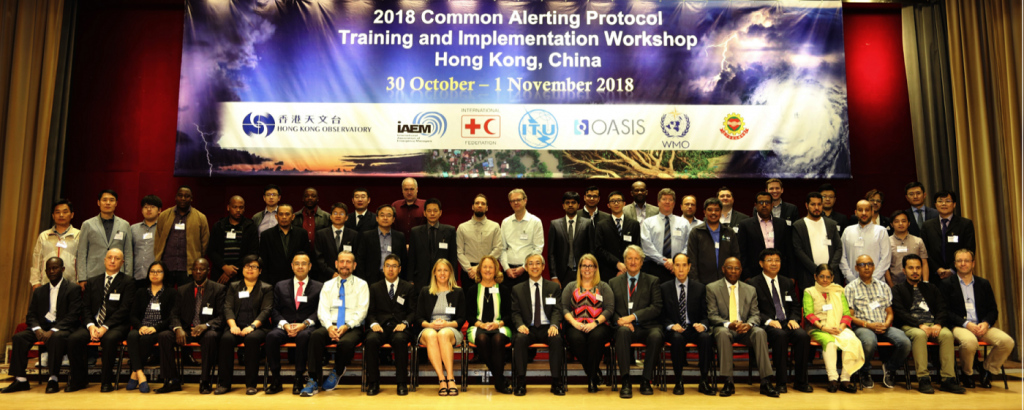
2016 Common Alerting Protocol (CAP) Workshop Report

Held in Bangkok on August 23–24, 2016, this workshop brought together 81 participants from 17 countries to share technical experiences with CAP-enabled alerting systems. Co-hosted by the Asian Institute of Technology and Sahana Software Foundation, and supported by partners including IFRC, WMO, ITU, and UNESCAP, the event featured presentations from government agencies, humanitarian actors, and

2016 Common Alerting Protocol (CAP) Workshop Report Read More »

Global Guidance on Implementing CAP-Enabled Alerting Systems

This guidance document provides practical and policy-oriented advice for governments, emergency management agencies, and technical implementers involved in designing or strengthening a Common Alerting Protocol (CAP) – enabled alerting system. Drawing on contributions from invited international experts, the document outlines key strategic principles, governance considerations, and technical practices needed to support effective, people-centred public warning

Global Guidance on Implementing CAP-Enabled Alerting Systems Read More »

Toward a CAP-enabled National Alert System: Some Notes for the Government of Mexico

This document provides policy and technical guidance to support the Government of Mexico in the development of a country-wide, Common Alerting Protocol (CAP)–enabled National Alert System. Prepared with input from invited international experts, it is intended for government officials and institutions involved in public warning, civil protection, and emergency communications at national and sub-national levels.

Toward a CAP-enabled National Alert System: Some Notes for the Government of Mexico Read More »

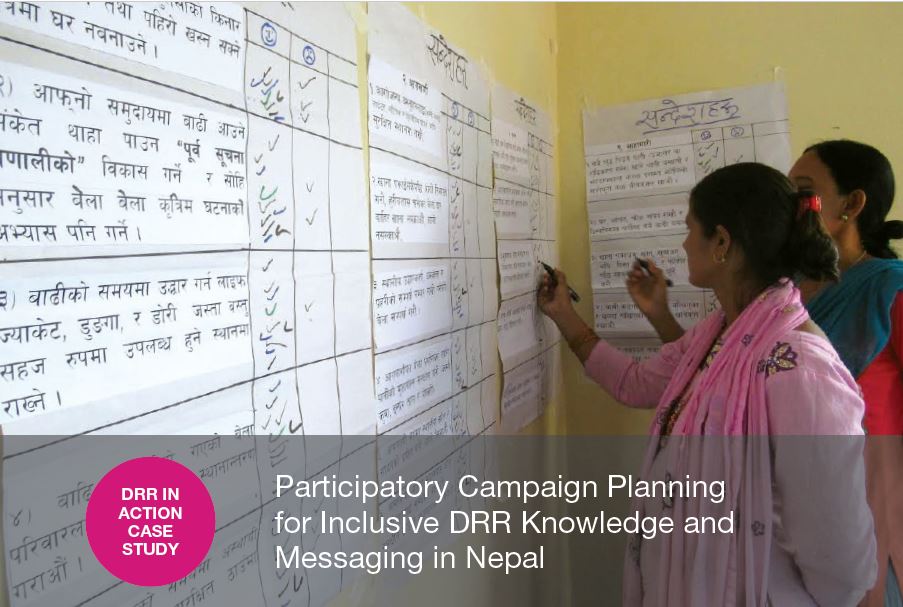
Messaging Campaigns: A Companion to Changing Behaviour

Public campaigns that aim to mobilise people to take action are a powerful tool used by the Red Cross Red Crescent and a variety of other social organizations in their efforts to prevent and alleviate human suffering. Campaigns are employed towards diverse objectives: from community resilience, health, disaster recovery, to social inclusion and beyond. This set of publications offers guidance

Messaging Campaigns: A Companion to Changing Behaviour Read More »

Climate Information and Early Warning Systems Communications Toolkit

This toolkit provides national hydrometeorological services, policy makers, and media and communications for development practitioners with the tools, resources and templates necessary to design and implement an integrated communications strategy. It defines goals for the issuance of early warnings, and creation of improved climate information products and supportive communications strategies. These supportive strategies serve to

Climate Information and Early Warning Systems Communications Toolkit Read More »

2016 Common Alerting Protocol (CAP) Workshop – Presentations and Key Documents

The 2016 Common Alerting Protocol (CAP) Implementation Workshop was held on 23-24 August 2016 in Bangkok, Thailand. It was hosted by the Asian Institute of Technology (AIT) and the Sahana Software Foundation, and co-sponsored by the International Federation of Red Cross and Red Crescent Societies (IFRC), the International Telecommunication Union (ITU), the OASIS standards organization,

2016 Common Alerting Protocol (CAP) Workshop – Presentations and Key Documents Read More »

Tsunami detection using commercial cargo ships

Researchers at the University of Hawaiʻi at Mānoa School of Ocean and Earth Science and Technology (SOEST) have begun equipping commercial cargo ships with low-cost tsunami sensors to provide real-time early detection data as they move through the North Pacific. The researchers, funded by the National Oceanic and Atmospheric Administration, are partnering with Matson, Maersk Line and the World

Tsunami detection using commercial cargo ships Read More »

Universal App: Identifying High Priority Public Warnings

This technical guide outlines the method used by the Global Disaster Preparedness Center’s Universal App Program to identify “high priority public warnings” within Common Alerting Protocol (CAP) alerts. These are messages requiring immediate or near-immediate public action due to significant or imminent threats. The document details the filtering criteria used to automate selection of such

Universal App: Identifying High Priority Public Warnings Read More »

Scroll to Top