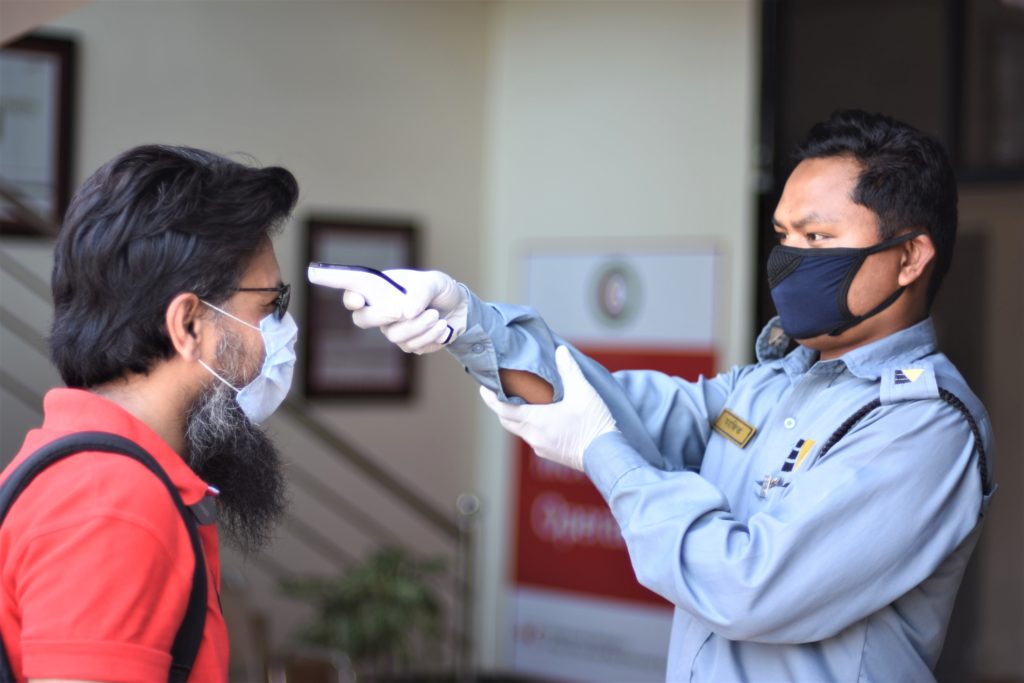
COVID-19 Guidance for Staff
COVID-19 Guidance for IFRC and Red Cross Red Crescent National Societies’ staff. Check this guidance frequently for updated versions. The updated version on 01.july 2020
COVID-19 Guidance for Staff Read More »

COVID-19 Guidance for IFRC and Red Cross Red Crescent National Societies’ staff. Check this guidance frequently for updated versions. The updated version on 01.july 2020
COVID-19 Guidance for Staff Read More »
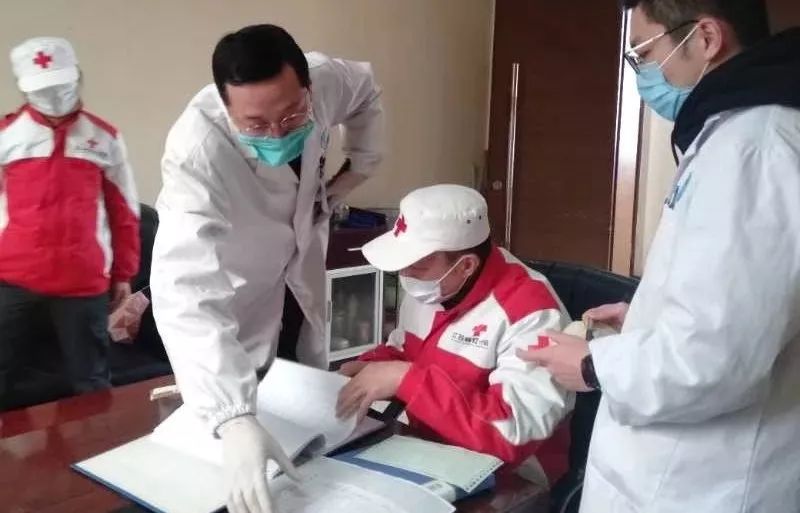
Frequently Asked Questions (FAQ) on COVID-19 for IFRC and Red Cross Red Crescent National Societies’ personnel.
Staff Health – Frequently Asked Questions COVID-19 Read More »
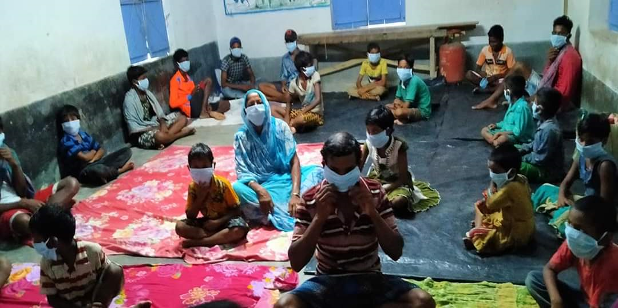
This document is technical guidance for Red Cross Red Crescent colleagues who are interested in applying a risk-informed approach vis-a-vis the COVID19 pandemic, using some of the insights and perspectives that are applicable in the disaster risk reduction and climate adaptation fields. The document advocates for a stronger multi-sectoral and multi-risk approach when pro-actively dealing
Towards a Risk Informed COVID-19 approach Read More »
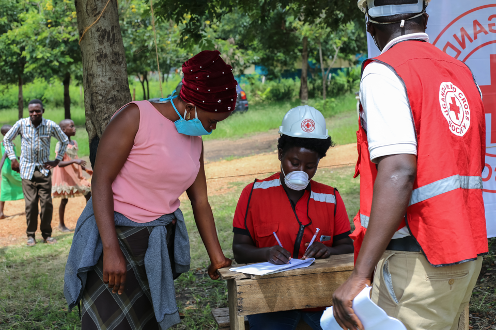
This technical guidance highlights how the COVID-19 pandemic may undermine the resilience of communities and individuals affected by the primary and secondary effects of a hazard, as well as how a particular hazard may seriously worsen the conditions of people affected by COVID-19. It, therefore, calls for a fully integrated approach whereby these ‘compounding effects’
Compounding Impacts of Hazards & COVID-19 Read More »
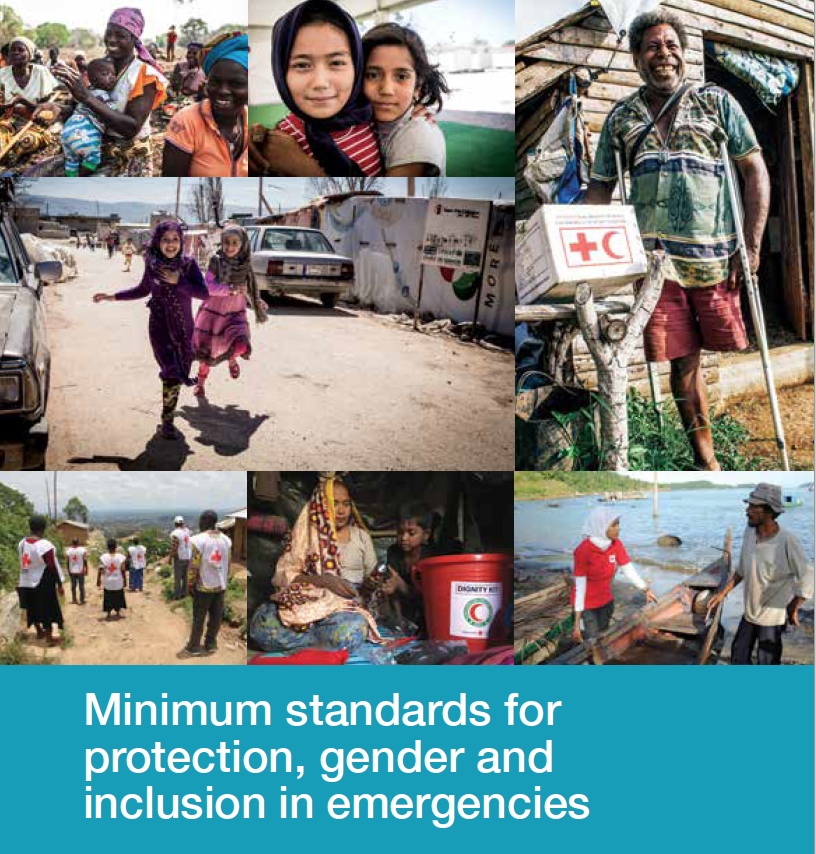
The IFRC’s Minimum standards for protection, gender, and inclusion (PGI) in emergencies is now in its second edition. This edition is the result of three years of testing, revision and feedback from protection, gender and inclusion (PGI) and sectoral specialists, based on use in the field by Red Cross and Red Crescent staff and volunteers
Minimum standards for protection, gender and inclusion in emergencies Read More »

COVID-19 is a public health emergency with multiple direct and indirect impacts on children’s protection, well-being, and development, both in the short- and longterm. For example, the closure of schools, confinement, and reductions in food security and household income pose life-threatening risks for children, including exposure to violence, exploitation, abuse, family separation and harmful family
The Asia Pacific Disaster Resilience Centre invites the 2nd International Forum and Disaster Resilience on the topic: “COVID-19: Disaster Risk Reduction and Resilience and its Framework” Date: 3 July 2020 Time: 13:00 – 18h30 (GMT+9, Seoul Time) Connection: https://event.voiceboxer.com/event/rcnbtr/login
COVID-19: Disaster Risk Reduction and Resilience and its Framework Read More »
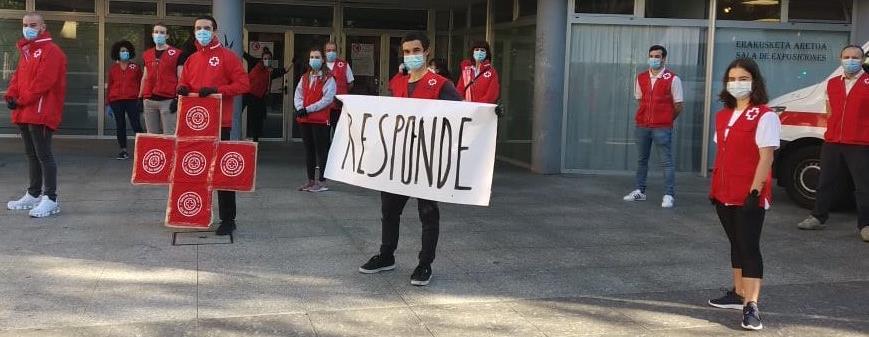
The objective of this document is to disseminate the experience of the Spanish Red Cross (Spanish RC) in the face of the importation of large volumes of humanitarian aid during the emergency phase in response to the COVID-19 pandemic, so that it can serve as a reference, source of inspiration or help to other Red
Case Study: Increasing the supply chain agility for PPE during COVID-19 response Read More »
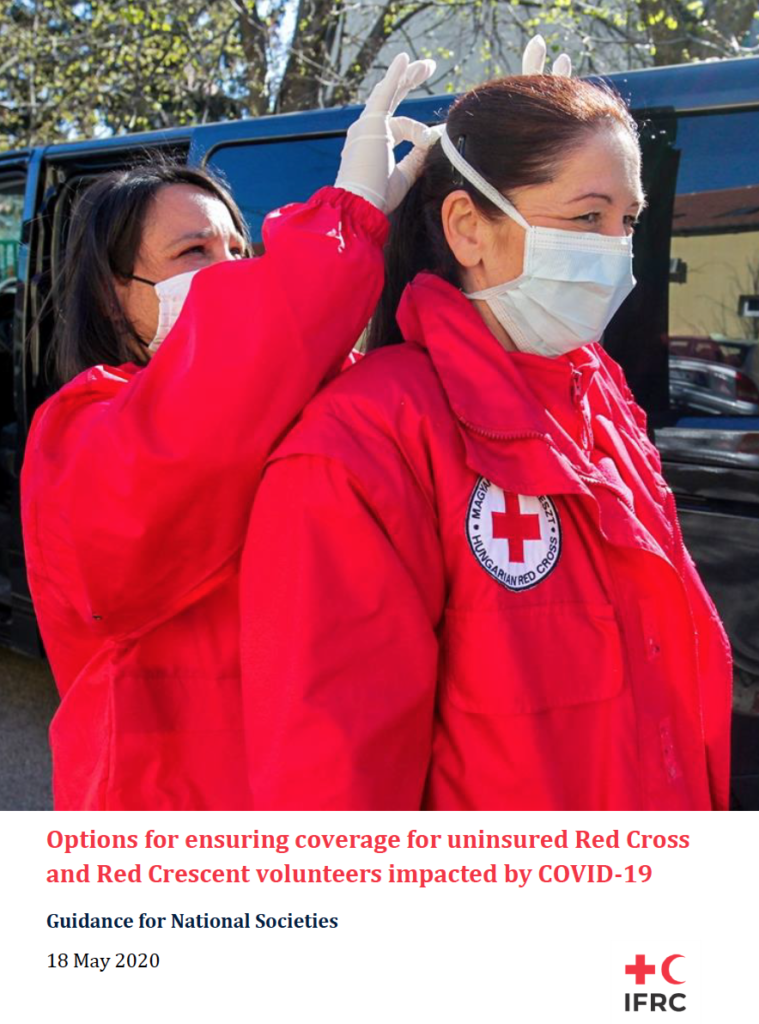
This a guidance for National Societies that includes options for ensuring coverage for uninsured Red Cross and Red Crescent volunteers impacted by COVID-19.
IFRC Guidance Duty of Care for Volunteers (COVID-19) Read More »
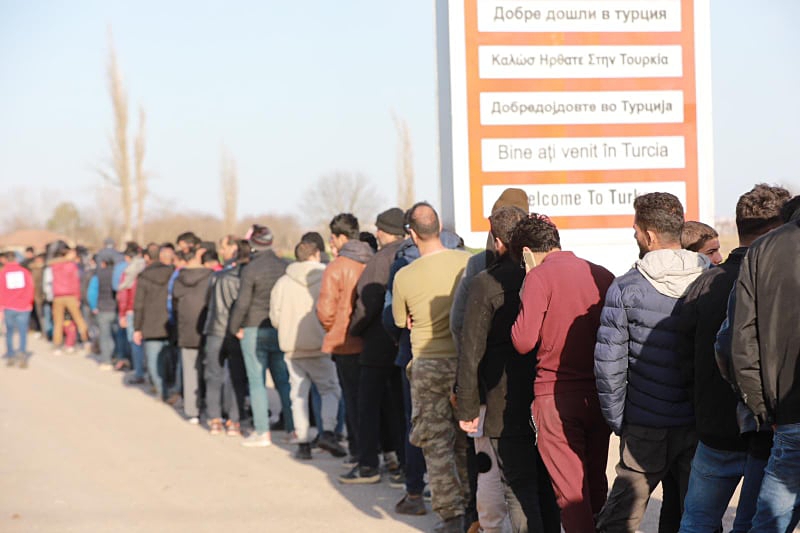
In line with the CTA note and material developed for RFL during COVID19 and the RFL in disasters field manual the rapid RFL assessment will focus on categories of persons at particular risk of been separated or going missing due to the COVID19 and provide guidance to assess how existing RFL programs and activities provided
COVID19: Guidance and instruction for Rapid Family Links Needs Assessment Read More »