English

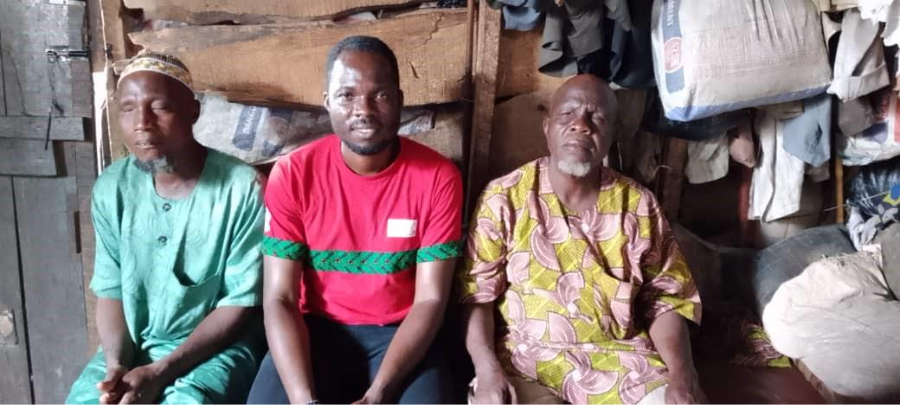
Living with Climate-related hazards in Nyumanzi settlement (Adjumani, Uganda)

This in-depth assessment, drawing primarily on data collected in 2024, examines climate change response strategies in the refugee and host communities of Nyumanzi settlement (Adjumani District). It aims to provide detailed data on perceived local climate impacts, deepen understanding of how vulnerable populations are responding, and equip humanitarian actors with actionable insights for more effective […]

Living with Climate-related hazards in Nyumanzi settlement (Adjumani, Uganda) Read More »

Exploring the challenges faced by formal refugee-owned businesses in Uganda

This brief explores the challenges faced by formal refugee-owned businesses in Palabek and Nakivale refugee settlements, including limited access to information on official business registration, high costs of registration, and a lack of standardization in the registration process. The findings and recommendations in this evidence brief are especially important as Uganda’s refugee response seeks to shift

Exploring the challenges faced by formal refugee-owned businesses in Uganda Read More »

Application of Climate-Smart Agriculture Approaches in Uganda’s Refugee Response

This desk review explores the application of climate-smart agriculture (CSA) in Uganda’s refugee response, highlighting the initiatives, policies, and strategies that promote resilient and sustainable farming practices among refugee and host communities. The review identifies key CSA approaches, including climate-resilient crop production, livestock management, water conservation, and agroforestry. It also maps out actors involved in

Application of Climate-Smart Agriculture Approaches in Uganda’s Refugee Response Read More »

American Red Cross’s Domestic Approach to Anticipatory Action

The American Red Cross has established robust protocols for forecasting, financing, and implementing early actions in anticipation of potential disasters. The Disaster Cycle Services (DCS) branch of the National Society has comprehensive mechanisms and labels specific to the US context, but the core of its programming has an anticipatory action framework. DCS forecasting relies on

American Red Cross’s Domestic Approach to Anticipatory Action Read More »

Management of Earthquake Risk in the European Union

Several countries in the European Union (EU) face significant earthquake risk, primarily due to seismic hazard levels and aging infrastructure. Unlike many other natural hazards, earthquakes occur without warning, limiting the ability to evacuate people and protect lives. At the same time, decades can pass between large earthquakes, leading to a decline in public awareness and policy attention

Management of Earthquake Risk in the European Union Read More »

When Form Follows Nature: Presence, Climate, and the Ethics of Space

Form follows nature. Not as slogan. As method. In an age of climate emergency, urban intensification, and sensory saturation, this principle becomes resistance. It invites us to pause—not to impose geometry, but to observe ecology. To trace the shifting patterns of light, wind, and memory. To let trees instruct. To let people inhabit. This is

When Form Follows Nature: Presence, Climate, and the Ethics of Space Read More »

Anticipatory Action Readiness Index

The Anticipatory Action Readiness Index is a measurement tool used by the American Red Cross to capture National Societies’ progress in building institutional capacity for anticipatory action. Developed by the American Red Cross International Services Department, this first-of-its-kind tool helps National Societies baseline their current capacity and track it over time. The Index covers three

Anticipatory Action Readiness Index Read More »

Forced to Flee in a Changing Climate: How IFRC is addressing climate and disaster displacement in Asia Pacific

This IFRC report highlights how climate change and disasters are driving displacement across Asia Pacific, the world’s most disaster-prone region. In 2024 alone, over 24 million people were displaced by disasters, accounting for more than half of the global total. Through 39 case studies from 21 National Societies, the report showcases locally led Red Cross

Forced to Flee in a Changing Climate: How IFRC is addressing climate and disaster displacement in Asia Pacific Read More »

Scroll to Top