
Community Heat Risk Perception Studies: Honduras, Indonesia, and Tanzania

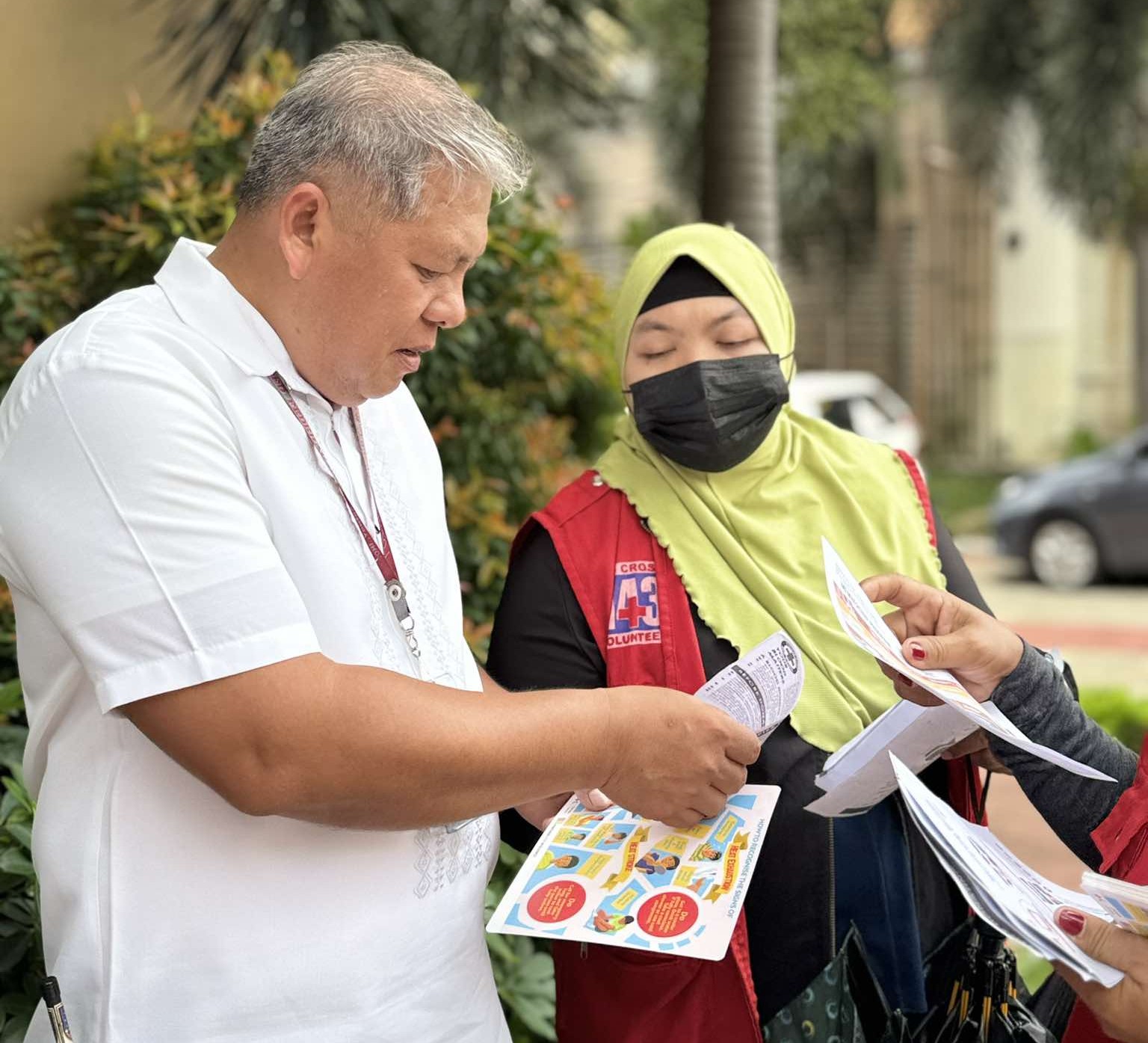
This collection brings together four community-level research studies examining how urban populations perceive, experience, and respond to extreme heat. Published in late 2025, the studies were conducted as part of the Coastal City Resilience and Extreme Heat Action Project (CoCHAP) — a joint initiative supported by National Red Cross and Red Crescent Societies, the American Red Cross, the IFRC Climate Centre, and country-level meteorological and government partners. Together, they offer grounded, comparative evidence on heat risk awareness, adaptive behavior, and access to early warning systems across communities in Latin America, Southeast Asia, and East Africa. Across all three countries, most people report experiencing unusually hot weather and recognize that temperatures are rising, yet extreme heat is rarely perceived as a formal hazard equivalent to floods or storms.
Honduras: Awareness Without Action
The Honduras study surveyed 385 residents across three cities in the country’s southern region — Choluteca, Nacaome, and San Lorenzo — using a mixed-methods approach combining structured surveys with focus groups and institutional interviews. Findings reveal near-universal awareness of extreme heat as a growing threat, yet a persistent gap between concern and action. Most protective behaviors reported were limited to simple, individual adjustments, with structural barriers — including unreliable electricity, limited water access, and weak institutional response — constraining more meaningful adaptation. Notably, about 80% of respondents felt local authorities were not doing enough to address the risk.
Indonesia: When Heat Becomes Normal
The two Indonesia studies covered Medan (North Sumatra) and Surabaya (East Java) — two of the country’s largest cities — surveying a combined 2,700+ respondents from groups identified as highly vulnerable to heat, including informal settlement residents, outdoor workers, older people, pregnant women, people with disabilities, and students. Both studies found that while heat exposure is widespread and widely felt, the majority of respondents did not consider extreme heat genuinely dangerous, and institutional support during heat events was nearly absent. In Surabaya, heat normalization was particularly pronounced among farmers and fisherfolk, whose routine long-term exposure appears to mask escalating risk. In both cities, low incomes severely limit adaptive capacity, and self-protective behavior remains inconsistent even among those aware of the risks.
Tanzania: From Risk Perception to Heat Action
The Tanzania study focused on Tanga and Unguja (Zanzibar), two coastal cities facing increasing heat stress linked to urban heat island effects and record-high temperatures recorded in 2023. Led by the Tanzania Red Cross Society, the study assessed risk perception, behavioral barriers, and communication preferences across diverse population groups. Key findings point to low awareness of heat stress symptoms, high rates of behavioral inaction during hot weather — particularly among older adults — and an over-reliance on the perception that heat is “normal” and therefore not dangerous. The study concludes with actionable recommendations for behavior change campaigns tailored to local communication channels and at-risk demographics.