


Contribute your knowledge to build more resilient communities
El Niño 2026–2027: Preparedness Resources for Asia Pacific
Asia Pacific Preparedness Hub El Niño 2026-2027: Preparedness resources for Asia Pacific El Niño is active and intensifying into a strong event, possibly a “super” El Niño. Compounded by global market disruption, the risks to Asia Pacific are significant. This page explains what that means, and brings together the resources National Societies need to prepare and act early. On this page Understanding the risk Impacts by sub-region Preparedness actions Resources Lessons from 2023-24 Understanding El Niño 2026-27 risks The El […]
Read More
Knowing vs. Doing: Closing the Preparedness Gap through Behaviour Change in Nepal
 14 Sep 2026
Knowing vs. Doing: Closing the Preparedness Gap through Behaviour Change in Nepal Building on the strong results of its behaviour change work in healt...

Evaluating the Implementation and Effectiveness of Heat Action Plans
 06 Aug 2026
Extreme heat is a deadly and growing threat to cities worldwide. As recognition of heat risks increases, local governments have begun developing Heat ...
Treaty on the Protection of Persons in the Event of Disasters
 25 Jun 2026
In disaster response, timing is everything. A delayed shipment, a stalled visa, or unclear coordination can mean the difference between help arriving ...
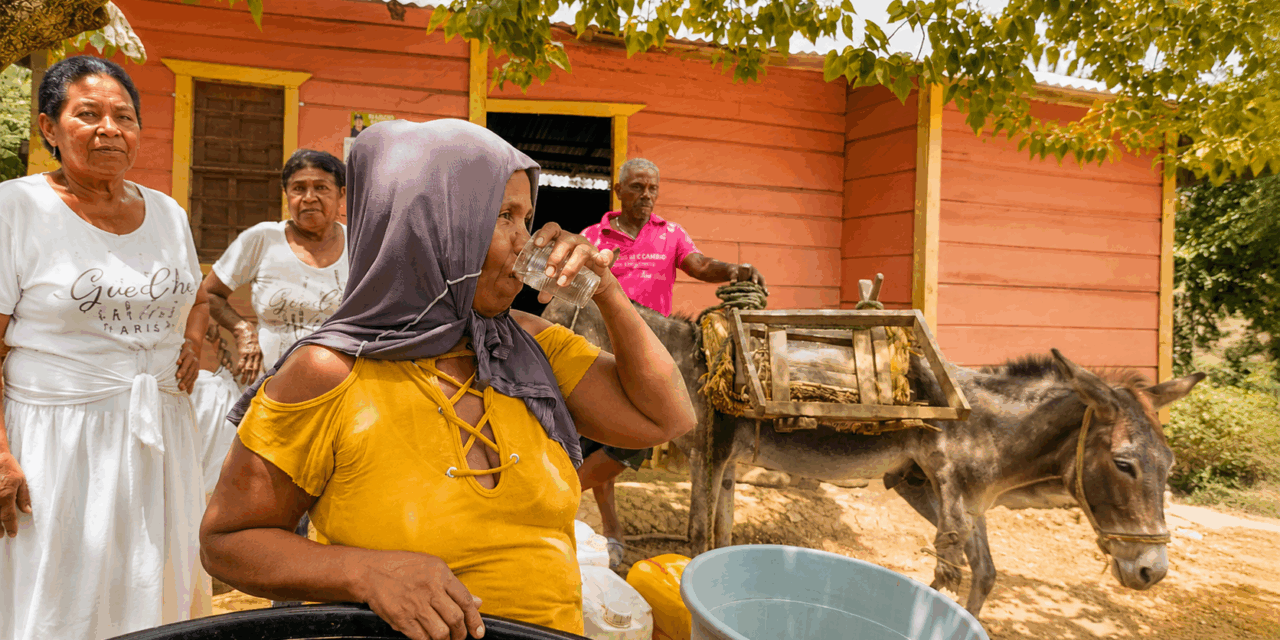
From Geneva to Jaipur: How the World Came Together for Heat Action Day 2026
 15 Jun 2026
Heatwaves are no longer a distant threat. They are becoming more frequent, longer, hotter, and deadlier – and every year they put millions of pe...
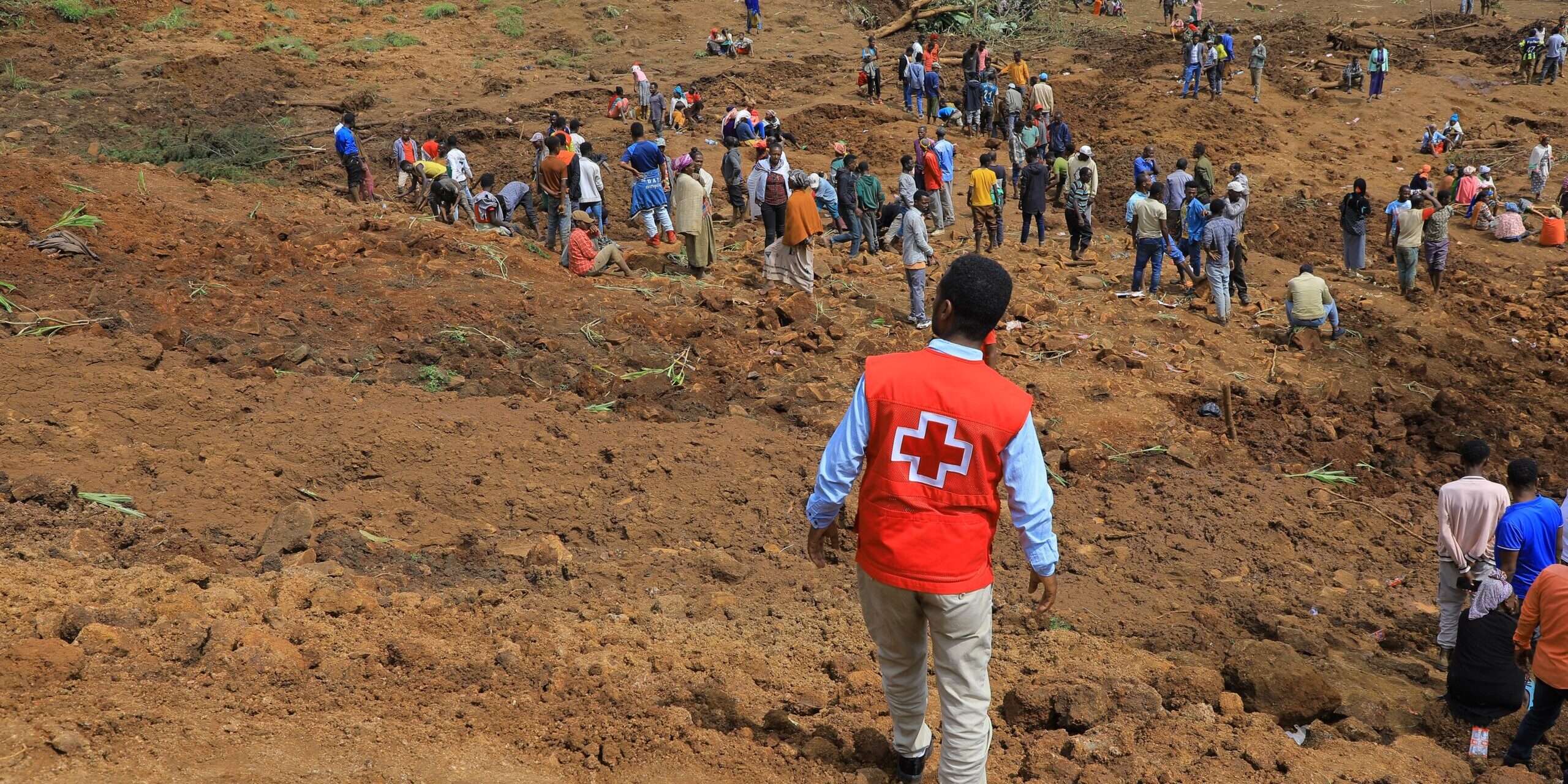
The Ethiopian Red Cross’s Emergency Operations Centre Strengthens Crisis Response
28 Apr 2026
From conflict to climate-related disasters, this Emergency Operations Centre is transforming how the Ethiopian Red Cross monitors risks, coordinates r...

Beyond Individual Risk: Why Extreme Heat Demands a Systems Response
 18 Feb 2026
At a Glance Extreme heat becomes a disaster when it overwhelms the systems people rely on – housing, health, infrastructure, ecosystems, and soc...
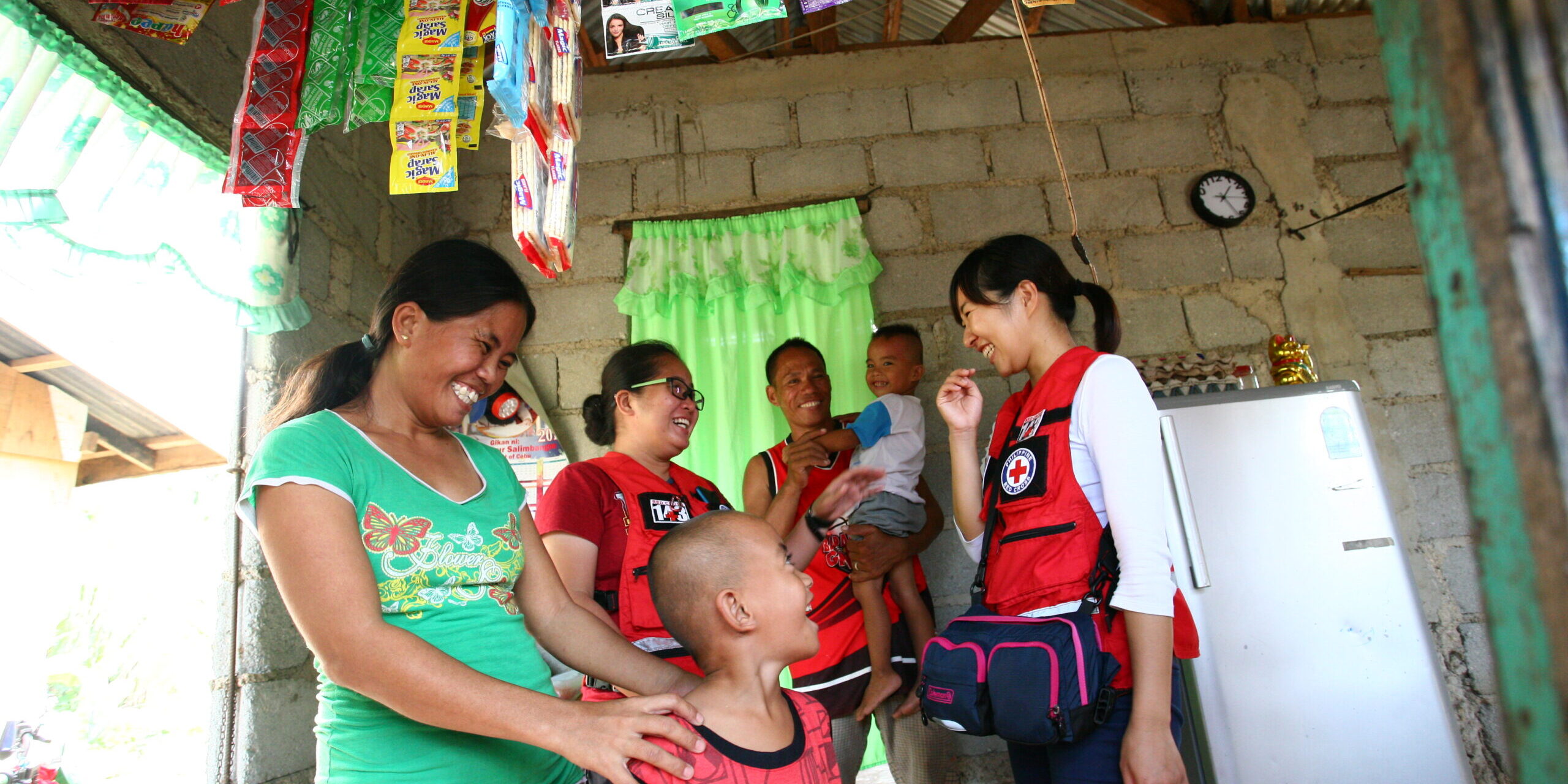
Strengthening Community Resilience through Small Business Preparedness
 10 Feb 2026
When disaster strikes-such as a flood, earthquake, hurricane, or a business-halting heat wave-it doesn’t just disrupt homes and lives; it also g...

Strengthening Early Warning Systems for All: Evidence and Lessons from Last-Mile Communities
06 Jan 2026
This report synthesizes findings from 15 GDPC-supported studies across 14 countries to examine why early warnings often fail to translate into timely,...
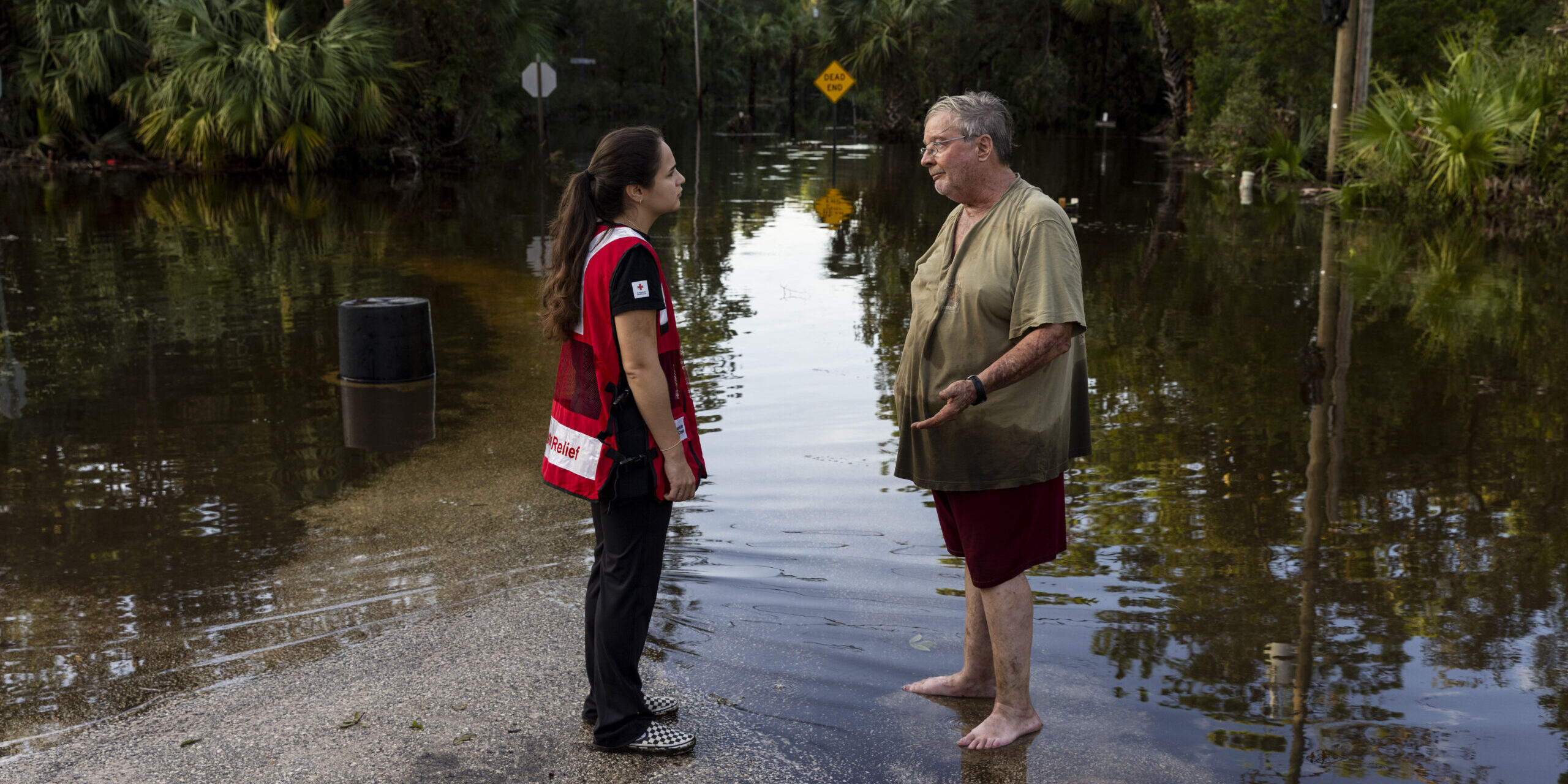
Ready Before It Hits – How The American Red Cross Uses Anticipatory Action To Stay Ahead of Disasters
08 Oct 2025
When most people think of “disaster relief,” they picture what happens after a hurricane or wildfire-volunteers distributing blankets, set...

Unpacking the Summer: Learning About Heat in Adelaide
21 Jul 2025
Listening Over Coffee: Stories Behind the Data The Post-Event Review Capability (PERC), developed by the Zurich Climate Resilience Alliance, offers ...
Toolkits


Featured Resources
Heat Early Warning System in Nepal: Current status and recommendations
This case study examines the current state of Nepal’s heat early warning system, including how heat risk is understood and monitored, and how warnings are issued, communicated and acted upon across institutions. It finds that heat risk is increasingly recognised, although national risk knowledge r... Read More
Heat Early Warning System in Bangladesh: Current status and recommendations
This case study examines the current state of Bangladesh’s heat early warning system, including how heat risk is understood and monitored, and how warnings are issued, communicated and acted upon across institutions. It finds that research and risk knowledge on heat are expanding, while the public... Read More
Assessment or evaluation
Terms of Reference: Evaluation of American Red Cross’ International Disaster Response Roster
The American Red Cross International Services Department is seeking an external consultant to conduct a formative and summative evaluation of its International Disaster Response (IDR) Roster. The IDR Roster trains and deploys short-term responders on behalf of IFRC across specialties including Emerg... Read More
Assessment or evaluation, Awareness material, Briefs and Fact Sheets
El Niño Outlook for Asia Pacific 2026–2027: Hazards, Vulnerability, and RCRC Response
This factsheet, produced by IFRC in July 2026, summarizes expected El Niño impacts across Asia Pacific through 2027 and the preparedness and response activity already underway across the region. El Niño is underway in the tropical Pacific and is expected to bring unusual rainfall and temperature p... Read More
Assessment or evaluation
Last-mile household preparedness for future disasters: a study of flooding in Kogi State, Nigeria
This paper analysed household preparedness against future floods in Kogi State Last-Mile Communities (LMCs) using 14 indicators and employed chi-square statistics to examine whether households’ socioeconomic characteristics influence their preparedness for future floods. Results show that across t... Read More
Case Study
Flood-Tolerant Rice Seed Deployment and Satellite-Based Flood Risk Assessment for Floodplain Rice Farmers
This report documents an integrated disaster risk reduction (DRR) field mission conducted by the Geohazards Risk Mapping Initiative (GRMI) in Katcha Ward, Niger State, on 10 July 2026. The mission combined agricultural support with geospatial flood risk assessment to better understand the exposure o... Read More
Research
Enhancing Community Resilience Through Nature-Based Solutions: A Case Study of Taiperia Informal Settlement, Lautoka, Fiji Islands
Authors and Collaborators: Ravinesh Rohit Prasad Summary: Nature-based Solutions (NbS) are becoming increasingly well-known for their role in mitigating the effects of climate change and other environmental issues in urban settings. NbS has been linked to several advantages and ecosystem services in... Read More
Heat Early Warning System in Vietnam: Current status and recommendations
This case study examines the current state of Vietnam’s heat early warning system, including how heat risk is understood and monitored, and how warnings are issued, communicated and acted upon across institutions. It finds that knowledge of heat risk is expanding through research and pilot program... Read More
Practitioner Spotlight