
Drought

Drought is a long-lasting event triggered by a severe lack of precipitation that results in a water shortage. The far-reaching impacts of drought range from agricultural losses and food insecurity to public health risks, migration, and economic instability. This page covers key information about drought, its impacts, and strategies for preparedness and risk reduction at both personal and government levels.
Drought and its types
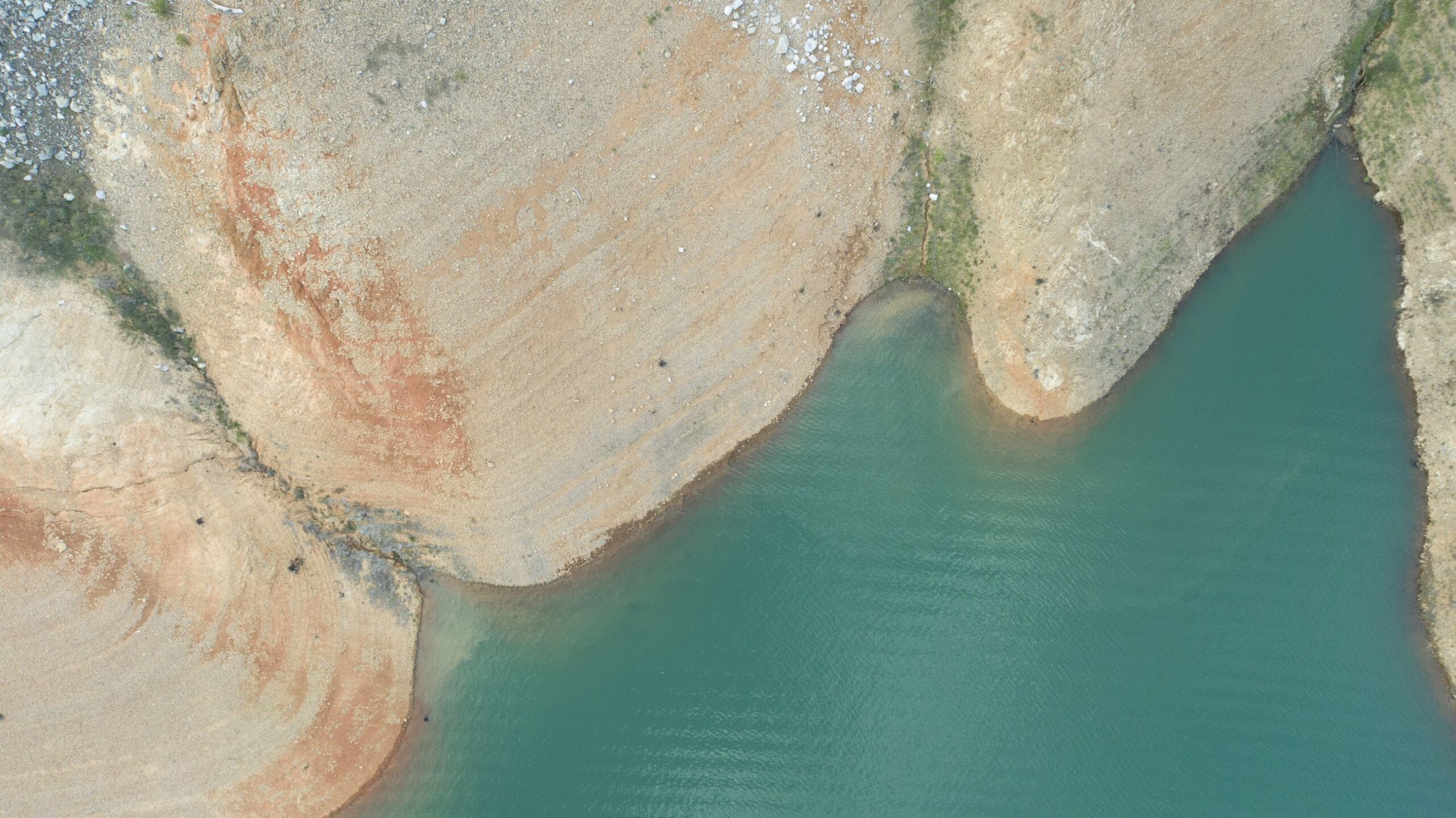
A drought is a slow-onset natural hazard characterized by a prolonged period of abnormally low precipitation, which results in depleted water sources both on the surface, such as rivers and reservoirs, and underground, like aquifers. While periods of abnormal dryness are a normal, recurrent feature of climate and often predictable, they can also be exacerbated by human activities like land-use degradation, dam construction, and climate change.
A drought is defined as a deficiency of precipitation over an extended period, typically spanning a season or more. However, what constitutes a drought can vary significantly across regions due to differences in precipitation patterns and water usage. For instance, a week without rain might be considered a drought in a tropical climate like Bali, where rainfall is abundant, while the same duration without rain might not raise concerns in an arid region like Libya, where precipitation is minimal.
According to National Oceanic and Atmospheric Administration (NOAA), scientists have defined the following types of droughts to help in their classification and monitoring:
- Meteorological drought: When dry weather patterns dominate an area and is based on the degree of dryness or rainfall deficit and the length of the dry period.
- Hydrological drought: When low water supply becomes evident in the water system is based on the impact of rainfall deficits on the water supply such as stream flow, reservoir and lake levels, and ground water table decline.
- Agricultural drought: When crops become affected by drought, refers to the impacts on agriculture by factors such as rainfall deficits, soil water deficits, reduced ground water, or reservoir levels needed for irrigation.
- Socioeconomic drought: Considers the impact of drought conditions (meteorological, agricultural, or hydrological drought) on supply and demand of some economic goods such as fruits, vegetables, grains and meat.
- Ecological drought: When natural ecosystems are affected by drought, driven beyond their capacity to adapt, ecosystems may cross critical thresholds, resulting in temporary or permanent alteration in their composition, structure, and/or functioning at local or landscape scales.
Impacts of Drought
Droughts can have devastating and far-reaching consequences, leading to a cascade of environmental, social, and economic impacts:
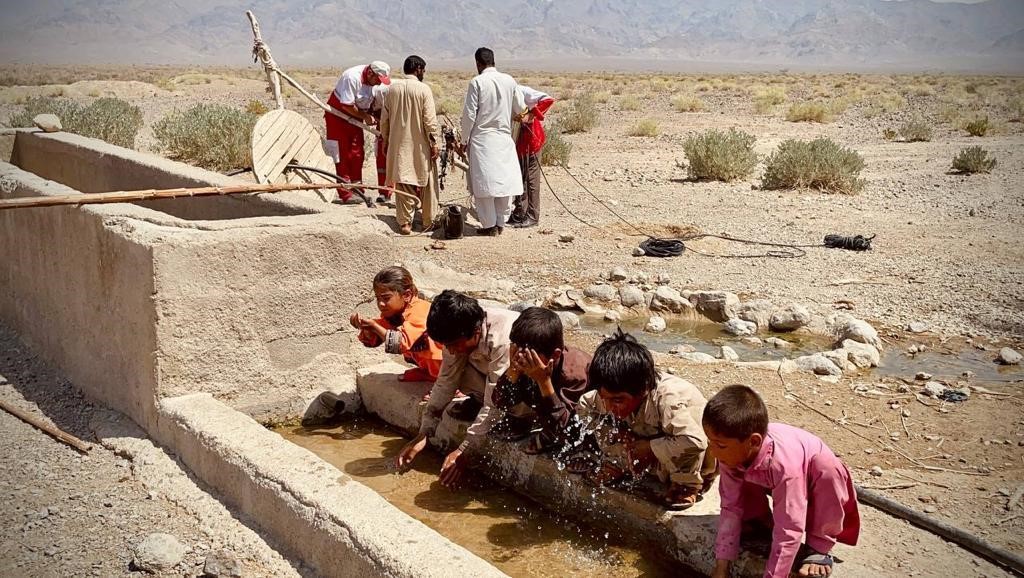
- Social impacts: Droughts can have severe social consequences, including public health issues, conflicts over limited resources, and forced migration from drought-stricken areas. Droughts can also lead to famine, malnutrition, and other health problems due to water scarcity and crop failures.
- Economic impacts: Agricultural and livestock sectors often bear the brunt of droughts, suffering substantial losses in crop yields, livestock health, and land productivity, resulting in significant economic costs. The 1988 U.S. drought, for instance, caused over $40 billion in damages and affected 7.8 million people. Droughts can also disrupt water supplies for industries, hydroelectric power generation, and tourism, compounding economic hardships.
- Environmental impacts: Droughts can inflict severe damage on ecosystems and habitats, leading to biodiversity loss, soil erosion, and an increased risk of wildfires. They can also disrupt the natural cycles of carbon, nutrients, and water in ecological systems.
Drought can significantly increase the risk of flash flooding. Rain after a drought may seem beneficial, but sudden heavy rainfall following a prolonged dry period can result in hazardous flash flooding incidents. The dry, hardened soil created by drought acts similarly to concrete, repelling water rather than absorbing it. This can lead to rapid runoff and flash flooding, even with relatively modest rainfall amounts.
Preparedness & Risk Reduction Efforts
Individual and Family Preparedness
The better each household can plan ahead, reduce its risks, develop response skills and store response provisions, the greater its resilience to drought impacts will be. Refer to the Public Awareness and Public Education safety messages to learn how individuals and families can protect themselves, reduce their risks and contribute to the rapid recovery of their community.
Assess and plan
Mitigate risks: physical or environmental
Prepare to respond: develop skills and store provisions
Community Preparedness
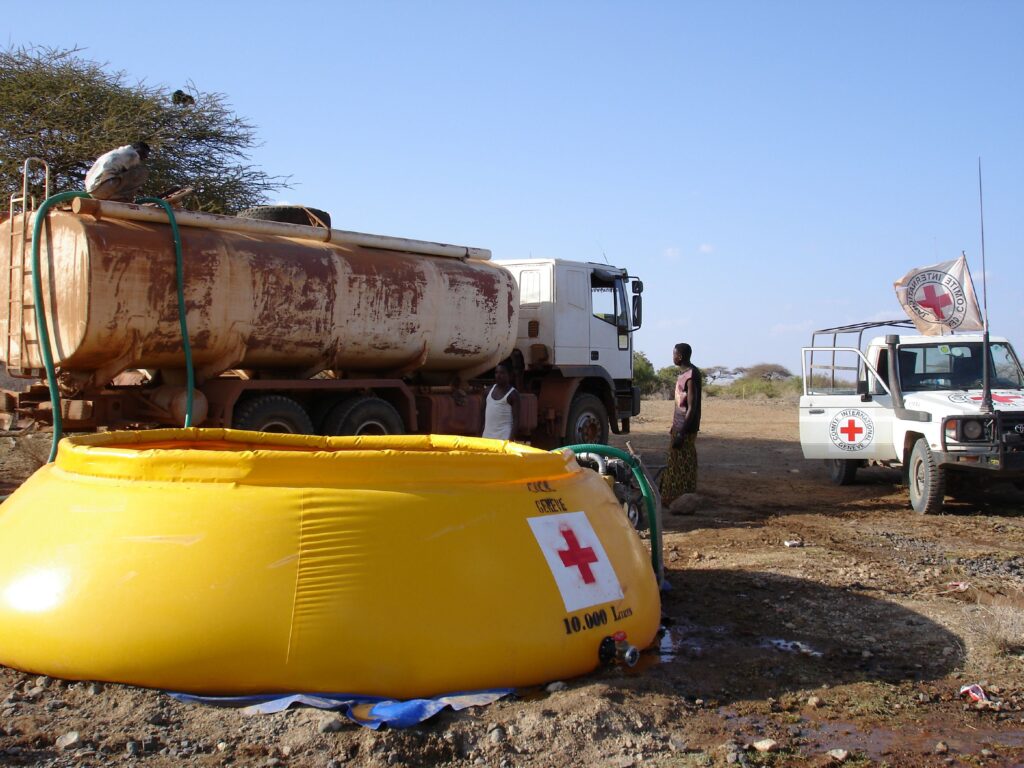
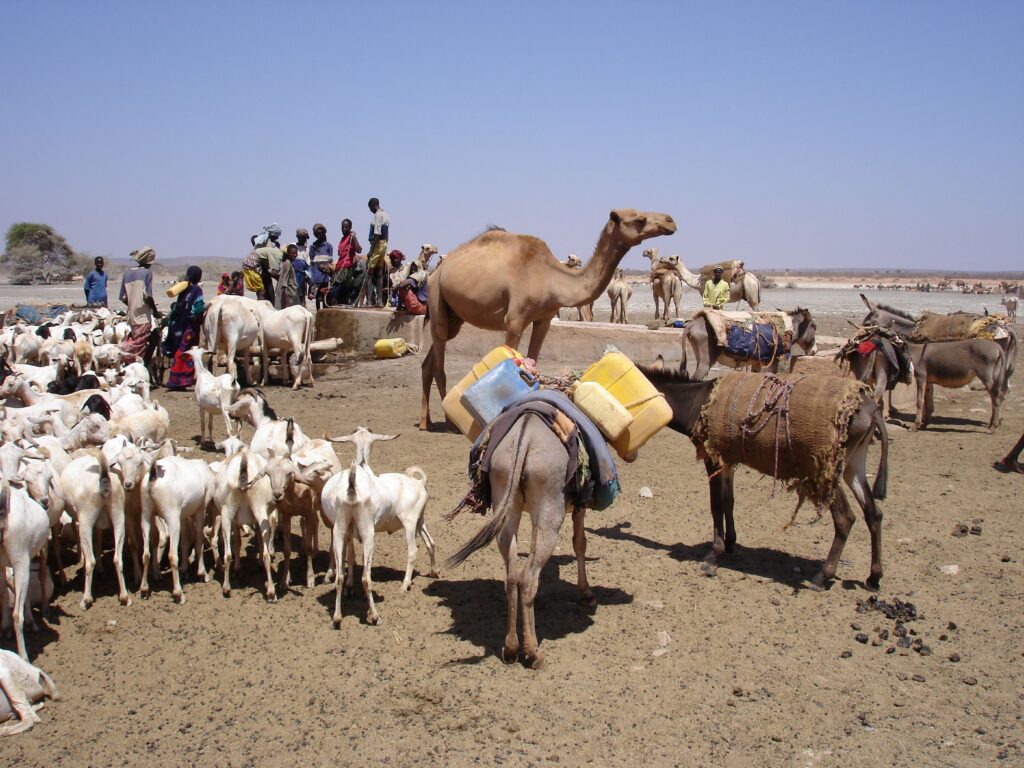
Proactively planning for drought periods is crucial for communities and regions to build resilience and mitigate potential impacts. The Drought-Ready Communities guide provides a comprehensive framework to initiate and execute an effective drought preparedness plan:
National Government Preparedness
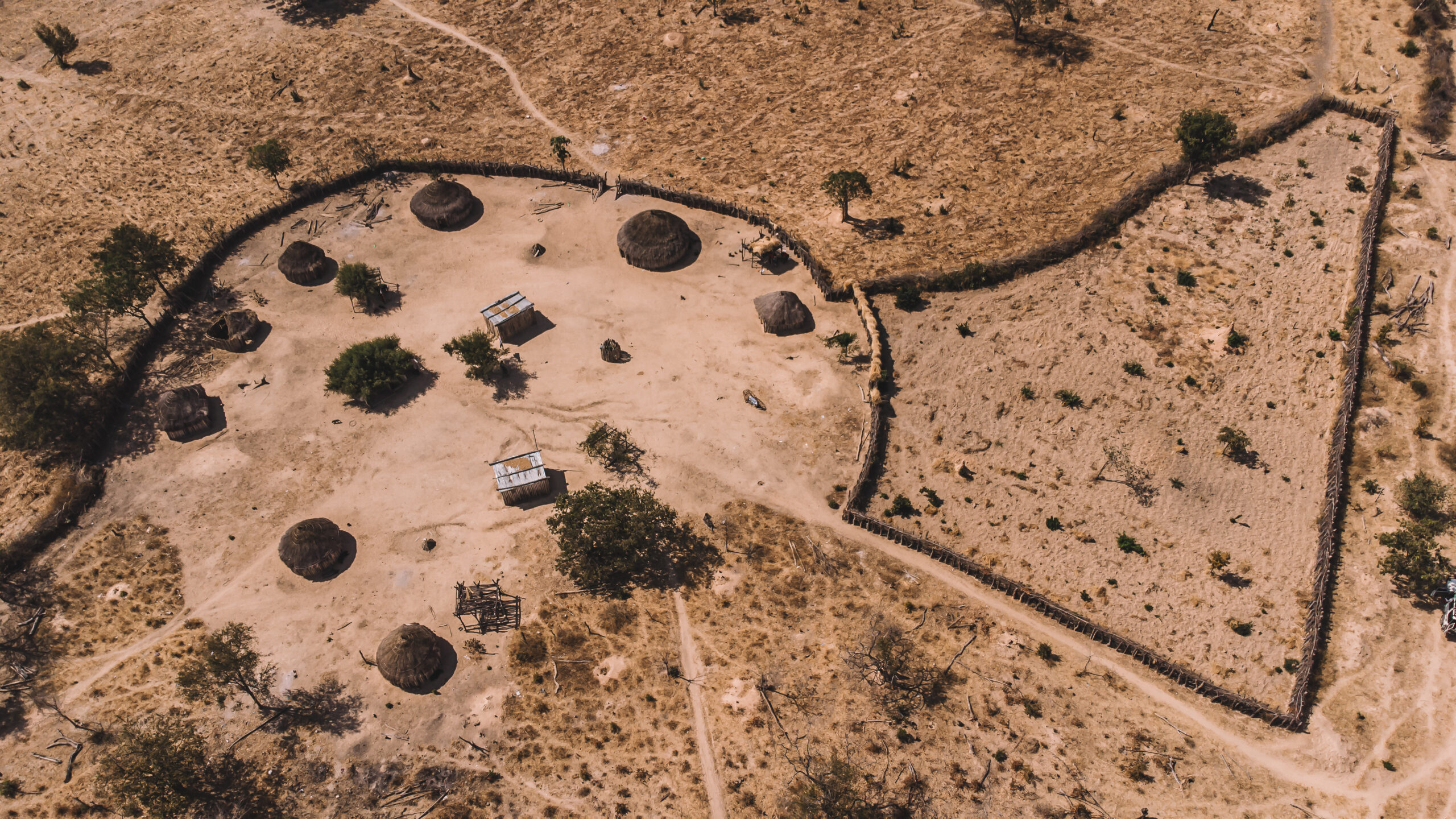
Developing national drought policies and preparedness plans is crucial for mitigating drought's complex impacts on society. These policies should prioritize risk management through improved forecasting, early warning systems, preparedness plans, mitigation actions, and equitable relief efforts, aligning with sustainable development goals.
The National Drought Management Policy Guidelines outlines the process for national governments for developing a National Drought Management Policy, which have helped 30 countries create their own plans.
By emphasizing risk management over crisis management, nations can adopt proactive approaches to identify vulnerabilities, implement mitigation measures, and reduce societal risks associated with drought. Through ongoing refinement and adaptation, national drought policies can serve as critical instruments for enhancing resilience and minimizing drought impacts across various sectors.