
Risk Assessment

Risk assessment is a crucial component of disaster preparedness that helps organizations and communities identify potential hazards, analyze their potential impacts, and prioritize mitigation efforts.
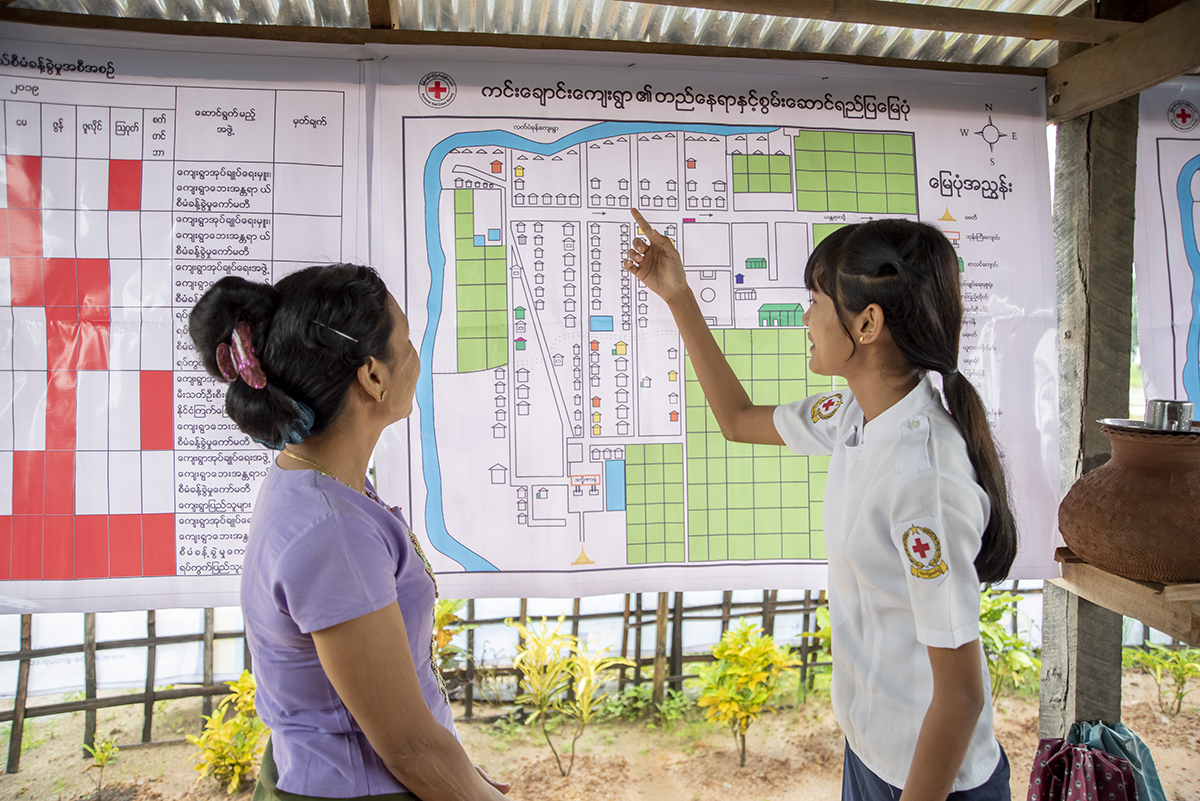
Purpose and Definition
In disaster management, risk assessment refers to determining the nature and extent of disaster risks by analyzing hazards and evaluating current exposure and vulnerability. The main goal is to estimate the possible economic, infrastructure, and social impacts of one or more hazards.
The key components of risk assessment include identifying potential hazards, such as natural disasters, technological issues, or human-caused events. Next is assessing vulnerability, which looks at how susceptible people, buildings, and systems are to damage based on factors like construction quality and population. Then, exposure analysis determines what could be affected by these hazards, such as people, property, or critical functions. Finally, risk analysis combines the likelihood of a hazard occurring with vulnerability and exposure to estimate the potential impacts on a community.
Why Risk Assessments Matter
- Informed Decision-Making: They provide a basis for prioritizing DRR investments and improving capabilities based on local conditions, needs, and preferences.
- Proactive Planning: They help predict potential deaths, damages, and losses before a disaster occurs, guiding effective mitigation actions.
- Policy Guidance: The results inform sustainable development plans, climate change adaptation strategies, and sector-specific risk reduction efforts.
- Resource Allocation: Risk assessments help guide financial management and investment decisions in disaster risk reduction.

City-wide Risk Assessment
Do-It-Together Toolkit for Building Urban Community Resilience
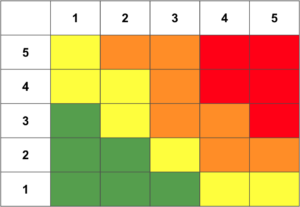
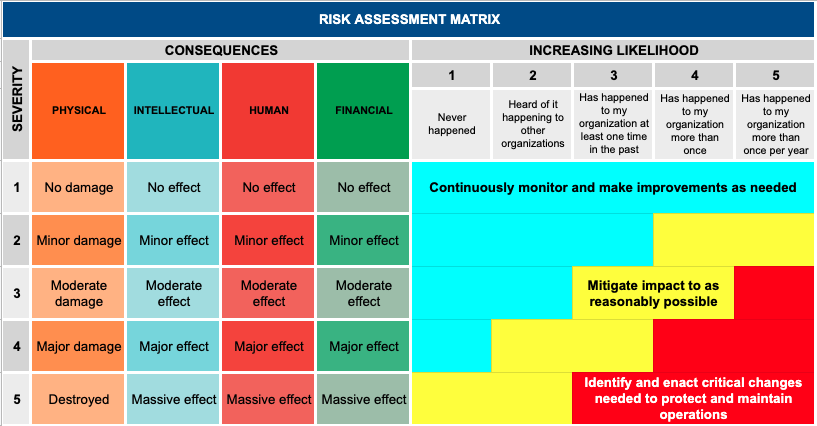
Risk Assessment Matrix
A Risk Assessment Matrix is a tool used to visualize and prioritize risks by assessing both the severity of potential consequences and the likelihood of occurrence, typically on a scale of 1 to 5. Here is a step-by-step guide on how to create the matrix:
Community Risk Assessment (CRA)
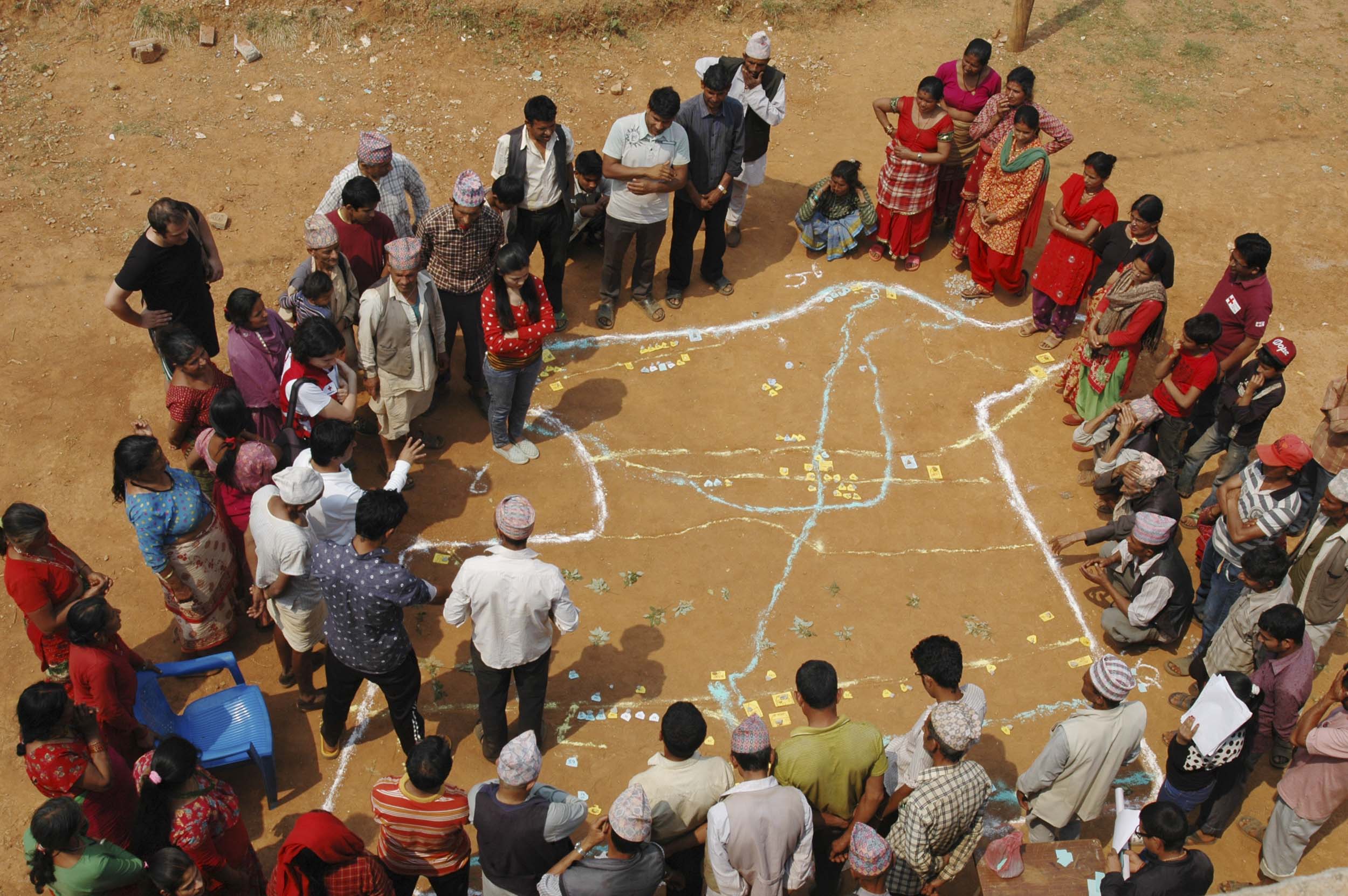
The importance of engaging vulnerable communities in disaster risk assessment and reduction is now widely acknowledged in disaster preparedness and mitigation, and increasingly in disaster response and recovery. It is essential for at-risk communities to actively participate in identifying and analyzing the risks they face, as well as in planning, designing, implementing, monitoring, and evaluating disaster risk activities.
Community Risk Assessment (CRA) is a participatory process where community members directly assess hazards, vulnerabilities, risks, and their coping capacities. The main goal is to provide data for local planning and risk reduction measures.
CRA serves two purposes:
- Informs Local Decision-Making: It provides data on the nature and level of risks, who is most affected, available means to reduce risks, and potential initiatives to reduce vulnerability and build capacity.
- Empowers Communities: The participatory process strengthens community engagement, allowing them to understand their capacities, enhance self-confidence, and actively contribute to problem-solving.
CRA identifies vulnerable groups based on social factors like gender, age, health, and ethnicity. It also includes an analysis of population density, livelihood security, and occupational risks. Additionally, it considers local perceptions of risk, which influence the choice of mitigation measures.
CRA Implementation Across Different Levels
CRA plays a crucial role, and stakeholders at all levels must be actively engaged to ensure a comprehensive approach to risk reduction.
Vulnerability and Capacity Assessment (VCA)
The Vulnerability and Capacity Assessment (VCA) is a participatory process designed to assess and address the key risks that affect communities. It focuses on understanding the community's vulnerability to these risks and their capacity to cope with and recover from disasters.
As a flagship initiative of the Red Cross and Red Crescent Movement, VCA enables National Societies to collaborate with vulnerable communities, helping them not only to recognize the hazards they face but also to empower them to take effective action based on their own skills, knowledge, and resources.
To learn more about the VCA approach and access step-by-step guidance on how National Societies can conduct participatory community risk assessments, explore our dedicated EVCA website.