Case Study

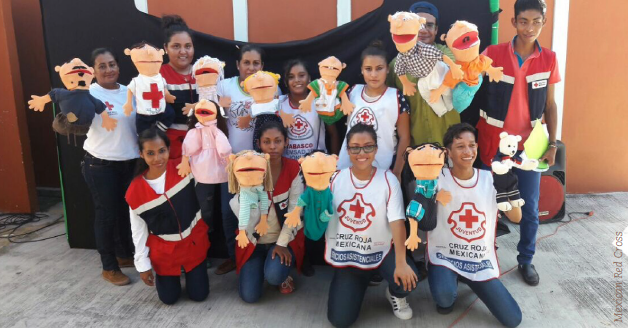
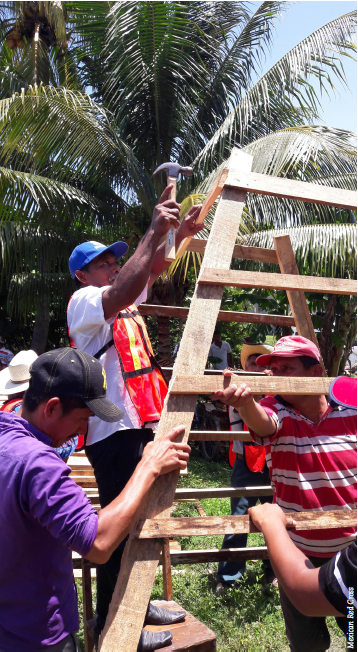
Community puppet theatre – Flood Resilience

The community puppet theatre was used as a participatory alternative method to strengthen flood resilience in Tabasco, Mexico. This creative approach allowed to communicate disaster risk reduction information in a humorous and different way, which children and adults can easily relate to. The theatre spreads knowledge but also promotes social cohesion and organization in the […]

Community puppet theatre – Flood Resilience Read More »

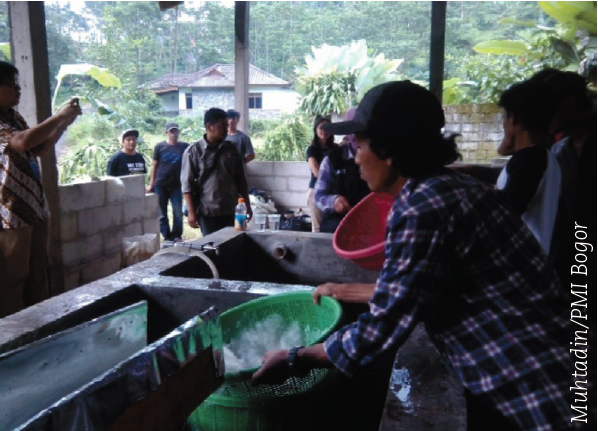
Infiltration wells for flood mitigation in Sewu Village – Flood Resilience

Sewu is among the most flood -prone villages in the Surakarta District, Indonesia. Hundreds of houses are located close to the riverbank; many are unauthorized settlements that have substandard facilities and infrastructure. The residents of Sewu Village have built infiltration wells to reduce the risk of flooding. Infiltration wells enable water to seep into the

Infiltration wells for flood mitigation in Sewu Village – Flood Resilience Read More »

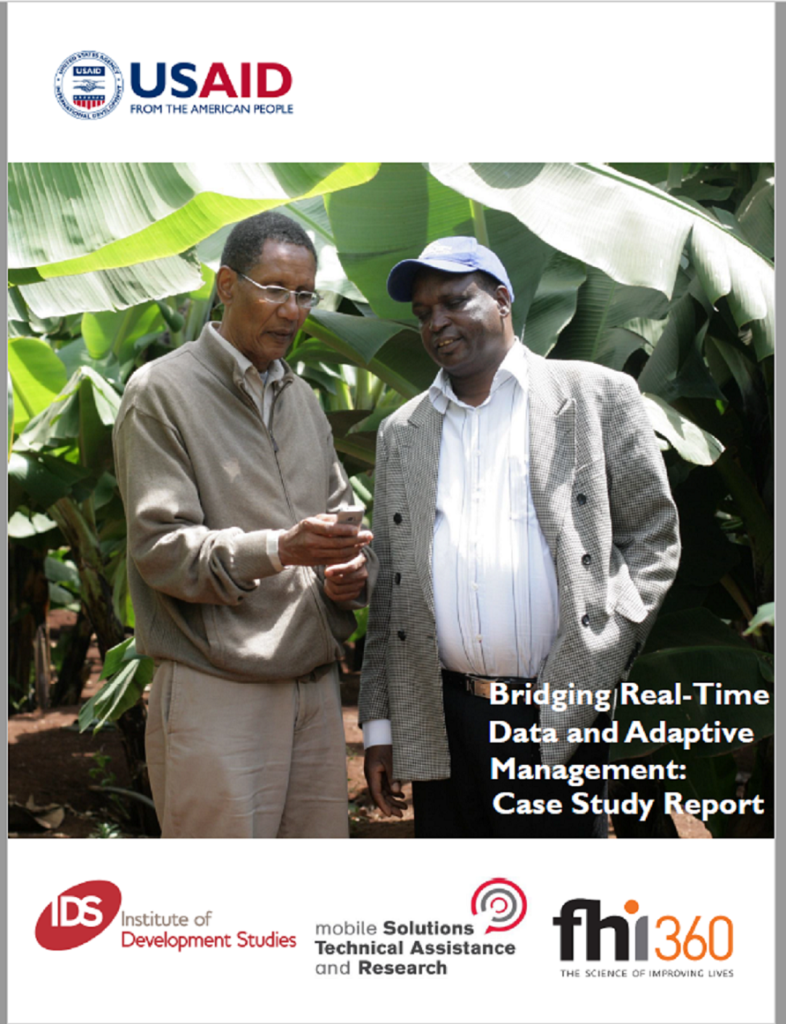
Bridging Real-Time Data and Adaptive Management

The case studies show that real-time data systems can, in the right circumstances and with the right enabling conditions, enable adaptive management. In settings where there are no political or institutional constraints to adaptation—and where the timeliness of information is the binding constraint on strategic and operational improvements—real-time data systems can underpin and catalyze data-driven

Bridging Real-Time Data and Adaptive Management Read More »

Reclamation of flood-damaged areas through community based agro-forestry: A case study from Nepal

More than 400,000 ha of land have been damaged by river floods in Nepal. Agro-forestry activities were implemented in those areas with the twin objectives of countering land degradation problems and meeting the demands of local people for fuelwood, fodder, and small timber. This study assessed the effectiveness of such practices in the riverside areas

Reclamation of flood-damaged areas through community based agro-forestry: A case study from Nepal Read More »

Disaster Early Warning Systems in Nepal: Institutional and Operational Frameworks

Early warning systems (EWS) are recognized in both the Hyogo Framework for Disaster Reduction (2005-2015) and the Sendai Framework for Disaster Risk Reduction (2015-2030) as an important element of disaster risk reduction and hence to the achievement of sustainable development and sustainable livelihoods. An effective EWS enables the concerned authorities and at-risk communities to know

Disaster Early Warning Systems in Nepal: Institutional and Operational Frameworks Read More »

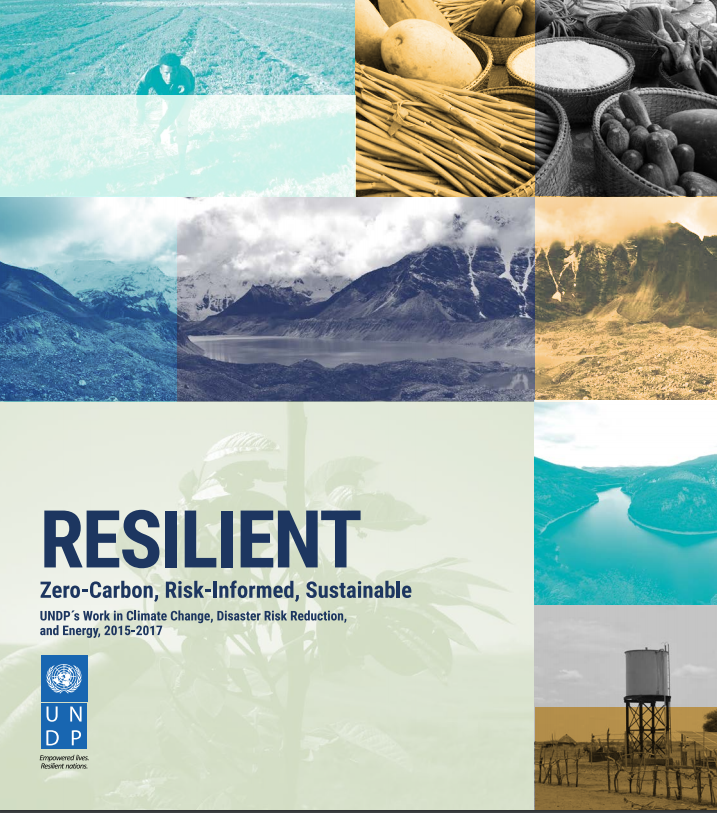
Resilient: Zero carbon, risk-informed, sustainable

UNDP’s work in climate change, disaster risk reduction and energy (2015-2017) This report is comprised of 15 country case studies providing examples of climate action, disaster risk reduction and recovery, and sustainable energy. Each case emphasizes the integrated approach to these work streams and similarly, the linkages and benefits that each extends to the others. 

Resilient: Zero carbon, risk-informed, sustainable Read More »

Resumen – Leyes y reglamentos eficaces para la reducción del riesgo de desastres: informe multinacional

la Federación Internacional de  Sociedades de la Cruz Roja y la Media Luna Roja (FICR) y el Programa de las Naciones Unidas para el Desarrollo (PNUD) han trabajado conjuntamente en un informe multinacional orientado a evaluar los marcos jurídicos de la RRD en 31 países. El informe apunta a ayudar a los legisladores, administradores públicos, defensores y profesionales de la

Resumen – Leyes y reglamentos eficaces para la reducción del riesgo de desastres: informe multinacional Read More »

Scroll to Top