Americas

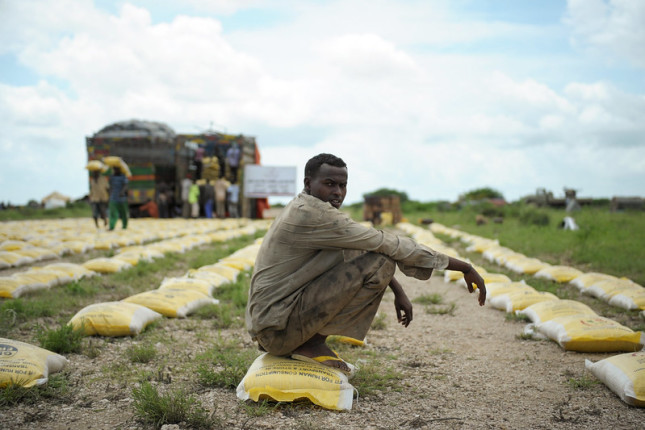
Cash and Voucher Assistance in Migration Context: Voices of Migrants (Colombia (En/Sp), Niger (En/Fr) , Kenya)

In recent years, CVA has become increasingly relevant in humanitarian responses. Organizations have developed an interest in exploring their multiple benefits. Implementing delivery mechanisms suited to a variety of contexts, both in emergencies and early recovery, promotes accountability mechanisms that identify condition-based community preferences by gathering information from communities themselves. In most cases, technological advances […]

Cash and Voucher Assistance in Migration Context: Voices of Migrants (Colombia (En/Sp), Niger (En/Fr) , Kenya) Read More »

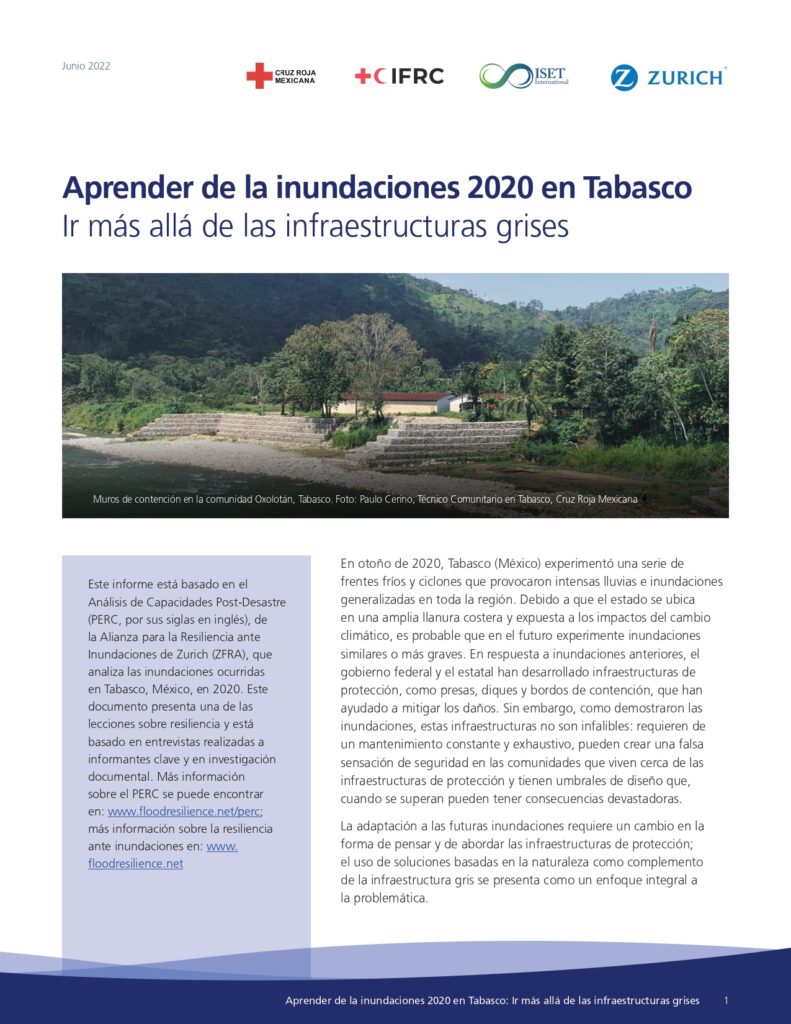
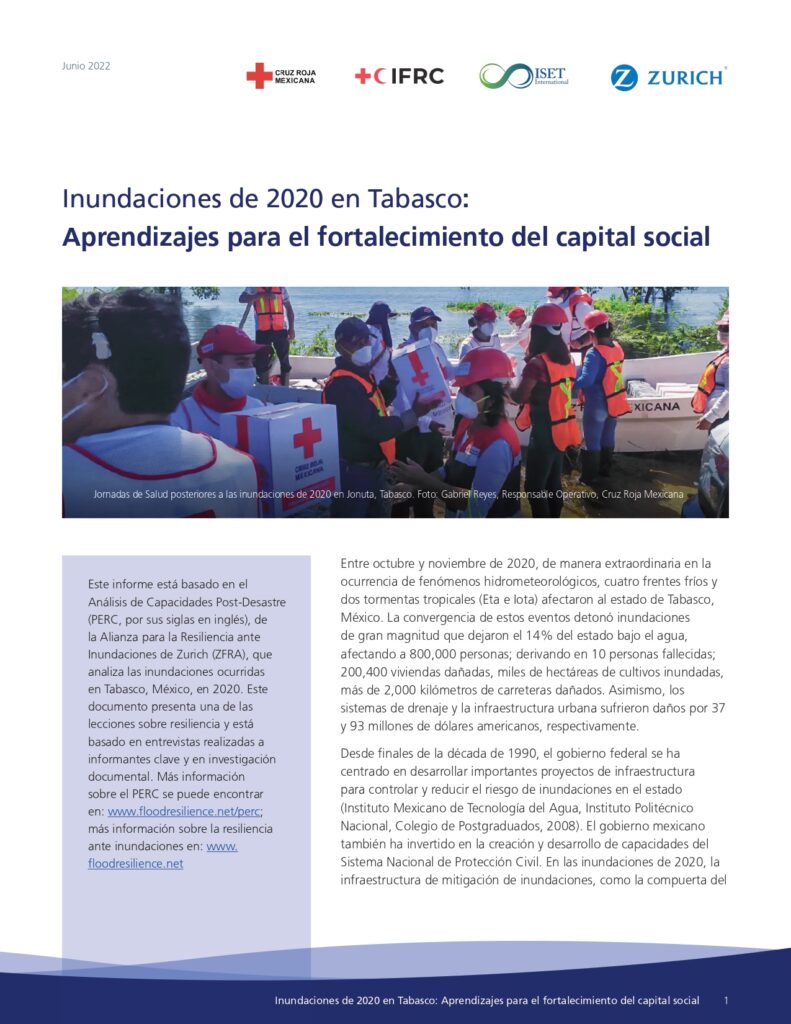
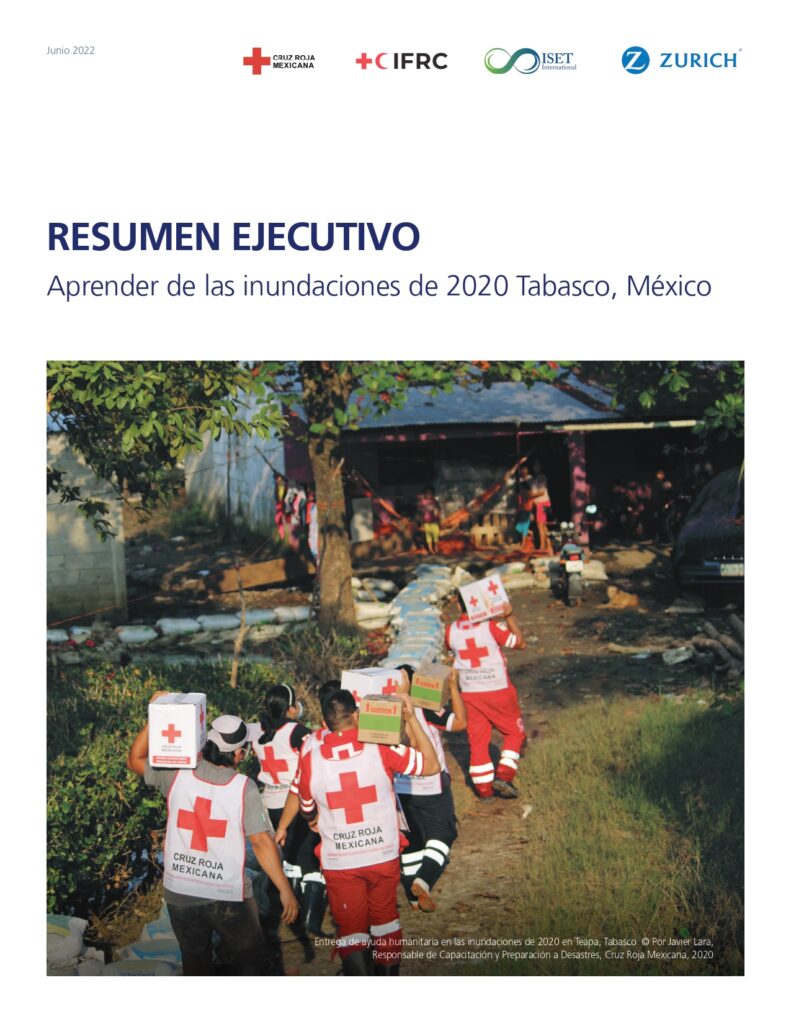
Community brigades were put to the test during floods in Tabasco, Mexico

When Tabasco experienced the most severe floods in decades last autumn local community brigades were put to the test. Leveraging their human and social capital developed through our joint work they provided early warning and quickly organized first response operations in cooperation with Civil Protection and the Mexican Red Cross. Creating community brigades to build

Community brigades were put to the test during floods in Tabasco, Mexico Read More »

Climate Change Expands the Flooding Map

Climate Change Expands the Flooding Map   Floods are considered the most common natural disaster in the United States. According to EPA ‘United States Environmental protection Agency,’ River Flooding is one of the Climate Change Indicators. This particular indicator examines changes in the size and frequency of inland river flood events in the United States. Climate Change has strongly expanded and shifted the Flooding Map!   The

Climate Change Expands the Flooding Map Read More »

Adaptability in Times of Covid-19: Exploring Digital Resilience Building

Traditional on-site and face-to-face resilience building activities are unavailable to humanitarian and development organizations due to the Coronavirus pandemic and related lockdowns. As communities across the globe still face risks in the form of Covid-19 as well as natural hazards like floods, finding practical ways to help communities strengthen their resilience is more important than

Adaptability in Times of Covid-19: Exploring Digital Resilience Building Read More »

Flood Resilience Alliance: Honduras Informe Nacional

Honduras se encuentra entre los primeros cinco países más vulnerables del planeta, según el índice de Riesgo Climático (IRC) que elabora cada año Germanwatch. Los efectos de los desastres impactan negativamente el desarrollo e incrementan la pobreza. En las dos últimas décadas, los desastres han ocasionado pérdidas y daños al país equivalentes a 5592 millones

Flood Resilience Alliance: Honduras Informe Nacional Read More »

Flood Resilience Alliance: Costa Rica Informe Nacional

En Costa Rica las condiciones de vulnerabilidad, como el incremento de población sin planificación, la mala distribución y uso del suelo, y el terreno montañoso y con pendientes pronunciadas, han provocado desequilibrios ecológicos de gran magnitud, en donde una de las consecuencias son las inundaciones devastadoras con desbordamientos súbitos. Los ríos La Estrella, Limoncito, Banano,

Flood Resilience Alliance: Costa Rica Informe Nacional Read More »

Flood Resilience Alliance: Costa Rica Country Briefing

In Costa Rica, drivers of vulnerability such as unplanned population growth, poor distribution and use of land, and the mountainous and steeply sloping terrain have led to great ecological imbalances. One of the consequences is devastating flooding with sudden overflows. The La Estrella, Limoncito, Banano, Reventazón, Matina, and Pacuare rivers, in the Limón province, and

Flood Resilience Alliance: Costa Rica Country Briefing Read More »

Scroll to Top