Livelihoods and Food Security

WMO Statement on the State of the Global Climate in 2018

The World Metereological Organization (WMO) marks the twenty-fifth anniversary of the WMO Statement on the State of the Global Climate, which was first issued in 1194. The 2019 edition treating data for 2018 marks sustained international efforts dedicated to reporting on, analysing and understanding the year-to-year variations and long-term trends of a changing climate. Some […]

WMO Statement on the State of the Global Climate in 2018 Read More »

Tracking Progress on Health and Climate Change 2018

The 2018 report of The Lancet Countdown: ‘Tracking Progress on Health and Climate Change’ shows concerning trends in health risks from heat and heatwaves, infectious diseases, and declining food security.   Access to the reviews in English, French, Spanish and Mandarin. To download the complete report, infographics and other communication and policy resources access to

Tracking Progress on Health and Climate Change 2018 Read More »

Plecostumus: alternative family income and livelihood – Flood Resilience

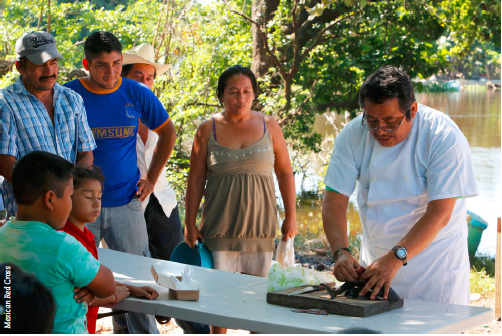
The communities in the municipality of Jonuta (Tabasco, Mexico), have been coached in how to use the Plecostomus as a food source. The money generated in wages and from sales of Plecostomus have increased family incomes and improved local subsistence practices. The Flood Resilience Alliance (2013 -2017) is a five-year partnership that set out to develop

Plecostumus: alternative family income and livelihood – Flood Resilience Read More »

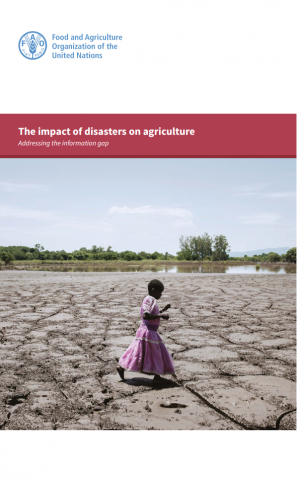
The impact of disasters on agriculture: Addressing the information gap

  In developing countries the agriculture sector absorbs 23 percent of the total damage and losses. Between 2005 and 2014, approximately USD 93 billion was lost in crop and livestock production due to natural hazards and disasters in developing countries.  The number and frequency of recorded natural disasters, along with the associated impact and damage

The impact of disasters on agriculture: Addressing the information gap Read More »

Solución: Asistencia Alimentaria para la Integración Social

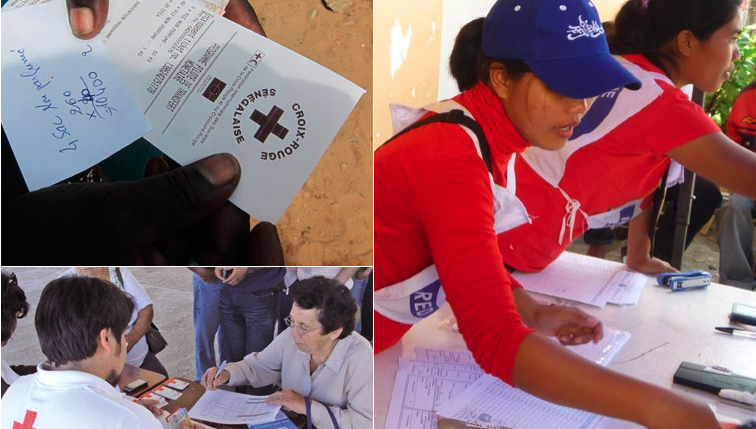
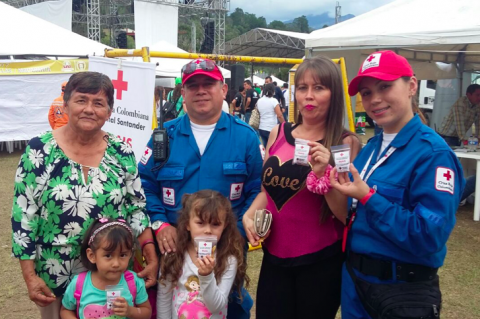
  Ante los problemas de seguridad alimentaria en una zona rural, donde hay altos índices de malnutrición, desnutrición y pérdida de cosechas por incapacidad para almacenarlos, conservarlos, consumirlos y transportarlos, la Unidad Municipal Santander de la Cruz Roja Colombiana nos cuenta acerca de sus prácticas de solución.  Algunas de las palabras clave de esta experiencia

Solución: Asistencia Alimentaria para la Integración Social Read More »

Asistencia Alimentaria para la Integración Social en Santander

Esta experiencia se desarrolla en Málaga, Santander, ubicada a 120 km de Bucaramanga, en Colombia, Unidad Médica de la Seccional. ORIGEN DE LA DIFICULTAD ENCONTRADA Problemas de seguridad alimentaria en una zona rural, donde existen altos índices de malnutrición, desnutrición y pérdida de cosechas por incapacidad para almacenarlos, conservarlos, consumirlos y transportarlos. Se elaboró una

Asistencia Alimentaria para la Integración Social en Santander Read More »

Adapting to an Urban World Phase II (2017) Assessment Design in Urban Areas – Expert Consultations

Managing urban areas is one of the major development challenges of the 21st century. While the increasing attention to the urban food insecure is evident, effective information gathering guiding humanitarian response and targeting remain a challenge to meet food security and other basic needs. In order to assess vulnerability to food insecurity in urban settings,

Adapting to an Urban World Phase II (2017) Assessment Design in Urban Areas – Expert Consultations Read More »

Scroll to Top