
Featured Stories
Sorry, we couldn't find any posts. Please try a different search.
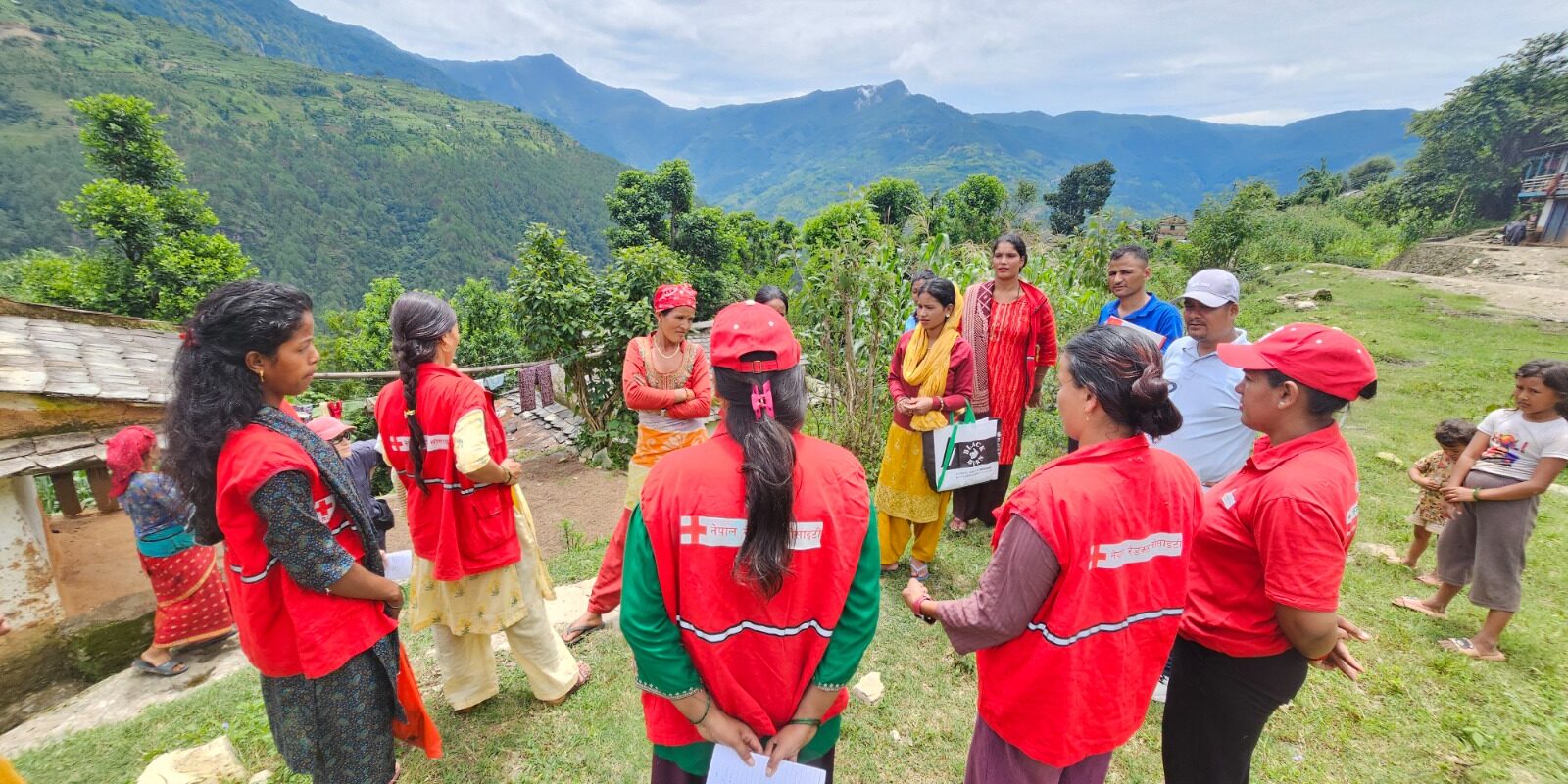
Knowing vs. Doing: Closing the Preparedness Gap through Behaviour Change in Nepal
 14 Sep 2026
Knowing vs. Doing: Closing the Preparedness Gap through Behaviour Change in Nepal Building on the strong results of its behaviour change work in healt...

Evaluating the Implementation and Effectiveness of Heat Action Plans
 06 Aug 2026
Extreme heat is a deadly and growing threat to cities worldwide. As recognition of heat risks increases, local governments have begun developing Heat ...
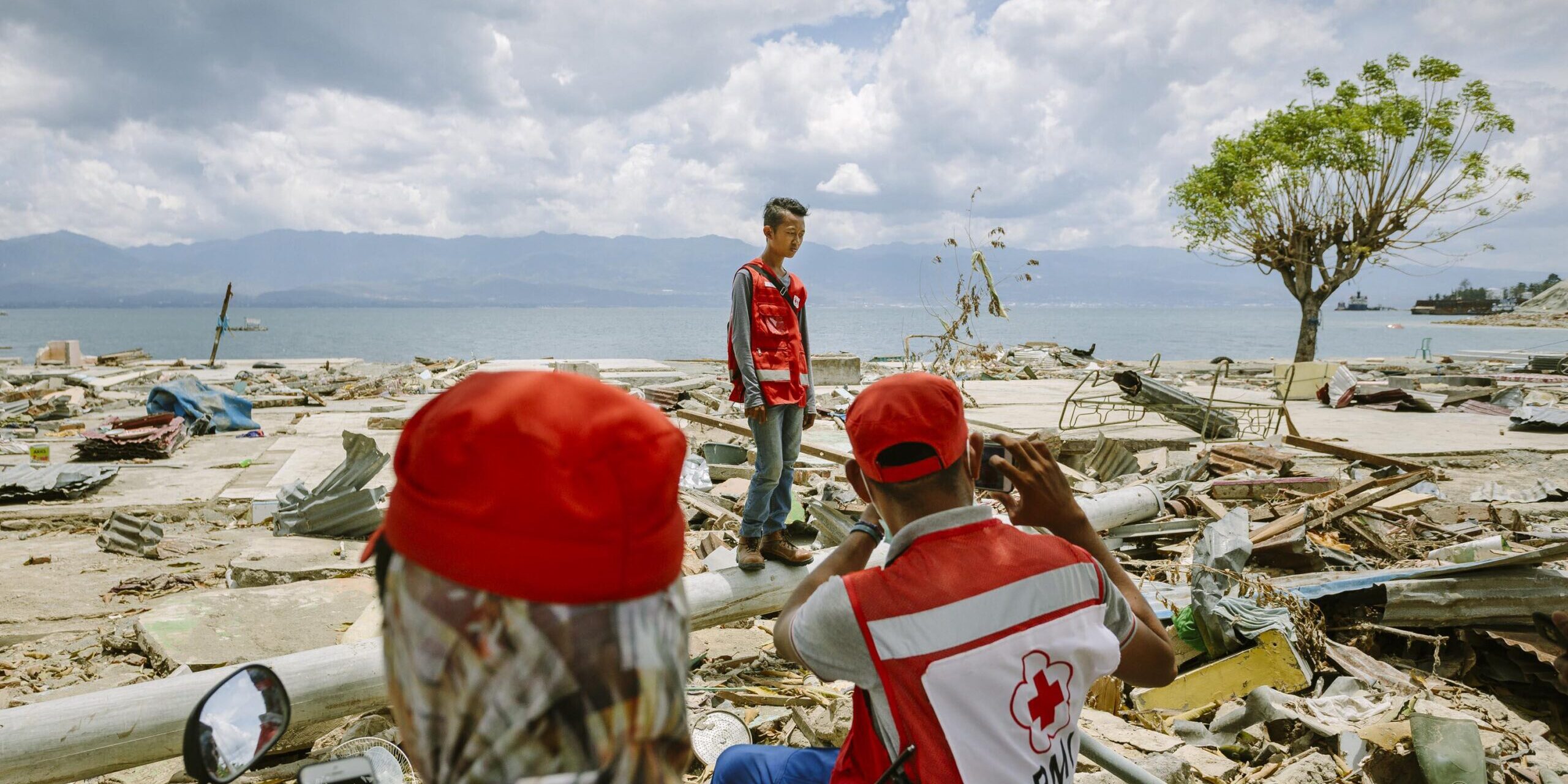
Treaty on the Protection of Persons in the Event of Disasters
 25 Jun 2026
In disaster response, timing is everything. A delayed shipment, a stalled visa, or unclear coordination can mean the difference between help arriving ...
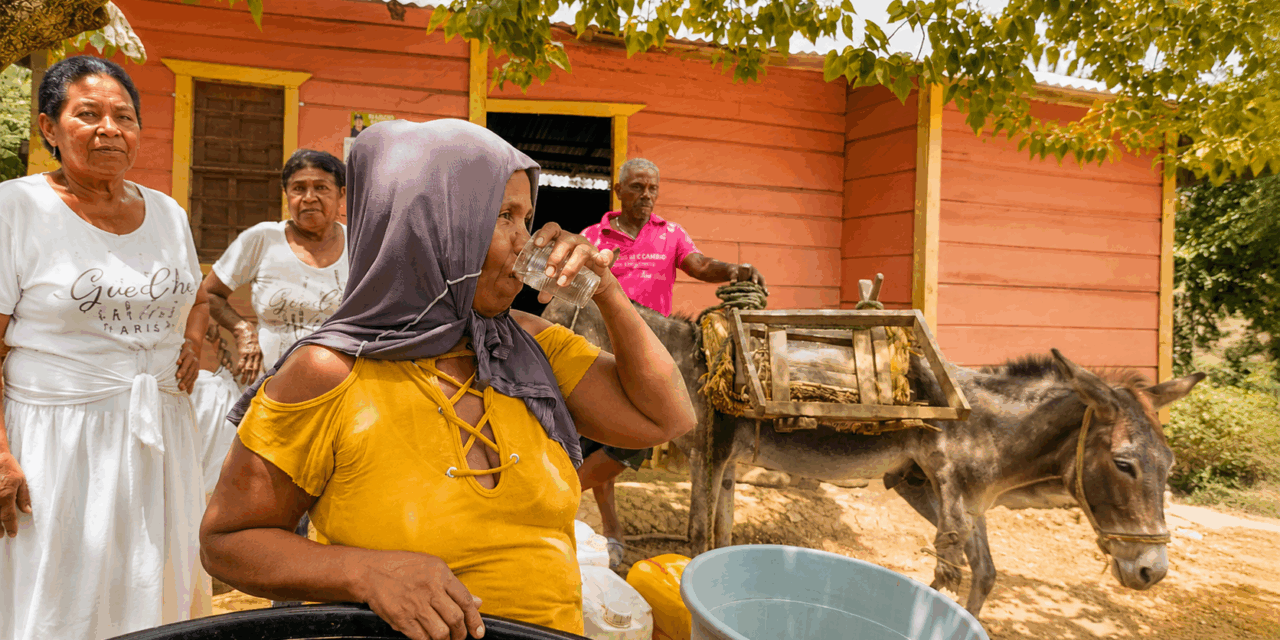
From Geneva to Jaipur: How the World Came Together for Heat Action Day 2026
 15 Jun 2026
Heatwaves are no longer a distant threat. They are becoming more frequent, longer, hotter, and deadlier – and every year they put millions of pe...
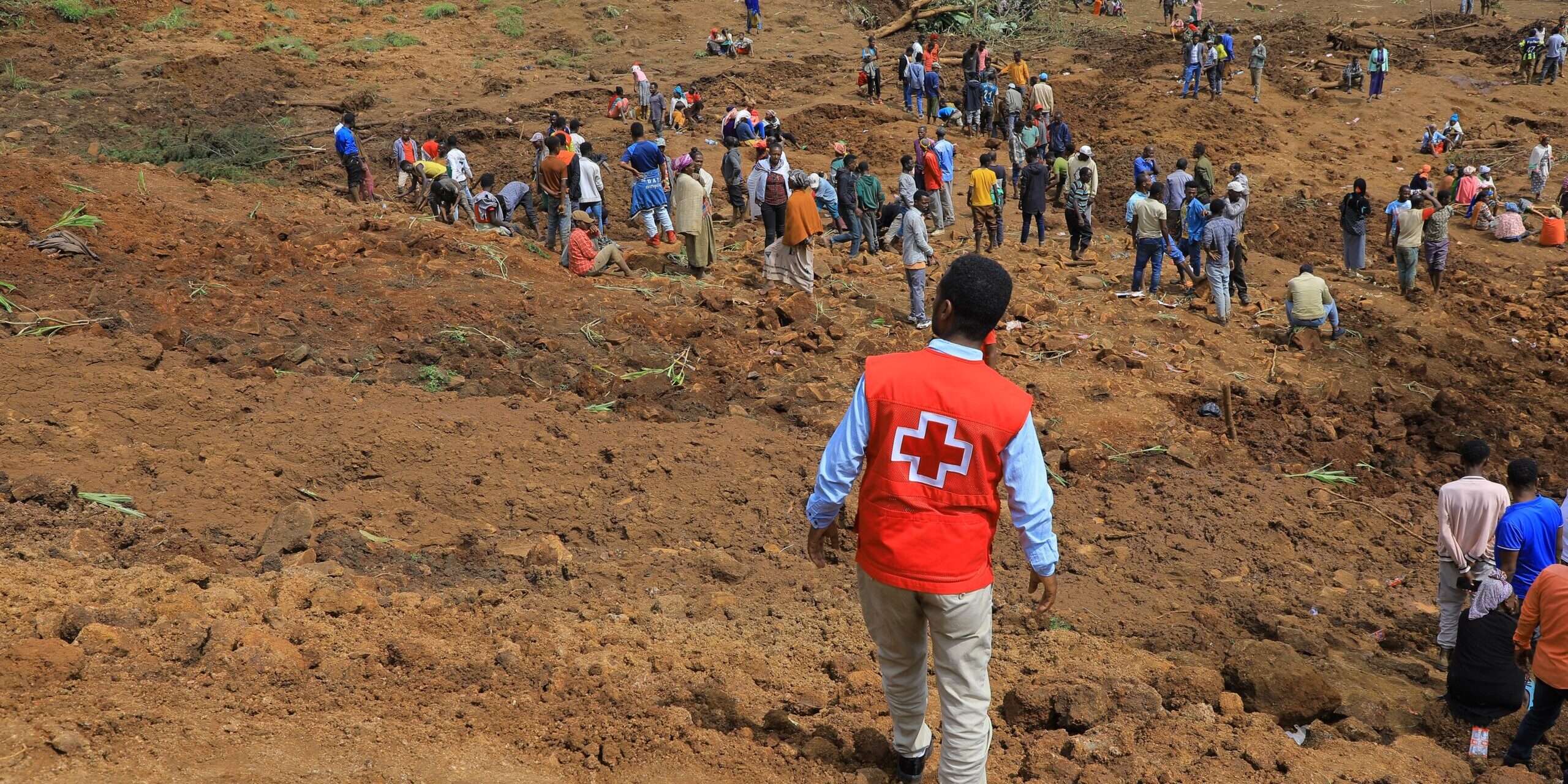
The Ethiopian Red Cross’s Emergency Operations Centre Strengthens Crisis Response
28 Apr 2026
From conflict to climate-related disasters, this Emergency Operations Centre is transforming how the Ethiopian Red Cross monitors risks, coordinates r...

Beyond Individual Risk: Why Extreme Heat Demands a Systems Response
 18 Feb 2026
At a Glance Extreme heat becomes a disaster when it overwhelms the systems people rely on – housing, health, infrastructure, ecosystems, and soc...
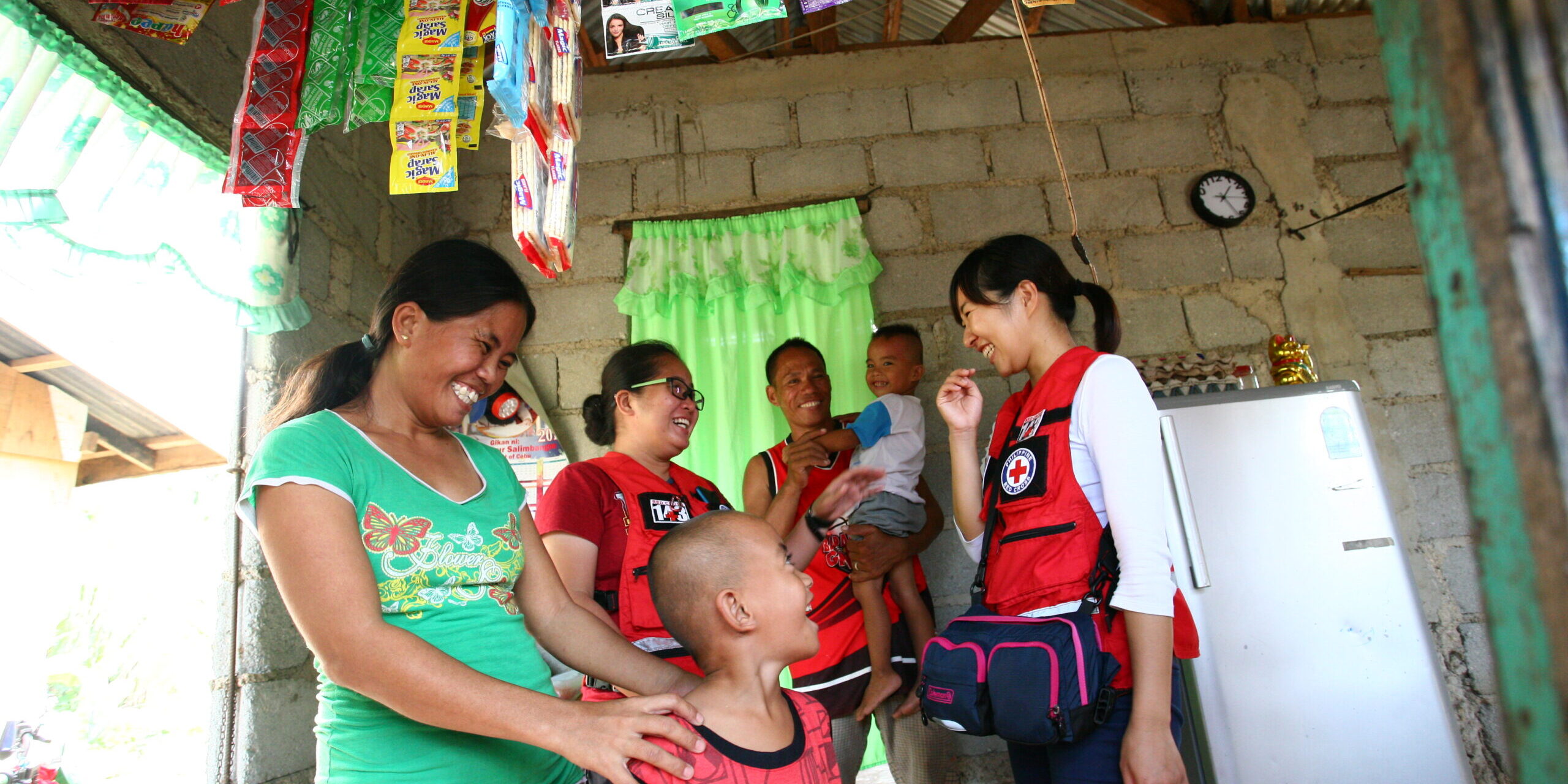
Strengthening Community Resilience through Small Business Preparedness
 10 Feb 2026
When disaster strikes-such as a flood, earthquake, hurricane, or a business-halting heat wave-it doesn’t just disrupt homes and lives; it also g...

Strengthening Early Warning Systems for All: Evidence and Lessons from Last-Mile Communities
06 Jan 2026
This report synthesizes findings from 15 GDPC-supported studies across 14 countries to examine why early warnings often fail to translate into timely,...
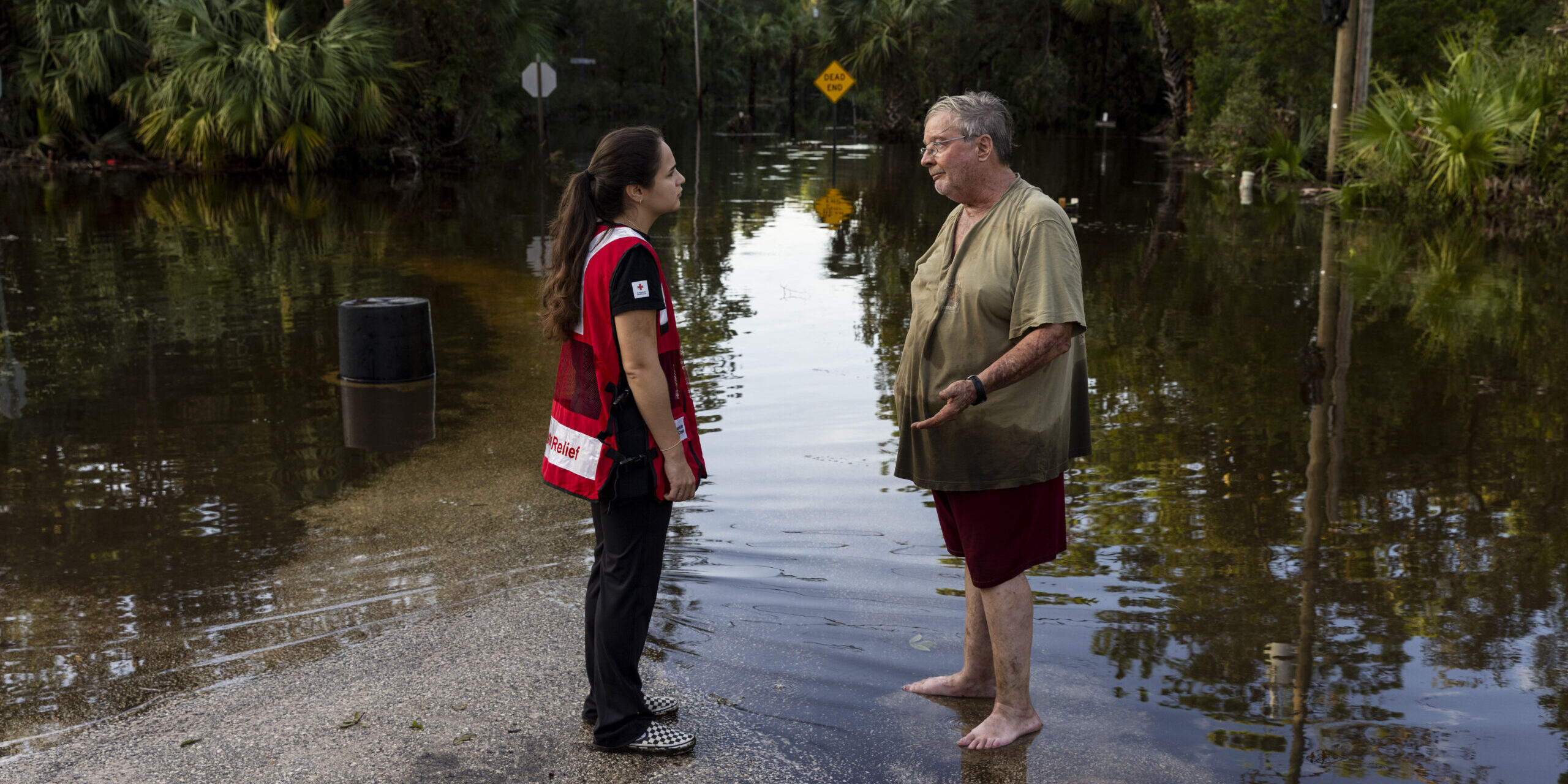
Ready Before It Hits – How The American Red Cross Uses Anticipatory Action To Stay Ahead of Disasters
08 Oct 2025
When most people think of “disaster relief,” they picture what happens after a hurricane or wildfire-volunteers distributing blankets, set...

Unpacking the Summer: Learning About Heat in Adelaide
21 Jul 2025
Listening Over Coffee: Stories Behind the Data The Post-Event Review Capability (PERC), developed by the Zurich Climate Resilience Alliance, offers ...
More Stories
 Filter
 08 Jan 2016
On April 25, 2015, an earthquake with a magnitude of over 7.8M killed more than 9,000 people and injured more than 23,000 in Nepal. This is the sec...
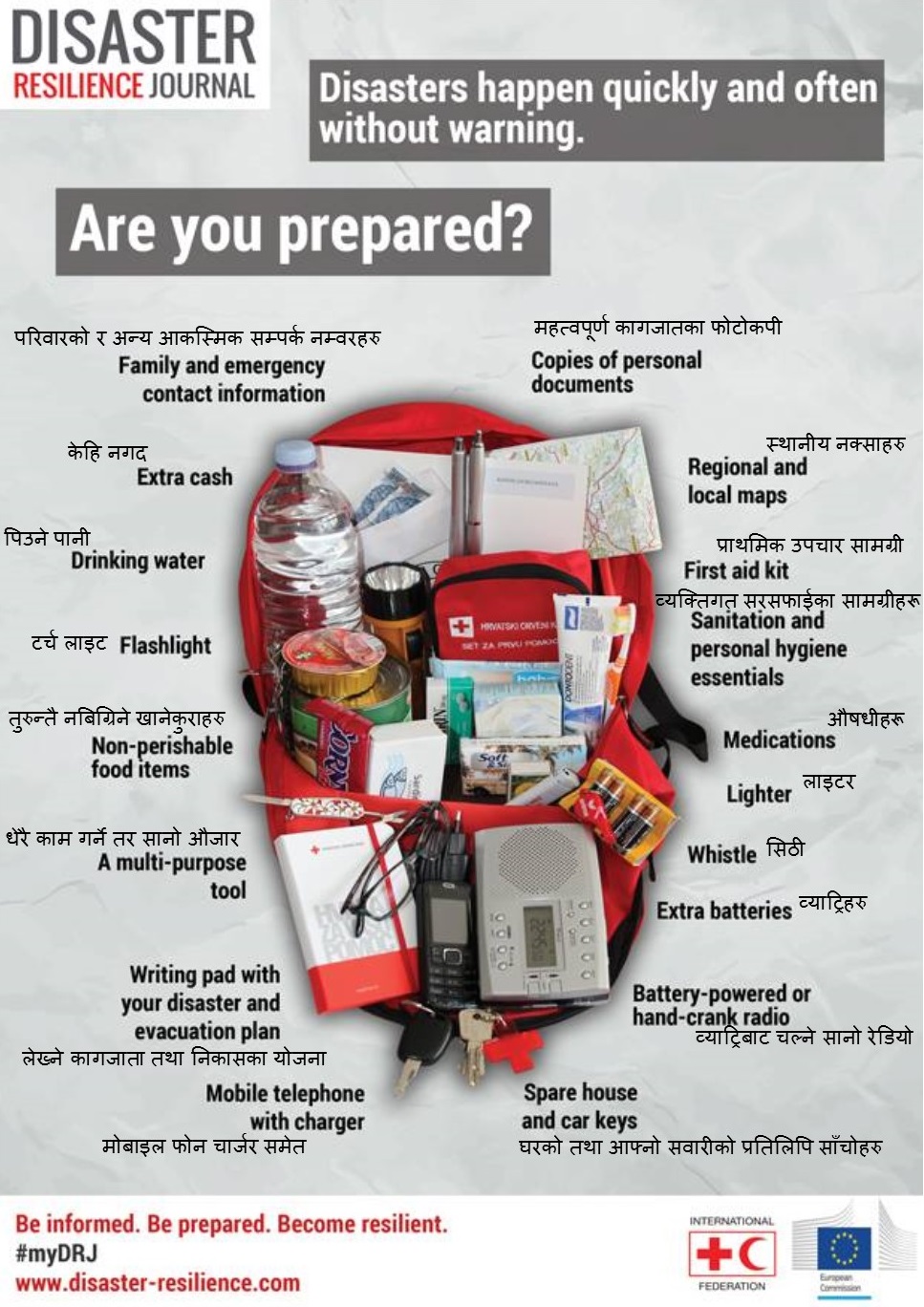 21 Dec 2015
On April 25, 2015, an earthquake with a magnitude of over 7.8M killed more than 9,000 people and injured more than 23,000 in Nepal. This is the first ...
 24 Jun 2015
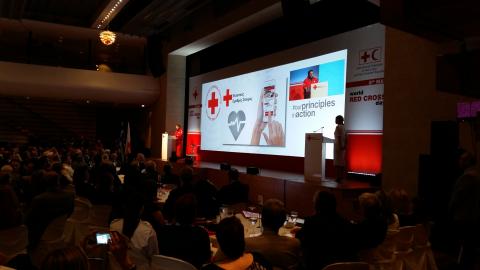
“With the app we feel closer to the people!” As part of the global Red Cross and Red Crescent network, the Global Disaster Preparedness Center (GD...
 07 May 2015
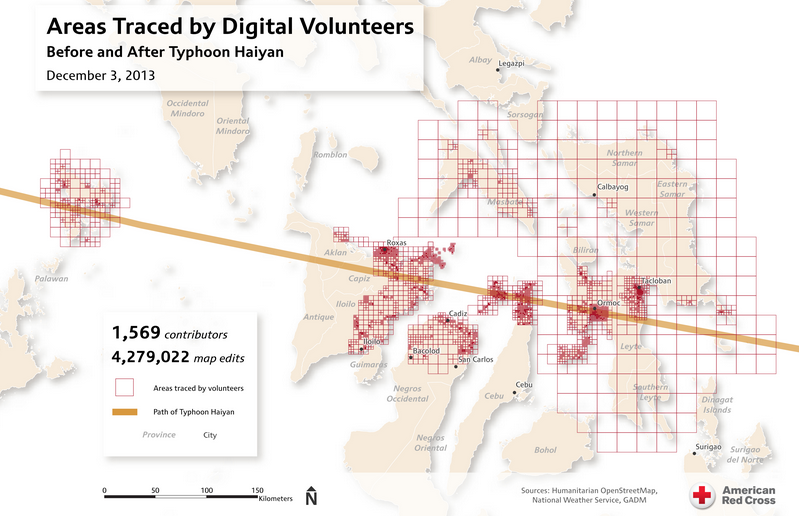
The following story was written by Lena Kang, GDPC Knowledge Management Intern, based on the learning events and discussions at the inaugural HOT Summ...
 22 Apr 2015
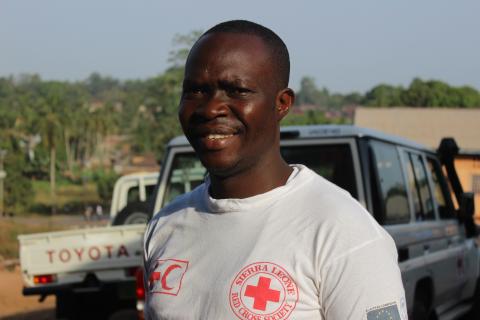
By Lisa Pattison, IFRC Without a doubt, stepping over the threshold to leave an Ebola treatment centre for the last time gives a patient a certain deg...
 22 Apr 2015
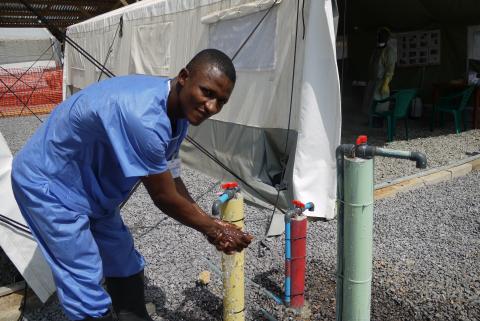
This is the story of Francis Nallu, an Infection Prevention Control Supervisor, working at the Ebola treatment center (ETC). I supervise and train a l...
 22 Apr 2015
By Anita Dullard, IFRC As the streets of Bopolu city wake, Tenneh Kamara sits quietly, hands in her lap and voice low. Motorcycle taxis have already b...
 22 Apr 2015
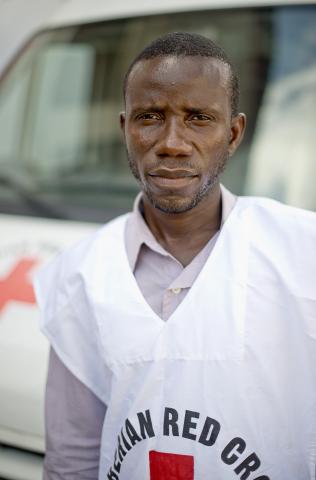
Jerald P. Dennis contracted the deadly Ebola virus disease while attending a funeral in Liberia. After spending ten days as a patient in an Ebola trea...
 15 Apr 2015
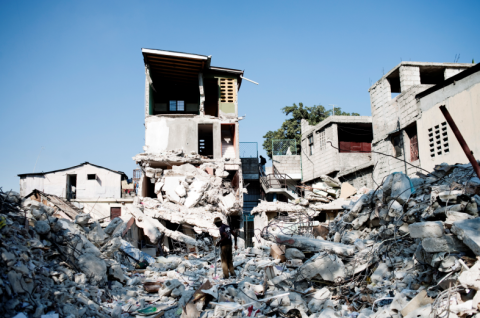
The following story was written by Lena Kang, Knowledge Management Intern, GDPC, based from an interview with Tracy Reines, Director of the Internatio...
 13 Apr 2015
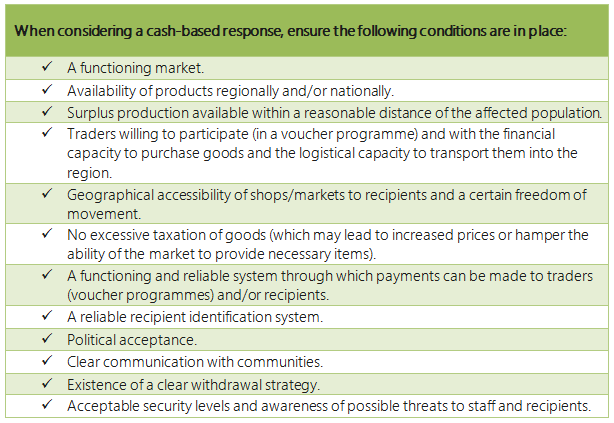
The following story was written by Lena Kang, Knowledge Management Intern, GDPC, based on an interview with Wendy Brightman, Regional Advisor for C...