
Featured Stories
Sorry, we couldn't find any posts. Please try a different search.
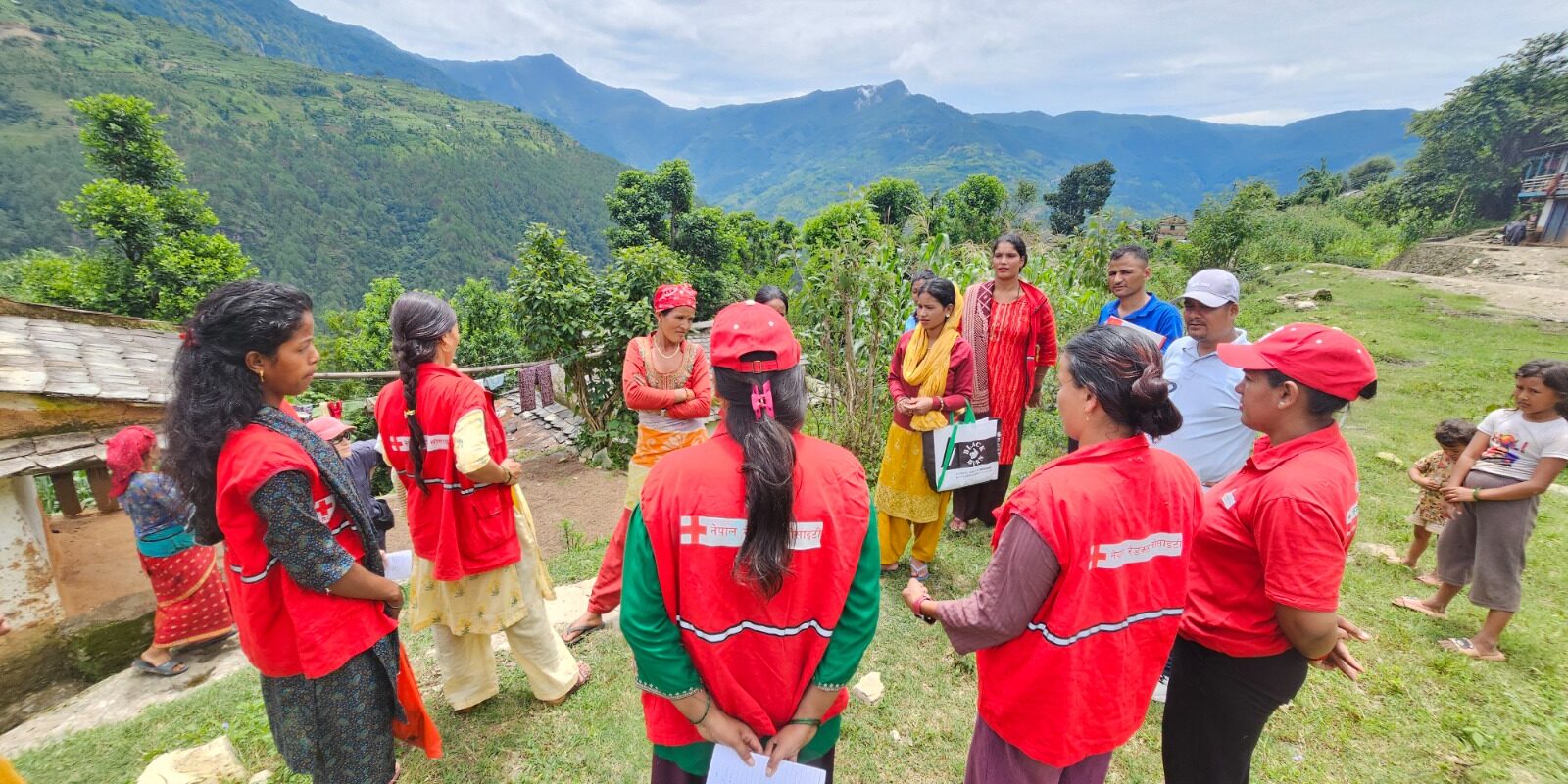
Knowing vs. Doing: Closing the Preparedness Gap through Behaviour Change in Nepal
 14 Sep 2026
Knowing vs. Doing: Closing the Preparedness Gap through Behaviour Change in Nepal Building on the strong results of its behaviour change work in healt...

Evaluating the Implementation and Effectiveness of Heat Action Plans
 06 Aug 2026
Extreme heat is a deadly and growing threat to cities worldwide. As recognition of heat risks increases, local governments have begun developing Heat ...
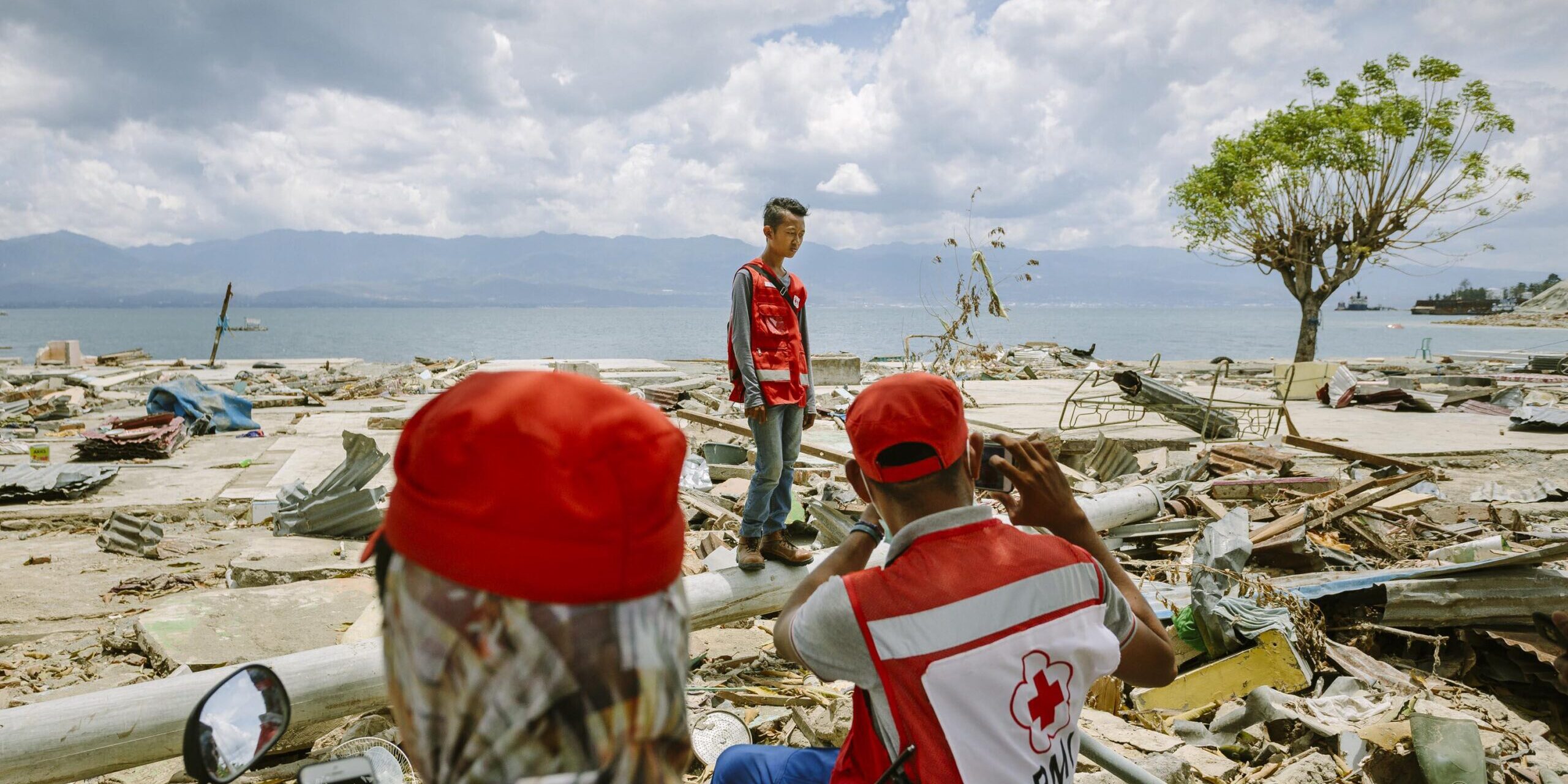
Treaty on the Protection of Persons in the Event of Disasters
 25 Jun 2026
In disaster response, timing is everything. A delayed shipment, a stalled visa, or unclear coordination can mean the difference between help arriving ...
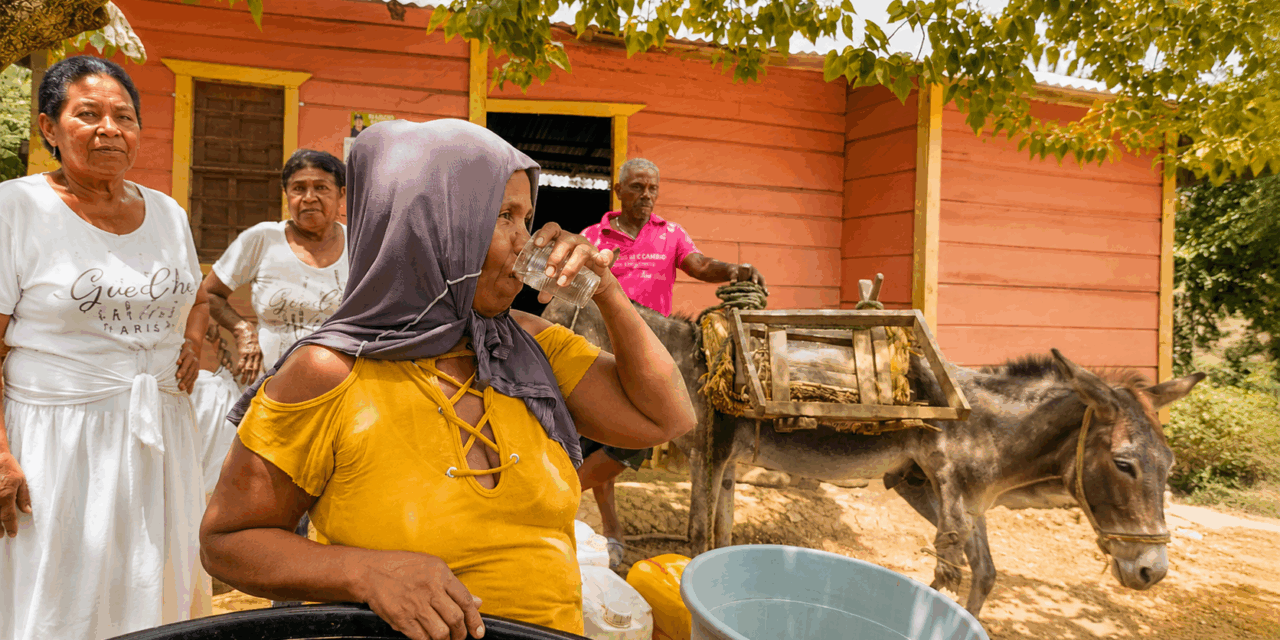
From Geneva to Jaipur: How the World Came Together for Heat Action Day 2026
 15 Jun 2026
Heatwaves are no longer a distant threat. They are becoming more frequent, longer, hotter, and deadlier – and every year they put millions of pe...
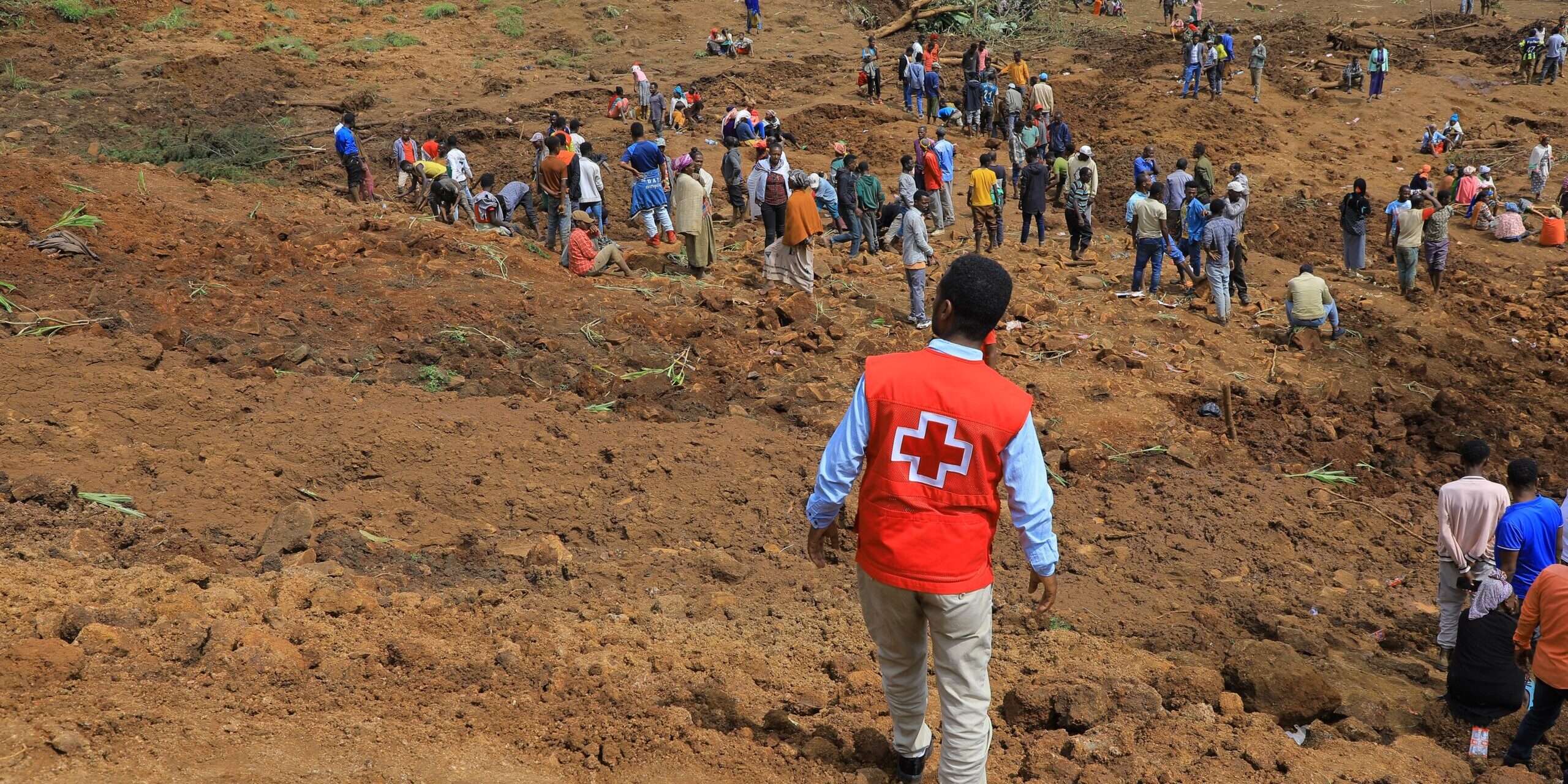
The Ethiopian Red Cross’s Emergency Operations Centre Strengthens Crisis Response
28 Apr 2026
From conflict to climate-related disasters, this Emergency Operations Centre is transforming how the Ethiopian Red Cross monitors risks, coordinates r...

Beyond Individual Risk: Why Extreme Heat Demands a Systems Response
 18 Feb 2026
At a Glance Extreme heat becomes a disaster when it overwhelms the systems people rely on – housing, health, infrastructure, ecosystems, and soc...
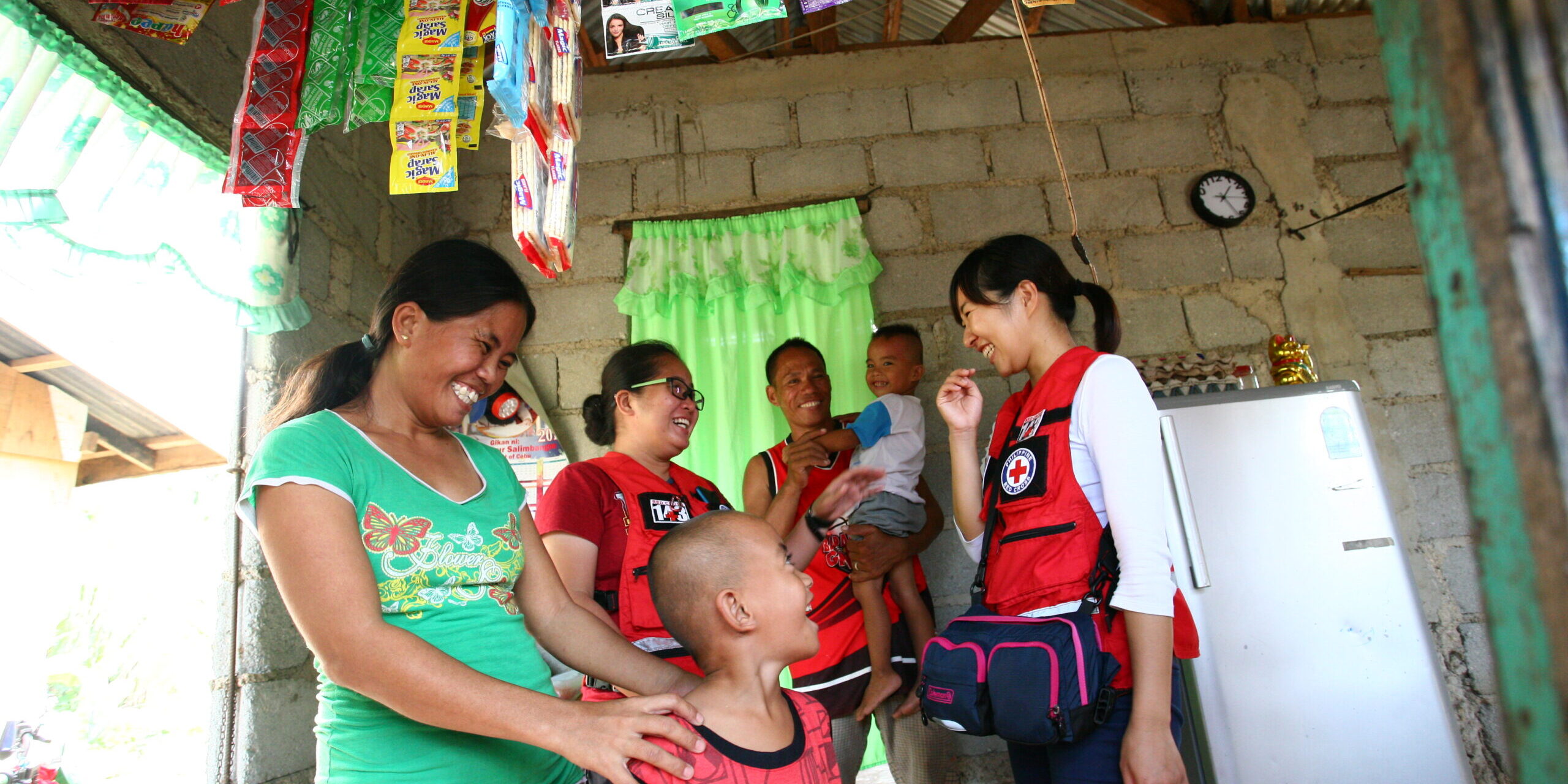
Strengthening Community Resilience through Small Business Preparedness
 10 Feb 2026
When disaster strikes-such as a flood, earthquake, hurricane, or a business-halting heat wave-it doesn’t just disrupt homes and lives; it also g...

Strengthening Early Warning Systems for All: Evidence and Lessons from Last-Mile Communities
06 Jan 2026
This report synthesizes findings from 15 GDPC-supported studies across 14 countries to examine why early warnings often fail to translate into timely,...
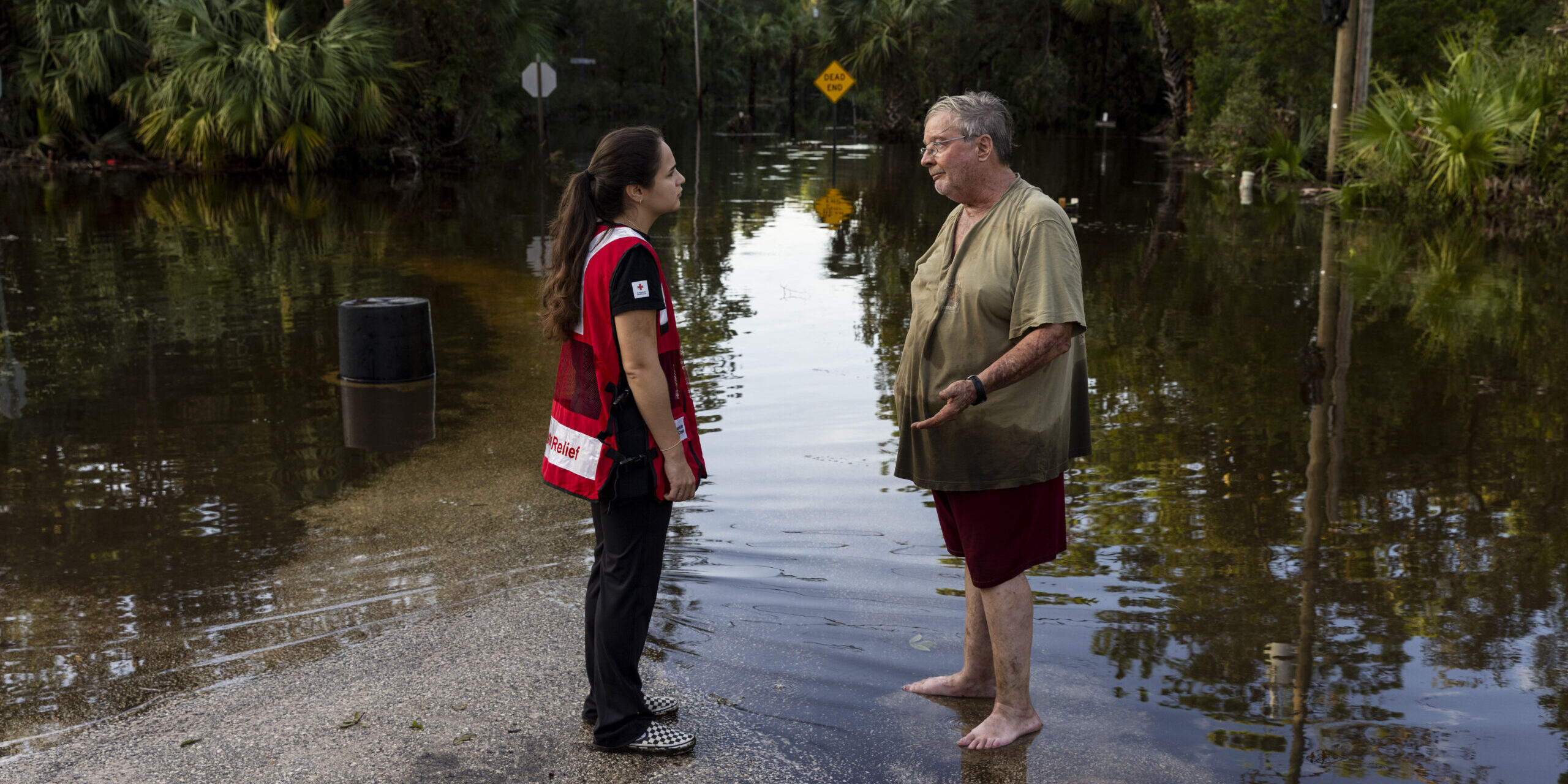
Ready Before It Hits – How The American Red Cross Uses Anticipatory Action To Stay Ahead of Disasters
08 Oct 2025
When most people think of “disaster relief,” they picture what happens after a hurricane or wildfire-volunteers distributing blankets, set...

Unpacking the Summer: Learning About Heat in Adelaide
21 Jul 2025
Listening Over Coffee: Stories Behind the Data The Post-Event Review Capability (PERC), developed by the Zurich Climate Resilience Alliance, offers ...
More Stories
 Filter
 05 Feb 2024
Warming oceans and the El Nino phenomenon have caused some storms to gain strength far more rapidly than predicted. When communities are caught off-gu...
 25 Jan 2024
2023 was officially named the hottest year on record, marked by scorching heatwaves across the globe. As the frequency and intensity of heatwaves are ...
 05 Jan 2024
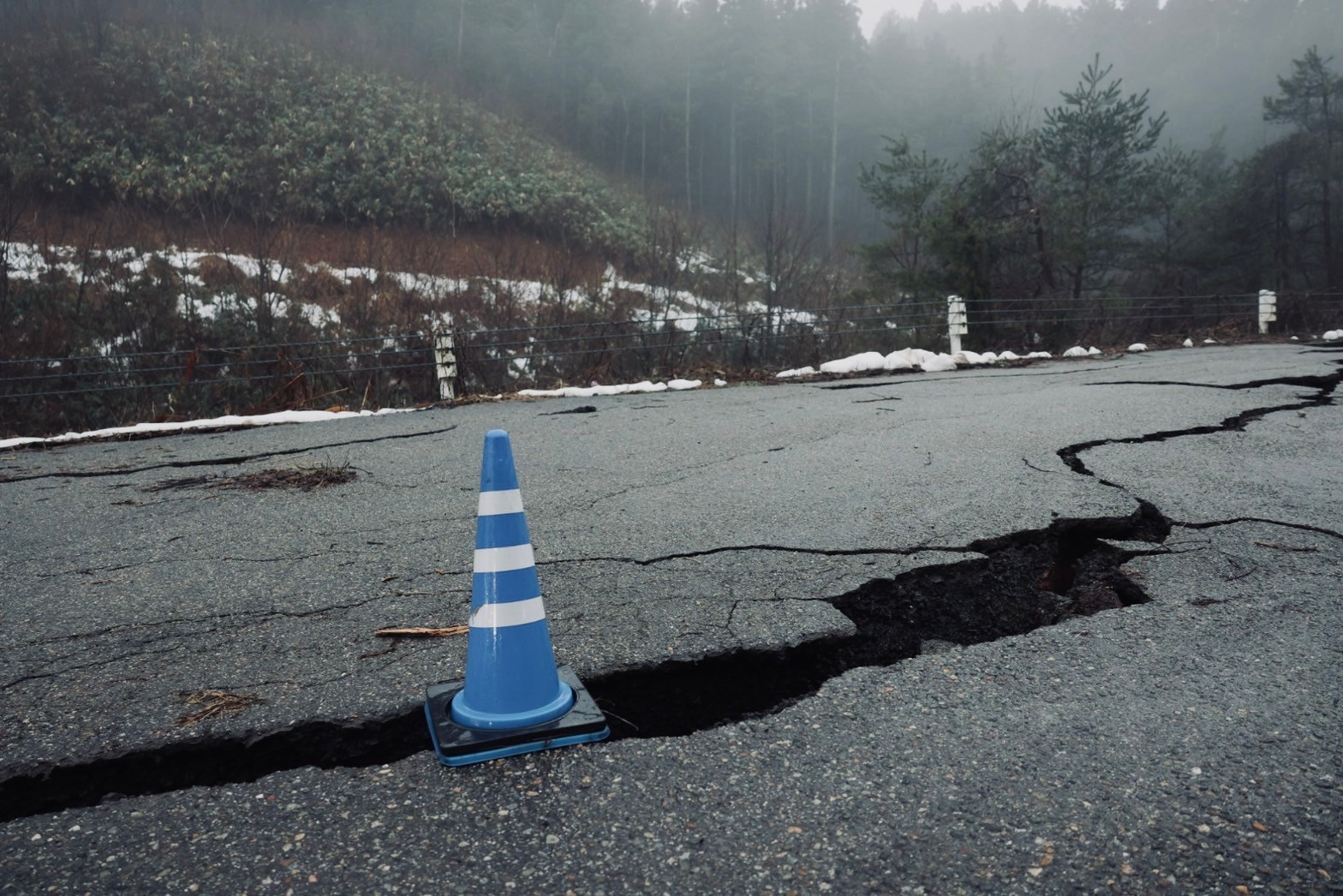
This story was prepared and originally published by National Geographic. Japan has earned a reputation as one of the most disaster-ready nations in th...
 28 Nov 2023
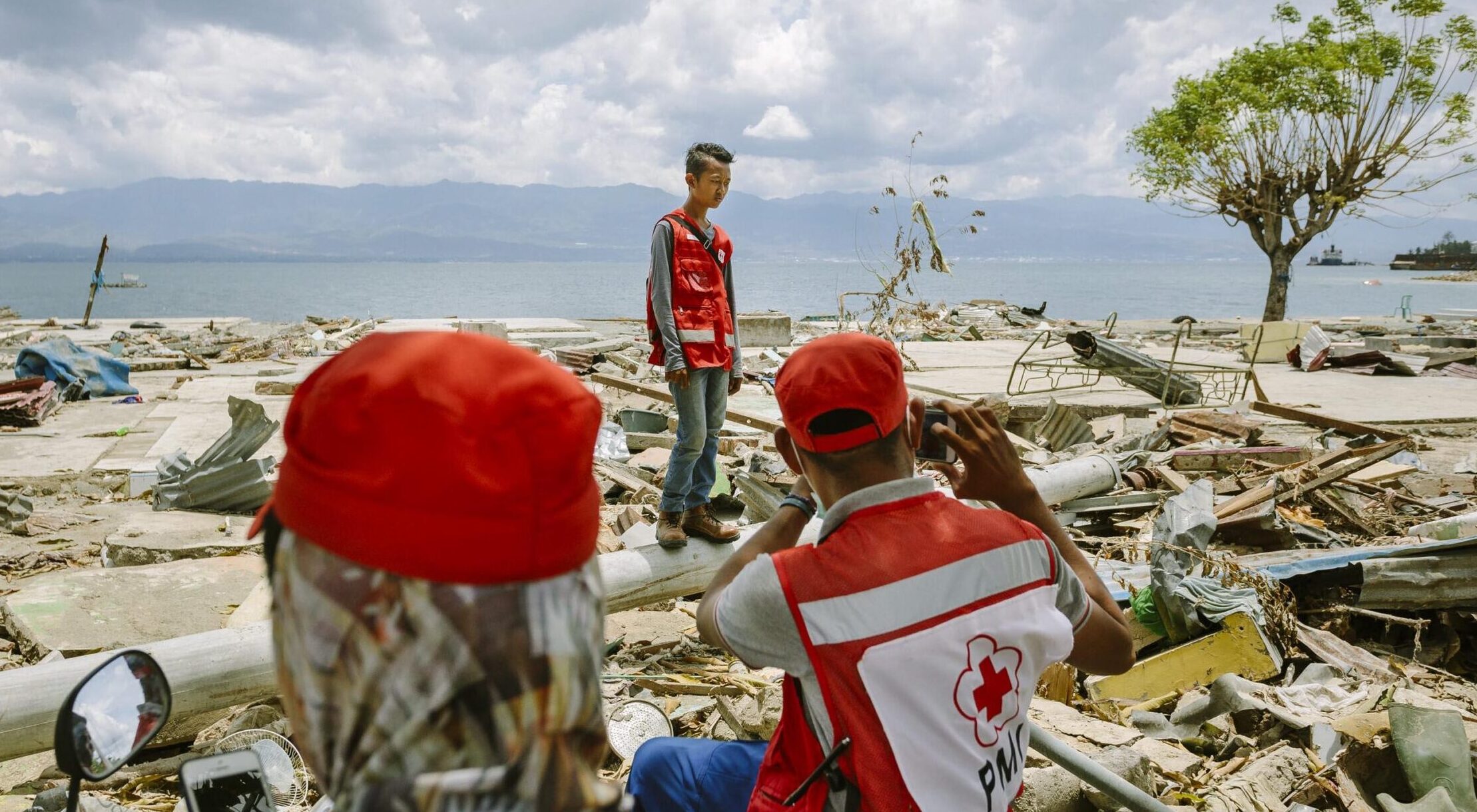
Authors: Rachel Macleod, IFRC Senior Disaster Law Officer, and Tommaso Natoli, Disaster Law Focal Point for EU at the Italian Red Cross and IFRC In th...
 23 Nov 2023
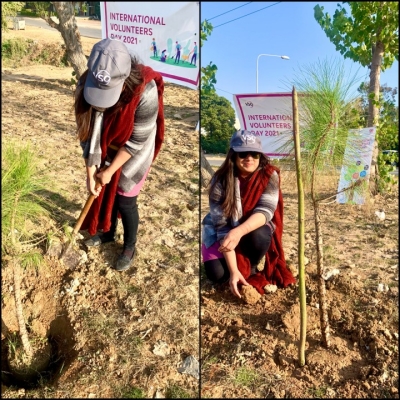
1755 is the year when they say volunteering phenomena emerged. And then, this concept re-emerged, reformed and contextualized for various other indust...
 22 Nov 2023
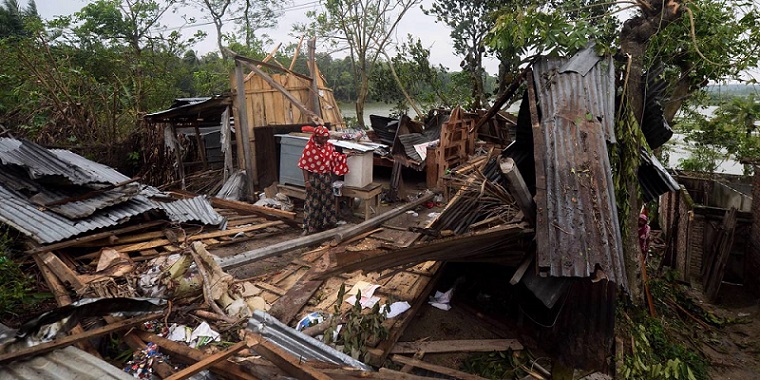
By Andrew C. Tupper & Carina J. Fearnley Early warnings have long been known to be vital for saving lives and economic pain when disaster threaten...

 15 Nov 2023
The new self-paced online course Public Awareness Public Education (PAPE) & the WhatNow Service: Localizing action-oriented messages is now availa...
 20 Oct 2023
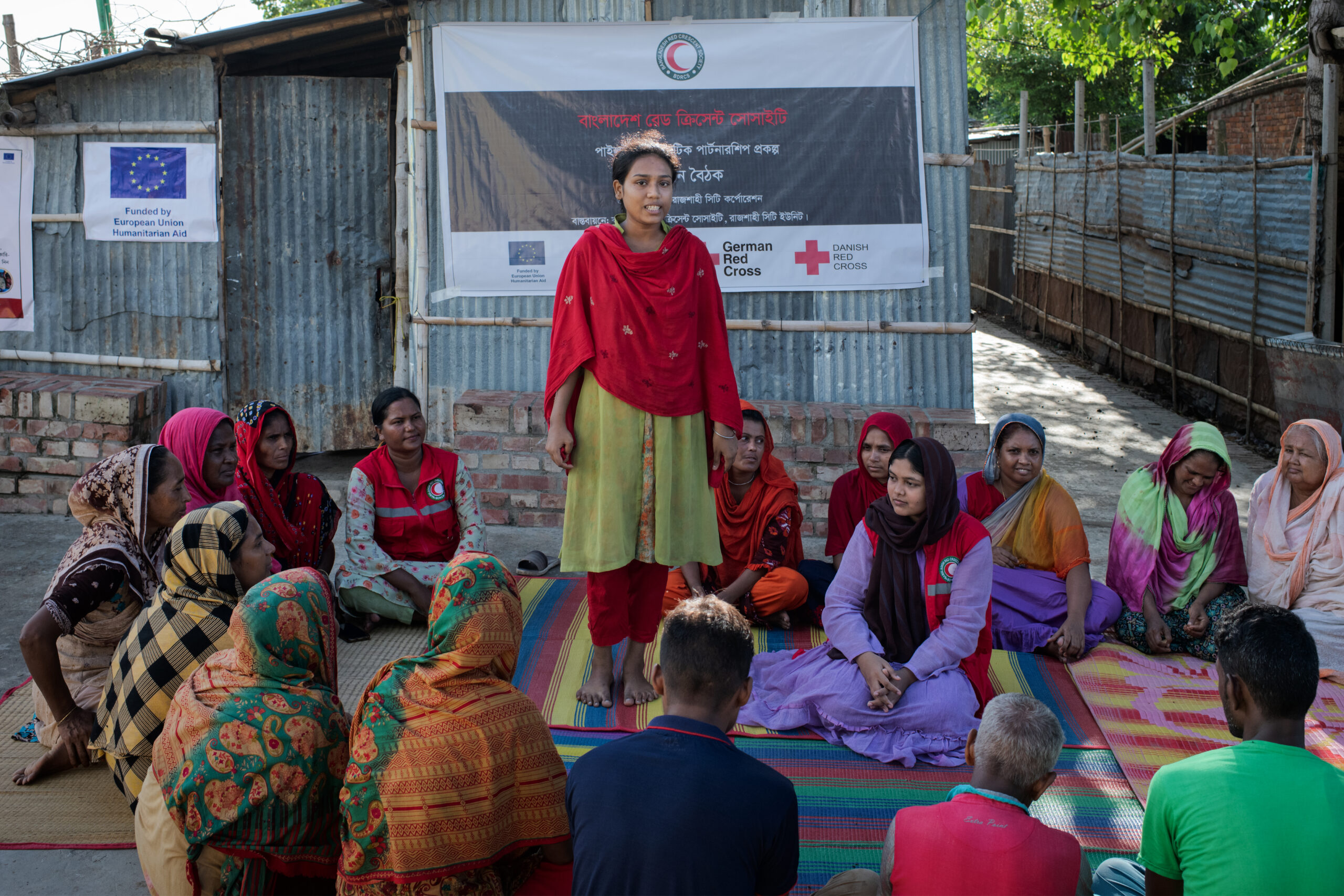
This story was originally published on the IFRC website, along with a video story. As the sun blazes mercilessly over Bajakajla Slum in Rajshahi City,...
 13 Oct 2023
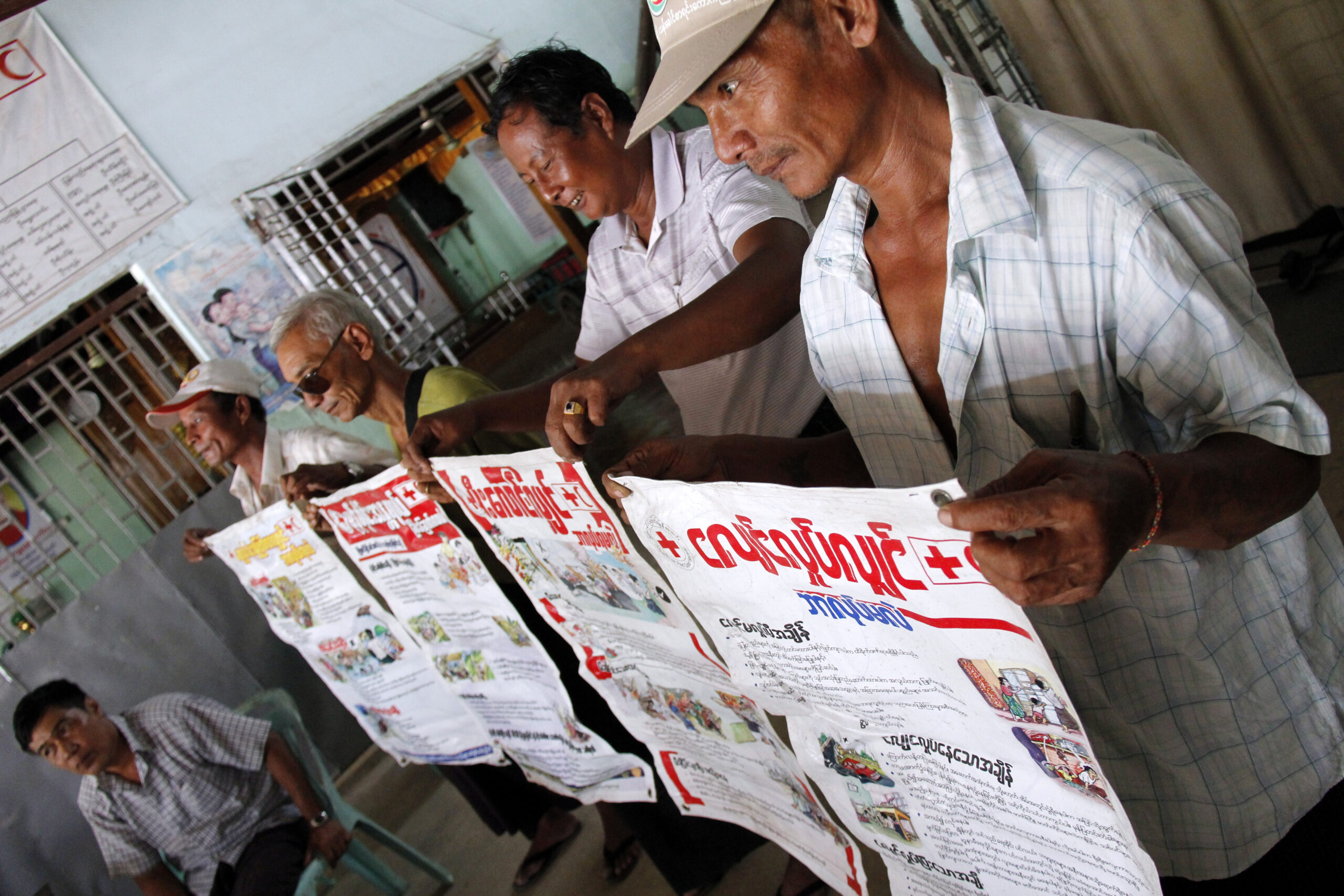
It’s International Day for Disaster Risk Reduction, so let’s discuss how we can make our communities safer and more resilient. Held every October ...
 09 Oct 2023
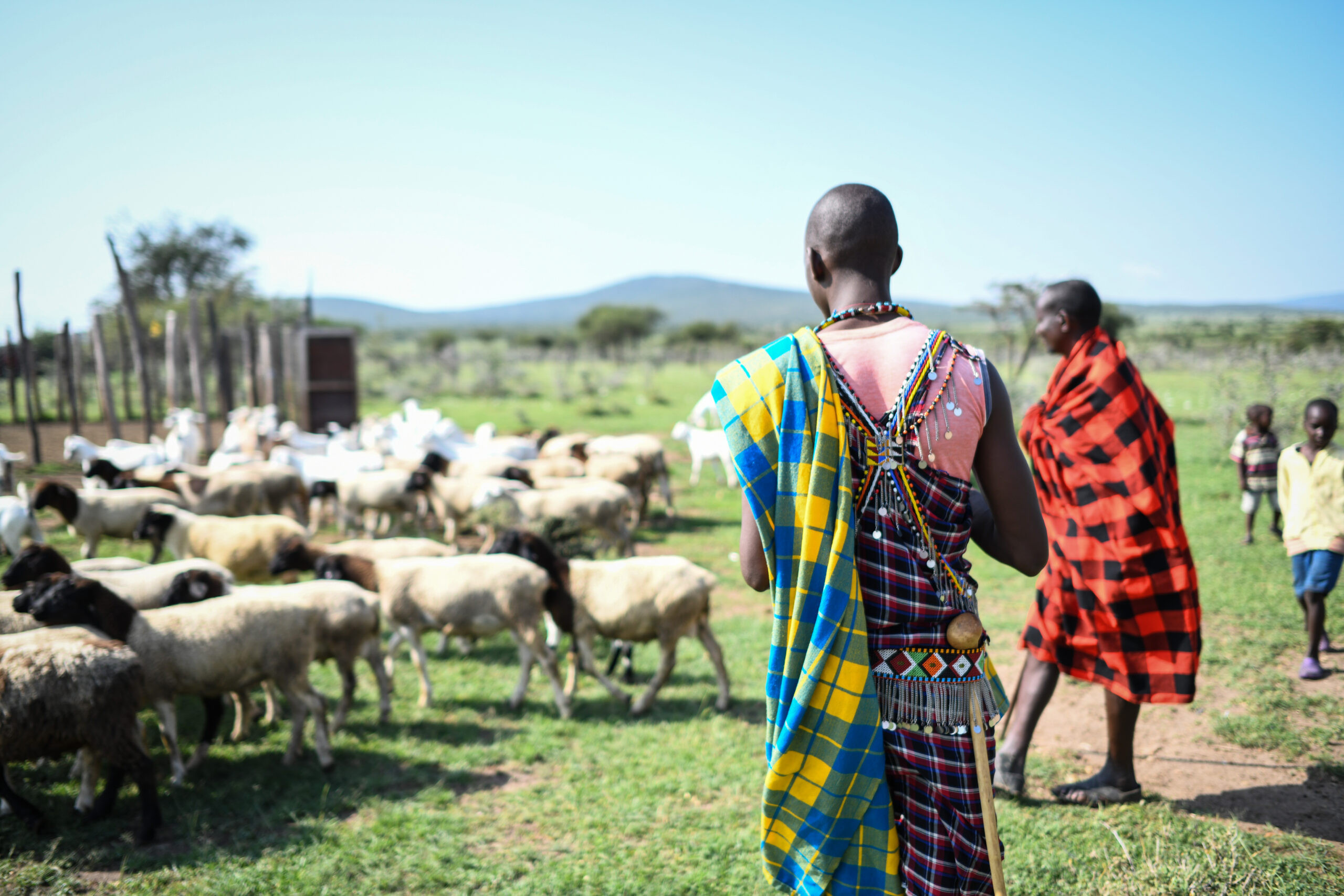
Early warning is a crucial element of disaster preparedness that saves lives and mitigate disaster impact. But some community members and entire commu...