Voices of Preparedness: Rebecca Scheurer, Global Lead for Disaster Preparedness, American Red Cross
 June 22, 2026
In this interview, Rebecca Scheurer, Global Lead for Disaster Preparedness at the American Red Cross, shares how the organization promotes preparedness at both local and global levels to raise awareness of climate-related risks—with a particular focus on extreme heat, a growing “silent killer” in a warming world.
How is the American Red Cross promoting preparedness at local and global levels?
Domestically, American Red Cross has long supported preparing for emergency response and building local capacities within communities, knowing that community members are first responders in most disasters, long before disaster response authorities show up.
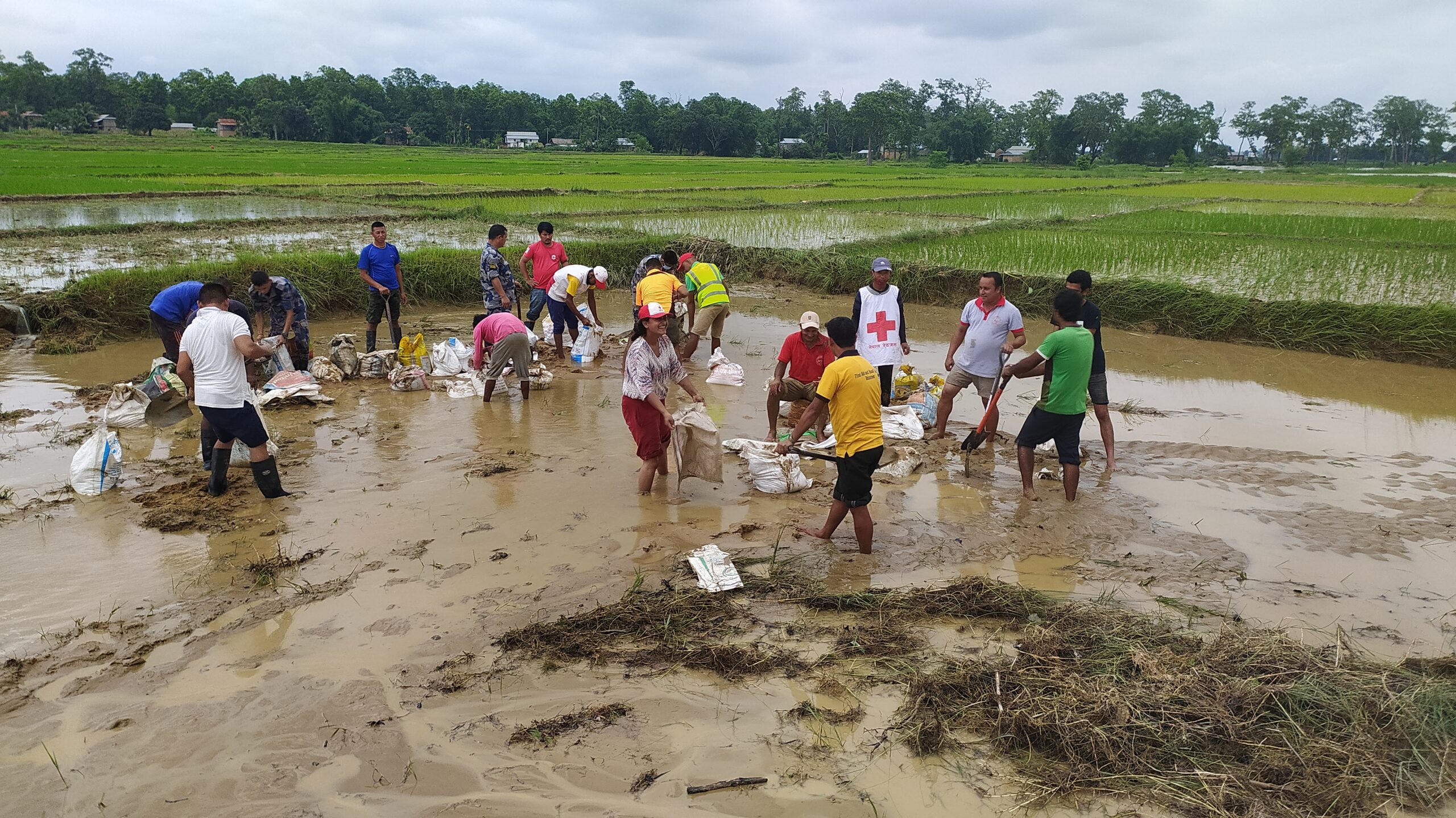
Internationally, we work very closely with a lot of partners around the world, including the International Federation for Red Cross and Red Crescent Societies, and many other partners within the Red Cross and Red Crescent network. We work very closely with Nepal Red Cross to help prepare communities for many different hazards.
In particular, we are focusing on what is known as the ‘silent killer,’ and that is extreme heat. And with climate changing all around us, around the world, millions of people are increasingly exposed to this hazard, which can be very deadly, particularly in city settings where the buildings retain heat and materials are used for construction that absorb heat, such as pavement. Oftentimes, poor communities have the fewest resources to respond. They have less air conditioning and oftentimes less water to stay cool.
So we are working with local Red Cross branches to prepare communities for heat waves. An example of this is promoting what we call ‘Heat Action Plans’ that help communities think through their risks, their exposure to this hazard, and what they can do in advance and during a heat event. For example, we really try to emphasize simple steps that are low cost or no cost and yet can save lives, such as simply staying hydrated and making sure that others that are at risk within a community are taken care of, such as the elderly and children in particular, these are high risk members of society.
Other simple measures that can be taken are to stay out of the heat, make sure that you have access to a cool place, some ventilation, make sure that you’re not working during peak hours and outside in construction or in field farming and other things that might take you outside in the peak hours of the day; wearing cool clothes, making sure you don’t leave kids in the car when you’re running in to go shop. These are potentially very deadly situations. And also taking care of your pets. Oftentimes we forget about our other members of our families.
Another thing that we do in addition to ‘Heat action plans’ is work to raise awareness globally; at a global level all the way down to communities through what we call the ‘Heat Action Day.’ We’re turning into an annual event as a campaign to really encourage a lot of activity that would raise awareness in high risk areas. And those activities can be everything from photo contests with youth and galvanizing a parade or art contest, other things that help people understand just how deadly heat can be.