
Disaster Risk Financing

Disaster Risk Financing (DRF) encompasses strategies, tools, and mechanisms that enable governments, organizations, and communities to secure funding before disasters strike, ensuring faster, more effective response and recovery. As disasters become more frequent and costly, disaster risk financing has emerged as a key component of disaster risk management and climate adaptation to help manage the financial impact of and support long-term development goals.
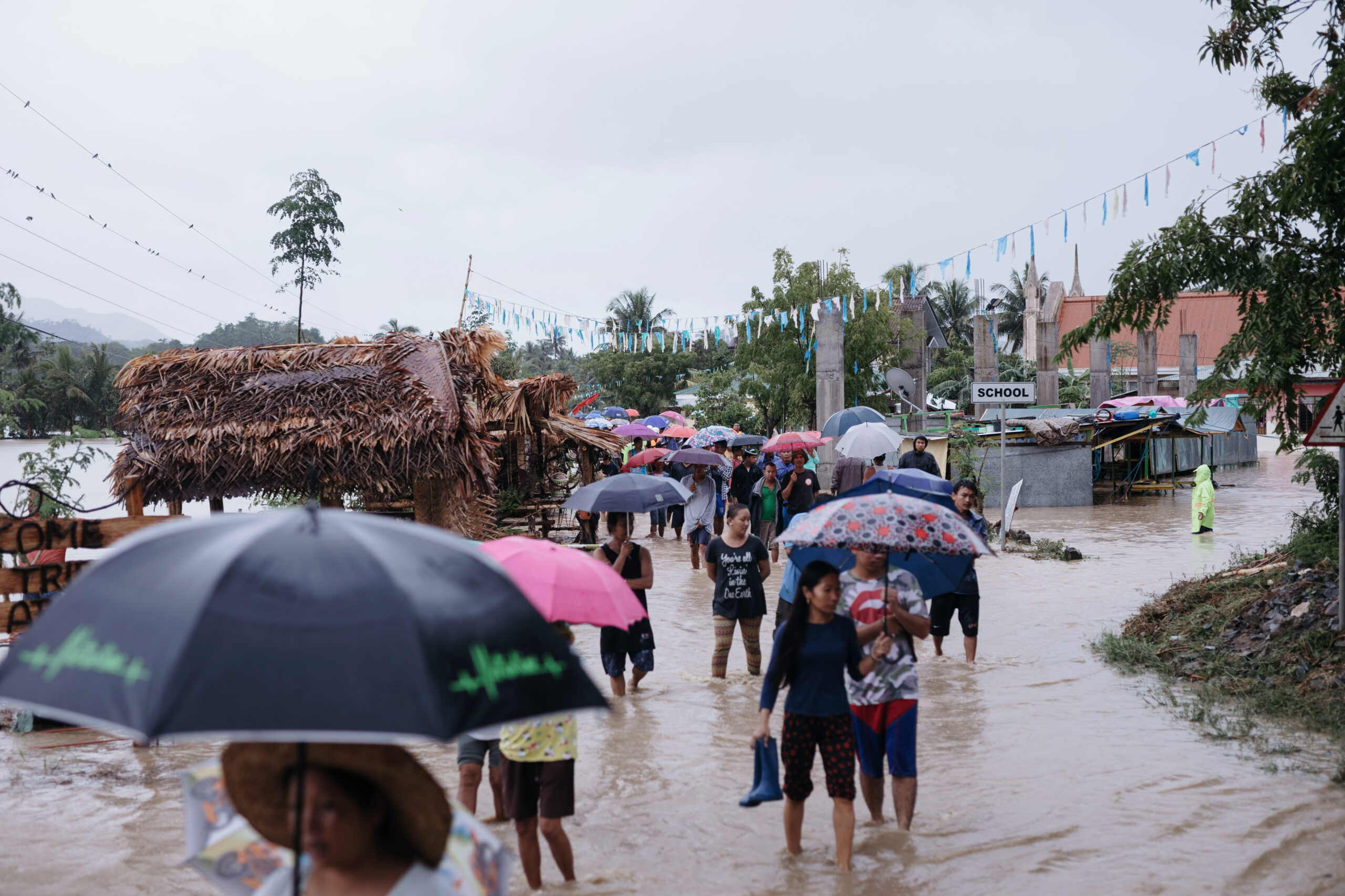
What is Disaster Risk Financing?
Disaster Risk Financing (DRF) refers to the system of budgetary and financial mechanisms arranged in advance to credibly pay for specific risks. These mechanisms can support activities across the disaster management spectrum, including prevention, risk reduction, preparedness, and response.
Some actors prefer the term ‘pre-arranged financing’, which describes DRF that has been approved ahead of a crisis and is guaranteed for release to a specific implementer once a pre-identified trigger condition is met. DRF instruments can be developed by a range of organizations, including governments, international NGOs, humanitarian agencies, and local groups. Pre-arranged financing may be part of anticipatory action or forecast-based financing systems, but it can also be set up for use during crisis response, rather than for early or anticipatory interventions, and may support general budget needs or other uses not tied to pre-agreed plans.
Disaster risk financing enables faster and more predictable responses by ensuring funds are available when needed, supports proactive planning and early action to minimize disaster impacts, and is generally more cost-effective than post-disaster borrowing or emergency appeals. It also promotes investment in preparedness, strengthens community resilience through risk assessments and early warning systems, and helps maintain fiscal stability by reducing the need for budget reallocations or new debt after disasters.
Disaster Risk Financing Tools
Disaster Risk Financing (DRF) encompasses various financial instruments and strategies to manage the economic impacts of natural disasters and catastrophic events. The main types of DRF instruments include:
Contingency Funds and Budget Reserves
Contingency funds and budget reserves are pre-allocated financial resources set aside by governments or organizations specifically for disaster response and recovery. They enable rapid access to funding when a disaster strikes, avoiding delays from fundraising or reallocating budgets. For example, the IFRC Disaster Response Emergency Fund (DREF) offers swift, flexible funding to National Red Cross and Red Crescent Societies for early action and immediate disaster response. The DREF is particularly valuable for small- to medium-scale emergencies that may not attract significant donor attention but still require urgent support.
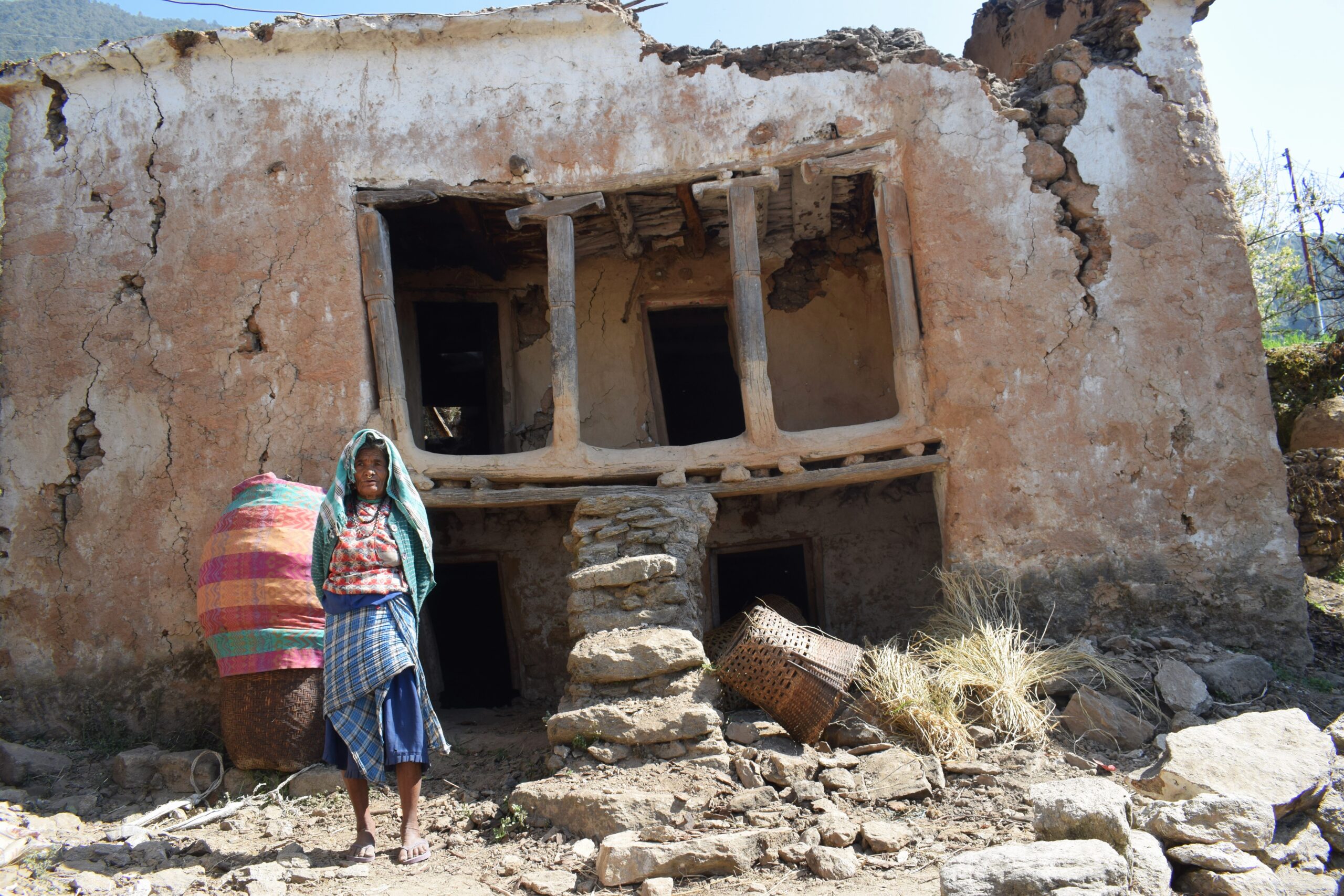
Insurance Instruments (Parametric, Indemnity, Microinsurance)
Insurance is one of the most well-known forms of risk transfer—the process of shifting the financial impact of specific risks from one party to another, either formally or informally. In the context of disasters, insurance transfers risk to insurers, who provide payouts when predefined events occur.
Parametric Insurance: Insurance pays out based on predefined triggers (such as rainfall levels or modelled losses) rather than actual loss assessments, enabling quick payouts.
Indemnity Insurance: Indemnity insurance pays for actual losses post-disaster. While governments and homeowners often carry indemnity insurance for infrastructure or property, humanitarian agencies have started to insure their response operations.
Microinsurance for Communities: Microinsurance is a tool to protect low-income households against disasters on an individual or micro level. In Bangladesh, for example, some microfinance institutions and NGOs have introduced affordable micro-crop insurance for farmers in flood-prone areas. When seasonal floods occur, insured farmers receive small payouts quickly, helping them recover without selling assets.

Catastrophe Bonds (Cat Bonds)
Cat Bonds are another type of risk transfer instrument that that transfer risk to capital markets. In this case, investors provide upfront capital; if a disaster occurs, funds are used for response. If not, investors earn returns.
Contingent Credit Lines
Contingent credit lines provide governments with quick loans post-disaster, often at preferential terms. Such contingent loans are typically negotiated before disasters and become available once an emergency is declared. They are essentially part of a government’s financial preparedness plan, ensuring money is on hand without redirecting funds from other development projects.
Contingent credit is best suited for governments; the humanitarian sector’s role is mainly in planning and implementation support. Contingent credits allow to mobilize recovery funds within days rather than waiting for international aid, accelerating the rebuilding of critical infrastructure, but it’s important to note that these are loans, and they must be repaid.
Forecast-Based Financing (FbF)
Forecast-based financing (FbF) releases pre-arranged funds for early action based on weather forecasts or early warning triggers. This approach enables proactive measures—such as evacuations or distribution of supplies—before a disaster strikes, reducing impacts on lives and livelihoods. FbF helps shift disaster response from reactive to anticipatory action.
The IFRC’s Disaster Response Emergency Fund (DREF) includes a dedicated Anticipatory Pillar, which provides funding for early actions triggered by forecasts. National Societies develop Early Action Protocols (EAPs) that define thresholds and activities, and once a trigger is met, funds are released automatically to act before disaster impacts occur. This mechanism supports timely, anticipatory humanitarian response, reducing losses and strengthening community resilience.

Pre-Financing Anticipatory Action: A Practical Guide for National Societies
Explore funding options for early action and develop a pre-financing strategy.
Shock-Responsive Social Protection
Shock-responsive social protection adapts existing welfare programs—like cash transfers or food aid—to scale up quickly during disasters. It can expand coverage to affected populations or increase benefits using pre-arranged triggers or contingency financing. This approach ensures that vulnerable households receive timely support through familiar systems, enhancing both efficiency and resilience in crisis response.
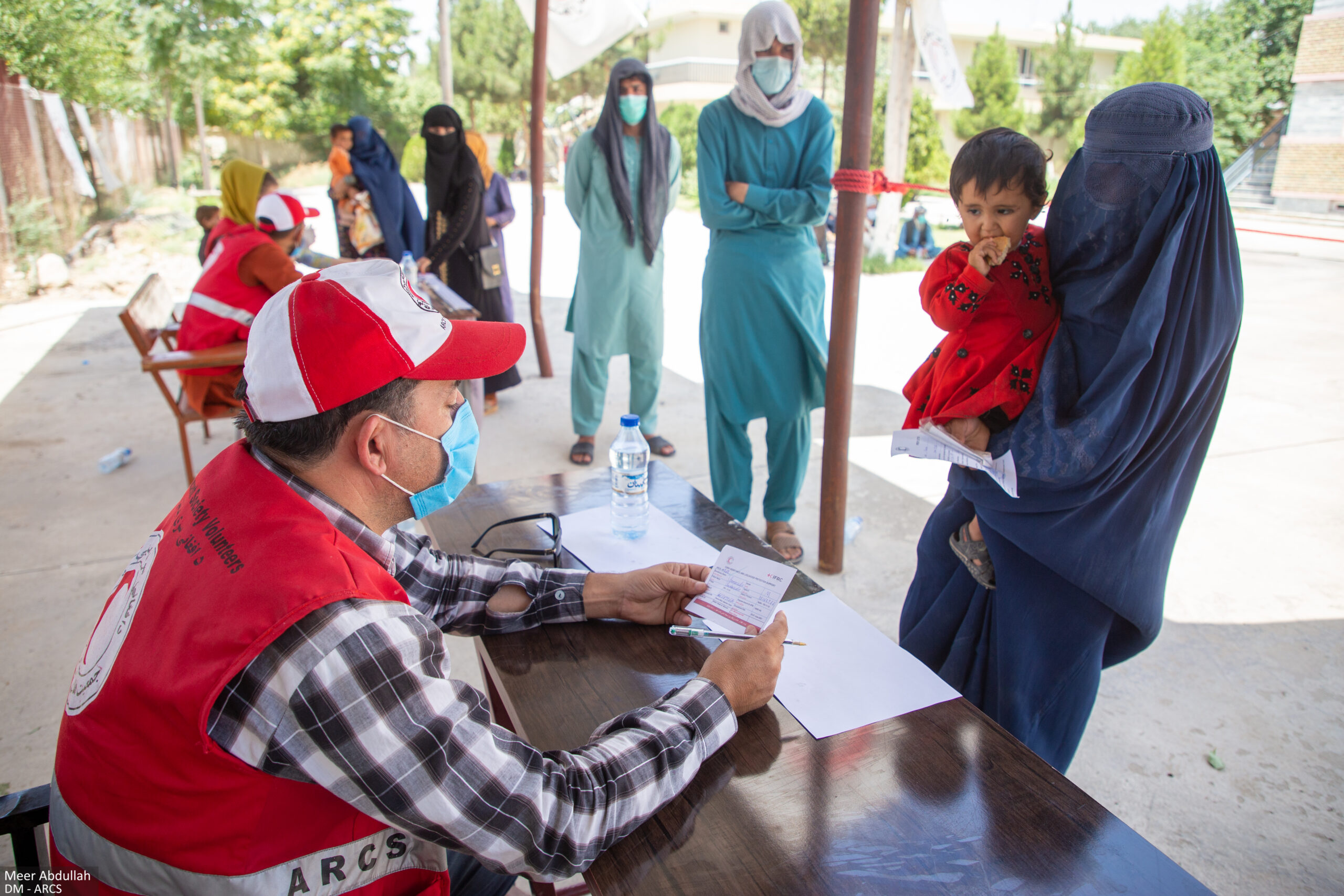
Risk Pools and Regional Insurance Facilities
Risk pools and regional insurance facilities allow multiple countries to pool resources and share disaster risks, reducing the cost of insurance and improving financial protection. These mechanisms provide quick payouts after disasters based on agreed triggers, enabling member countries to respond faster and more effectively.
For example, after Hurricane Dorian devastated parts of the Bahamas in 2019, the government received a US$11 million payout from the Caribbean Catastrophe Risk Insurance Facility (CCRIF) within days of the storm. This rapid funding helped the government address immediate needs such as debris removal, temporary shelter, and relief supplies for survivors. The quick payout helped bridge the gap before larger international aid arrived, highlighting how risk pools can enhance early disaster response.